

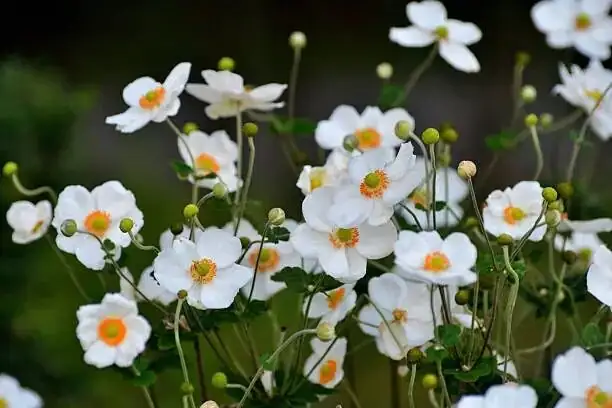
If you’ve ever fallen for those poppy-like blooms with inky centers that seem to gaze right back at you, you’ve met Anemone coronaria—also called Poppy Anemone, Crown Anemone, or simply Windflower. Native to the Mediterranean and grown for cool-season sparkle in beds, borders, and pots, this tuberous perennial is as full of surprises as it is color. Ready to grow it better—and with more delight? Here’s a curiosity-fueled tour of what makes this plant tick.
12 delightful grower surprises hiding in your Poppy Anemone
1) It naps twice: summer and cold spells
- Surprise: The tubers naturally rest in hot summer weather—and may also pause during unfavorable winter cold.
- What to do: In summer, expect top growth to fade; keep drainage excellent and provide 50–60% shade. In midwinter cold, potted plants prefer the mix on the dry side—never soggy—until growth resumes with milder, brighter days.
2) Those seeds are…hairy and clingy
- The achenes are slightly hairy and love to clump.
- Sower’s trick: Mix or rub them with dry sand before sowing for an even broadcast.

3) Germination takes a cool-headed 3–6 weeks
- Sweet spot: 15–20°C (59–68°F) in a fine, free-draining medium with only the lightest cover.
- Heads-up: High heat can stall seedlings, so keep things mild and bright.
4) Seed to showtime? Think 2–3 years
- Seed-grown Poppy Anemones often need 2–3 seasons to reach flowering size. If patience isn’t your superpower, start with tubers or divisions of favorite cultivars.
5) Don’t wet the petals—ever
- Why: Open blooms spot easily, lose their satiny sheen, and are more susceptible to gray mold (Botrytis) when splashed.
- Do this instead: Water the soil, mist only the foliage if the air is dry, and keep good airflow around plants.
6) Sun-lover with a summer soft spot
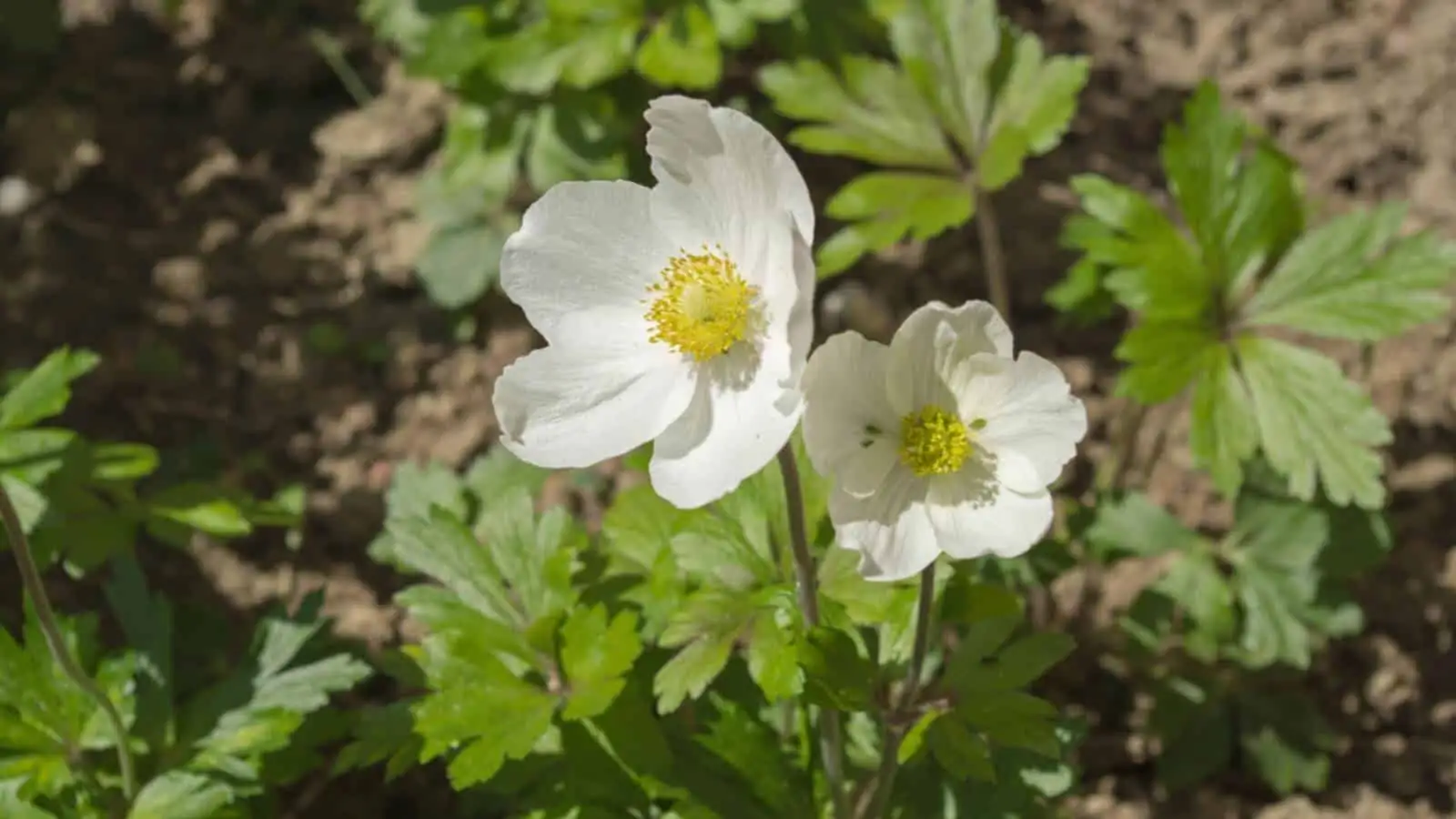
- Full sun is best for sturdy stems and strong flowering.
- But in hot periods: Provide about 50–60% shade to avoid heat stress.
7) Cool air, bold blooms
- Ideal growing range: 15–20°C (59–68°F). This is a cool-season performer that dislikes hot, humid conditions and drought.
- In too little light: Expect stretched stems and fewer flowers.
8) The “first-watering” trap with tubers
- After potting dry tubers, water only lightly at first. Overwatering during the first couple of waterings can keep tubers too wet and lead to rot.
- Increase watering gradually once new growth starts to show.
9) Potting depth matters—and it’s different from in-ground
- In pots: Plant tubers about 1.5 cm (0.6 in) deep; a 12–15 cm (4.7–5.9 in) container fits three tubers nicely.
- In the ground: Go a bit deeper—about 5–7 cm (2.0–2.8 in)—in fertile, free-draining soil.
10) Airflow is your secret weapon
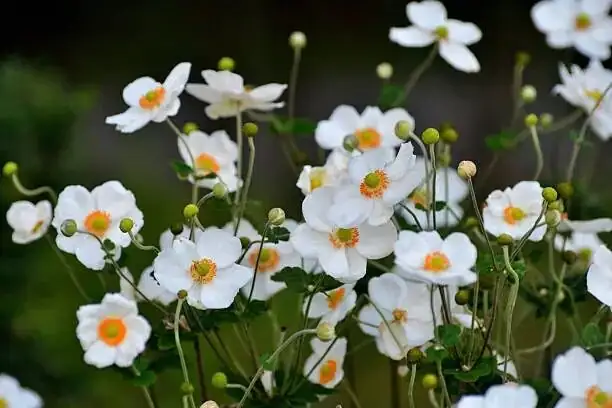
- Why it works: Fresh air discourages rust, gray mold, and Sclerotinia, which otherwise mar foliage and stems.
- Where to place: Bright, airy spots—think an east- or south-facing windowsill/balcony indoors, or a sunny, well-drained bed outdoors.
11) They’re glamorous, but not fussy about shade
- Poppy Anemone thrives in full sun yet tolerates partial shade. Use its neat, airy foliage to “float” among bolder plants and brighten shoulder seasons.
12) Born for bouquets
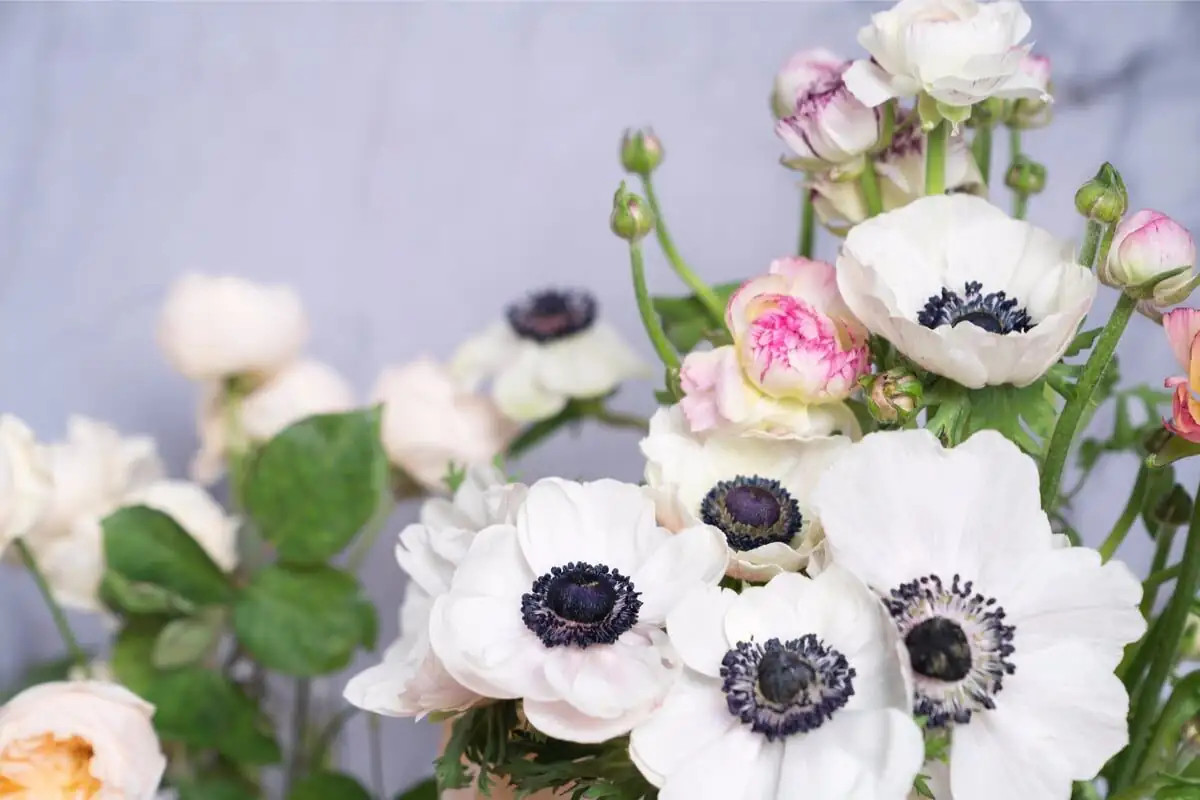
- Many cultivars have long stems and even double flowers—dreamy in arrangements and containers.
- Harvest hint: Pick in the cool of day and avoid splashing the petals to keep that luminous, poppy-like finish.
Seed geek corner: a tiny temperature twist
- Wild Mediterranean forms and cultivated strains can differ slightly in germination preferences. While 15–20°C is a great general range for cultivated garden strains, some wild forms are happiest on the cooler side within that mild spectrum. Bottom line for home growers: hold steady in the 15–20°C zone for 3–6 weeks, keep the medium fine and just moist, and protect seedlings from heat spikes.
Quick-start growing guide
Light and placement
- Outdoors: Choose a sunny, well-lit site with excellent drainage.
- Indoors: Bright light on an east- or south-facing sill or balcony; keep air moving.
- In summer: Provide about 50–60% shade if heat builds.
Soil
- Use a fertile, free-draining mix—think leaf mold/compost + rich loam + coarse sand.
- Seed sowing: Fine-textured medium; cover seeds only lightly.
Watering
- While actively growing and flowering: Keep evenly moist, not soggy.
- Rainy spells in-ground: Prioritize drainage to prevent standing water.
- Winter: Keep pots on the dry side—cold + wet = tuber rot.
- After potting dry tubers: Water lightly the first one or two times; increase as growth starts.
Feeding
- During active growth: Feed once a month with a dilute, well-rotted organic liquid fertilizer.
- At first buds/flowers: Give one extra boost higher in phosphorus and potassium (e.g., a bloom formula around 15-15-30) to support flowering and tuber development.
Deadheading and grooming
- Snip spent blooms promptly (unless you’re saving seed) to help tubers store energy and extend the show.
- Avoid spraying water onto open flowers.
Propagation paths
- Division: After foliage dies back around June, lift tubers and store in dry sand in a cool, shaded place. Before replanting in early autumn, pre-soak or pre-sprout tubers in moist sand or water to rehydrate for even sprouting.
- Seed: Best sown fresh in early summer when seed ripens. Rub with sand to separate hairs, sow into a fine medium, cover lightly, and keep 15–20°C. Expect germination in 3–6 weeks; plants usually flower in 2–3 years.
Pots and spacing
- Pots: 12–15 cm (4.7–5.9 in) diameter, three tubers per pot; depth about 1.5 cm (0.6 in).
- In-ground: Plant 5–7 cm (2.0–2.8 in) deep in free-draining soil; space for air around foliage.
Yearly rhythm (the gardener’s calendar)
- Spring: Main flowering; feed monthly; give a one-time bud-stage P–K bump.
- June: After dieback, lift/divide and store tubers; seeds mature—sow fresh if desired.
- Summer: Provide 50–60% shade and top-notch drainage; tubers may rest in heat.
- Winter: Tubers may rest in cold; keep pots on the dry side and never waterlog.
Troubleshooting: pests, diseases, and pitfalls
- Watch for: Rust, gray mold (Botrytis), and Sclerotinia in damp, stagnant air.
- Prevention: Bright light, good airflow, avoid wetting blooms, and never let containers sit in water.
- Pre-plant hygiene: Many growers disinfect tubers with a labeled fungicide dip (often around 1:1000 when specified) before planting.
- Aphids: Common on flowering stems—rinse off, encourage beneficial insects, or use a suitable labeled insecticide if needed.
Safety note
- Like many Ranunculaceae, Anemone coronaria can irritate skin and is potentially toxic if eaten. Keep away from pets and children; wear gloves if you have sensitive skin.
Why gardeners can’t quit the Windflower
- Uses: Brilliant cool-season color for beds, borders, lawn edges, and rock gardens; superb in pots and as cut flowers. Graceful green foliage adds airy texture around bolder plants, while long-stemmed and double cultivars elevate bouquets.
- Buying tips: Choose sturdy plants under 40 cm (16 in) with thick stems, lots of buds, and rich leaf color; or select firm, plump tubers at least 6 cm (2.4 in) around.
Flower language, symbolism, and the “wind” in Windflower
- Symbolism: Often linked with anticipation and protection—apt for a plant that appears with the turn of spring and closes its petals against rough weather.
- Where “flower language” comes from: Much of the so-called floriography (花语) was popularized in 18th–19th century Europe, so meanings vary by culture and era. For the Windflower, the idea of arrival on a breeze—opening as days brighten, resting when conditions turn harsh—underpins its themes of hope, vigilance, and the promise of return.
Curious, resilient, and impossibly elegant, Anemone coronaria rewards gardeners who lean into its cool-season rhythm. Give it bright light, mild temperatures, free-draining soil, and a respectful no-splash policy for the petals—and it will repay you with a spring chorus that feels like the garden’s first standing ovation.