

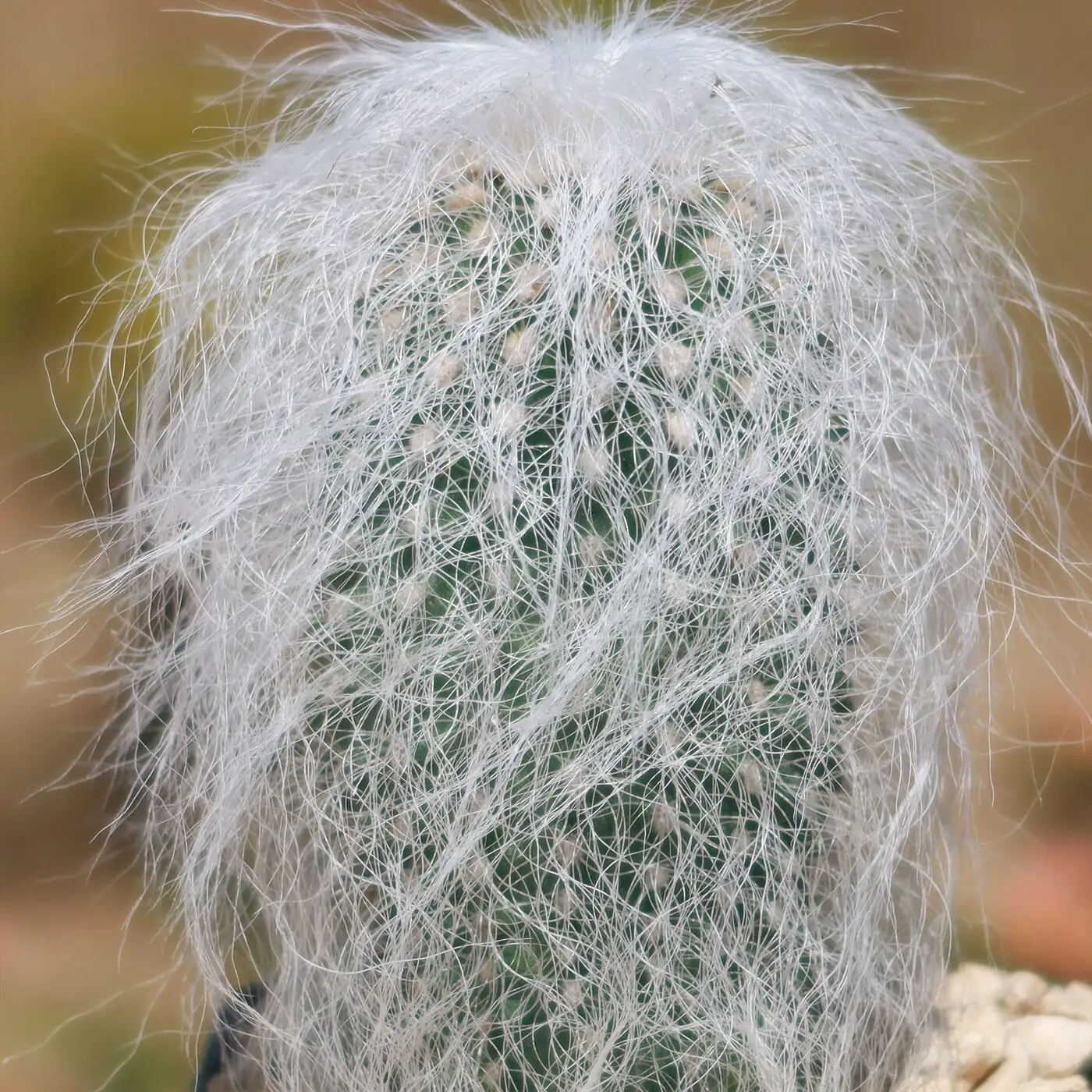
Think of Old Man Cactus (Cephalocereus senilis) as a wise elder in a shaggy coat: calm, stoic, slow to complain. That snow-white “beard” is its sunshade and claim to fame—but it also makes a cozy hideout for hitchhikers like mealybugs and scale. This is your no-panic troubleshooting manual: how to spot pests hiding in the wool, treat them safely with soaps and oils, boost airflow so the hair stays clean and dry, and keep roots rot-free in a fast-draining mix.
Meet the plant (and what “normal” looks like)
- Upright, usually unbranched, columnar cactus cloaked in long, silky white hairs. Spines lurk beneath—handle with gloves.
- Loves strong light: full sun is best; in very hot summers provide bright light with light afternoon shade, especially right after moving outdoors.
- Thrives in low humidity with good airflow. Try to keep the hairs dry.
- Watering rhythm: water thoroughly, then let the top 1–2 cm (0.4–0.8 in) of mix fully dry before watering again; in winter, cut back drastically (often just 1–2 waterings total if kept cool).
- Soil and pot: very fast-draining cactus mix in a modestly snug pot (terracotta is great). Repot young plants each spring; mature ones about every 2 years.
- Temperature: 10–32°C (50–90°F); protect from frost (aim to keep above about 5°C/41°F).
If you keep these basics, you’ve already done most of the heavy lifting against pests and rot.
The 60‑second “beard check” (weekly)
Tools: a bright flashlight, a soft artist’s brush or blower bulb, a wooden skewer, and a hand lens if you have one.

- Fluff, don’t fuss: gently lift and part the hairs with the brush and light. Do not strip or cut the hair; it’s protective.
- Inspect hot spots:
- Around areoles (where hairs and spines emerge)
- Stem tip/crown and along ridges
- The collar at soil level
- Underside of the pot and drain holes (root pests)
- Watch for telltales:
- Tiny white “cotton” specks or clusters tucked in the wool (mealybugs)
- Flat tan/brown pinheads that don’t brush off (scale)
- Fine stippling/bronzing on green skin if you can glimpse it, sometimes with superfine webbing (spider mites)
- Ants farming honeydew, sticky surfaces, or sooty mold
- Stunted growth, unexplained wilting, or white lint-like bits in soil (root mealybugs)
No signs? Great—back to basking in the sun. See something? Stay calm and move to gentle, targeted treatment.
Safe, gentle treatments that work with the wool
Spot-treat mealybugs, scale, and mites with precision
Goal: smother or disrupt soft-bodied pests without soaking the hair.
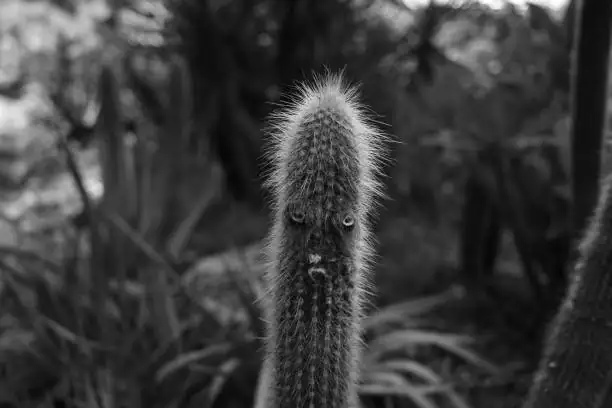
- Choose your product:
- Insecticidal soap (potassium salts of fatty acids)
- Lightweight horticultural oil (follow the label; apply in cooler parts of the day)
- How to apply (no drenching):
- Move the plant to bright shade with good airflow.
- Use a small artist’s brush, cotton swab, or narrow spray straw to apply product only where pests are visible. Aim for contact—these are contact killers.
- Keep sprays minimal; excess residue can mat the hair. Hold the pot at a slight angle so liquid doesn’t collect in the wool at the crown.
- Blot any runoff from the hairs with a paper towel.
- Let the plant dry in bright, indirect light with a gentle fan for 1–2 hours.
- Timing + repeats:
- Repeat every 5–7 days for 3–4 cycles to catch hatchlings.
- Avoid oil/soap applications in strong midday sun or during heat spikes; morning or late afternoon is better.
- Optional grooming:
- After the final treatment, gently lift the hairs with a dry, soft brush to re-fluff and remove any dried residue.
Pro tip: Keep the potting mix dry on treatment days. Damp, shaded, oil-coated cactus equals trouble.
Root mealybugs: tackle them at the source
Symptoms: plant stalls, wilts despite moist soil, or you see white, cottony flecks clinging to roots or hiding near drainage holes.
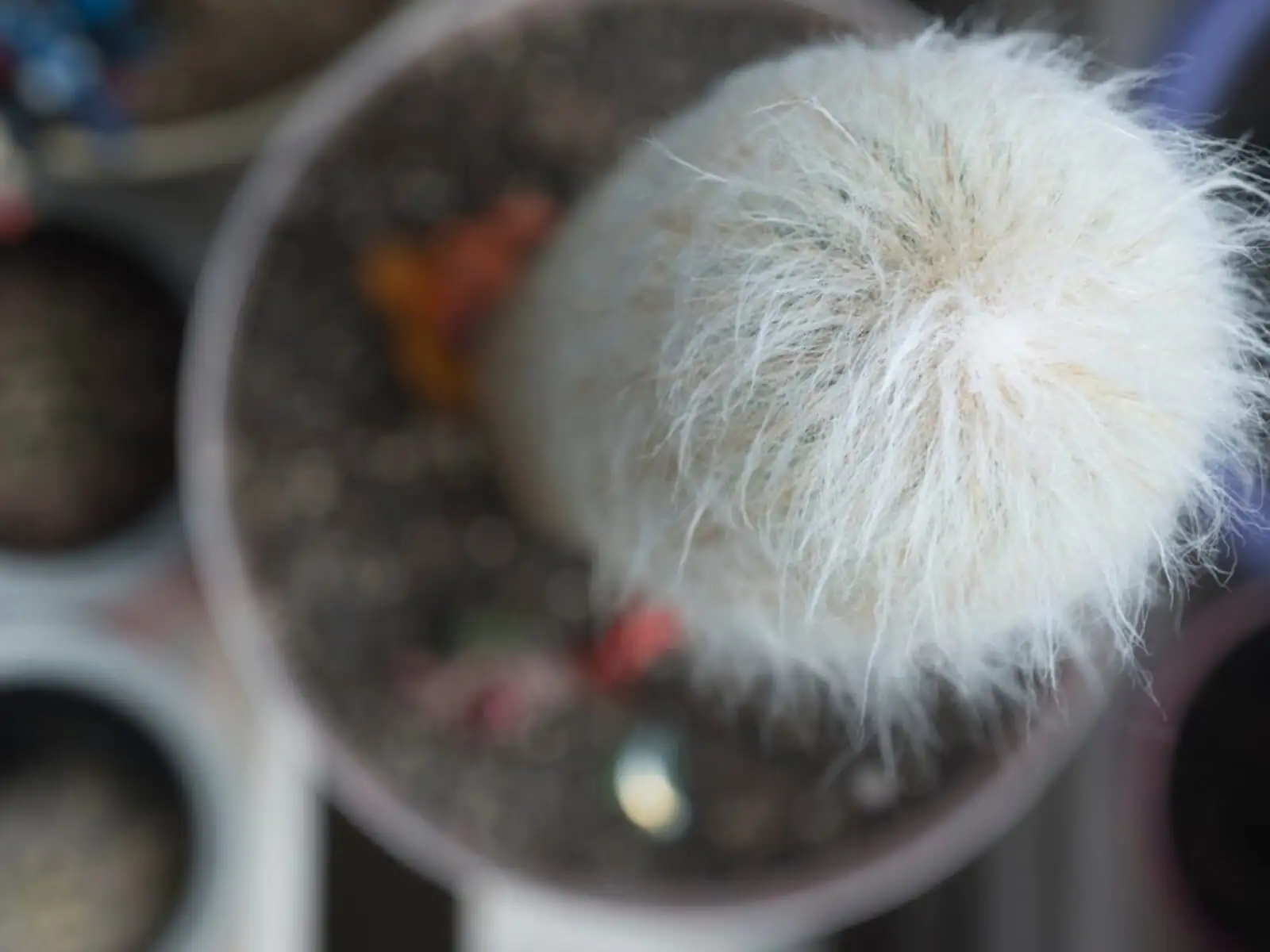
- Step-by-step rescue:
- Isolate the plant.
- Unpot gently, keeping the crown and hairs dry.
- Tap away all old soil; use a soft dry brush at the root ball.
- Prepare a lukewarm insecticidal soap solution per label.
- Swish just the roots in the solution for 2–3 minutes, or use a squeeze bottle to thoroughly wet roots (avoid the stem).
- Rinse roots lightly with clean water, then let them air-dry on a mesh or paper towel for 24 hours in bright shade with airflow.
- Repot into a fresh, very fast-draining cactus mix and a clean pot. Do not water for 5–7 days; then resume normal watering rhythms.
- Bin the old soil and sterilize the potting tools and the old pot.
- Monitor weekly for 6–8 weeks. If any sign returns, repeat the process.
Airflow: the Old Man’s best barber
Good airflow keeps the “beard” fluffy, dry, and far less appealing to pests and fungi.
- Space plants so hairs don’t tangle with neighbors.
- Use a small fan on low, oscillating across the room (not blasting the plant).
- Avoid misting or humidifiers nearby.
- Outdoors in summer? Acclimate to sun, and let natural breezes do their work; add light afternoon shade during extreme heat.
Rot-proofing the roots (and keeping that base firm)
Overwatering or slow soil is the true arch-nemesis here. Guard against it and you’ll dodge 90% of disasters.
The gritty, fast-draining mix
- DIY blend: equal parts potting soil, coarse sand, and perlite/pumice.
- Pot choice: small upsizes only; choose a pot with wide drainage holes (terracotta is excellent).
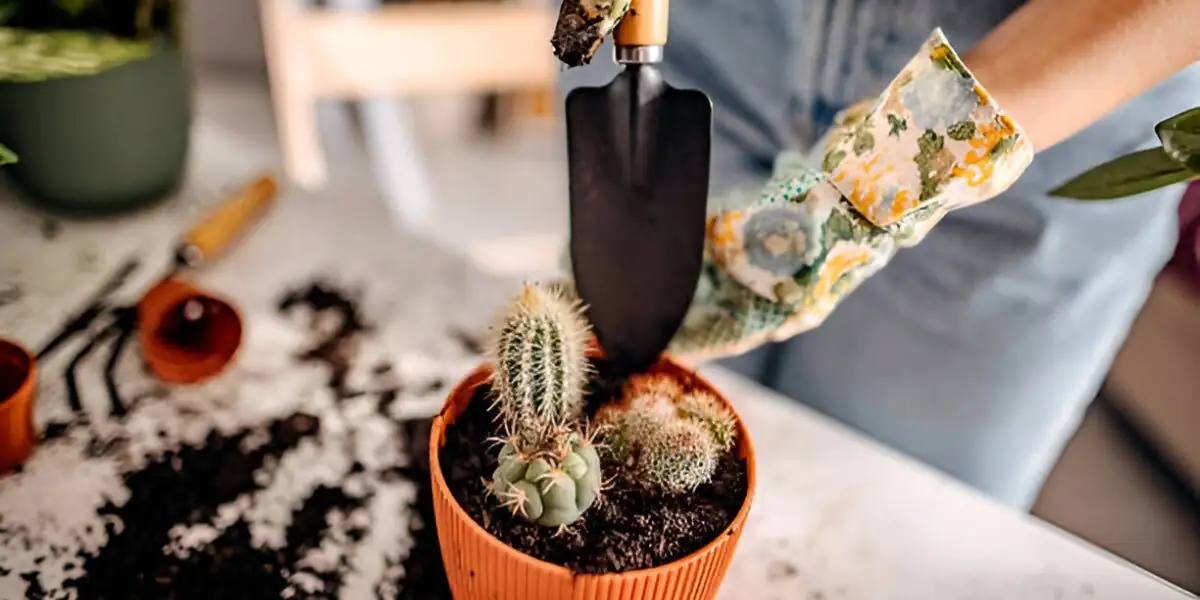
Watering rhythm that works
- Growing season: water thoroughly, then wait until the top 1–2 cm (0.4–0.8 in) are completely dry before watering again.
- Winter: scale back hard—often just 1–2 waterings for the entire season if kept cool and bright.
- Always water early in the day so any incidental moisture on hairs evaporates.
Early rot warning signs
- Slight softness or discoloration at the base
- A sour smell from the pot
- Sudden leaning or a ring of translucence on the stem
Emergency protocol (no panic)
- Unpot and inspect. Trim any mushy tissue with a sterile blade, cutting back to firm, healthy tissue.
- Let cuts callus fully in bright, dry air—often several days to a week or more, depending on the size of the wound.
- Dusting cuts with dry sulfur is optional; keep everything bone-dry until fully corked over.
- Repot into fresh, gritty mix; wait a week before the first cautious watering.
Light and placement that fortify defenses
- Give as much sun as you can indoors (brightest window or sunroom). Outdoors in warm seasons is fantastic once acclimated.
- In very hot climates, provide light afternoon shade to prevent scorch, especially right after moving outside.
- Winter: keep cool and very bright; low watering plus bright light equals a happy, tight “beard.”
A simple prevention checklist
- Strong light, low humidity, and good airflow
- Fast-draining mix; snug pot; drain holes clear
- Water only after the top 1–2 cm of soil dries; almost none in winter if kept cool
- Weekly 60‑second pest check (crown, areoles, soil line, drain holes)
- Spot-treat early with insecticidal soap or horticultural oil; avoid soaking the hairs
- Keep the hairs dry when possible; never mist
- Quarantine new arrivals; repot into your own gritty mix
Quick care recap
- Sunlight: full sun for best growth and dense hair; add light afternoon shade in extreme heat.
- Temperature: 10–32°C (50–90°F); protect from frost (keep above ~5°C/41°F).
- Watering: thorough drinks, then dry top layer before repeating; winter—drastically reduced.
- Feeding: monthly in spring/summer with cactus fertilizer; stop in fall/winter.
- Repotting: young plants yearly in spring; mature every ~2 years; only slightly larger pots.
- Safety: not poisonous, but hidden spines can bite—use gloves.
Why the “old man” look matters
Those silky white hairs aren’t just for charm—they act like a built-in parasol on the arid limestone slopes of east-central Mexico, shielding the green stem from fierce sun. Keep the coat tidy, dry, and airy, and your plant stays both gorgeous and resilient.
With calm, consistent care and a light touch on treatments, Cephalocereus senilis will repay you with years of quiet presence—and a beard that’s the envy of the windowsill world.