

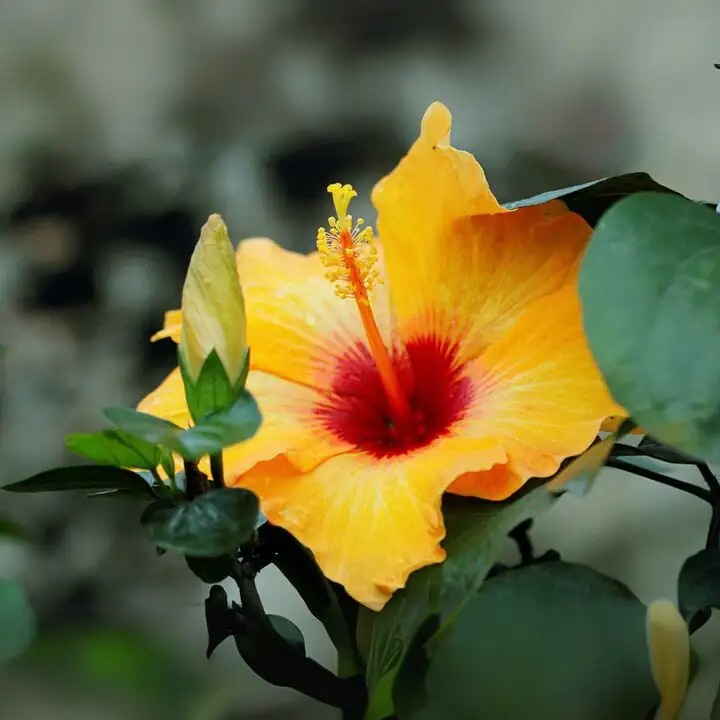
Imagine a glossy, green shrub unfurling an enormous, silky bloom at breakfast—only to let it slip away by evening. That fleeting fanfare is part of the spell of Hibiscus rosa-sinensis, the Chinese Hibiscus. Across centuries and seas, this flower has gathered meanings like a well‑traveled passport stamp—Victorian “delicate beauty,” the East Asian prosperity of “Fusang,” feng shui good fortune, and the charming Hawaiian wear‑behind‑the‑ear code. Here’s how a one‑day bloom came to speak so many languages of the heart and home.
H2: Meet Hibiscus rosa-sinensis (Chinese Hibiscus): The Bloom That Writes Its Own Postcard
H3: A quick portrait
- Family: Malvaceae; Genus: Hibiscus
- Aliases: Rose of China, Tropical Hibiscus, Shoe Flower, Hawaiian Hibiscus (widely cultivated ornamental)
- Origin and reach: Tropical Asia; beloved across the tropics and subtropics
- Look: Dense, glossy, deep‑green foliage and large, flamboyant flowers—single or double—often in vivid, sunset colors
- Habit: A bushy, many‑branched shrub that responds enthusiastically to tip‑pinching and pruning
- Seasonality: In warm, bright conditions, it flowers repeatedly for long stretches (often late summer into early winter in warm climates)
Those short‑lived, showy blooms are crucial to understanding its flower language. Their brilliance—paired with brevity—made Victorians swoon and East Asians nod knowingly about life’s energy, luck, and reputation.
H2: Victorian Floriography: Why Hibiscus Meant “Delicate Beauty”
Victorian flower dictionaries turned petals into coded prose. Hibiscus, opening bold and fading within a day, became a perfect emblem of “delicate beauty”—a compliment that also hinted at transience. Gifting a hibiscus signaled: “Your beauty moves me precisely because it is so tender and fleeting.” In an age obsessed with propriety and metaphor, one opulent, ephemeral flower could say what a paragraph could not.
H2: East Asia’s Fusang Thread: From Sunrise Tree to Prosperity at Home
H3: The name that glows—扶桑 (Fusang)
In Chinese, hibiscus is called 扶桑 (Fusang), a name echoing ancient lore of a radiant eastern tree where the sun rises. Over time, this sun‑kissed association translated into the language of everyday life: warmth, vitality, cheerful prosperity, and a household on the upswing.
- Prosperity and thriving home: In contemporary symbolism, Chinese hibiscus is often linked with a lively, flourishing household—sunny energy that buoys family fortunes.
- Fame and splendor: In wider Chinese flower lore, hibiscus can also shade toward “fame, riches, glory, and splendor,” reflecting the bloom’s striking, look‑at‑me presence.
Together, Fusang’s mythic dawnlight and the plant’s undeniable showmanship fed a cultural reading that balances luck, reputation, and domestic well‑being.
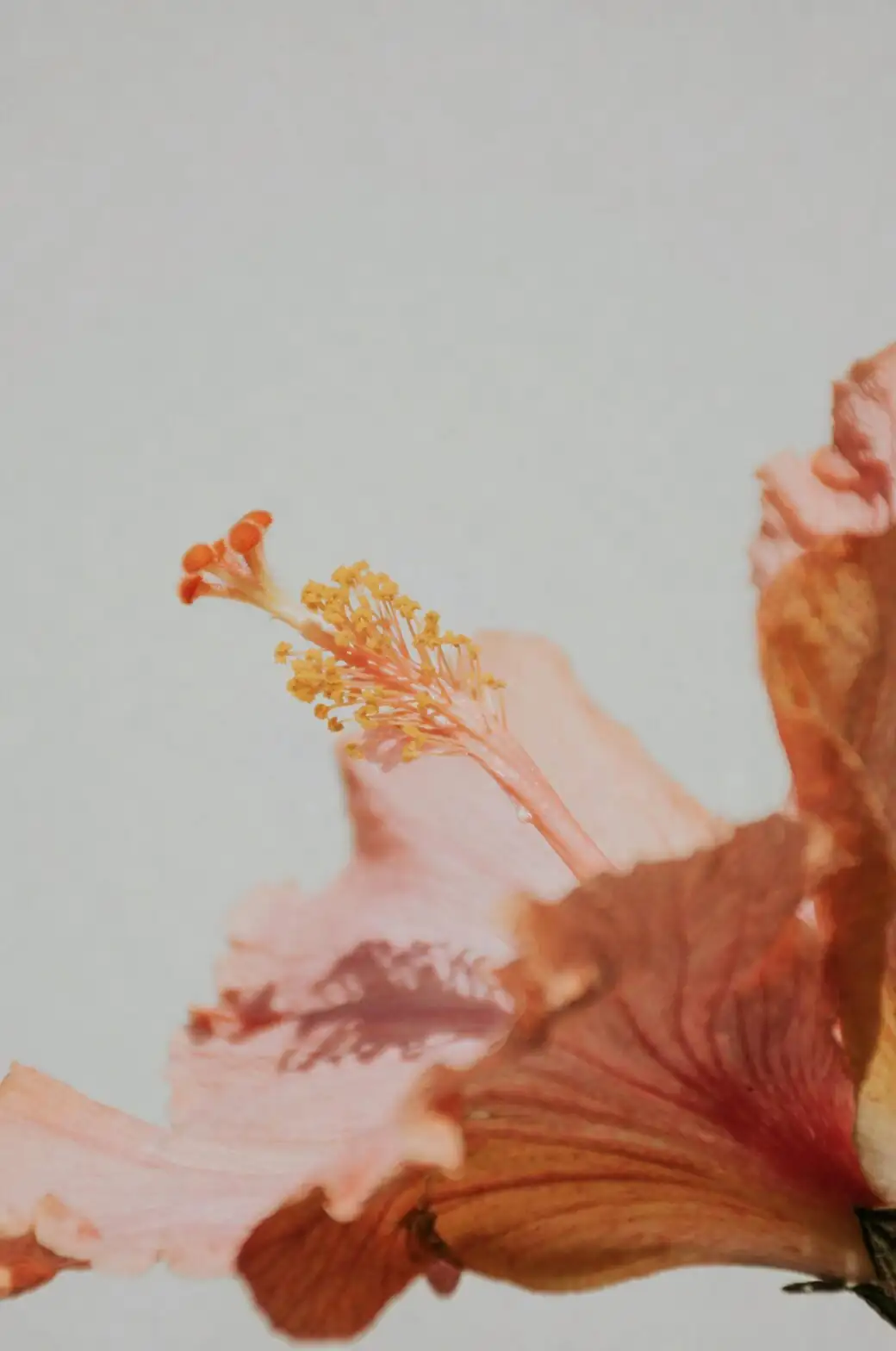
H2: Feng Shui with Hibiscus: Where to Place the Sun
Think of Chinese Hibiscus as a pot of sunshine. In feng shui, that makes it a natural ally when placed where its “fire” quality can lift life areas—provided you honor its horticultural needs: abundant light, warmth, and airflow.
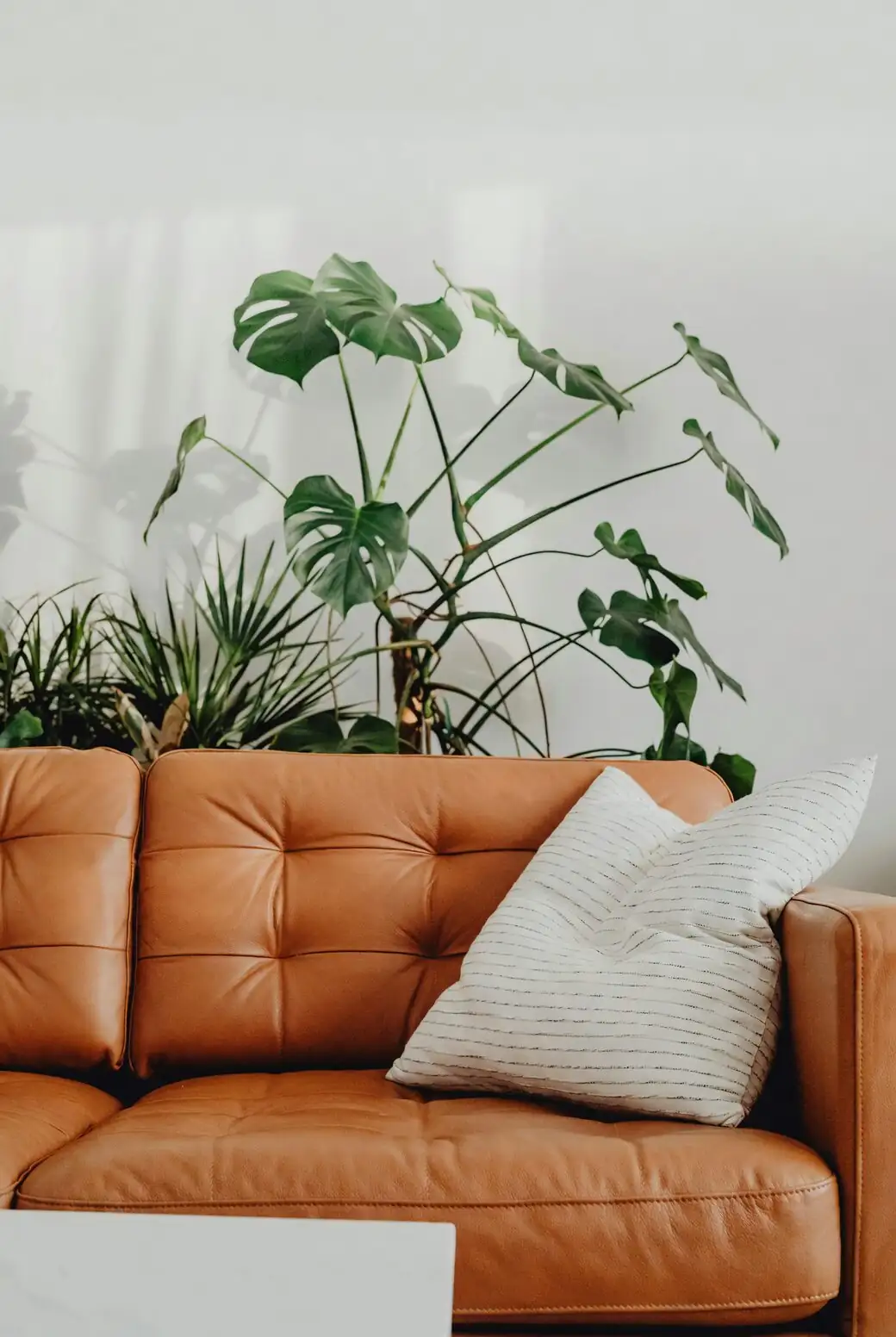
H3: Smart placements (and why they work)
- South (Fame/Reputation): A red or fiery‑toned hibiscus here celebrates visibility and recognition—perfect for performers, entrepreneurs, or students who need spotlight energy.
- Southeast (Wealth/Abundance): A vigorous, bud‑heavy plant in this corner can echo thriving resources. Keep it well‑fed to mirror sustained prosperity.
- East (Family/Health): The hibiscus’s lush greenery and fresh blooms refresh family qi, especially in shared living spaces.
- Entryway/Patio: A bright, welcoming hibiscus near the front approach signals hospitality and cheer before a guest even rings the bell.
H3: Practical feng shui meets plant care
- Light: Full sun drives the message and the blooms. Deep shade yields weak growth and few flowers.
- Temperature: Best at 15–25°C (59–77°F); bring potted plants indoors before nights near 10°C (50°F). Avoid chills below 5°C (41°F) that cause leaf yellowing.
- Humidity and watering: Moderate to high humidity suits it; keep soil evenly moist but never soggy.
- Feeding: It’s a heavy feeder—regular fertilizing in the growing season keeps the “prosperity engine” purring.
- Bedrooms and dim corners: Avoid. The plant’s yang energy and light hunger make it a better fit for bright, social zones.
H2: Hawaii’s Behind‑the‑Ear Code: A Flower as a Status Update
On the Hawaiian Islands, hibiscus blossoms are a shorthand for beauty, welcome, and a dash of romance. The iconic behind‑the‑ear placement carries a gentle social signal:
- Right ear: Traditionally indicates the wearer is single/available.
- Left ear: Suggests the wearer is taken or married.
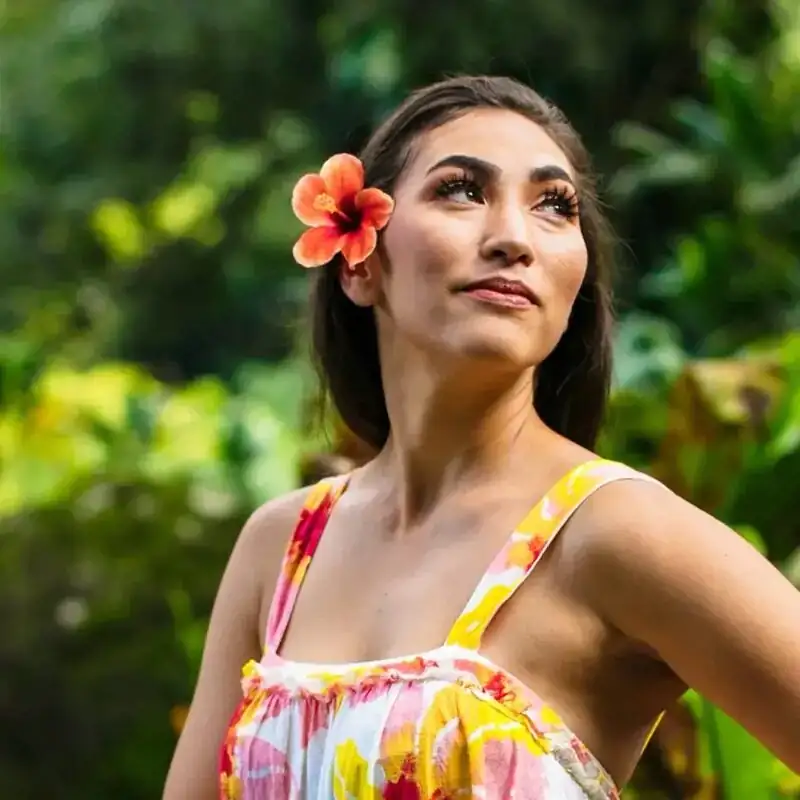
While many hibiscus species and hybrids share the limelight in Hawaii, the spirit is consistent: a fresh, joyful emblem of hospitality and island warmth. Leis featuring hibiscus can be spectacular, though everyone smiles at the universal truth—these blooms are showstoppers with brief stage time.
H2: Gifting Nuances: Single vs. Double Blooms
H3: The form tells a story
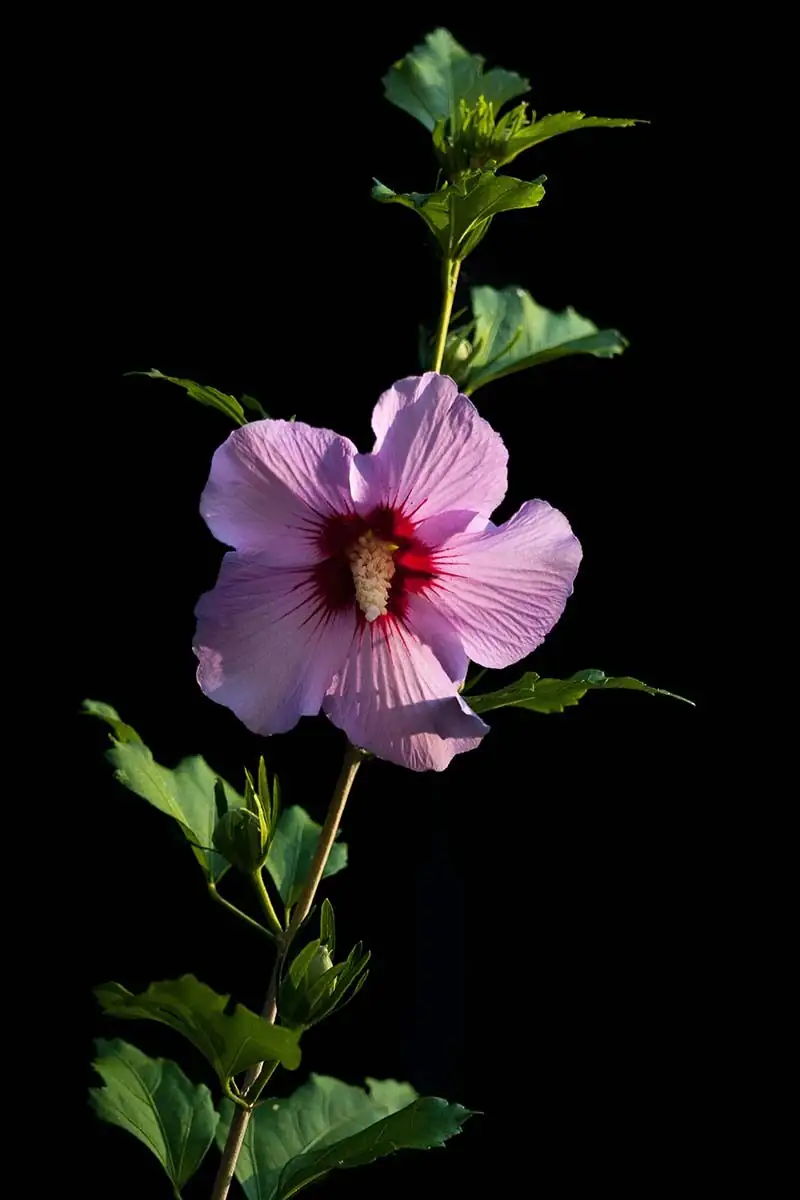
Beyond color, hibiscus bloom form changes the message:
- Single‑flowered forms: Excellent for congratulations—success, achievement, and family flourishing. They make lively, auspicious gifts for housewarmings, promotions, and milestone moments.
- Double‑flowered forms: Softer, more layered petals suggest tenderness and thoughtful romance—lovely for anniversaries or intimate celebrations.
H3: Tips for memorable gifting
- Potted over cut: Because hibiscus flowers are short‑lived, a bud‑rich potted plant lets your recipient enjoy a parade of blooms rather than a single day’s spectacle.
- Match the moment: Choose a bright, energetic single for career wins; choose a lush double for love‑leaning occasions.
- Place‑with‑purpose card: Add a note suggesting a sunny south or southeast placement—turn the gift into a small, ongoing ritual of prosperity.
H2: Why This Flower Language Endures
Hibiscus symbolism keeps evolving because the plant itself performs the metaphor daily. It thrives in light and warmth, then stages a brilliant, if brief, celebration—again and again. Victorians read “delicate beauty” in that arc. East Asian traditions see household prosperity and radiant qi. Hawaiians turn it into a wearable smile. Across these viewpoints, one truth repeats: beauty is more meaningful when it is alive, generous, and shared.
H2: Keep the Message Blooming: A Quick Care Sidebar
- Sun: Full sun for best flowering; bright, airy placements are ideal.
- Water: Evenly moist soil; never waterlogged. In peak warmth, you may water every 2 days in containers.
- Feed: Fertilize about twice monthly during active growth with a bloom‑forward formula.
- Shape: Pinch tips at about 20 cm (8 in) to encourage branching; prune after a flowering flush for more shoots.
- Climate: Not frost‑hardy; overwinter indoors above 10°C (50°F) in the brightest window you have.
- Safety note: Generally considered non‑toxic to people and pets, though sensitive individuals may react to sap—discourage nibbling.
H2: A Final Petal
Hibiscus rosa‑sinensis is the extrovert of the garden—big blooms, bigger heart. Gift a single bloom to cheer on someone’s rise, a double to whisper tenderness, or a thriving potted plant to bless a new home. Place it where the sun can find it, and let its language—beauty, prosperity, and warm welcome—speak fluently in yours.