


Walk into any nursery these days and you’ll spot a cactus that looks like a miniature fortress—ridges marching upward, tiny rounded turrets budding from the sides, a knobbly silhouette that seems built by wind and time. The label? Sandcastle Cactus. The lineage? Shrug emoji. Welcome to the wonderfully murky world of trade-name cacti, where curiosity sells, mutations are prized, and the paper trail is often… a sandy blur.
Meet the “Sandcastle Cactus”
- Family: Cactaceae
- Scientific label: Unknown (trade name; exact species/cultivar not confirmed)
- What it looks like: A ribbed main stem punctuated by little rounded offsets that stack up like turrets on a keep. Over time, those offsets can form a clustered, sculptural mound.
- Flowering: In summer, it can flash brief pink flowers—ephemeral charmers that may open for a single day.
- Size: Commonly sold as a 10–25 cm (4–10 in) plant; it tends to widen with age as more offsets appear.
- Use: Purely ornamental—collected for its whimsical architecture and those blink-and-you-miss-them summer blooms.
In short: it’s a cultivated oddball with a crowd-pleasing look and a backstory shared by many “trade-name” cacti.
Where Do Trade-Name Cacti Come From?
The short answer is selection—patient, persistent selection.
- Spontaneous quirks: Among thousands of seedlings, growers sometimes find a plant with an unusual habit—clustering, knobbly ribs, dwarfed growth, spinelessness, cresting, or a “monstrose” distortion. These are the unicorns.
- Clonal propagation: Once an eye-catching form is discovered, nurseries multiply it by offsets or cuttings. Over time, a single plant can populate greenhouses around the world.
- Catchy names first, IDs later: While botanists build identities from flowers, fruits, and minute anatomy, the market moves faster. A vivid nickname (Sandcastle! Brain! Medusa!) gives sellers and shoppers a mental hook—even when the exact species is uncertain.
Trade names are about storytelling and shelf recognition. They’re not false; they’re just not formal.
From Greenhouse Oddball to Global Favorite
How an unknown “Sandcastle” becomes a household name:
- Discovery: A grower in a small collection notices a ribbed plant spitting out adorable turrets. Unusual, stable, and clonal—bingo.
- Trialing: The plant is grown in different light, soils, and climates to confirm it keeps the look and offsets reliably.
- Scaling up: Offsets are harvested, callused, rooted in gritty media, and shared among partner nurseries. Some forms are temporarily grafted to speed growth, then returned to their own roots for sale.
- Branding: A trade name sticks—sometimes two or three regional variants stick at once—and the plant rolls into the global supply chain.
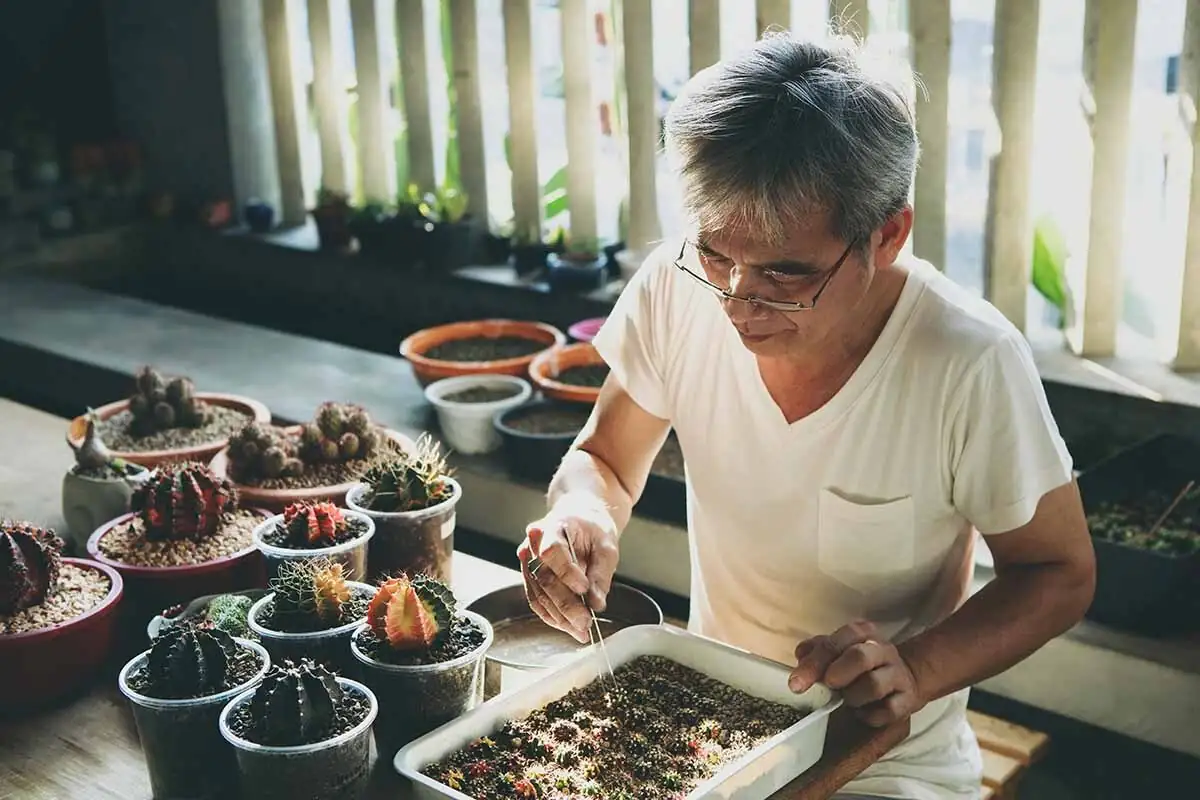
Within a few seasons, the original oddball goes from one bench to thousands of windowsills.
Why the Lineage Gets Fuzzy (and Stays Fuzzy)
- The flower problem: Flowers are key to precise cactus ID—but on many cultivated forms, blooms are fleeting or sporadic. Without repeated, well-documented flowering, genus-level certainty can be elusive.
- Convergent looks: Different species can “mutate” into similar knobbed or clustering habits. To the eye, lookalikes emerge; to a taxonomist, they’re miles apart.
- Rebranding and relabeling: Wholesalers, retailers, and regional marketplaces sometimes rename the same clone—or different clones get sold under the same nickname.
- Lost notes: Over decades of propagation, original source details (seed batch, locality, cross) fall away. The clone survives; the paperwork doesn’t.
- Parallel legends: Anecdotes travel with cuttings—“It came from a collector in X” or “This is the real one”—and multiple, competing origin stories take root.
Case in point: well-known “nursery cultivars” exist for several columnar cacti. Some, like the famed cresting and monstrose forms in cultivation, are essentially a single clone with many expressions—and a tangle of nicknames.
A Collector’s Sleuthing Guide: Tracing Lookalikes
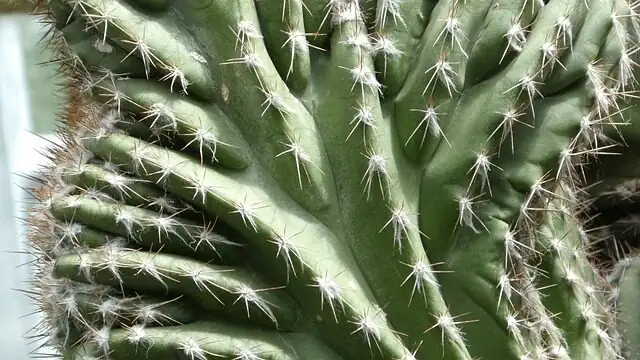
You won’t always nail the species. But you can narrow the field, or at least understand what you have.
- Start with structure:
- Ribs vs. tubercles: Does the plant have straight ribs, or is it divided into nipple-like bumps?
- Areoles: Note spacing, woolliness, spine bundles, and whether new offsets arise from areoles or at the base.
- Offsetting habit: Basal clumps vs. side “turrets” from the main stem.
- Watch the flower (if you’re lucky):
- Color and size; day vs. night opening; scent; tube length and hairiness. Even a single bloom is a treasure of clues.
- Observe over seasons:
- Rib count can change with hydration. Photograph at dry-down and after watering.
- Epidermis: matte vs. glossy; scarring pattern; corking age.
- Compare responsibly:
- Use multiple sources (old catalogs, specialist forums, serious hobbyist databases). Avoid one-photo IDs.
- Keep a notebook:
- Dates of blooms, spine changes on new growth, offsetting rate. Your own record often trumps internet guesses.
- Accept “aff.” or “cf.”:
- If experts say “aff.” (affinity) or “cf.” (compare with), they’re being precise, not evasive. It signals lookalike closeness without overpromising.
Spotlight example: The world of columnar cacti includes famous clones and trade distinctions—think of the “PC” vs. seed-grown lines in San Pedro-type markets. Names there often reflect propagation history as much as hard taxonomy. That same dynamic fuels the Sandcastle’s mystique.
Care Notes for the Sandcastle Cactus
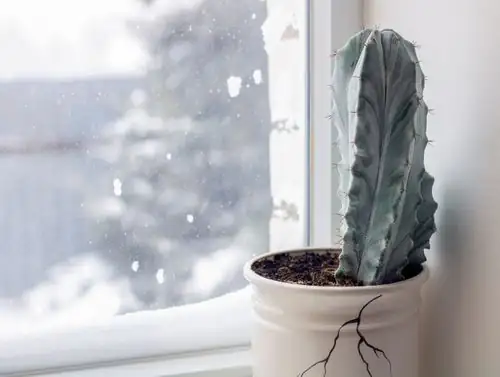
This quirky form is easy-to-moderate with the right rhythm: drench, dry, and drench again—under strong light.
- Light: Bright light to full sun; aim for 4–6+ hours of direct sun. Acclimate slowly to prevent scorch.
- Temperature: Best at 18–30°C (64–86°F); keep above about 5–10°C (41–50°F), especially if the potting mix isn’t bone-dry.
- Soil: Very free-draining cactus/succulent mix. Fortify with mineral grit or pumice for extra drainage.
- Watering:
- Spring–summer: Water deeply, then wait until the mix is completely dry—often every 10–21 days in strong light.
- Winter: Go sparse—barely water, or not at all if kept cool and bright.
- Never leave the pot sitting in water.
- Feeding: Lightly in spring and summer with cactus fertilizer at 1/4–1/2 strength every 4–6 weeks. Skip in winter.
- Repotting: Every 2–3 years or when root-bound, ideally in spring. Use a pot with drainage holes and keep the soil dry for 5–7 days after repotting.
Propagation & Pruning
- Offsets are your friend: Twist or cut a small rounded stem. Let it callus 3–7 days. Lay on a dry, gritty mix to root; begin very light watering only once roots form.
- Pruning: Minimal. Remove only dead or damaged offsets with a sterile blade.
Health, Pests, and Safety
- Common pests: Mealybugs in crevices, scale on sheltered ribs, spider mites in very dry indoor air. Improve airflow, increase light, and treat with insecticidal soap or careful alcohol swabs; where appropriate and legal, a systemic can help.
- Biggest risk: Root or base rot from excess moisture. If the base softens, stop watering, unpot to inspect, cut away rot, and save healthy, callused pieces for re-rooting.
- Toxicity: Not known to be highly toxic—but spines and sap can irritate skin. Keep out of reach of children and pets; chewing may cause mild GI upset.
Buying Guide: Choosing a Good “Sandcastle”
- Firmness is key: The plant should feel solid, not squishy. Avoid blackened patches or a sour smell.
- Inspect the base: Look for corking (normal with age) vs. soft rot (trouble).
- Check the joints: Mealybugs love to hide between those cute turrets.
The Blink-and-You-Miss-It Bloom
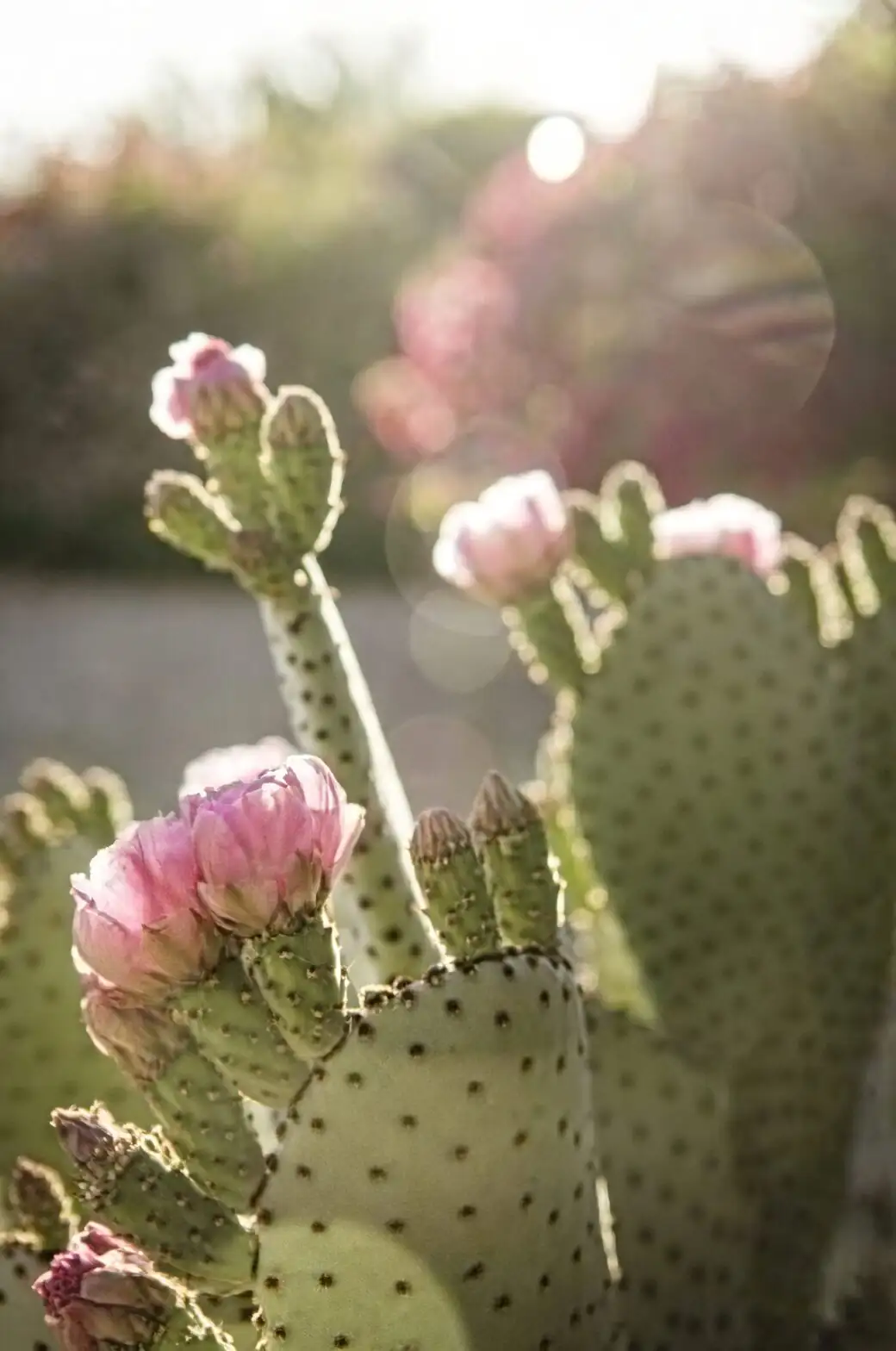
Pink summer flowers are short-lived—sometimes just a day. To improve odds of seeing them:
- Maximize bright, warm summer conditions.
- Offer a cooler, much drier winter rest to trigger seasonal cues.
- Avoid overfeeding—steady, light nutrition is best.
Why Trade Names Matter (and Why They Don’t)
Trade names like “Sandcastle Cactus” do two things beautifully:
- They invite people in. A friendly nickname draws beginners who might feel intimidated by Latin.
- They keep the door open. As you grow the plant and learn more, you can refine the ID—or embrace the mystery.
But remember: a trade name is not a scientific label. For this plant, the exact genus and species aren’t confirmed from available information. Think of “Sandcastle” as a charming stage name for a cultivated form beloved for its clustered, turreted build.
Symbolism and the Slow Magic of Cacti
Cacti often symbolize resilience, patience, and quiet endurance—qualities that mirror their ecological reality. Their brief blossoms, emerging after long stillness, echo the idea that beauty can be swift and hard-won. If you’re into “flower language,” consider this take: a Sandcastle’s pink, short-lived bloom suggests celebration without possession—a reminder to marvel, not to clutch.
A Grower’s Seasonal Game Plan
- Spring–summer:
- Give maximum light.
- Water deeply, then wait for a complete dry-down.
- Feed lightly every 4–6 weeks.
- Autumn:
- Reduce watering as days shorten; keep bright.
- Winter:
- Keep bright and cooler if possible.
- Stay on the dry side to prevent rot.
Fun to Know
- Many cactus flowers open and fade in sync with their natural pollinators—like little shooting stars in plant form.
- That knobbly, clustered “Sandcastle” silhouette reflects cultivated selection; it’s a rarity you’re unlikely to stumble upon in a typical wild population.
The Joy of Not Knowing (Yet)
Part of the pleasure of trade-name cacti is the long conversation they spark—between growers, over seasons, across continents. The Sandcastle Cactus thrives on light, restraint, and curiosity. Give it those, and it will pay you back with decades of architecture and the occasional pink firework of a flower—proof that mystery is not a flaw in gardening, but a feature.