


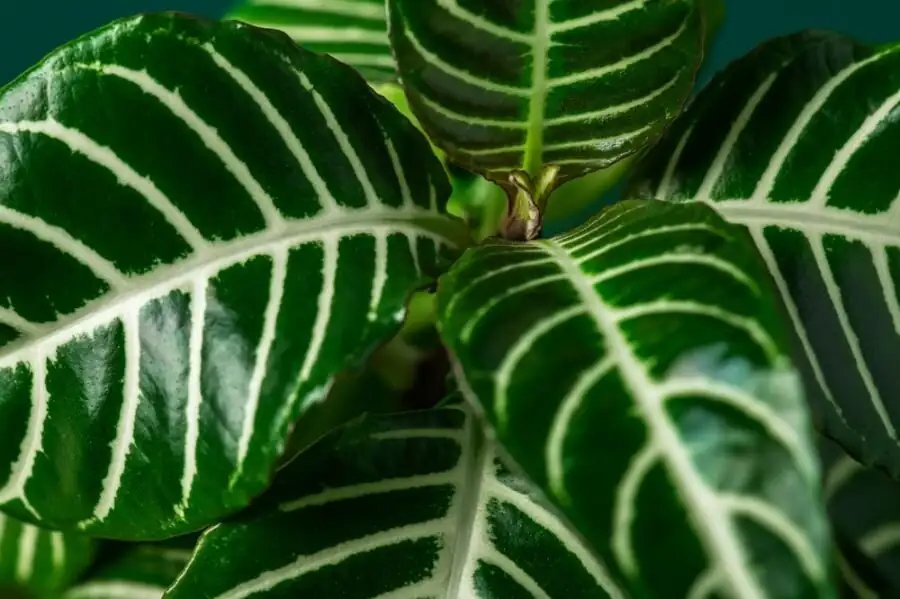
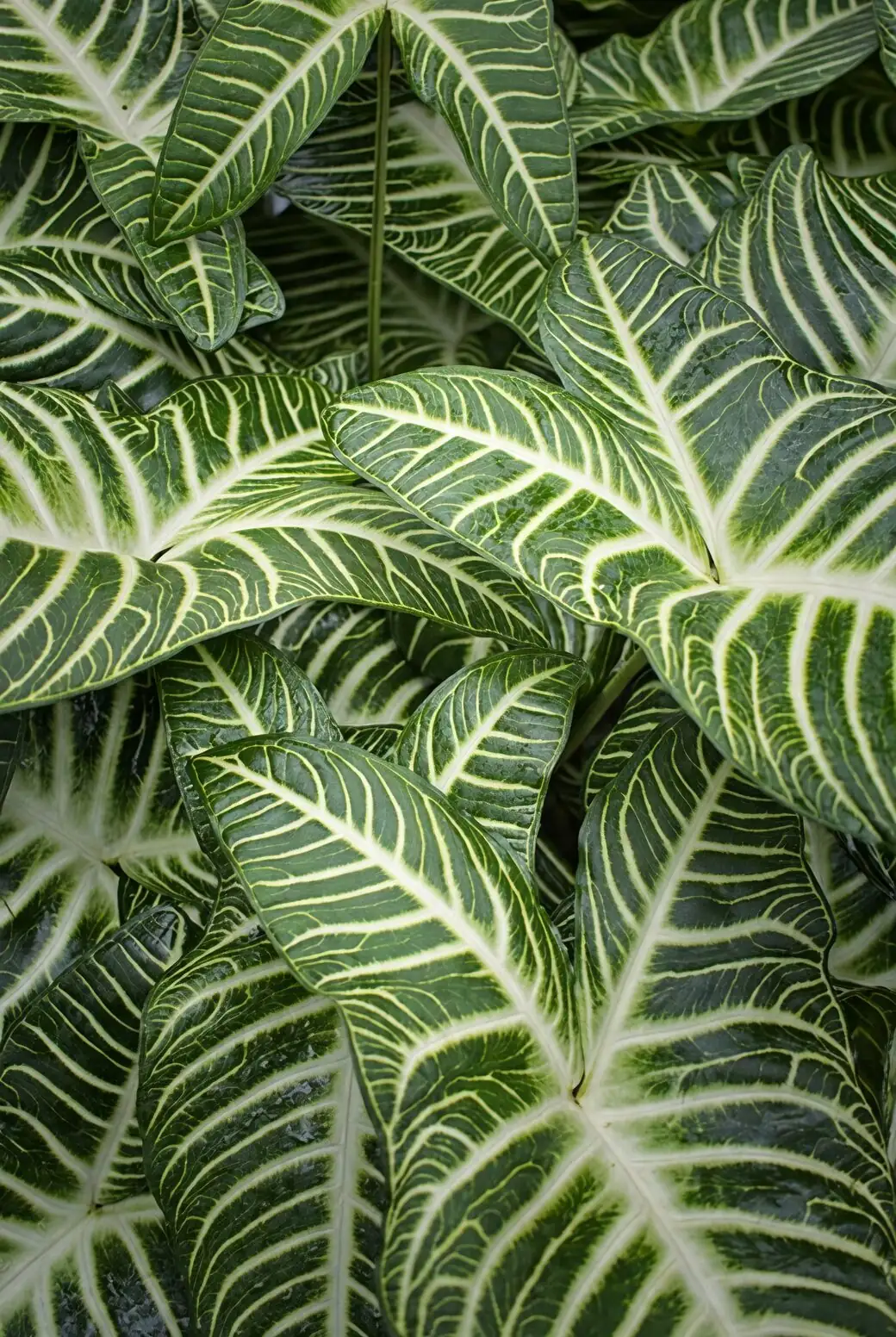
Stand back for a second and look at Aphelandra squarrosa—the Zebra Plant—and you’ll see why a new “flower language” grew up around it. Those glossy, deep-green leaves slashed with creamy-white veins feel like exclamation points; the upright, long-lasting golden bracts read like victory banners. It’s the houseplant that struts. And in the hands of modern florists and the online plant community, it’s come to speak a vivid message: boldness and vibrant energy.
Meet Aphelandra squarrosa: tropical drama with a golden accent
- Botanical identity: Aphelandra squarrosa, family Acanthaceae; also known as Zebra Plant, Zebra Aphelandra, and in Chinese 银脉单药花.
- Native roots: Born in the Atlantic Forest of southeastern Brazil, a biodiversity hotbed that shaped its lush, evergreen look.
- Signature look: Deep-green, glossy leaves carved with creamy “zebra” veins. Come late summer into autumn (indoors, timing varies), upright yellow bracts rise like torches; the true flowers are small orange tubes nestled between those bracts. The bracts last far longer, so the show goes on for weeks.
- Habit and size: A compact, upright tropical subshrub that tops out around 60 × 60 cm (24 × 24 in) indoors, staying dense with tip pinching and post-bloom pruning.
Where this flower language came from (and why it isn’t Victorian)
Classical floriography—the Victorian “dictionary” that made roses whisper love and lilies vow purity—didn’t really include this tropical Brazilian. Instead, the Zebra Plant’s symbolism is a 20th–21st century creation, minted in three waves:
1) The greenhouse-to-living-room era: As homes embraced tropical foliage in the mid-century and ’70s houseplant booms, Aphelandra’s high-contrast leaves turned it into a statement plant—boldness by design.
2) Florist-shop theater: Its architectural bracts, often used as seasonal showstoppers, came to signal celebration and “go big” moments.
3) The social-media age: Photogenic stripes and golden spikes hit feeds and forums, where hobbyists collectively framed it as a plant that “turns the lights on” in a room—vibrant energy in plant form.
In short, this is a contemporary language shaped by aesthetics, community storytelling, and how the plant actually performs indoors.
Why “boldness and vibrant energy” fits so well
- High contrast = confidence: The zebra veining reads like graphic design—crisp, fearless lines.
- Gold that lingers: Bracts that outlast the true flowers become a metaphor for stamina and sustained momentum.
- Upright habit: Spikes and stems reach up, visually cueing uplift, initiative, and direction.
- Tropical lushness: That dense, glossy canopy telegraphs life-force and vitality.
Gifting with intention: when the Zebra Plant says “go for it”
The Zebra Plant shines when the message is momentum.
Great moments to give it:
- New jobs, launches, and promotions: “Own the room.”
- New home or studio: “Fill this space with vitality.”
- Recovery milestones: “Your strength endures.”
- Creative kickoffs: “Turn up the contrast—make your mark.”
How to present it:
- Pair with a note that decodes the symbolism: boldness, vibrant energy, sustained brilliance.
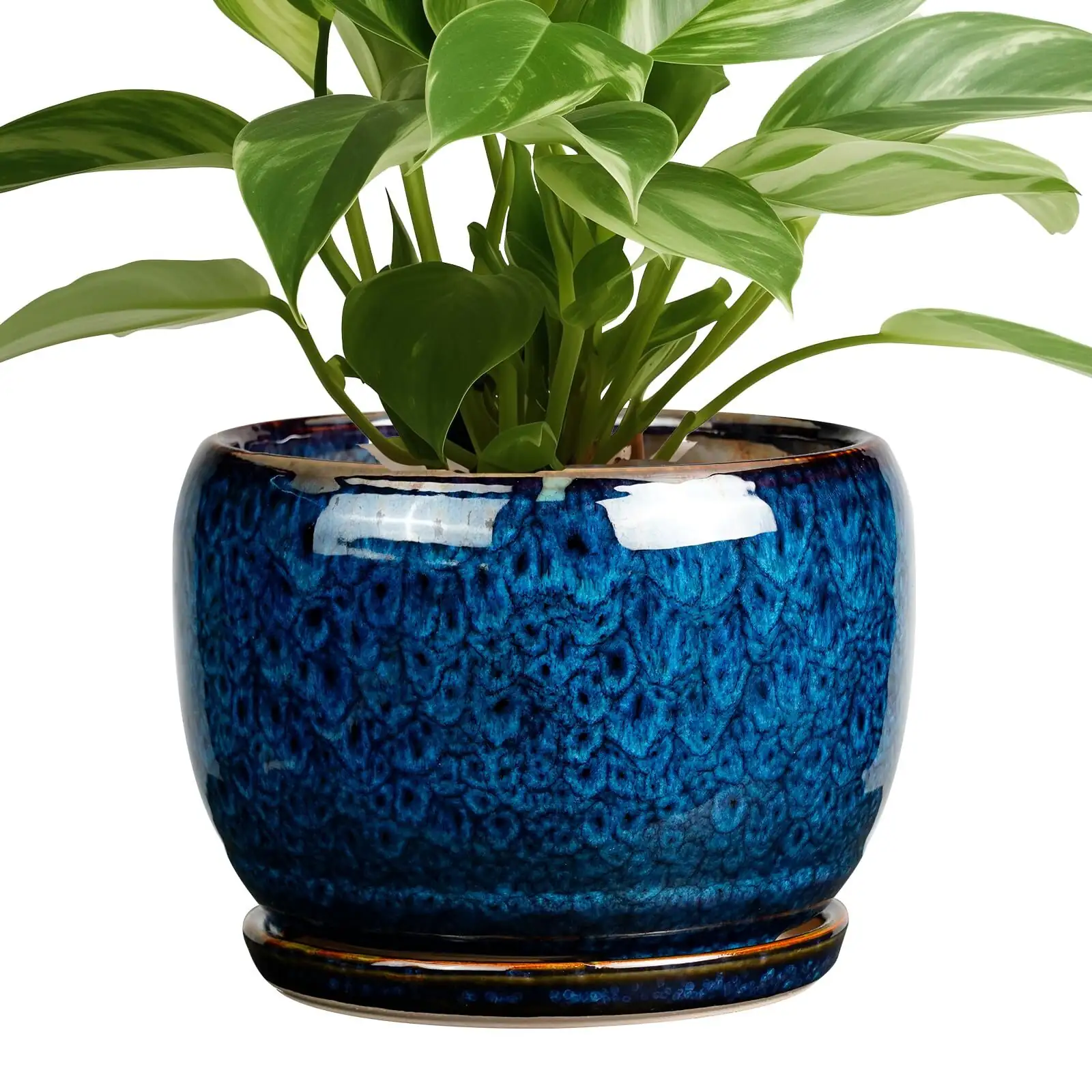
- Pot styling: Choose cobalt or black for sleek focus, or add a gold accent to echo the bracts.
- Placement card: Suggest bright, indirect light and a warm, humid room (bathrooms and kitchens are often perfect).
Thoughtful extras:
- Care cheat-sheet (see below)—it’s a moderate-to-challenging plant until conditions are dialed in.
- Pet and people note: Not widely listed as seriously toxic to cats or dogs, but chewing any houseplant may cause mild stomach upset; sap can irritate sensitive skin.
Feng Shui for welcoming vitality
Contemporary Feng Shui practitioners often read Zebra Plant through the lens of elemental symbolism and flow.
Elemental read: Water lines with a flash of Fire
- Water cues: The flowing white veins and lush, glossy leaf surface suggest movement and purification—classic Water imagery that supports clarity and life-flow.
- A hint of Fire: Golden bracts add a bright, activating spark. Together, the plant carries a lively yet harmonious push-pull of calm flow and energizing shine.
Where to place it (and make it thrive)
- North sector (Career/Path): Many modern practitioners recommend the North to support momentum and opportunities—the Water association is a natural fit. Make sure there’s enough light; a bright North window can work, especially in summer.
- Entryway “hello”: Place it a few feet back from a bright east- or south-facing door to greet guests with upbeat energy. Avoid harsh midday sun on the leaves.
- East or Southeast (Growth/Wealth): In well-lit, warm spots, its robust foliage can symbolize flourishing endeavors and resource flow.
- Bathrooms and kitchens: These warm, humid rooms often meet the plant’s needs perfectly—great for balancing vitality and ease.
Pot color ideas:
- Water-forward: Blue or black pots emphasize flow and focus.
- Balanced spark: Add a gold band or stand to echo the bracts and “switch on” vitality.
Practical caveats:
- Light first, symbolism second—avoid dim corners. Bright, indirect light is the non-negotiable foundation.
- Keep it cozy and draft-free. Temperature swings invite leaf drop.
- Maintain humidity; without it, the energy—and the leaves—fade.
Keep the symbolism alive: a quick care cheat-sheet
- Light: Bright, indirect light to gentle morning sun. Avoid harsh midday rays and very low light.
- Temperature: Best around 15–27°C (59–81°F). For reliable budding, many growers see better results above about 20°C (68°F). Protect from drafts; don’t let winter dips fall below 10–13°C (50–55°F).
- Humidity: Aim for 50–60% minimum; 60–80% is ideal. Use a humidifier, pebble tray, or plant clustering; occasional misting helps in dry rooms.
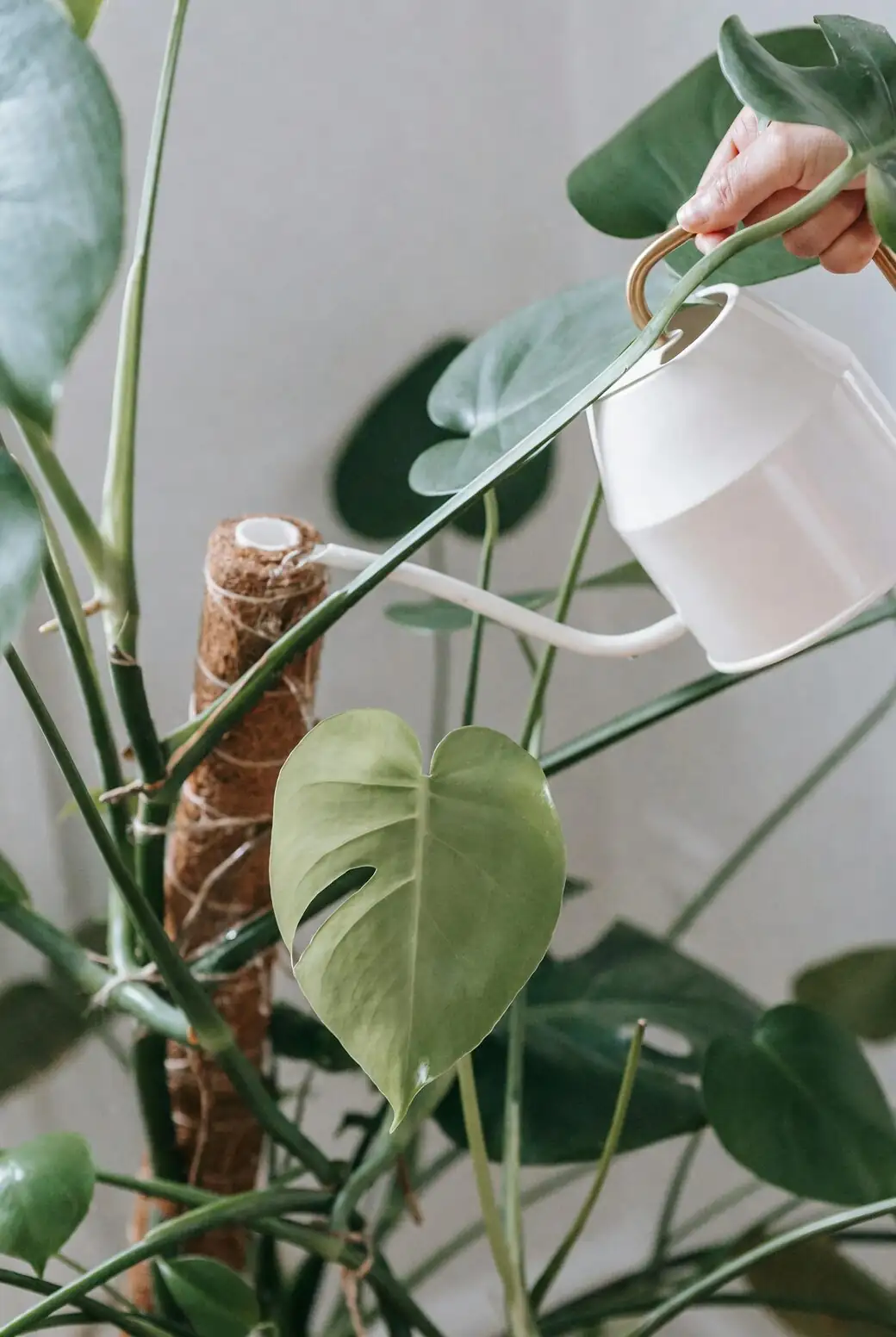
- Watering: Keep the mix evenly moist in spring–autumn—water when the top just begins to dry. In winter, let the surface nearly dry between waterings (often every 7–14 days). Avoid waterlogging and total dry-outs.
- Soil: Rich but airy, moisture-retentive mix—peat/coco base with perlite/bark for drainage and airflow.
- Feeding: Spring–summer, feed every 2 weeks with a balanced liquid fertilizer (half strength if you’re cautious). Reduce or pause in autumn–winter unless growth is active.
- Pruning: After flowering, remove spent spikes and cut stems back to just above lower leaves to encourage branching. Pinch tips to keep it bushy.
- Repotting: Annually in spring (or after bloom) into fresh mix; move up one pot size if rootbound. Typical mature indoor pot: 15–20 cm (6–8 in).
- Propagation: Stem tip cuttings in spring to early summer; 8–15 cm (3–6 in) cuttings root best warm and humid (around 25–27°C / 77–81°F) in an airy medium; expect roots in ~4–5 weeks.
- Pests and pitfalls: Watch for spider mites, mealybugs, scale, and aphids—especially in dry air. Treat early with insecticidal soap or horticultural oil. Overwatering invites root rot; leaf spots can follow poor airflow and wet foliage late in the day.
Cultural echoes and mindful sourcing
Gifting a Zebra Plant nods to Brazil’s Atlantic Forest, where its lineage evolved among waterfalls, warm rains, and dappled canopy light—the very conditions it craves indoors. Choose nursery-grown plants from reputable growers; you’ll celebrate boldness without taking a toll on wild habitats.
Quick answers for the curious gifter
- Do the “yellow flowers” last? The big yellow parts are bracts (modified leaves) and can look great for weeks. The true orange tubular flowers tucked between them are short-lived.
- Why is it dropping leaves? Usually dryness, low humidity, cold drafts, or temperature swings. Re-establish steady moisture, warmth, and humidity above 50%.
- Will it bloom indoors? Yes—especially if it’s kept consistently warm (often above 20°C / 68°F) with bright, indirect light.
- Is it safe around pets? Not widely listed as seriously toxic to cats or dogs, but any nibbling can upset stomachs; the sap may irritate skin. Keep it out of reach.
Bringing it home
Think of Aphelandra squarrosa as a living neon sign for courage and zest. Place it where light is bright, air is warm and humid, and your days could use an extra jolt of confidence. Whether you’re welcoming a friend into a bold new chapter or energizing your own space, this zebra-striped showstopper doesn’t whisper its meaning—it beams it.