

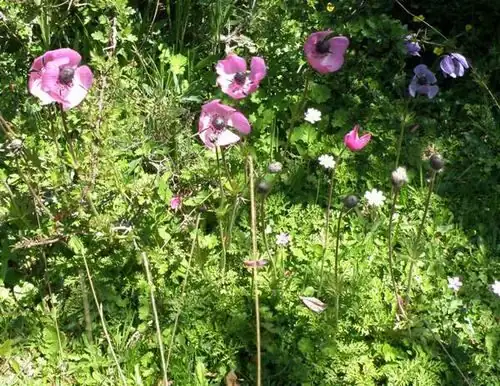
Imagine a hillside along the Mediterranean coast at winter’s end: the air still cool, the light suddenly brighter, a breeze lifting silk-thin petals that weren’t there just yesterday. That is the magic of Anemone coronaria—the windflower, poppy anemone, crown anemone—appearing right on cue to announce that something good is on its way. No wonder its flower language leans toward anticipation and hope. The plant’s own life rhythm and the way its petals flirt with passing air write that message for us.
Meet the windflower (Anemone coronaria)
- Origin: Mediterranean coastal regions, where mild, moist winters and springs suit it perfectly.
- Habit: A cool-season, tuberous perennial with a compact build; fresh, finely divided foliage supports upright stems.
- Blooms: Vivid, papery, poppy-like flowers in red, pink, purple, blue, and white—often looking as if a breeze just ruffled them (hence “windflower”).
- Seasonality: A spring flowerer that relishes bright light and even moisture while growing; when summer heat arrives (and, in very cold winters too), the tubers naturally slip into dormancy and wait for the next cool season.
- Beloved uses: Lively container displays, mixed spring borders, and especially long-lasting cut flowers. Note: they’re ethylene-sensitive, so keep blooming plants and cut stems away from ripening fruit.
Why its flower language says “anticipation” and “hope”
The windflower’s message isn’t a human invention slapped onto a bloom; it’s a reading of the plant’s biology.
- Early-spring timing: Anemone coronaria wakes the garden while winter is still loosening its grip. Those first buds promise a season to come—a living metaphor for hopeful expectation.
- Breeze-touched poise: The airy, finely cut foliage and light, papery petals move with the slightest wind. The name “anemone” echoes the Greek anemos—wind—suggesting flowers opened or coaxed by a passing breath. It feels like the world whispering, “Soon.”
- Brief but luminous: The display is concentrated in the cool season; then the plant rests. This rise-and-rest cycle sharpens our sense of the moment and of what’s ahead—another reason cultures have read it as hope.
- Watchful opening: Many anemones open wider in bright light and can close in cold or low light, a habit that has long fed weather lore. That daily rhythm—wait, open, rest—enacts anticipation in miniature.
In the garden and in the vase
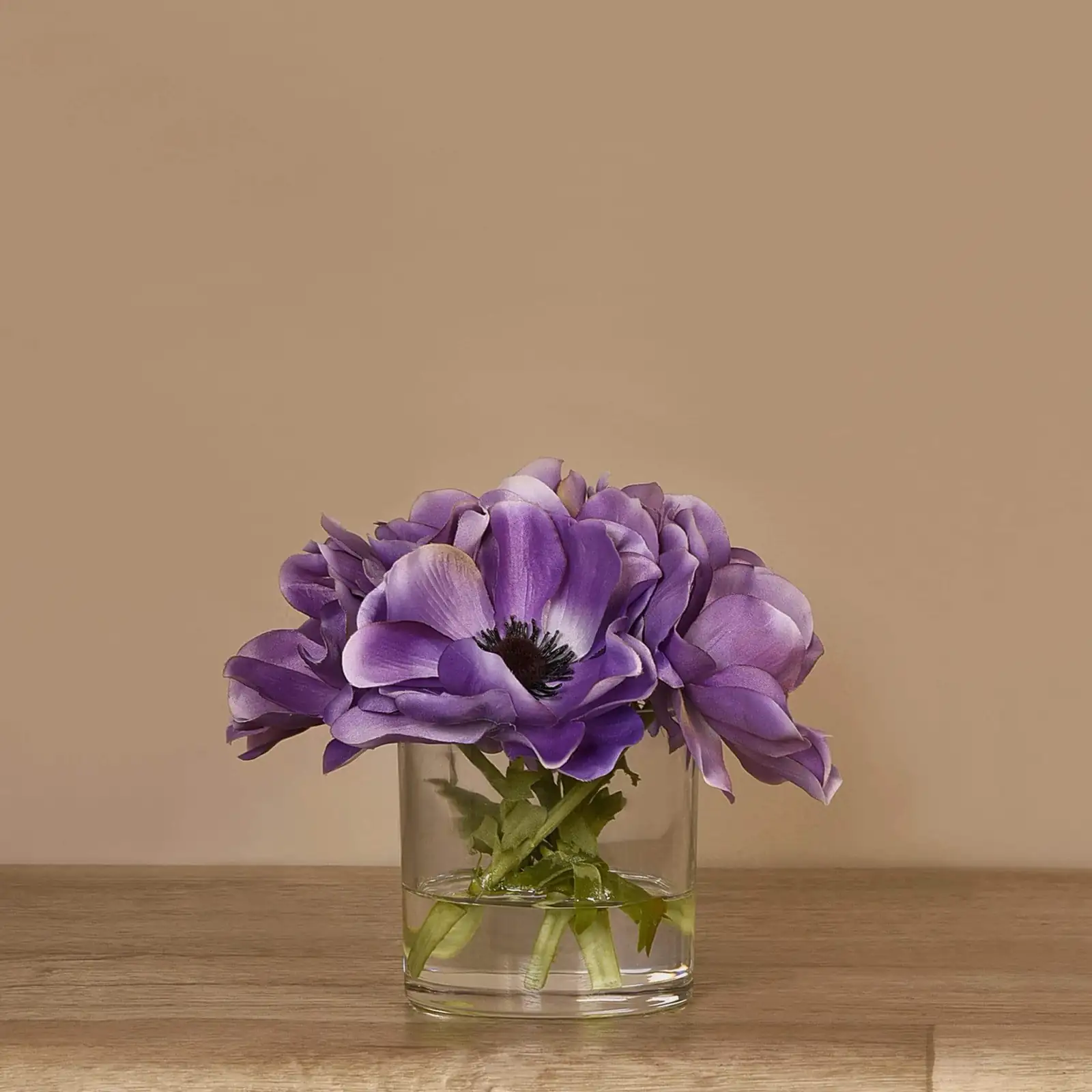
- In gardens: They surge when conditions are right, then quietly retreat—teaching patience as you await their next return.
- In vases: Cut stems just as the petals begin to lift from the center for the best vase life. You’ll watch the flower slowly unfurl indoors—day by day anticipation, writ small.
- Pro tip: Keep cut anemones away from ripening fruit (ethylene shortens bloom life).
Greek winds, love, and loss: the myths that deepen the message
The windflower’s meanings stretch back over two millennia. In Greek myth, Aphrodite’s mortal lover Adonis is killed; from the mingling of her tears and his blood, red anemones arise. The story weds love to transience: beauty that arrives with intensity and vanishes too soon. That tension—between hope and the costs of love—still clings to the flower.
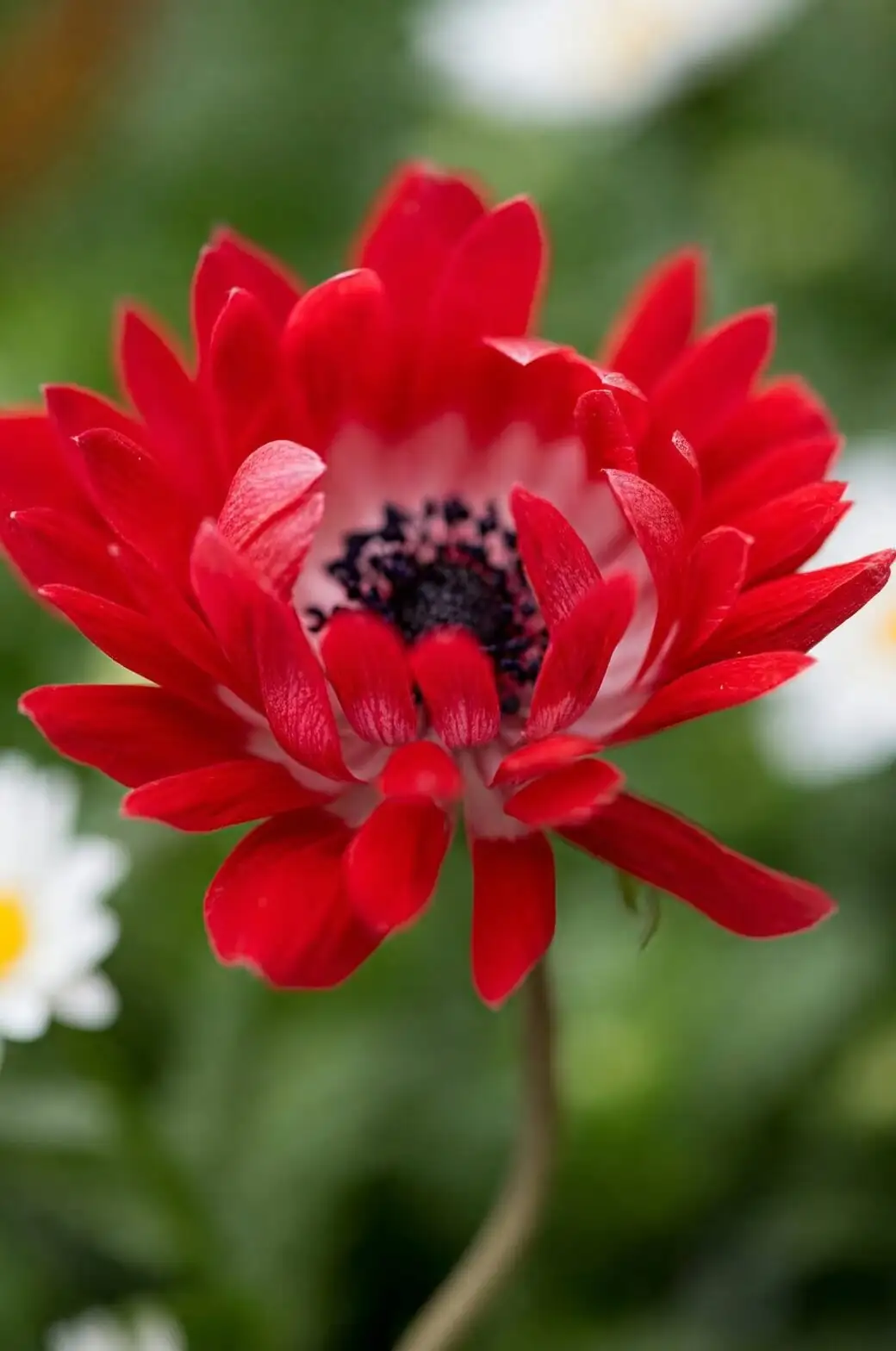
- Etymology: From Greek anemos, wind—tying the plant to movement and change.
- Mythic resonance: Red anemones often carry undertones of passion edged with grief. Even so, the plant’s spring emergence keeps pulling the meaning back toward hope.
Color cues and regional nuances
Color gently steers the message. These are common readings—think of them as accents, not rigid rules.
- Red: Passion and remembrance, a nod to Aphrodite and Adonis; in some traditions, also grief.
- White: Sincerity, purity, and new beginnings—easy choices for weddings and sympathy.
- Purple/Blue: Calm, dignity, and a protective aura in several European interpretations.
- Pink: Tender affection and quiet anticipation—gentle, optimistic, and modern-feeling.
Regional notes:
- Eastern Mediterranean: Wild fields of Anemone coronaria—called kalanit in Hebrew—are a beloved spring sight. As décor, they read as joyful heralds of the season, ideal for welcoming spring indoors.
- Western Europe & North America: Echoes of Victorian floriography linger. Red can hint at love shadowed by absence, while mixed brights sing of springtime optimism. White remains a graceful sympathy choice.
- Parts of East Asia: Darker reds can carry somber notes or misfortune in some contexts. For congratulatory gifts, lean toward white, pink, or blue to keep the message uplifting.
- Christian symbolism: In historic art, red anemones sometimes allude to the Passion; whites suit occasions emphasizing purity and renewal.
Gifting guide: say “I’m looking forward to what’s next” beautifully
- New chapters (engagements, home moves, graduations): Mixed brights or pinks and whites. Message: “Good things are coming.”
- Romantic gestures:
- Sweet beginnings: White + pink for sincerity and hopeful tenderness.
- Deep devotion: Red for intensity—add a note if you want to steer the tone toward enduring love rather than loss.
- Sympathy and remembrance: Whites with touches of blue or a single deep red bloom acknowledge both fragility and hope.
- Seasonal hospitality: A low bowl of windflowers on the spring table feels like opening a window to fresh air.
Etiquette to remember:
- Avoid combining anemones and daffodils in the same vase; daffodil sap can soften anemone stems.
- Keep arrangements away from ripening fruit to prevent ethylene-related premature fading.
Styling and décor: let the breeze speak indoors
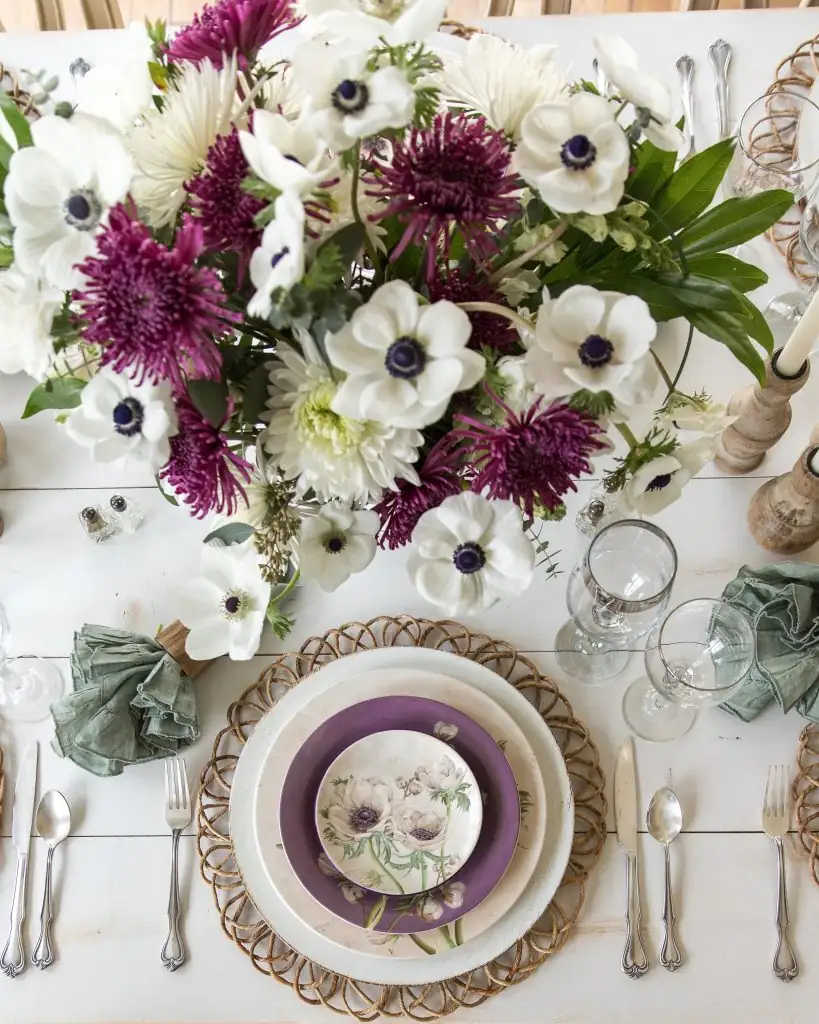
- Design vocabulary: Give anemones room to breathe; let some buds be shy while others are mid-unfurl for a sense of becoming.
- Pairings: Ranunculus, tulips, and airy spring branches complement their papery petals and cool-season spirit. Use daffodils nearby, not in the same water.
- Vessels: Matte ceramics, hand-thrown pitchers, or weathered terracotta echo their Mediterranean roots and make colors pop.
- Tablescapes: Scatter petite bud vases along a table so each guest witnesses a bloom mid-transformation—a literal centerpiece of anticipation.
Grower’s corner: cultivate the symbolism at home
Want the meaning to start at your doorstep? Grow a pot or two—simple and deeply satisfying.

- Light and temperature: Bright light to full sun in cool conditions; best growth around 15–20°C (59–68°F). Provide part shade as weather heats up.
- Water and soil: Keep evenly moist during active growth, never waterlogged. Use rich, sharply drained soil (compost or leaf mold with fertile loam and coarse sand).
- Planting tips:
- Containers: A 12–15 cm (4.7–5.9 in) pot suits three tubers planted about 1.5 cm (0.6 in) deep.
- Garden beds: Plant 5–7 cm (2–2.8 in) deep in a raised, well-drained spot.
- Pre-plant ritual: Rehydrate tubers in water or damp sand for even sprouting. After planting, water lightly at first; increase as growth appears.
- Seasonal rhythm: Expect dormancy in summer heat (and sometimes in very cold winters). Leaves yellowing out then disappearing? That’s rest time, not a failure.
- Cut-flower know‑how: Harvest when petals just begin to lift from the center; condition away from fruit; enjoy a long, graceful opening.
- Health and safety: Good airflow helps prevent rust and gray mold. Aphids like tender stems—manage early. Like many Ranunculaceae, the plant can irritate skin and is harmful if ingested; keep from pets and children.
Why this message endures
Anemone coronaria doesn’t merely symbolize anticipation—it stages it. Buds hover at the edge of bloom, petals quiver at a breath of air, the whole plant leans into the cool light of spring and then withdraws, promising to return. Myth lends it tenderness; biology supplies the script. Gift or grow the windflower when you want to say, with grace and honesty: I’m hopeful, I’m waiting with you, and the breeze is already changing.