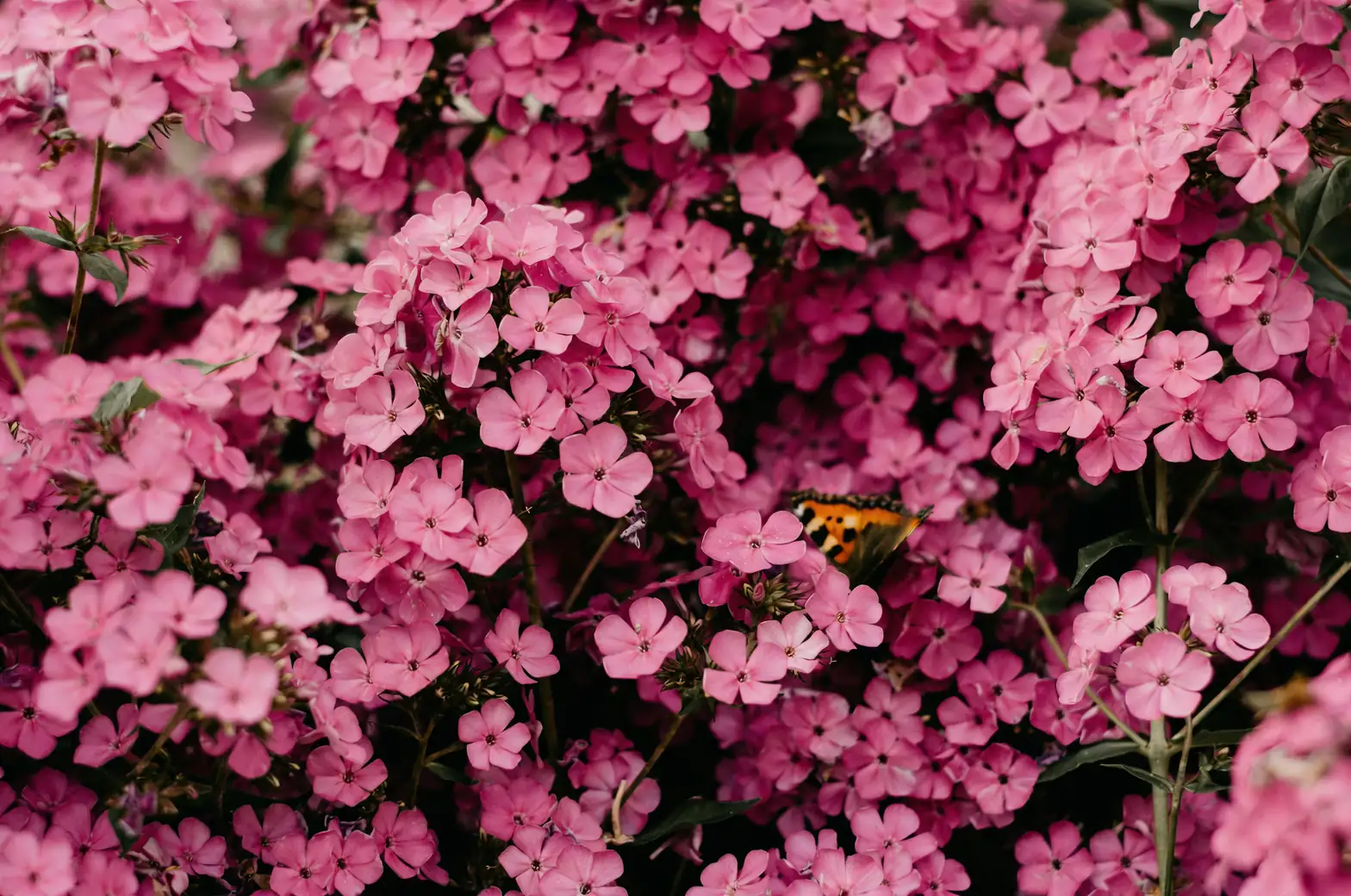
Victorian parlors once hummed with a secret language. A bouquet wasn’t just pretty—it was a sentence, a sigh, sometimes even a scandal. Among those whispered messages, the starry clusters of Phlox drummondii—annual phlox—spoke in chorus rather than solo, carrying a meaning that felt both tender and unshakeable: harmony and unity. Today, that same chorus still rings clear in wedding aisles, on sunny porches, and in small, thoughtful gifts meant to say, “We’re in this together.”
Meet Phlox drummondii: the “flame” that blooms in chorus
- Common names: Annual Phlox, Drummond’s Phlox, Medium Phlox
- Family: Polemoniaceae (the phlox family)
- Native origin: Texas, United States
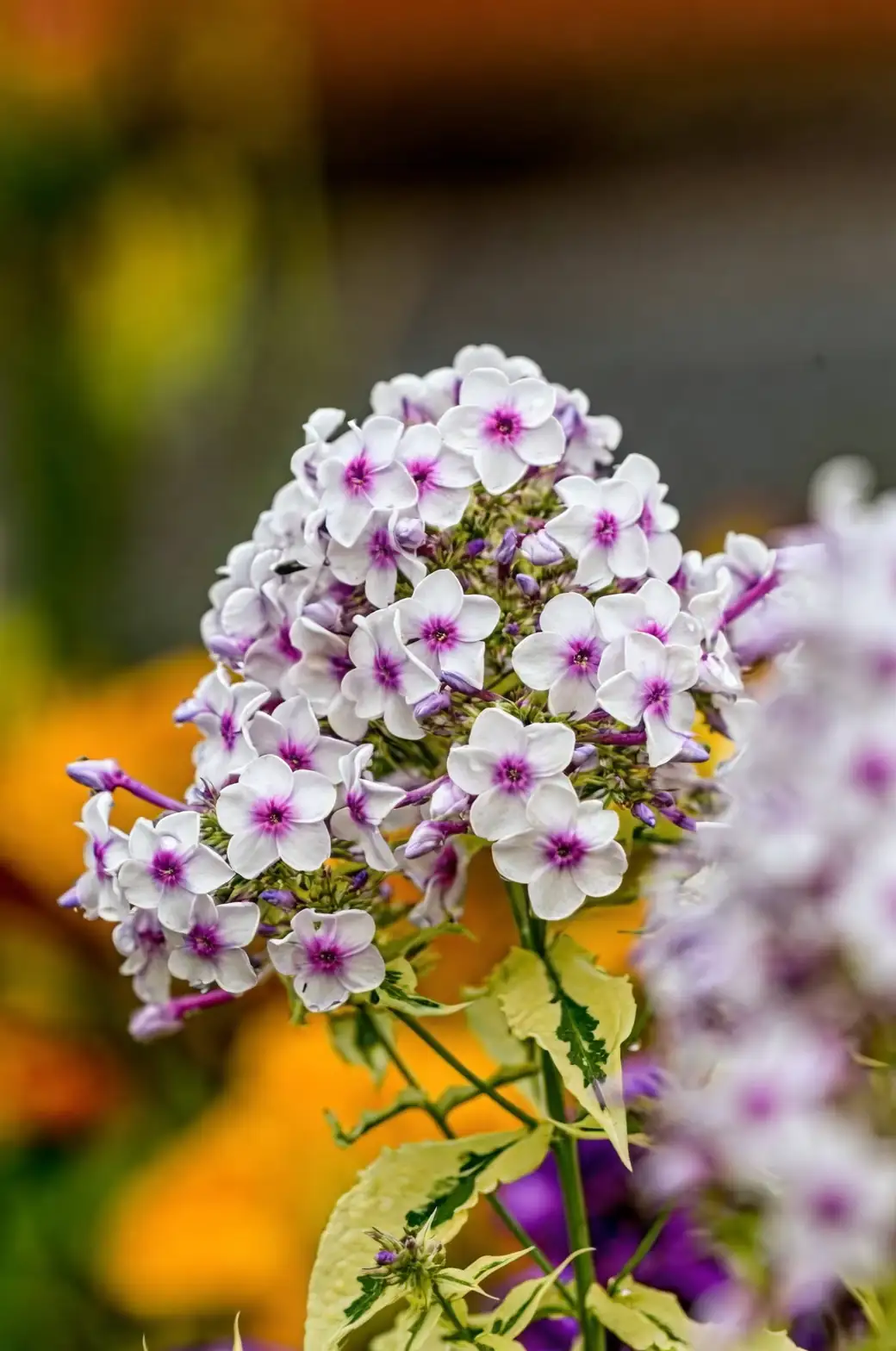
- Looks and habit: Compact, mounded plants about 6–24 inches tall with tight clusters of five-petaled, star-shaped blooms.
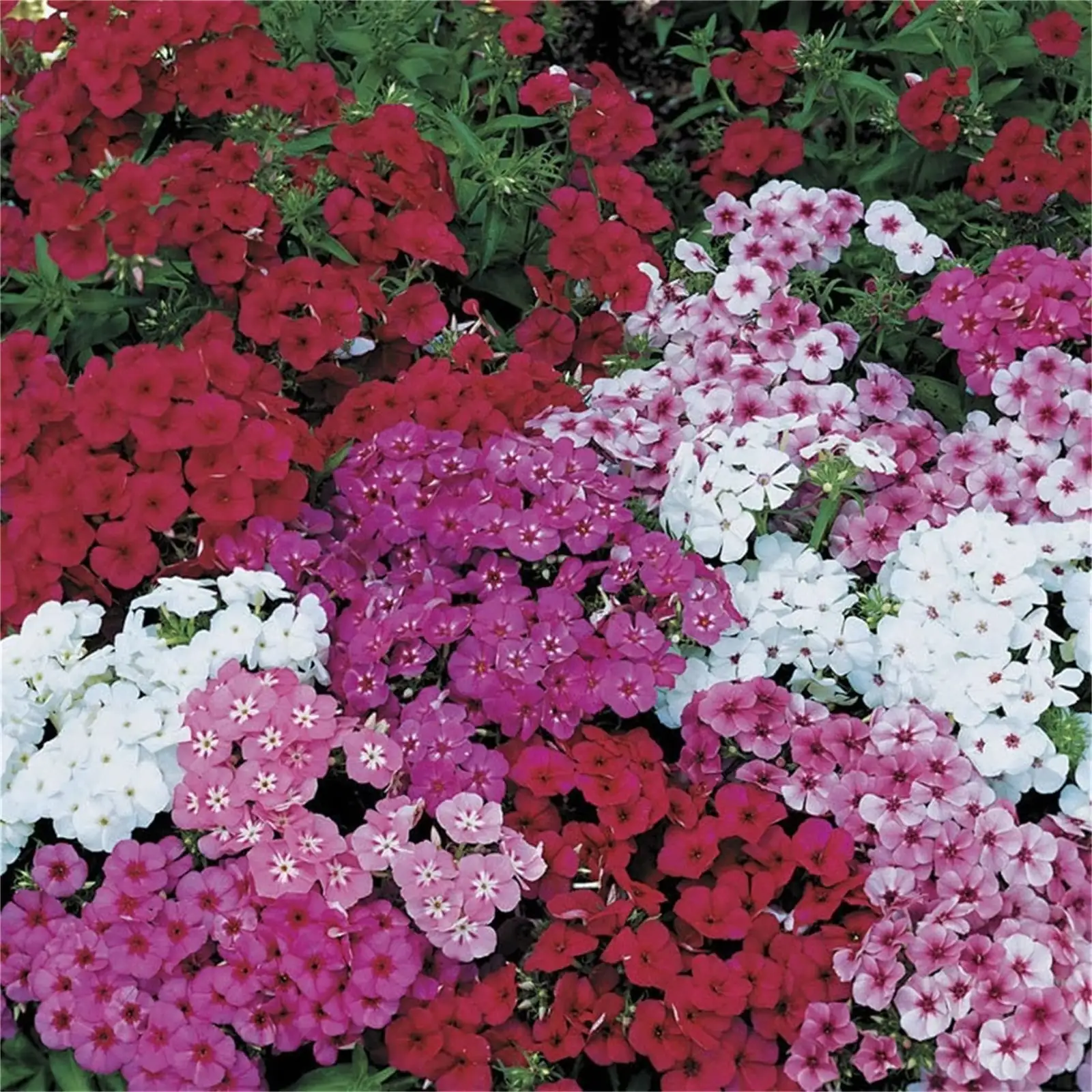
- Colors: White, pink, purple, red, orange, and irresistible bicolors—often with a contrasting “eye.”
- Bloom time: Mid-spring to mid-summer, with more flowers if you keep deadheading.
- Pollinator appeal: A magnet for bees, butterflies, and even hummingbirds.
“Phlox” comes from the Greek for “flame”—a nod to those vivid hues and the blaze of color they create in beds, borders, and containers. In folklore, one Greek tale links phlox to the torchlight of Odysseus’ men; whether or not you buy the myth, the imagery fits: a glowing mass of tiny stars lighting the garden.
How floriography took root—and why phlox meant harmony
The Victorian “language of flowers,” or floriography, blended older European symbolism with ideas travelers encountered abroad, then codified everything in wildly popular dictionaries. The concept was simple: each flower carried a message. When strict etiquette limited what could be spoken aloud, a tussie-mussie could do the talking.
So why did phlox get harmony and unity? Look closely and you’ll see the logic. Annual phlox blooms in close-knit heads, dozens of starlets gathered together—many small voices forming one bright chord. Victorian lists recorded phlox as “our souls are united,” “we think alike,” and even “sweet dreams,” cementing it as a flower for togetherness, peace, and convivial welcome.
A Texas traveler wins Victorian hearts
Annual phlox is native to Texas, where it spills across roadsides in spring. In the 1830s, Scottish plant collector Thomas Drummond sent seed to Britain, and European gardeners quickly fell for its “clouds of color.” From there, annual phlox marched straight into cottage borders and into the lexicon of floriography.
Color-by-color meanings to send the right message
- Pink phlox: Affection, gentle romance, and warm friendship. Think: “I care for you,” or “you make life softer.”
- White phlox: Purity, sincerity, and new beginnings. A quiet, hopeful note—ideal for weddings or housewarmings.
- Purple phlox: Wisdom and spirituality; a thoughtful choice for deep admiration or soulful support.
- Red phlox: Passion and devotion; say “my heart is sure” without a single word.
Note: Bicolors and those with a contrasting “eye” can underscore the theme of unity-in-diversity—one bloom, many tones.
Modern gifting ideas that feel fresh (and heartfelt)
- For reconciliation or renewed partnership: A mixed bundle of pink and white phlox to say, “We think alike again; let’s start fresh.”
- For a close friend or sibling: Pink and purple for affection + wisdom—“you’re loved and understood.”
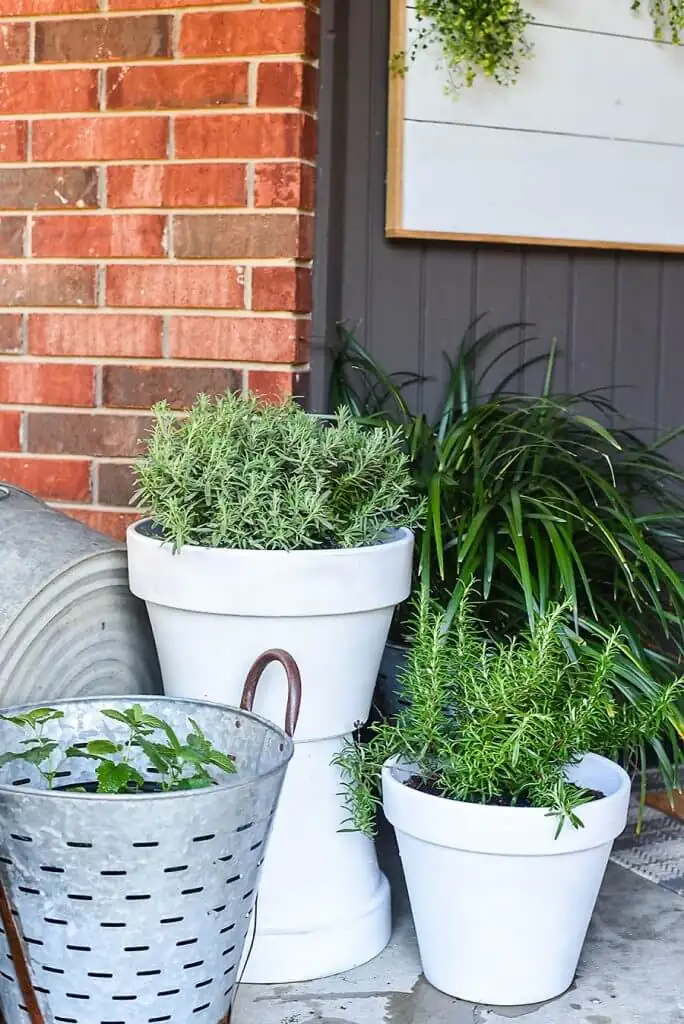
- For a housewarming: White phlox in a patio pot, the classic welcome-and-sweet-dreams gesture.
- For team wins or collaborations: A desk-friendly posy or small planter of varied colors to celebrate unity and shared effort.
- For anniversaries: Red phlox threaded with a few white stems to blend passion with steadfast sincerity.
Design tip: Annual phlox pairs beautifully with other cottage darlings—feathery grasses, feverfew, baby’s breath, snapdragons, or small garden roses—creating that effortless, “we belong together” look.
Weddings: weaving unity into every detail
- The symbolism: Phlox is about partnership and harmony—perfect for vows, families blending, and friends gathering.
- Where to use it:
- Bridal and bridesmaids’ bouquets (white for new beginnings; add pink or purple for warmth and depth)
- Boutonnières and corsages (a single cluster makes a sweet, textural accent)
- Aisle meadows and altar arrangements (dense clusters read beautifully from a distance)
- Welcome table or seating chart florals (a quiet nod to togetherness right at the door)
- Cake styling: Use food-safe practices and barriers; the flowers are ornamental and not for eating.
- Seasonal note: Peak bloom runs roughly April–July. If your date sits in that window, annual phlox can star in both ceremony and reception designs.
Home energy: inviting harmony indoors and out
- Threshold magic: Plant containers of white or soft-pink phlox by the front door—an instant “come on in” that feels gracious and calm.
- Balcony or window boxes: Those sweet, starry clusters read like a lullaby in evening light—a lovely backdrop for conversation and rest.
- Pollinator joy: Phlox draws bees and butterflies, animating patios with gentle motion. In many traditions, lively-yet-peaceful nature energy is the best kind.
Quick grower’s cheat sheet (for gifts you can grow)
- Sun: Full sun (6–8 hours) for the heaviest bloom; in very hot summers, light afternoon shade helps.
- Soil: Well-drained, fertile soil enriched with compost; neutral to slightly alkaline suits it well.
- Water: Keep evenly moist but never soggy; water at soil level to prevent powdery mildew.
- Airflow: Space plants about 18–24 inches apart to reduce fungal issues.
- Bloom care: Deadhead to keep the chorus going from mid-spring to mid-summer and beyond.
- Hardiness: Typically grown as an annual; not frost-hardy, so plant after danger of frost.
- Extra credit: Pinch back early stems for bushier plants and more flower clusters.
Style notes for arrangements and bouquets
- Harvest with plenty of buds just starting to open—they’ll unfurl in the vase for a longer show.
- Recut stems at an angle, strip leaves below the waterline, and refresh water every 1–2 days.
- Let phlox play the “supporting cast” to a few focal blooms, or mass it for that Victorian “cloud” effect.
Why this symbol still sings today
Annual phlox doesn’t shout. It harmonizes. In an age that prizes connection—between partners, families, teams, even neighbors—its meaning feels beautifully current. Whether you tuck a few stems into a letter, mass it along a garden path, or gift a pot for a new home, Phlox drummondii carries the same message Victorians loved: many hearts, one chorus.
A final bit of lunar lore: the April full moon is often called the Pink Moon, a seasonal wink to wild phlox announcing spring. Fitting, isn’t it? Harmony rising with the light.