

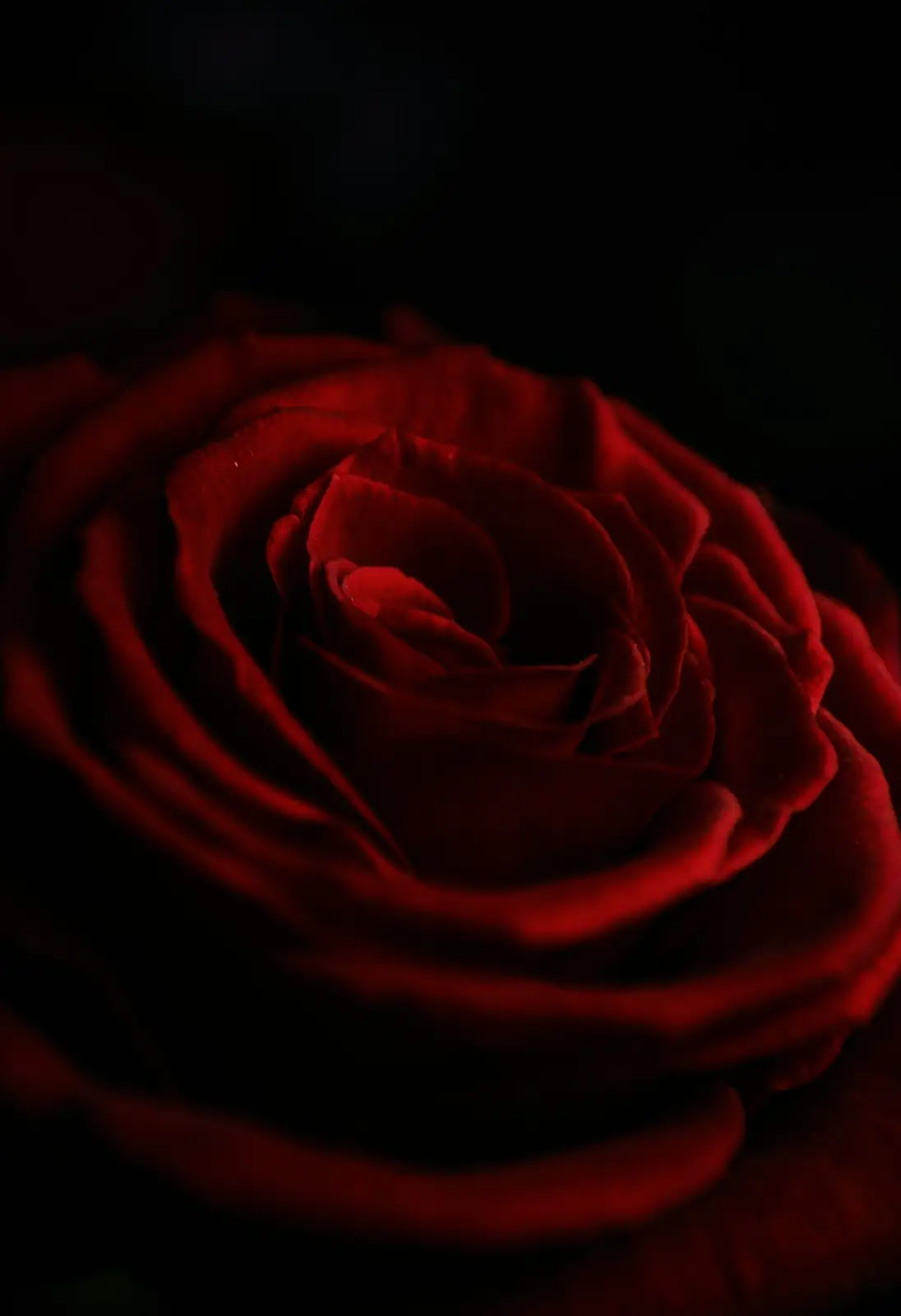
Echeveria ‘Red Taurus’ looks like a small ember that learned to arrange itself into perfect geometry—tight rosettes of wine-red leaves below and, in summer, upright wands topped with red-and-yellow bells above. It’s no Victorian-era flower with a tidy line in the language-of-flowers books. Instead, its meaning is unmistakably modern, born from succulent culture, color symbolism, and a name that nods to the zodiac’s steadfast bull.
A quick botanical snapshot
- What it is: A horticultural selection often sold simply as “Red Taurus,” in the stonecrop family (Crassulaceae), genus Echeveria.
- Origins: Garden origin; Echeveria species are native mainly to Mexico and Central America.
- Look and habit: Tight, symmetrical rosettes that deepen to burgundy or wine-red in strong light; offsets gradually to form a cluster. In summer, it sends up 20–40 cm (8–16 in) flower stalks bearing bicolored red-and-yellow blooms.
- Light and color: The richer the light (with gentle protection from extreme afternoon scorch), the richer the red.
No Victorian floriography—and why that matters
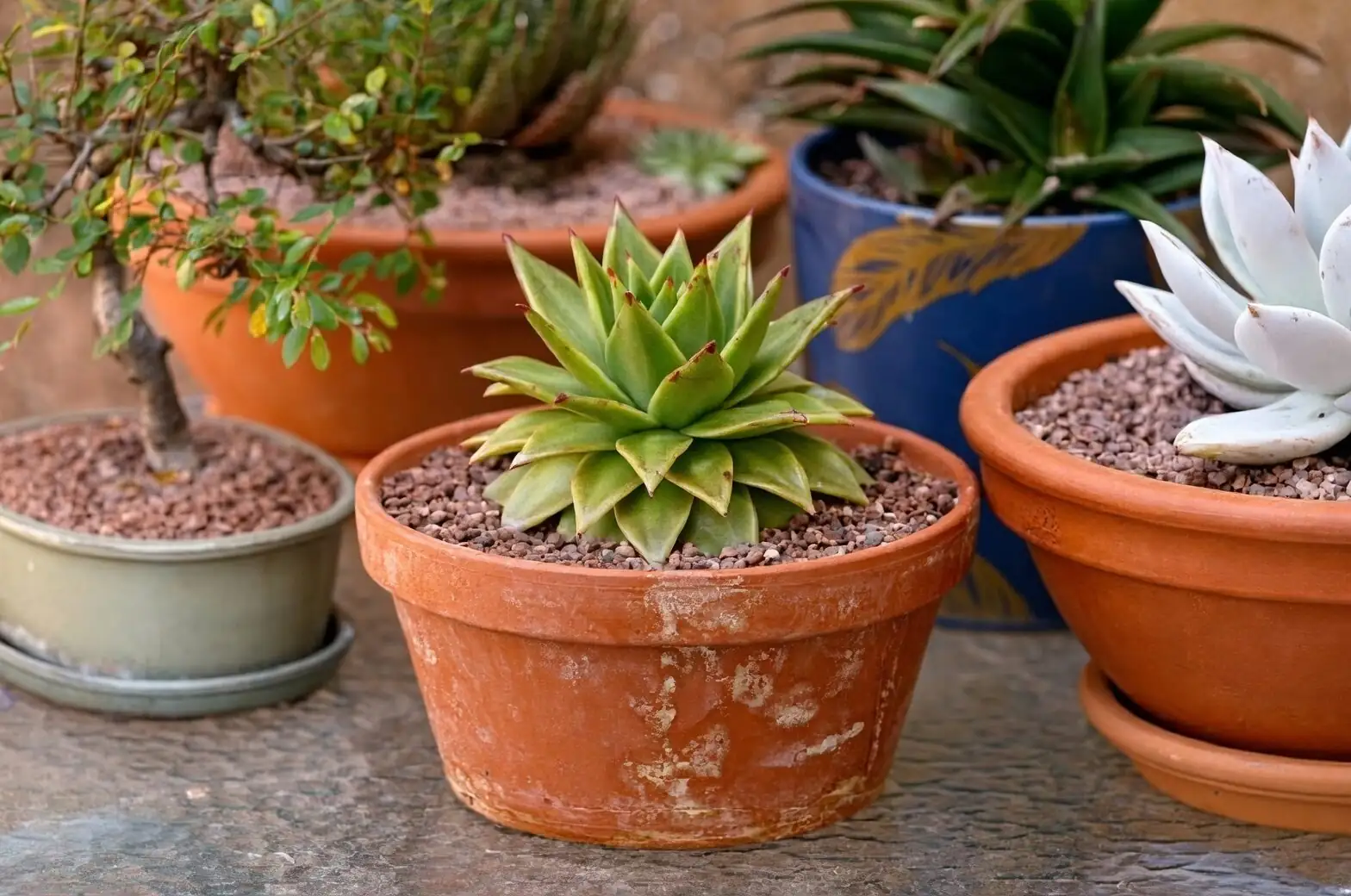
You won’t find Echeveria ‘Red Taurus’ in classic 19th‑century floriography. Those lists focused on cut flowers and shrubs common to Victorian gardens and parlors; modern succulents—especially named cultivars—don’t have entries. That absence frees ‘Red Taurus’ from inherited scripts. Its “flower language” emerges from:
- Contemporary succulent culture (what these plants mean to today’s collectors),
- Widely shared color symbolism, and
- The evocative power of its name.
How modern succulent culture shaped its meaning
Succulents thrive where others falter. They store water, tolerate drought, and ask for restraint more than fuss. Over the last decade, that resilience has made succulents emblems of:
- Endurance and perseverance: surviving dry spells (literal and metaphorical).
- Self-reliance and independence: low-maintenance beauty that doesn’t demand constant attention.
- Quiet strength: a compact rosette holding steady form in bright sun and lean soil.
- Regeneration: offsets and leaf cuttings echo the theme of renewal after pruning or setback.
For ‘Red Taurus,’ the message sharpens: tough-but-beautiful endurance with a steady, grounded core.
The power of red: celebration, fire, and good fortune in East Asian symbolism
In many East Asian traditions, red carries fire’s spark and a festival’s joy. It colors weddings, Lunar New Year envelopes, and door charms because it’s linked to vitality, celebration, and the warding off of misfortune. ‘Red Taurus’ channels that cultural palette in two ways:
- Its deep wine-red foliage suggests warmth, courage, and life force.
- Its summer flowers—red washed with yellow—read as celebratory accents above the rosette, like lanterns lifted high.
When gifting across these contexts, ‘Red Taurus’ can signify “may your fire burn bright” or “steady prosperity and joy,” especially when paired with a red or gold pot.
Taurus in the name: the steadfast bull
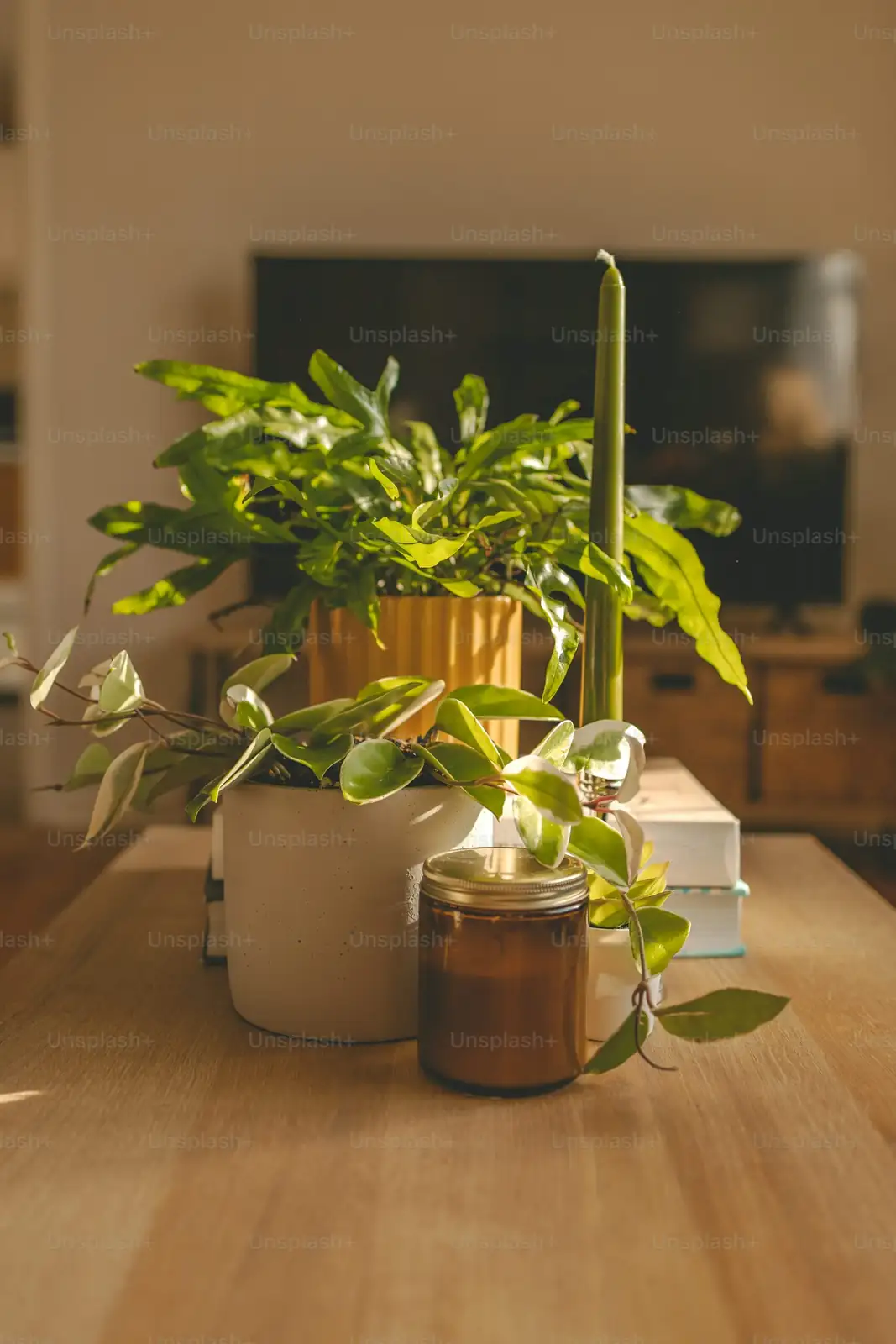
The cultivar’s name evokes the Western astrological Taurus—patient, grounded, and reliable, with a love of tangible beauty. While the name is horticultural branding rather than a historical link, it rings true:
- The plant holds a compact, orderly rosette—think calm, consistent shape rather than whirlwind growth.
- It asks for steady conditions: strong light, sparse watering, and time.
- Over months and years, it forms a sturdy clump, a slow-built testament to persistence.
Read symbolically, ‘Red Taurus’ becomes a talisman for sticking with the work until the harvest arrives—beauty amassed leaf by leaf.
Feng shui placements: inviting steady, fire-kissed abundance
Feng shui works with qi (energy flow) and the Five Elements. Soft-leaved succulents like Echeveria are often considered gentler than spiny cacti indoors, and many practitioners use them to symbolize life force, modest prosperity, and protection. For ‘Red Taurus,’ consider placements that align both symbolism and plant health:
- Southeast (Wealth/Abundance)
- Meaning: Cultivates a slow-and-steady prosperity.
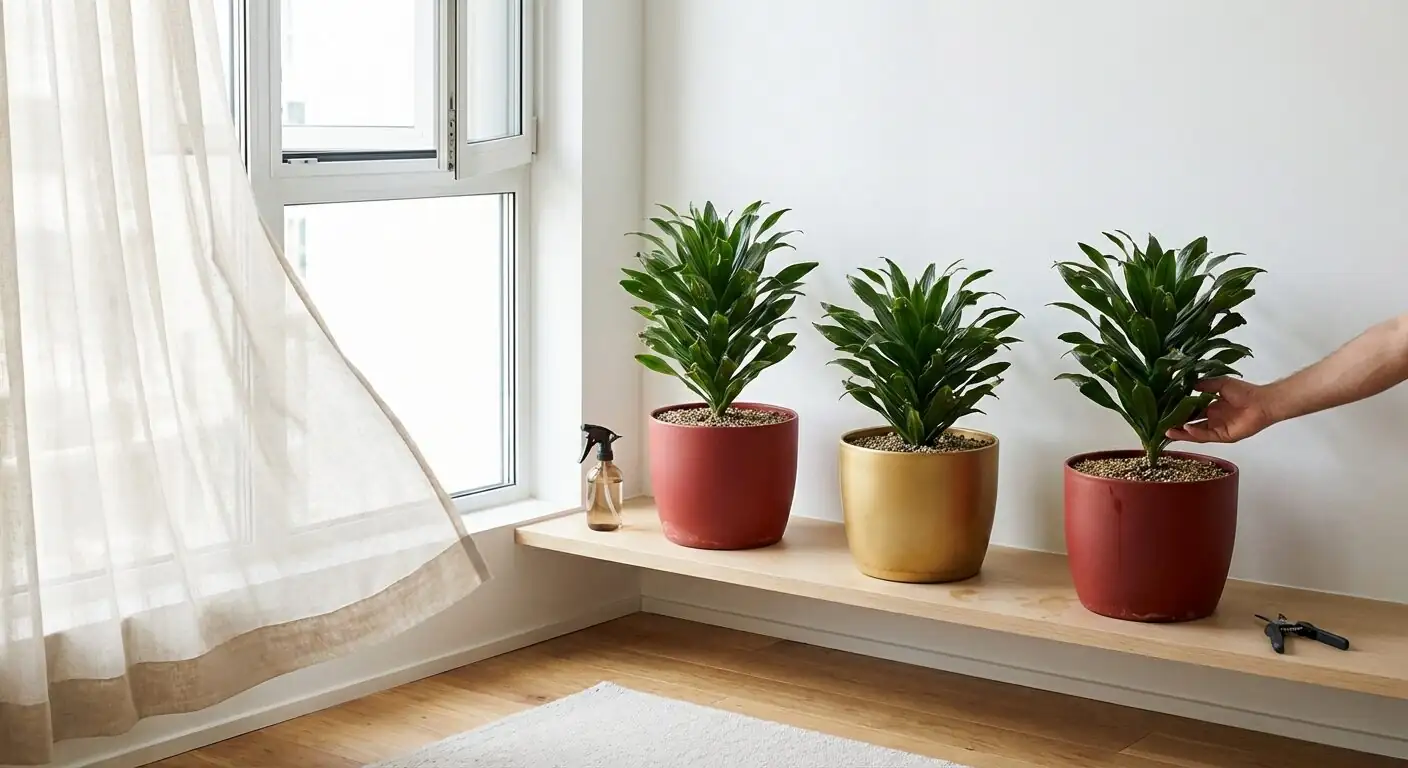
- Tip: A red or gold container harmonizes with abundance themes; groupings of three or nine are traditionally considered auspicious.
- South (Fame/Reputation; Fire)
- Meaning: Amplifies the plant’s fiery red tones and celebratory energy.
- Tip: This area is bright in many homes—good for keeping the foliage richly colored.
- East (Health/Family; Wood)
- Meaning: Supports renewal and growth; ‘Red Taurus’ adds a resilient, uplifting note here.
Practical cautions:
- Give it bright light to full sun—about 4–6+ hours daily for the best color. In very hot climates, offer light afternoon shade to prevent scorching.
- Keep energy (and airflow) moving: avoid blocking doors or crowding dark corners.
- Water deeply, then let the soil dry completely; avoid letting water pool in the rosette.
Gifting ideas—and the message on the tag
- Housewarming: “May your home be steady in fortune and warm in joy.”
- Graduation or a new venture: “Endurance rewarded—build your legacy, leaf by leaf.”
- Recovery and resilience: “Quiet strength, renewed daily.”
Pair with a red or gold pot for celebratory flair; place a second plant to form an auspicious duo where partnership is honored.
Living the symbolism: a simple care ritual that teaches patience
- Light: Bright light to full sun; more sun = deeper red. Protect from extreme scorch.
- Water: Soak and dry. In the growing season, that’s often every 7–14 days; in winter, monthly or less, depending on how fast the mix dries. Always water at soil level; keep the crown dry.
- Soil: Fast-draining succulent mix with mineral grit (pumice/perlite).
- Temperature: Best at 15–27°C (59–81°F); protect from frost.
- Bloom: Summer flower stalks with red-and-yellow bells; trim spent stalks to tidy.
- Safety: Generally non-toxic to people and pets, though nibbling may cause mild stomach upset.
Caring well for ‘Red Taurus’ is an act of paced attention—the very endurance it symbolizes.

Where these meanings come from
- Modern succulent culture: Their drought tolerance and low-maintenance nature inspire themes of resilience, self-reliance, and quiet strength.
- Color symbolism in East Asia: Red is linked with fire, celebration, vitality, and protective good fortune; yellow accents echo joy and brightness.
- The cultivar name: “Red Taurus” borrows Taurus’s archetype—steadfast, patient, grounded—from Western astrology to frame how we interpret the plant’s character.
- Feng shui practice: Many practitioners place succulents in the southeast (wealth) or east (health/family), favor odd-number groupings, and use red/gold containers to harmonize with desired energies.
In short, ‘Red Taurus’ didn’t inherit a meaning from Victorian lists—it earned one in today’s homes and studios: endurance that glows, self-reliance that celebrates, and beauty that stays the course.