
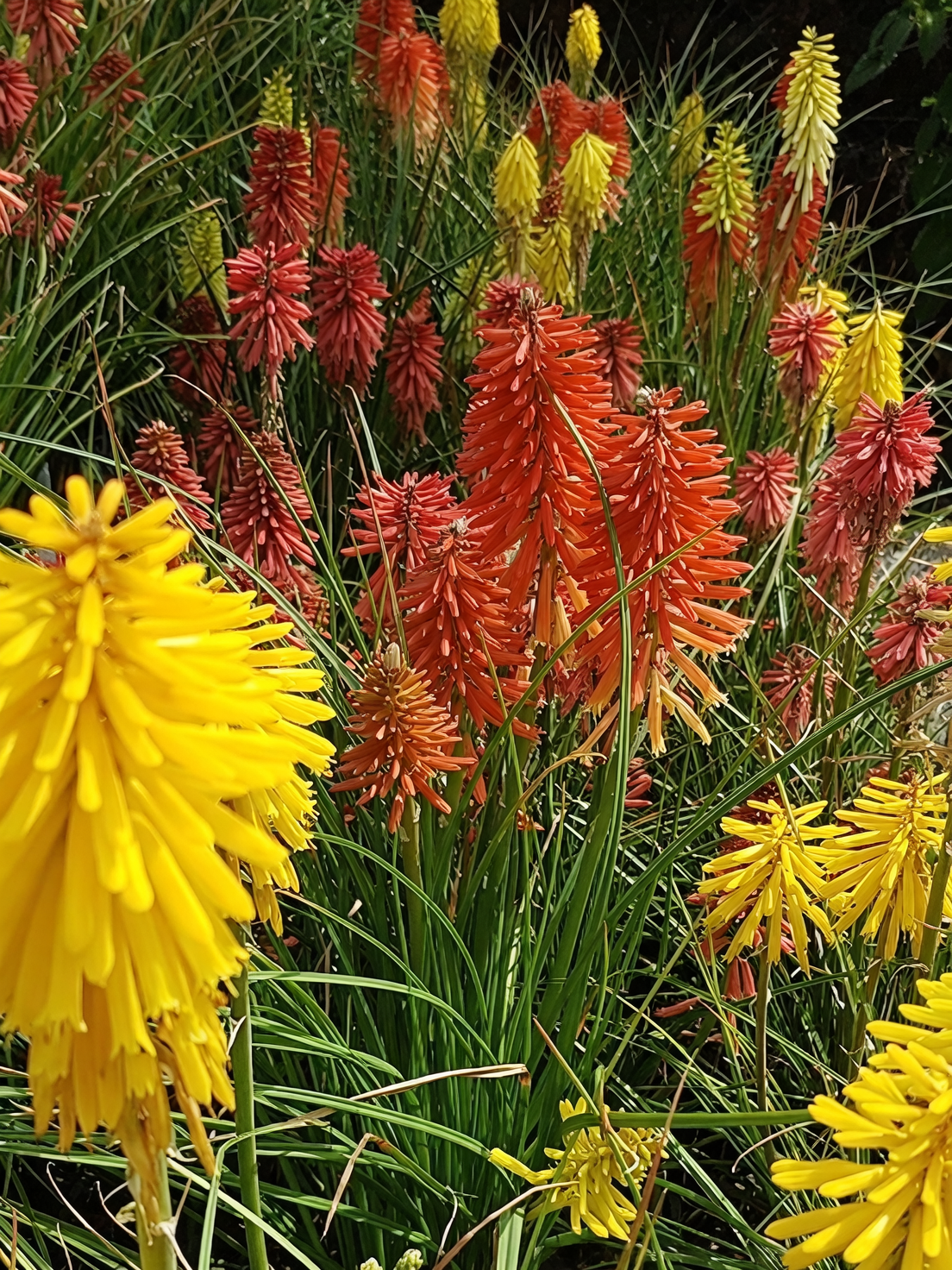
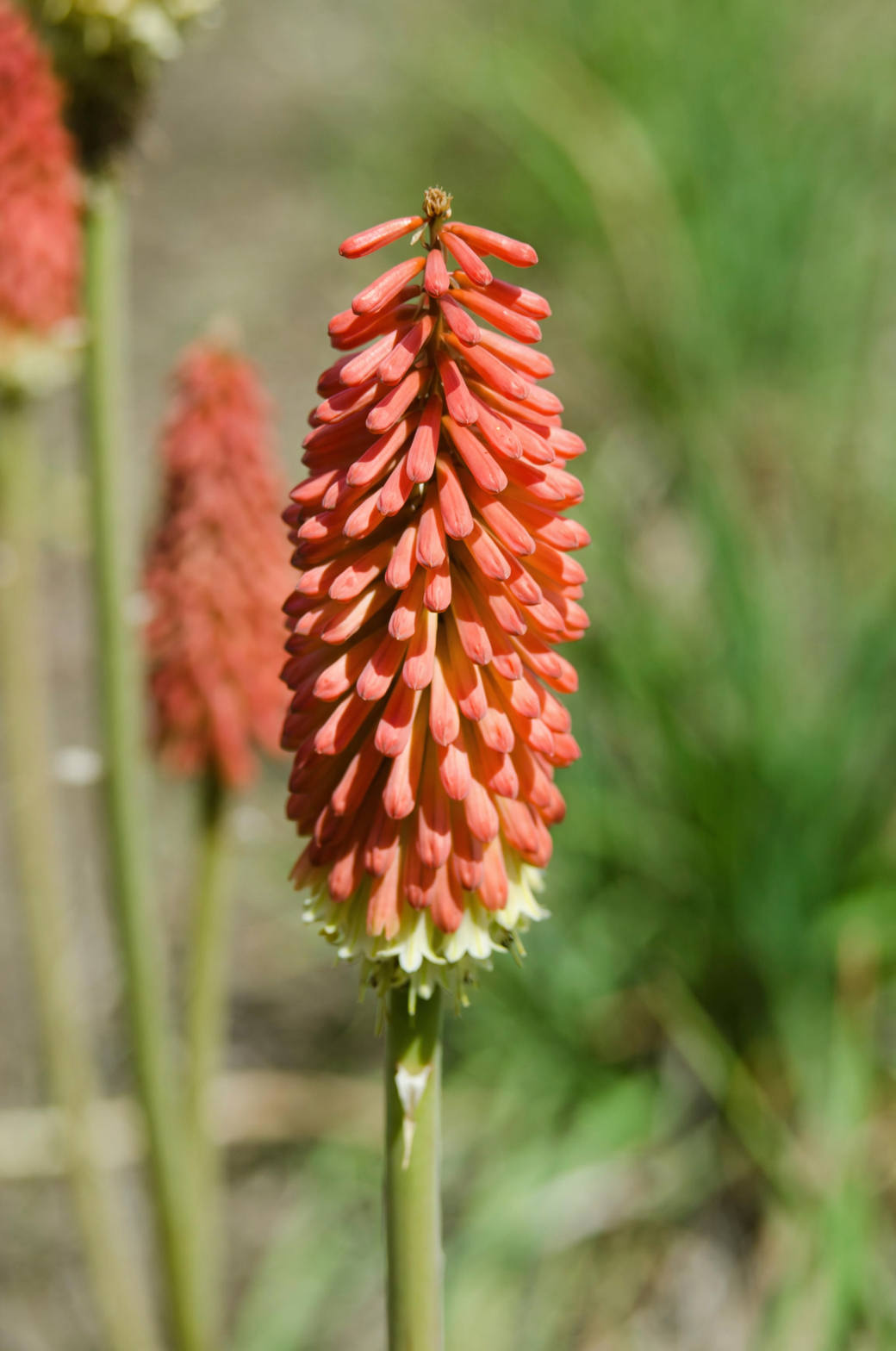
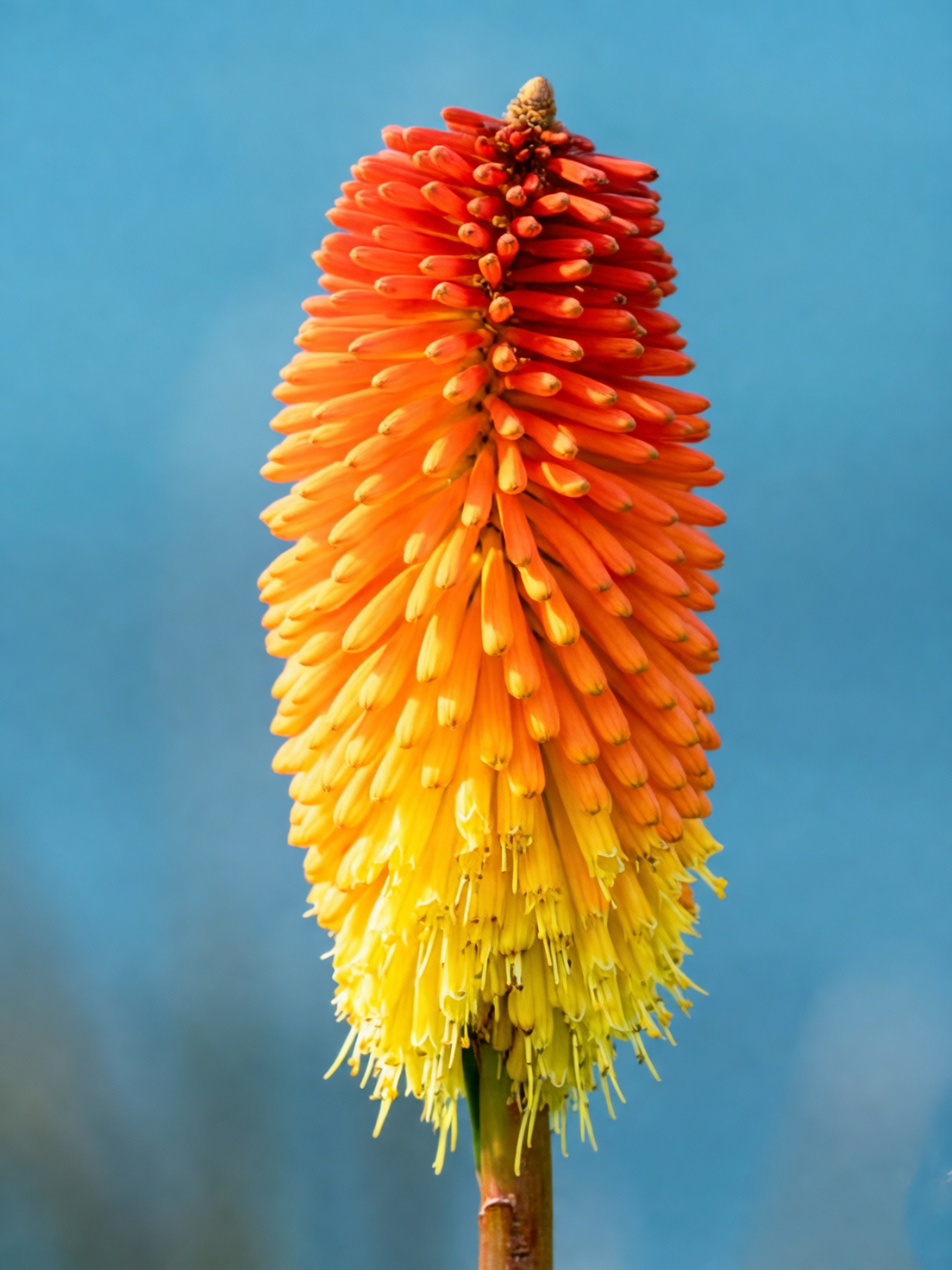
If ever a flower looked like it was carrying its own applause, it’s Kniphofia uvaria—the Red Hot Poker. Those upright, ombré torches flare from coral to ember-orange to butter-yellow, waving like little campfires above fountains of sword-like leaves. They don’t just light up borders; they spark stories—about passion, courage, and even protection—drawn from the language of fire itself.
Meet the “Torch Lily”
- Botanical name: Kniphofia uvaria (family Asphodelaceae)
- Common names: Red Hot Poker, Torch Lily, Poker Plant, Tritoma; in Chinese, 火炬花—literally “torch flower”
- Native range: Eastern and southern Africa, especially South Africa
- Habit: Upright, clump-forming perennial; 2–6 ft tall (dwarf forms 18–24 in)
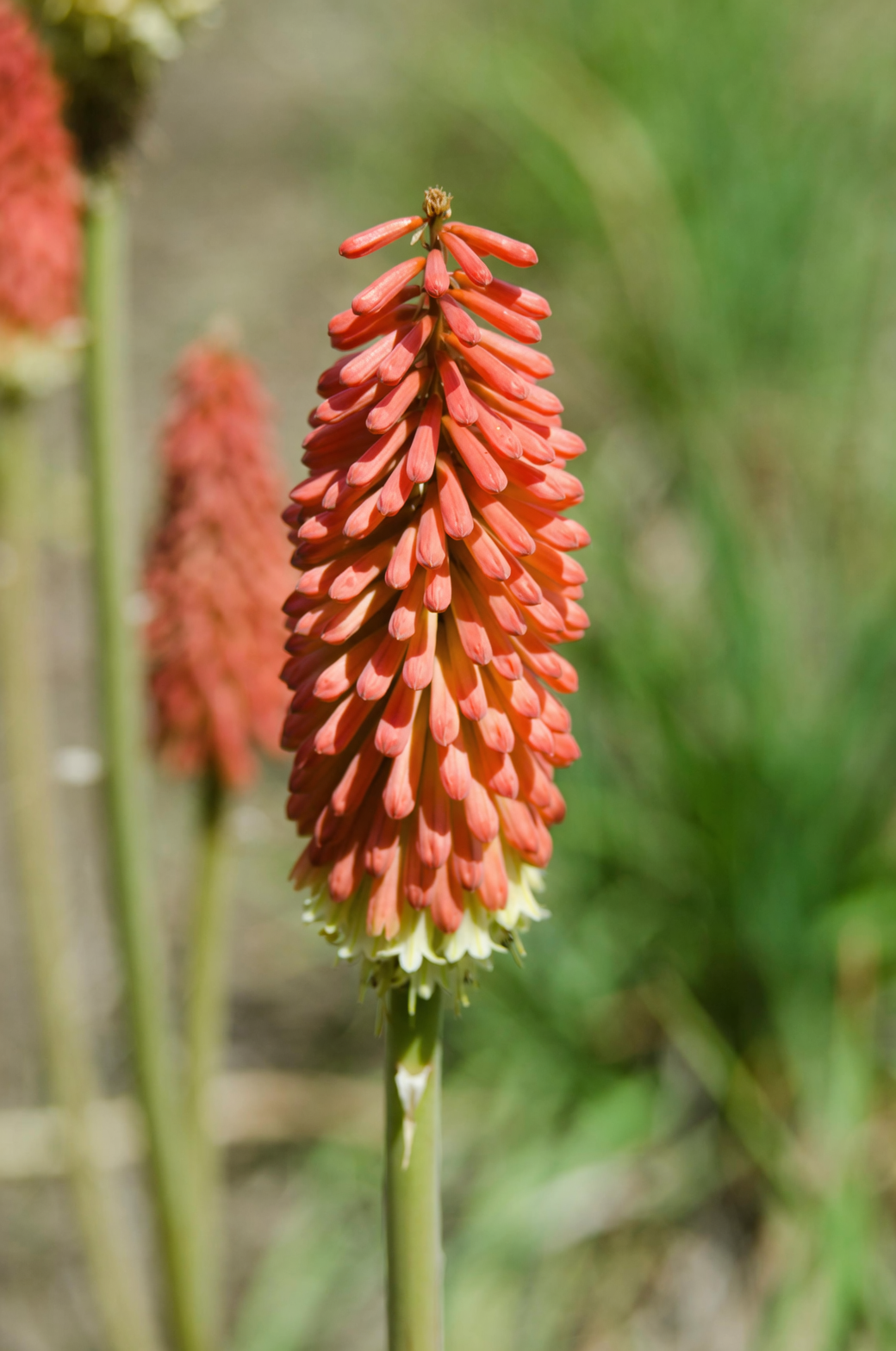
- Signature look: Dense spikes of 100–300+ tubular florets opening bottom to top in shifting gradients of red, orange, apricot, peach, yellow, chartreuse, or cream
- Season: Early summer through fall (often June–October), with possible rebloom if deadheaded
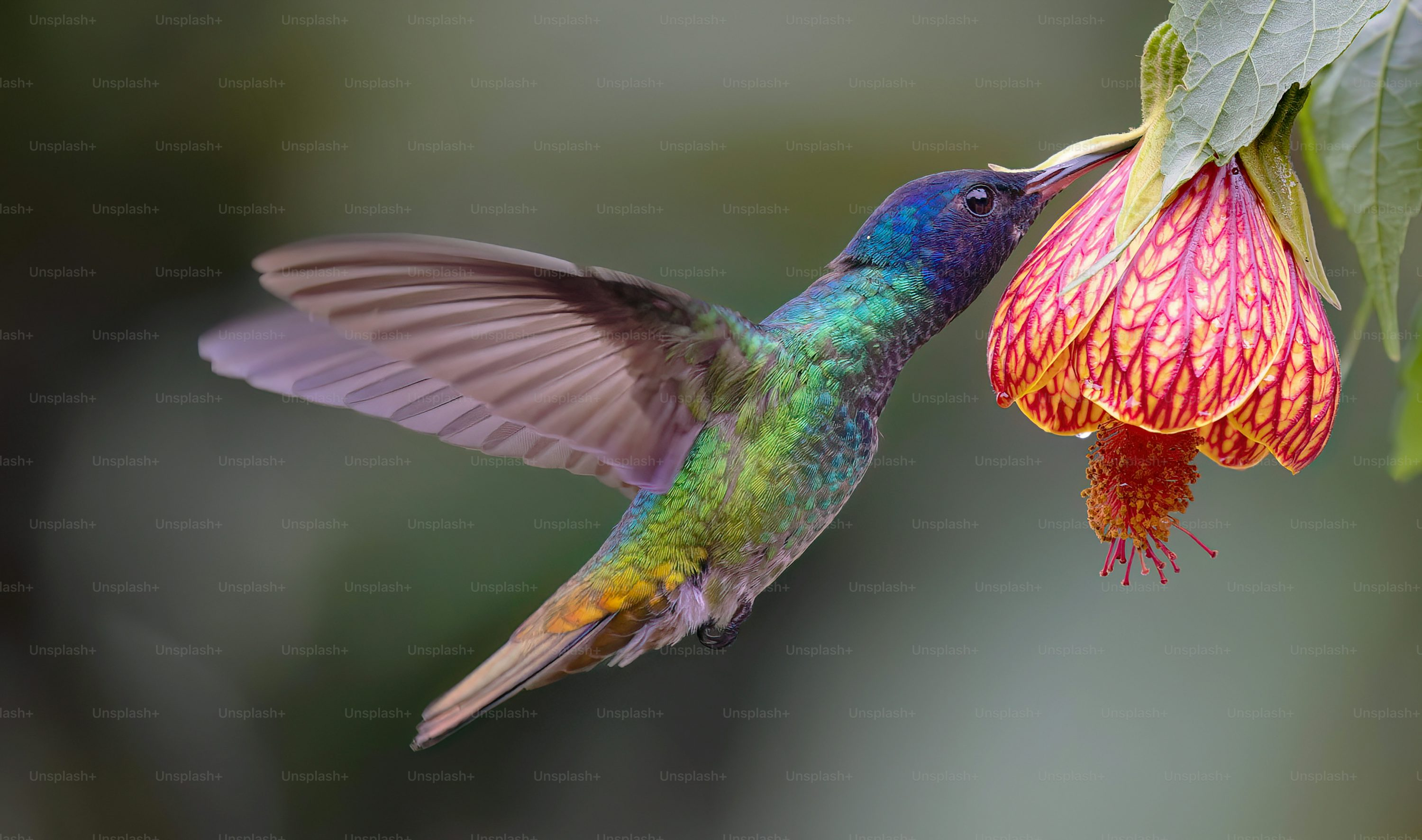
These sun-lovers are as practical as they are dramatic: heat tolerant, salt tolerant, and irresistible to hummingbirds, bees, and butterflies—nectar practically beads on the blooms in morning light.
Flower language today: A torch passed from Africa to the world
Not a Victorian staple—and that’s the point
Unlike roses or violets, Red Hot Poker wasn’t a go-to emblem in the tightly codified Victorian language of flowers. Its modern meanings spring from something more immediate and elemental: the image of a lit torch.
- Passion: The blaze of color reads as a live ember—desire at full wattage.
- Courage and confidence: Tall, upright spikes that “stand out” echo bravery and boldness.
- Protection: In bits of folklore, fiery hues are thought to ward off negativity—like banking a campfire against the night.
As Kniphofia moved from its African homelands into 19th‑century European and American gardens, that torch symbolism traveled too, merging with global ways of reading color and form. The plant’s name honors Johann Hieronymus Kniphof (1704–1763), while some Kniphofia roots have been used in traditional African medicine—another thread tying vitality and remedy to the image of flame.
A note on “花语” (flower language)
So where do these meanings fit among classic flower-lore?
- They’re contemporary and cross-cultural. Red Hot Poker doesn’t carry centuries-old, rigid associations the way peonies or chrysanthemums do in traditional East Asian symbolism.
- Its meanings arise from visual metaphor (a torch) and color psychology (fire palette), then get adopted into modern gift-giving, design, and even feng shui practice.
Think of Kniphofia’s flower language as a living dialect—clear, compelling, and still evolving.
Feng shui: Stoking the Fire element
With its unmistakable Fire energy, Red Hot Poker is a natural enhancer for:
- The South sector (Fame & Reputation): Use fiery reds, oranges, and bright yellows to amplify yang visibility, recognition, and confidence.
- Sun-drenched entries and patios: A pair of container-grown dwarf kniphofias can “light” a threshold, signaling welcome and protective vibrancy.
- Layering elements: Fire supports Earth in the creative cycle; a terracotta pot or stone mulch under kniphofia can ground that flame beautifully.
Practical note: Feng shui thrives on health. Give your torches full sun and excellent drainage so the energy (and the plant) stays strong.
Symbolism you can use: Gift-giving that glows
Red Hot Poker is a statement bloom—and an even better statement gift.
- For a career milestone or new venture: “May your light be impossible to miss.” Its vertical form and showy spikes mirror upward momentum and visibility.
- For creatives and performers: A muse with a megaphone—courage, stage presence, and staying power.
- For housewarmings: A protective “hearth” energy at the door or on a sunny balcony.
- For romance with verve: Passion without subtlety. Consider pairing with softer textures (grasses, ivory roses) if you want to temper the heat.
- For resilience and recovery: Courage through the long season; blooms open in sequence, like ongoing chapters of strength.
Card line ideas:
- “Here’s to leading with your own torch.”
- “Stand tall, burn bright, and let the world adjust.”
- “A spark for the journey—and a flame for the finish.”
As cut flowers, harvest when the lower third of the florets open; expect about 5–7 days in the vase. Mix with cool blues (salvias, sea holly) or airy grasses to let the torches shine.
Culture, history, and the path of a flame
- African roots: Native to eastern and southern Africa, kniphofia carries a visual language of heat and vitality; some species have roots used in traditional medicine.
- 19th‑century debut: Introduced to European and American horticulture in the 1800s, it quickly became a summer showstopper.
- Global resonance: From hummingbird gardens in the Americas to coastal borders in Europe and Asia, Red Hot Poker’s “standing ovation” silhouette transcends language—an easy metaphor for courage, passion, and presence.
How to keep your torches blazing (care cheat‑sheet)
- Light: Full sun (6–8 hours). In very hot regions, light afternoon shade helps.
- Soil: Drainage is non-negotiable; moderately rich, compost‑amended soil with pH 6.0–7.5 is ideal.
- Water: About 1 inch per week during establishment and bloom; keep crowns out of soggy conditions. Containers dry faster—check often.
- Temperature & hardiness: Strong growth around 59–81°F (15–27°C). Many cultivars thrive in USDA Zones 5–9; protect crowns in colder zones with dry mulch and good drainage.
- Feeding: Light touch—a spring top-dress of compost or a balanced slow-release if growth lags. Too much nitrogen = leaves over flowers.
- Maintenance: Deadhead spent spikes to tidy and, in repeat-bloomers, to encourage another flush. Divide every few years to keep vigor and flowering high.
- Winter grooming: In cold climates, leave foliage over winter to protect the crown; cut back in early spring before new growth.
- Safety: Generally non-toxic to people and pets; nibbling may cause mild stomach upset in sensitive individuals.
Design notes: Turning borders into bonfires
- Color play: Let natural ombré do the talking; echo bloom colors with warm-toned pottery or copper accents.
- Partners: Contrast with cool blues and violets (Nepeta, Salvia, Eryngium), weave in ornamental grasses for movement, or mass in sunny drifts for a “signal fire” effect.
- Places it loves: Sunny mixed borders, slopes, well-drained waterside plantings, coastal gardens, and containers (choose dwarf varieties).
Quick FAQs
- Does it come back every year? Yes—perennial in many climates (commonly Zones 5–9). Evergreen to semi-evergreen foliage in mild winters.
- Not blooming? Check: sun (need 6–8 hours), drainage, crowding (divide), fertilizer (go easy on nitrogen), and plant maturity.
- Will it take over? It enlarges by clumping, not running. Easy to manage; divide to control size and boost flowering.
Fun sparks
- A single spike can carry 300+ florets that open in sequence, keeping the show going.
- Many varieties shift color as they age—built‑in ombré.
- Salt tolerant—great near sea breezes.
- Hummingbirds treat it like a nectar tap.
The heart of the matter
Red Hot Poker’s symbolism isn’t inherited from a dusty rulebook of floriography; it’s written in light. A living flame on a stem, it celebrates passion without apology, calls up courage that stands tall, and draws a soft circle of protection around doors, paths, and people. Plant it where you want energy to rise, gift it where you want spirits to soar—and let the torches do what torches do: be seen.