

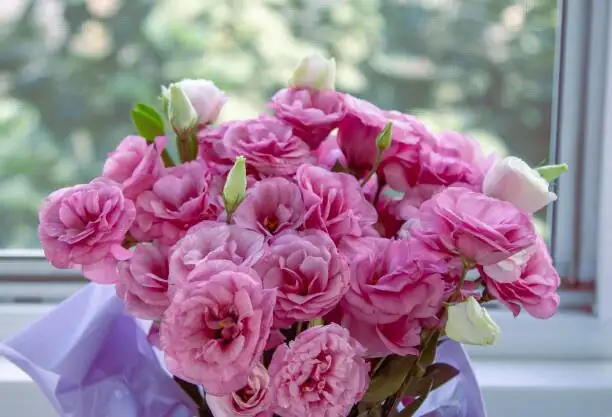
Breathe in the bright, citrus-sweet fragrance of freesia and you’re immediately in on a secret Victorians adored: some flowers don’t just decorate a room—they speak. Freesia × hybrida, the hybrid freesia beloved in bouquets and windowsills, has carried messages of trust, affection, and fresh beginnings from 19th‑century parlors to today’s weddings and East Asian gifting culture (花语). Here’s how this graceful, spring-bright bloom learned to “talk,” what each color says now, and where to place it so your sentiment lands beautifully.
How Freesia Learned to Speak: From Victorian Floriography to East Asian 花语
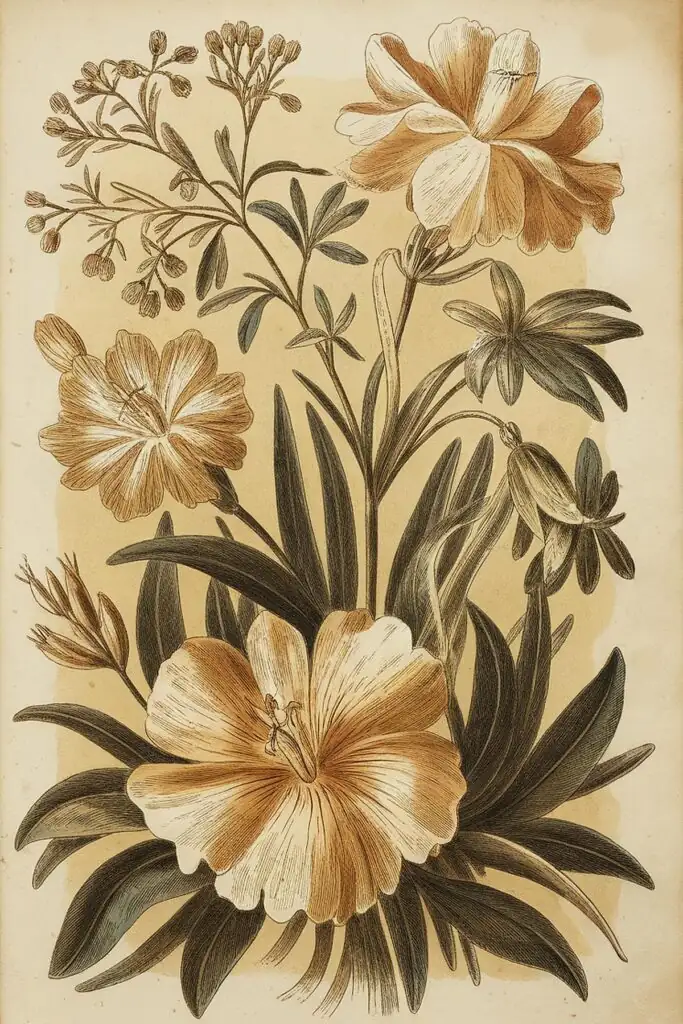
- Southern African roots, European story: Freesia hails from southern Africa and entered European horticulture in the 1800s. Botanist Christian Ecklon named it for his friend Friedrich Freese—a nod to friendship built right into the name.
- The Victorian code: In the 19th century, floriography—sending coded messages through flowers—turned bouquets into love letters. Freesia’s elegant, one-sided sprays and impeccable scent earned it a reputation for trust, purity of intent, and thoughtful affection. In some Victorian guides, a stem of freesia even hinted at a confidential message—“You can trust me.”
- East Asian adoption (花语): As flower meanings traveled, freesia’s gentle themes resonated in modern East Asian gifting culture. In Chinese, it’s widely known as 香雪兰 (literally “fragrant snow orchid”—though it belongs to the iris family). Across contemporary gift guides and spring festivals in the region, freesia often speaks of sincerity, warm regard between friends, and clean, hopeful beginnings. In Japan, early-spring freesia displays and festivals celebrate that same sense of fresh trust and optimism.
Think of freesia as the polite friend who brings sunshine into a room and keeps your confidence.
Color by Color: What Your Freesia Is Saying
Freesia comes in a painter’s box of hues. If you’re choosing for meaning, start here:
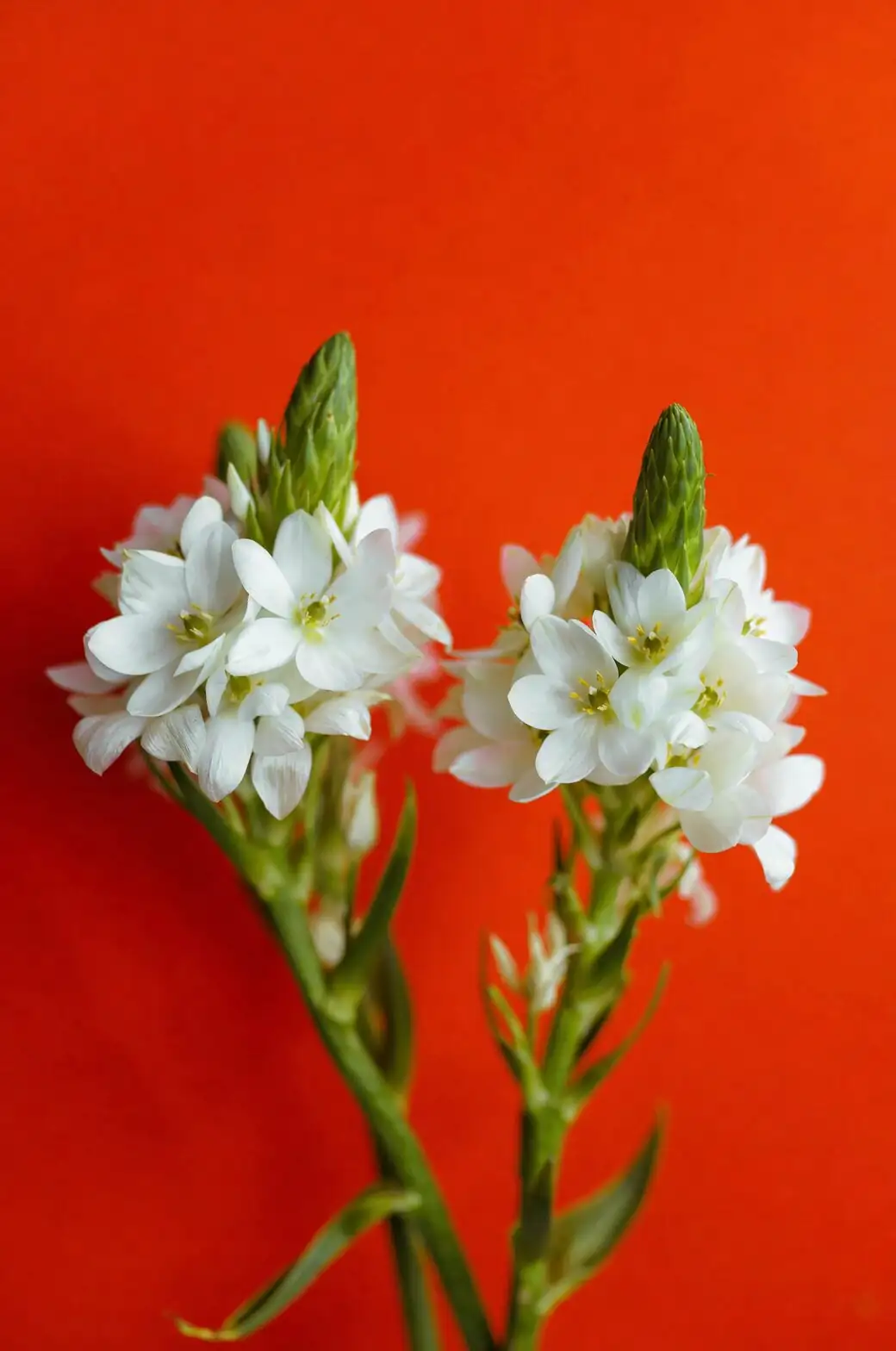
White freesia: romantic sincerity
- Message: romantic love, sincerity, trust, and purity of intent.
- Perfect for: wedding bouquets and vows, new beginnings, heartfelt apologies coupled with a promise to do better.
Red freesia: admiration with a spark
- Message: admiration and high regard; many modern guides also frame red as passionate and bold.
- Perfect for: celebrating a partner’s achievement, an anniversary dinner, or an artful single-stem moment on a nightstand.
Pale yellow freesia: warm fondness and friendship
- Message: gentle affection, friendship, sunny optimism, and renewal.
- Perfect for: thank‑yous, housewarmings, spring birthdays, and colleagues you appreciate.
Tip for nuance: Blend white with pale yellow for “I admire you and I wish you joy,” or tuck a few red blooms into a mostly white bouquet to warm a message of trust with romantic energy.
Why Weddings Love Freesia (and Anniversaries, too)
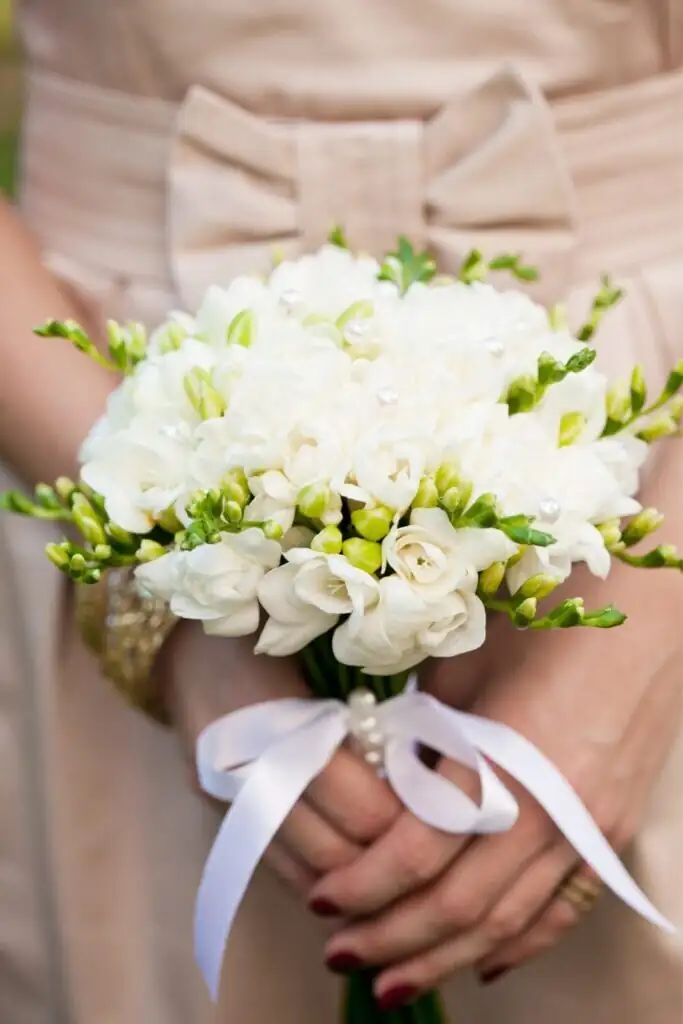
- Built for the aisle: Freesia’s arching spikes open bloom by bloom, so bouquets stay fresh across a long day. The fragrance whispers, never shouts—clean, citrusy, and elegant.
- Symbolic fit: Trust and sincerity are the backbone of marriage; freesia telegraphs both without cliché.
- Where to use it:
- Bridal bouquet: white for honest love; add a ribbon in the couple’s color.
- Boutonnieres and corsages: a single floret reads refined; it also holds up well.
- Table garlands and cake table accents: airy sprays that won’t overpower the setting.
- Anniversary note: In the United States, freesia is a traditional flower for the 7th wedding anniversary—an especially apt milestone for trust renewed.
Thoughtful Placement Ideas (Home, Office, and Event)
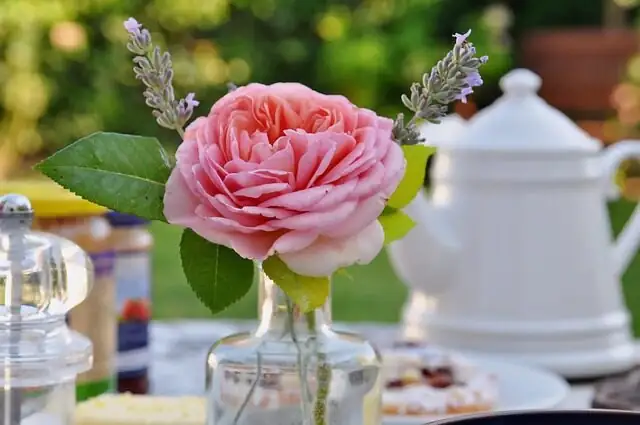
Let your flowers reinforce your message by where you place them. Because freesia prefers cool, bright, airy spots, these ideas are both meaningful and plant‑smart.
- Welcome and trust (entry console or foyer)
- Symbolism: hospitality, reliability, “You’re safe here.”
- Practical: cool air by the door and bright indirect light keep stems upright longer.
- Romantic sincerity (bedside table or dressing table)
- Symbolism: tender, private affection.
- Practical: the scent is soothing; keep the room cool and well‑ventilated.
- Friendship and cheer (dining table or sunny breakfast nook)
- Symbolism: warm conversation and shared joy.
- Practical: a low, wide bowl avoids blocking faces; freesia’s sequential blooms extend the brunch‑to‑dinner glow.
- Thoughtful affection (desk or study)
- Symbolism: encouragement and focus with a caring undertone.
- Practical: set near an east or south window—bright but not baking hot.
- East Asian settings (花语 in practice)
- Japanese‑inspired alcove or minimalist shelf: place a few stems to celebrate spring’s clarity and trust; spotlight the elegant, one‑sided arc of the spike.
- Chinese New Year season to early spring: a small potted 香雪兰 by a bright balcony door offers that “spring indoors” feeling; choose pale yellow to emphasize blessing and friendship for the year ahead.
Note: Freesia’s fragrance is delightful but can feel intense in enclosed spaces. Keep arrangements out of stuffy rooms and away from heaters/AC blasts.
Make Your Message Last: Smart Buying and Care
The right stems—and a few simple habits—stretch freesia’s performance.
- Selecting stems or plants
- Cut flowers: choose stems with the first flower open and at least two more buds showing color.
- Potted plants: look for fresh, narrow green leaves and sturdy, upright spikes with 6–10 buds.
- Corms for future blooms: pick firm, plump, clean corms (about 2 cm wide or larger) with an intact fibrous tunic.
- Vase and room care
- Keep it cool: aim for 15–20°C (59–68°F). Warm rooms shorten bloom time and make stems floppy.
- Bright light, not hot sun: a luminous sill is perfect; avoid scorching midday heat.
- Fresh water routine: recut stems, change water every 1–2 days, and strip foliage below the waterline.
- Guard the perfume: keep arrangements away from ripening fruit and other ethylene sources—ethylene ages flowers fast.
- Groom as you go: remove spent florets to tidy the spike and cue the next buds to shine.
- For potted freesia indoors
- Water evenly during active growth—never soggy. Let the top mix begin to dry between waterings.
- Airflow matters: freesia dislikes muggy, still rooms; fresh air keeps gray mold at bay.
- After flowering, taper watering, let foliage yellow naturally, then let corms rest dry before the next season.
A Short Botanical Love Letter
- Family: Iridaceae (iris family)
- Habit: corm‑forming, with narrow, sword‑like leaves and arching spikes holding 6–10 funnel‑shaped, zygomorphic blooms that open in sequence—one reason freesia is such a long‑lived cut flower.
- Season: naturally from winter into spring, right when we crave a breath of freshness indoors.
Reading the Room: A Friendly Note on Meanings
Flower language has always been more conversation than commandment; Victorians themselves disagreed across guidebooks. In East Asian 花语, too, meanings flex with region and context. So let freesia set the tone—trust, affection, warm friendship—and add a note explaining your intent. A simple card that says “White for our honest love,” “Red for admiration,” or “Pale yellow for your sunny friendship” turns a beautiful bouquet into a clear, memorable message.
When you want your flowers to speak softly and truly, freesia is fluent.