

Plants, like us, thrive when their needs are met, and one of their primary needs is water. But did you know that just like your wardrobe changes with the seasons, so too should your plant-watering routine? Let’s dive into the art of seasonal watering and how understanding your climate can make all the difference in your garden’s success.
Know Your Climate Zone
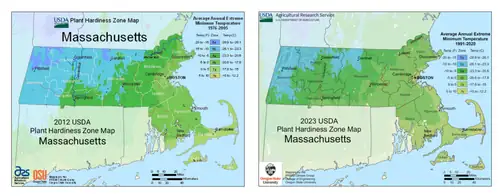
Before you adjust your watering schedule, it’s crucial to understand your local climate. The USDA Hardiness Zone Map is a great tool to figure out which plants are best suited to your area based on average minimum temperatures. This knowledge helps you anticipate your plants’ needs throughout their life cycles.
Why Hardiness Matters
Your zone not only determines plant selection but also impacts watering needs. For instance, a plant thriving in Zone 5 might need more water during a hot summer compared to a similar plant in cooler Zone 3.
Seasonal Watering Strategies
Each season brings its own challenges and opportunities for watering your plants. Here’s how you can adapt:
Spring: Wake-Up Call
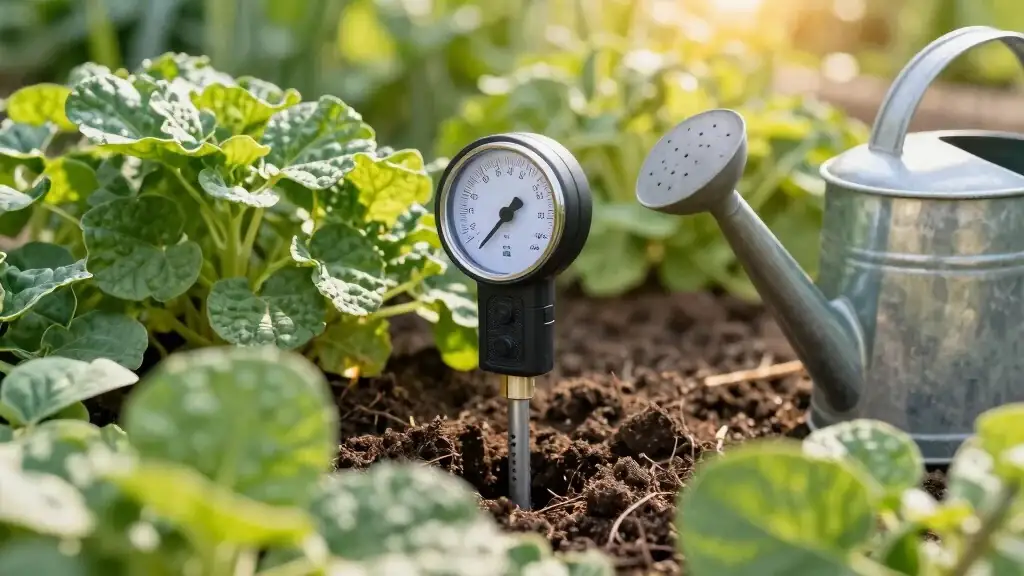
As temperatures rise, plants come out of dormancy. Spring is a time of growth, and your plants will need more water than during their winter slumber. Start by checking your soil moisture regularly. A simple test is to stick your finger about an inch into the soil. If it feels dry, it’s time to water. Be cautious not to overwater, as spring showers often provide ample hydration.
Summer: Quenching the Thirst
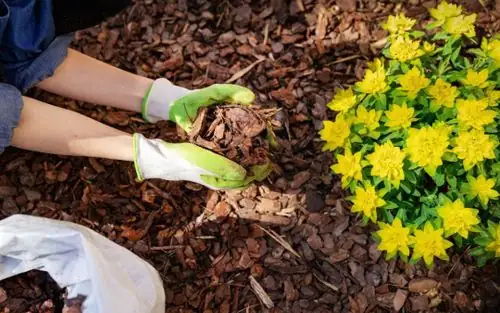
Summer heat can be harsh, increasing evaporation and plant water needs. Water early in the morning or late in the afternoon to minimize evaporation loss. Mulching around plants can help retain moisture. Adjust your schedule based on rainfall; a rain gauge can be a handy tool to measure and adjust accordingly.
Fall: Tapering Off
As temperatures cool, your plants’ growth slows down. Gradually reduce watering, but keep an eye on those dry autumn winds that might still dry out the soil. This is also the time to prepare your plants for winter by ensuring they’re well-hydrated before the first frost hits.
Winter: Rest and Relaxation
Most plants are dormant during winter, requiring minimal watering. However, don’t forget about your indoor plants—or any evergreens outside—that might need occasional watering if the soil is dry. Be cautious of overwatering, as cold, wet soil can lead to root rot.
Adapting to Drought
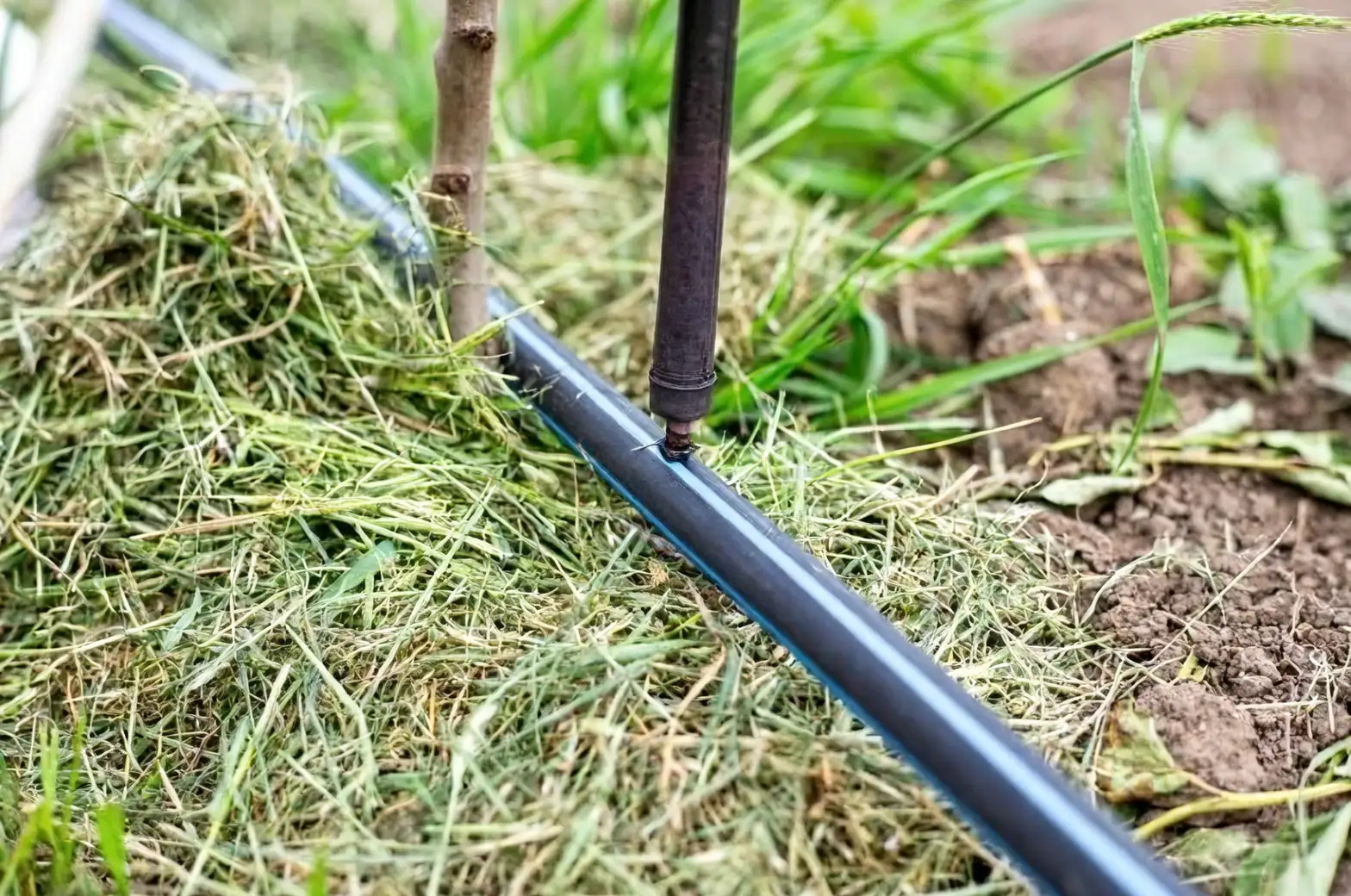
Droughts can be challenging, but with a few strategies, you can help your garden survive. Consider implementing drip irrigation systems that deliver water directly to the roots and reduce waste. Additionally, planting drought-resistant varieties can make your garden more resilient in dry spells.
Common Mistakes to Avoid
- Overwatering: This can lead to root rot. Always check soil moisture levels before watering.
- Ignoring Rainfall: Natural rain can supplement your watering routine. Use a rain gauge to track this.
- Uniform Watering: Different plants have different needs. Tailor your approach based on species and location.
By paying attention to the seasons and your local climate, you can become a more effective waterer, helping your plants thrive while conserving water. Remember, it’s not just about watering more or less—it’s about watering smarter. Happy gardening!


