

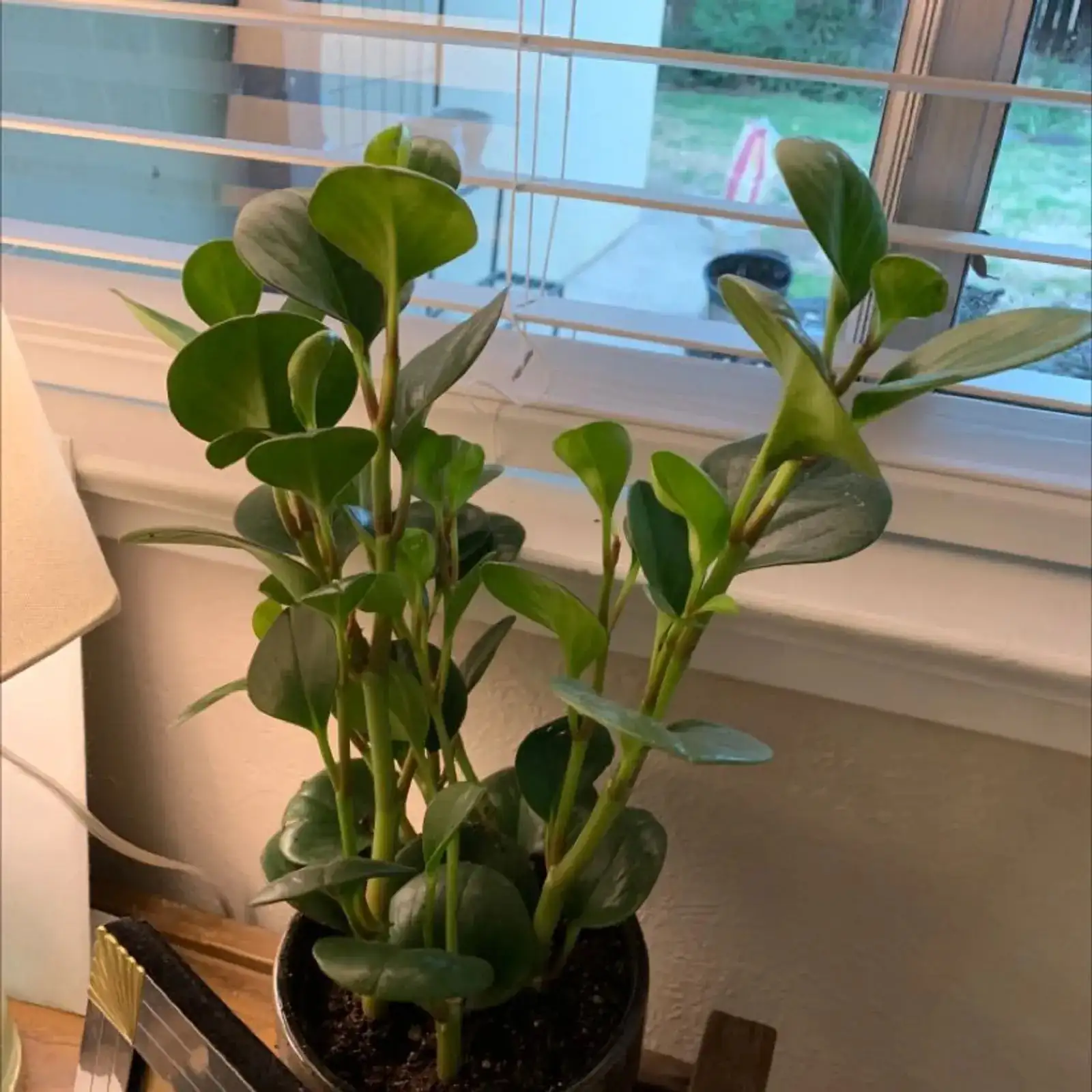
Think of your Baby Rubber Plant (Peperomia obtusifolia) as a thoughtful sipper, not a guzzler. Its thick, glossy leaves stash water like tiny canteens, so your job is to water smart, not often. Here’s an actionable, season-by-season plan built around the simple 2-inch dryness test—plus how pot size, mix, light, and temperature nudge your schedule up or down, and quick rescues for over- or underwatering.
The 2-inch dryness test: your non-negotiable habit
Do this before every watering—year-round.
- Probe: Insert a clean finger or wooden skewer 2 inches (about a finger’s second knuckle) into the potting mix.
- Decide:
- Dry at 2 inches? Water thoroughly.
- Still cool or slightly damp at 2 inches? Wait 2–3 more days, then test again.
- Water well: Add water slowly until it runs from the drainage holes. Empty the saucer—no “wet feet.”
- Aftercare: Return to bright, filtered light. Rotate the pot weekly for even growth.
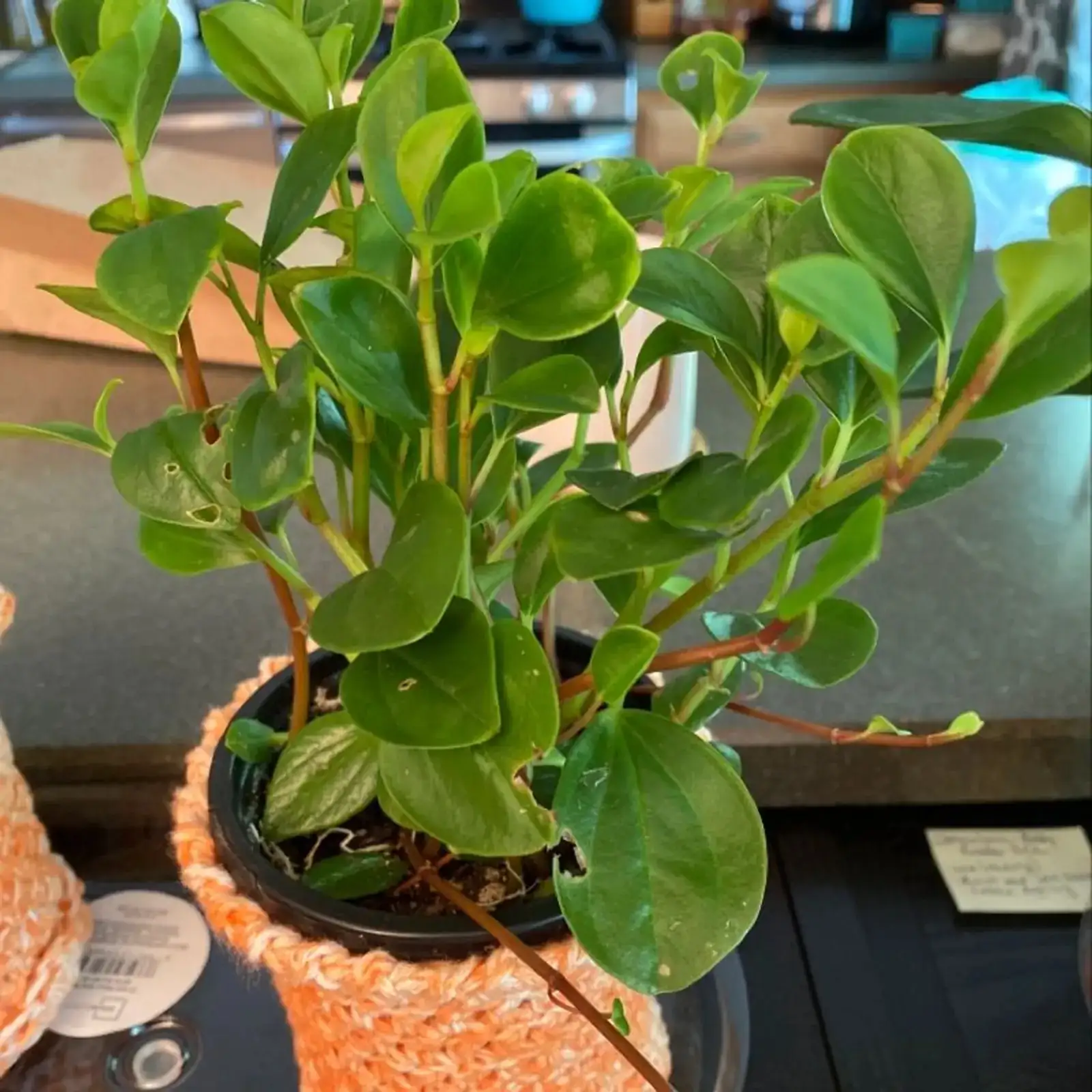
Why this works: Peperomia obtusifolia prefers its mix to dry partially between drinks. Overwatering is the number-one cause of decline; underwatering is more easily forgiven.
Season-by-season watering plan (indoors)
These intervals are typical starting points. Always let the 2-inch test be the boss.
Spring (growth resumes)
- Frequency: About every 7–12 days, depending on light and pot size.
- How to adjust: Days are brighter and warmer, so drying speeds up. Resume light feeding as new growth appears.
- Watch for: New, firm leaves and a steady appetite. If the pot still feels cool/moist at 2 inches after a week, wait a few days.
Summer (peak growth)
- Frequency: About every 7–10 days; sometimes weekly in very bright, warm rooms.
- How to adjust: More light and warmth mean faster drying. Good airflow helps, but don’t let the mix stay soggy.
- Pro tip: If you step up feeding during active growth, keep it diluted and balanced. Avoid heavy nitrogen—especially for variegates.
Fall (slowdown begins)
- Frequency: Stretch to every 10–14 days as light drops.
- How to adjust: Growth eases; reduce watering and stop fertilizing.
- Watch for: Cooler nights. If temps dip, the mix will hold moisture longer—use the 2-inch test religiously.
Winter (resting mode)
- Frequency: About every 2–3 weeks in average home conditions.
- How to adjust: Give brighter light but minimal water. Keep above 50°F (10°C) and away from cold drafts.
- Red flag: Cold + wet soil = root rot risk. When in doubt, wait.
What actually shifts your schedule? Pot, mix, light, and temperature
Use these levers to predict how fast the pot will dry.
Pot size and material
- Smaller pots dry faster; larger pots stay wet longer at the core.
- Terra-cotta breathes and speeds evaporation; plastic/glazed ceramic retain moisture longer.
- This plant likes to be slightly root-bound—resist up-potting too much (go up just 1–2 inches in diameter when needed).
Potting mix texture
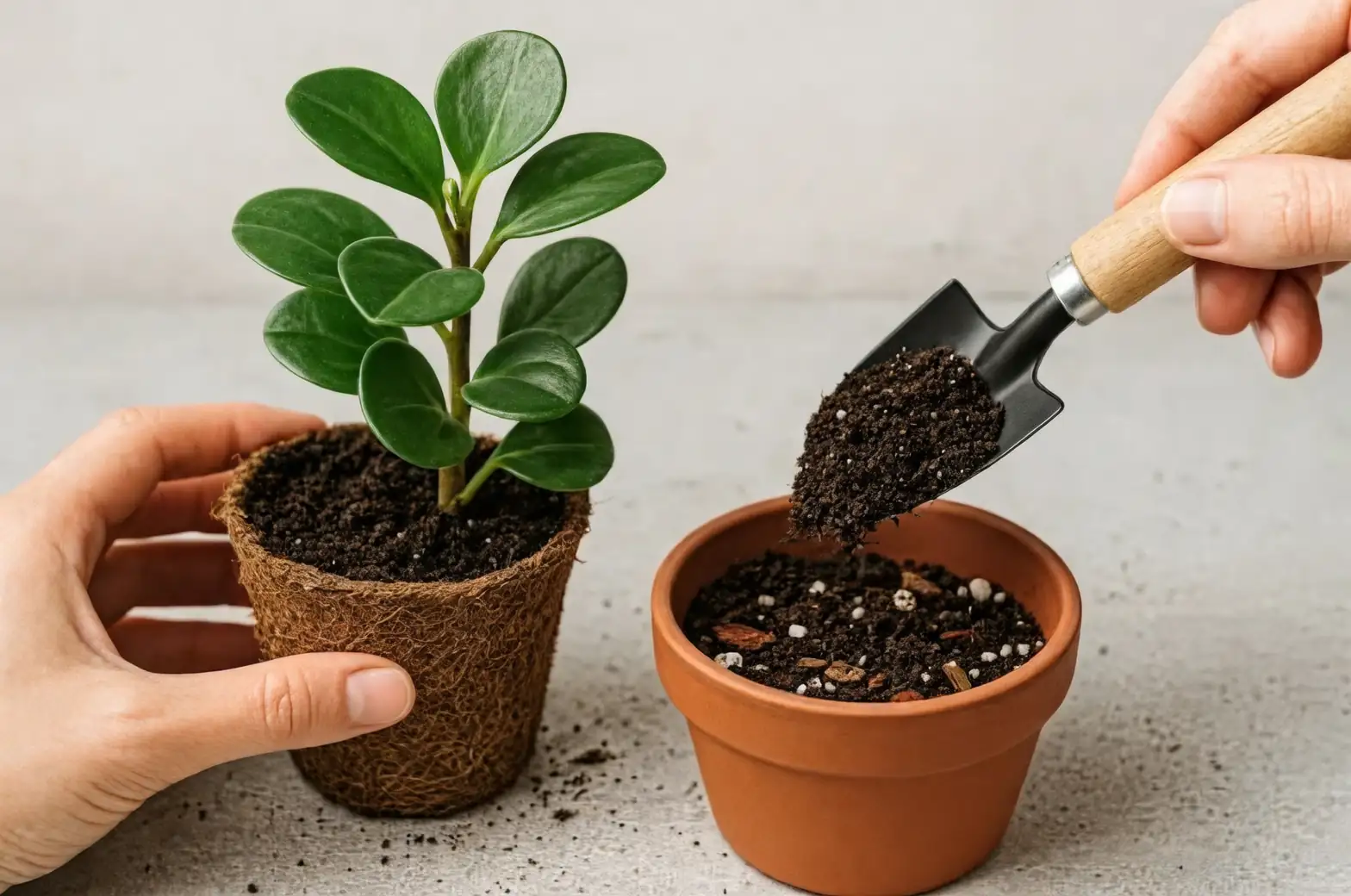
- Best recipe: A loose, fast-draining base (peat or coco) amended with perlite or coarse sand; a handful of fine orchid bark is a plus.
- Chunkier = faster drying and better oxygen to roots (great insurance against rot).
- Denser mixes stay wet longer; be extra cautious in cool seasons.
Light
- Bright, indirect light to partial shade is ideal.
- More light = faster growth and quicker drying.
- Lower light slows growth and water use—stretch the interval.
- Variegated cultivars appreciate a bit more brightness to keep their pattern crisp (but still filtered; avoid harsh direct sun).
Temperature and airflow
- Sweet spot: 61–75°F (16–24°C).
- Warm rooms accelerate drying; cool rooms slow it down.
- Avoid cold drafts and prolonged heat above 86°F (30°C).
- Moderate humidity with good airflow is best; very dry winter air is fine if you water correctly. Skip daily misting—use a pebble tray or humidifier only if your air is extremely dry.
How to water, step by step (so you don’t invite rot)
- Before: Loosen the top inch gently with a chopstick if the surface is crusted—this helps water penetrate.
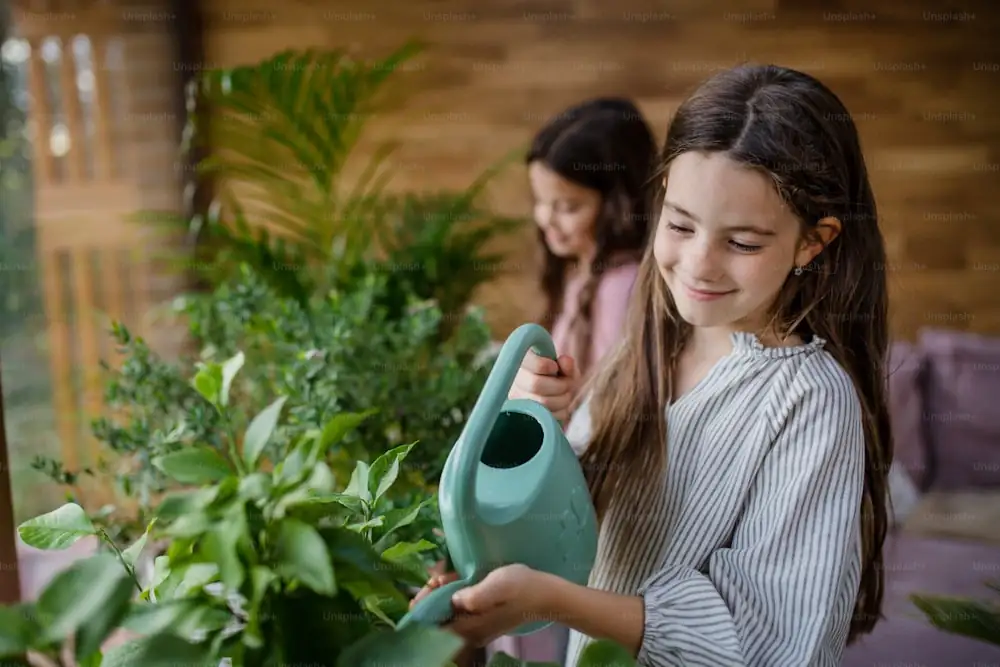
- Water: Go slow, evenly around the root zone, until excess drains.
- Finish: Empty the saucer. Never leave the pot standing in water.
- After a long dry spell: Rehydrate in two passes (water, wait 5 minutes, water again) or bottom-water for 15–20 minutes, then drain well.
Quick fixes: overwatering vs. underwatering
Know the signs—and the fast response.
If you overwatered
Telltales: Yellowing/dropping older leaves, limp stems, sour smell, soil stays wet for days.
What to do now:
- Let it dry: Move to bright, filtered light and warmer room temps.
- If roots may be rotting: Unpot gently. Trim mushy, brown roots with sterile scissors. Repot into fresh, airy mix and a clean pot with drainage. Let the plant settle 24 hours before lightly watering.
- Reset your rhythm: Resume the 2-inch test. Water less often, never on a calendar alone.
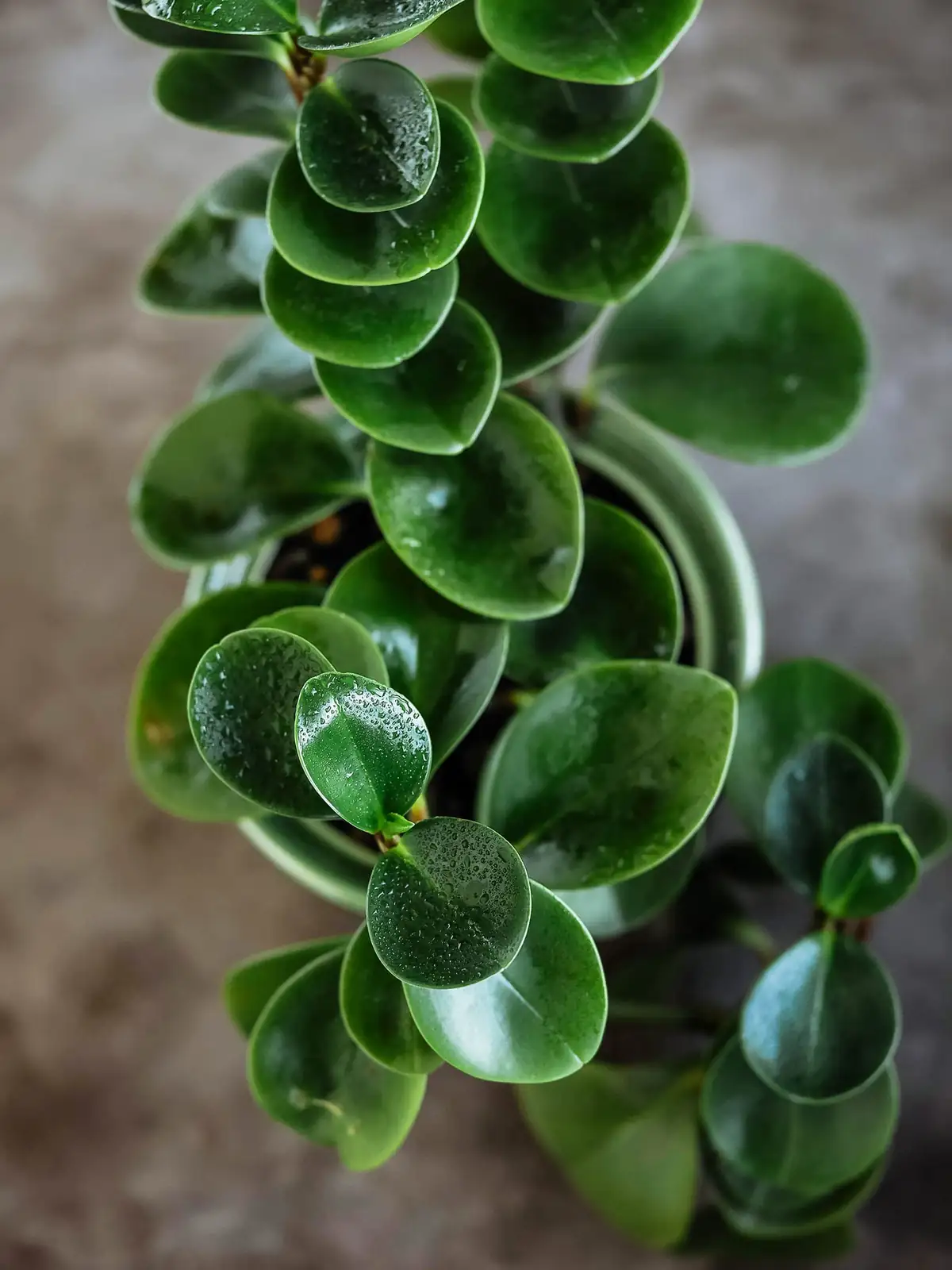
If you underwatered
Telltales: Leaves soften, lose their glossy sheen, slight curl or droop; mix pulls from pot edges.
What to do now:
- Rehydrate slowly: Bottom-water 15–20 minutes, or water in two gentle passes from the top. Drain completely.
- Groom: Remove paper-thin, crisped leaves.
- Prevent repeat: In brightest months, check the 2-inch depth a couple of days earlier than usual.
Placement that supports perfect watering
- Light: Near an east window, or a south/west window with a sheer curtain. Avoid harsh midday sun that can scorch leaves.
- Warmth: Keep above 50°F (10°C). Protect from AC blasts and cold drafts.
- Air: Moderate humidity with gentle airflow; avoid stagnant, constantly damp air.
Feeding, pruning, and repotting (because these affect water use)
- Fertilize lightly in active growth: Monthly in spring/summer with a diluted, balanced liquid feed if growth is steady. No fertilizer fall/winter. Avoid excess nitrogen, especially for variegated forms.
- Prune/pinch to keep it compact and to encourage branching; thin overly dense clusters to improve airflow.
- Repot every 2–3 years only when clearly tight. Size up just 1–2 inches. Refresh the mix; this often improves drainage and stabilizes your watering rhythm.
Troubleshooting mini-guide
- Yellowing and drop of older leaves: Most often too much water or too little light. Move to brighter, filtered light and let the top 2 inches dry before the next watering.
- Leggy growth: Light is too low. Increase brightness; rotate weekly.
- Chilling damage (below 50°F/10°C): Leaves may show blackened patches or collapse. Move to a warmer spot and keep soil on the dry side until recovery.
Safety and bloom notes
- Pet-safe: Generally non-toxic to cats and dogs.
- Flowers: Thin, tail-like spikes may appear in late summer to early autumn, but the plant is really here for its lush foliage.
A quick word on symbolism (the “flower language” angle)
While Peperomia obtusifolia’s blooms are modest, the plant carries a popular houseplant “language” of its own: steady, calm growth and a tidy, reassuring presence—often gifted as a wish for happiness, prosperity, and the comforting promise that everything will be alright. This meaning comes from indoor plant culture rather than ancient lore, but it fits the plant’s forgiving, low-maintenance nature perfectly.
—
Bottom line: Let the top 2 inches dry, then water deeply and drain well. Tune the interval with pot size, mix, light, and temperature—and your Baby Rubber Plant will stay glossy, compact, and cheerfully unfussy all year.


