
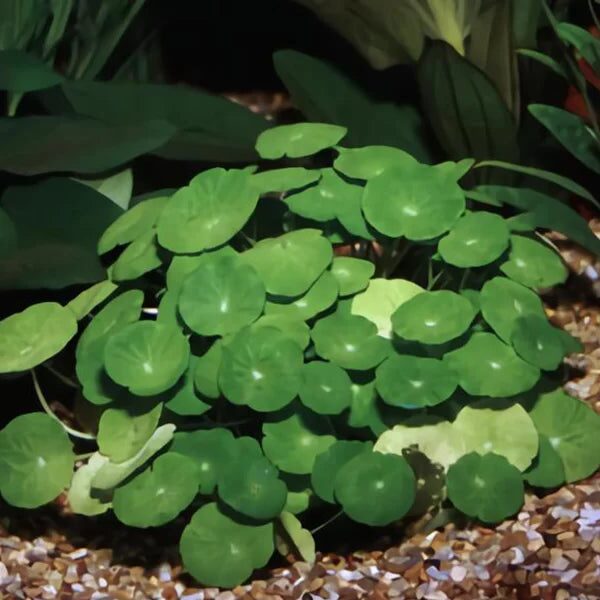
Imagine a tabletop pond on the left and a breezy bowl of rich, airy soil on the right. Between them, a runner of tiny green “coins” stretches—Hydrocotyle umbellata, the Brazilian pennywort—ready to show you which home it prefers. This side-by-side experiment invites you to compare water culture (with regular 7–10 day refreshes) and moist, breathable soil, tracking growth rate, leaf size, and the real day-to-day work each method takes.
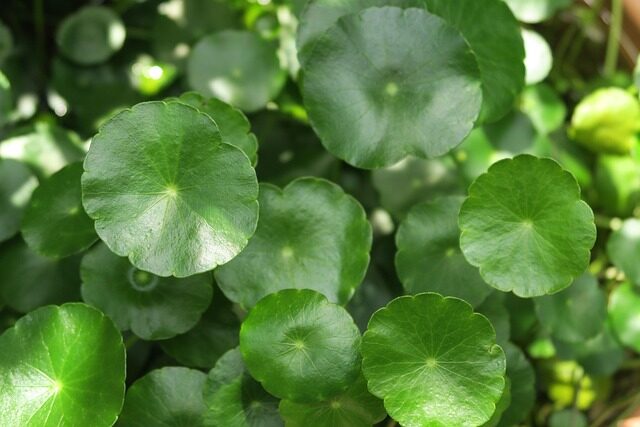
Before we dive in: this plant is a cheerful, fast creeper from South America with glossy, peltate leaves (each leaf petiole joins near the center—like a tiny umbrella or coin on a stick). It thrives when two needs are met: bright light and steady moisture. Everything in this plan is built around honoring those two truths.
Meet the plant (so you know what to expect)
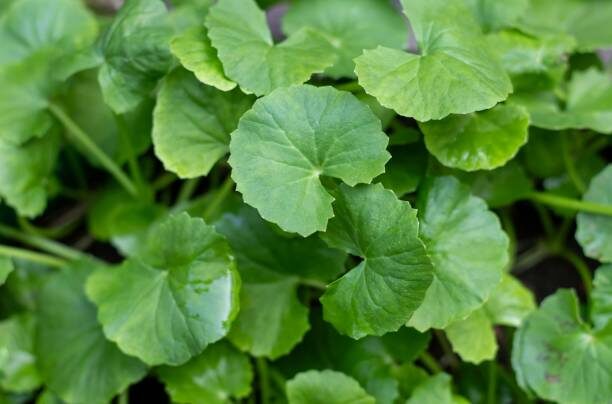
- Scientific name: Hydrocotyle umbellata (family Araliaceae; genus Hydrocotyle)
- Common names: Brazilian pennywort, Dollarweed, Marsh Pennywort, Pennywort, Umbrella Pennywort
- Habit and size: Low, clump-to-creeping perennial; 5–30 cm tall (2–12 in), runners can sprawl 30–60+ cm wide (12–24+ in)
- Leaves: Round, bright green “coins,” glossy; older leaves may yellow and can be removed
- Light: Bright light to full sun; indoors an east or south window is great. In hot summers, shield from harsh midday sun
- Temperature and humidity: 20–28°C (68–82°F) is the sweet spot; warm, humid air (70–80% ideal)
- Water habit: Exceptionally versatile—happy in clean water or consistently moist soil
- Note on names: In commerce, “pennywort/铜钱草” can also refer to other Hydrocotyle species; for this trial, focus on H. umbellata care as outlined here
The side-by-side: what you’ll compare
- Growth rate: New leaves per week, runner length gained per week
- Leaf size and quality: Diameter of the largest 5 leaves; color and gloss
- Root system: New white roots, length and branching
- Upkeep: Minutes per day/week, water refreshes, soil watering frequency
- Aesthetics: Overall fullness, evenness (rotate weekly for symmetry)
Materials and setup
Replicates and starting material
- Replicates: At least 3 per treatment (3 water-culture bowls, 3 soil pots) to smooth out quirks
- Plant material: 10–15 cm (4–6 in) tip or node cuttings with 2–3 nodes; or divide a healthy clump
- Rooting tip: At 20–24°C (68–75°F), cuttings typically root in about 2 weeks
Containers and media
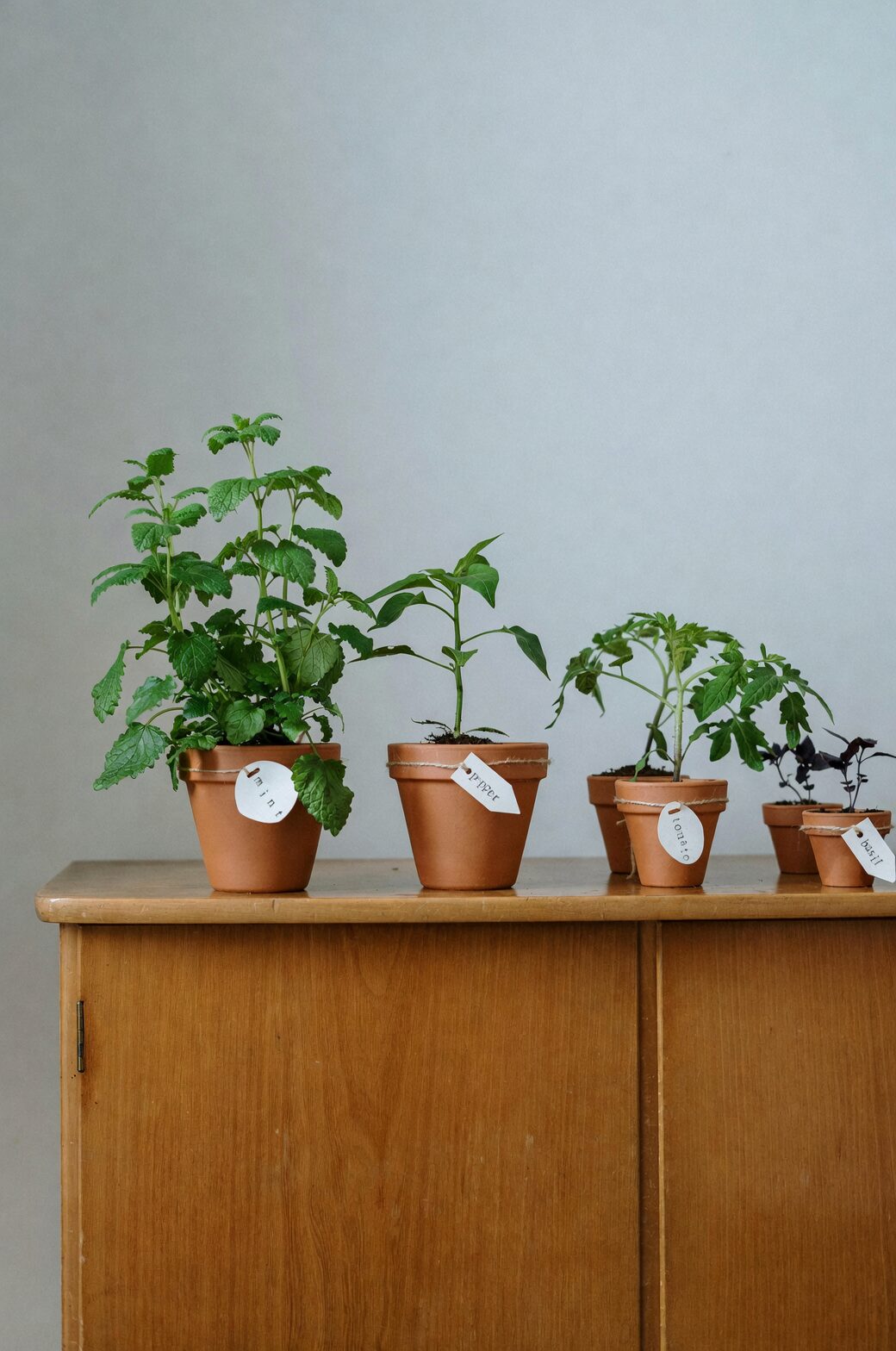
- Water culture (hydro bowl)
- Wide, shallow glass/ceramic bowl (15–20 cm / 6–8 in diameter)
- Clean water; optional pebbles/LECA to anchor stems and keep nodes in place
- Soil culture (moist, airy mix)
- Shallow, wide pot with drainage (also 15–20 cm / 6–8 in)
- Soil recipe (breathable yet moisture-retentive):
- 2 parts quality loam or potting mix
- 1 part compost or leaf mold
- 1 part coarse sand (or fine grit) for airflow
- Pot saucer for consistent moisture without waterlogging
Light, temperature, humidity
- Light: Bright window (east/south). In very hot climates, give 40–60% shade at midday to prevent scorch
- Temperature: Target 20–28°C (68–82°F), avoid prolonged >30°C (86°F)
- Humidity: 70–80% is excellent; use a humidity tray or occasional light misting if the air is very dry
Nutrients
- Light feeder:
- Water culture: balanced liquid fertilizer at low strength every 2 weeks during active growth
- Soil culture: the same balanced fertilizer monthly during active growth
- Do not fertilize in winter; keep fertilizer off leaves
Step-by-step protocol
Week 0: Planting and acclimation
- Water culture
- Rinse roots and trim away any damaged tissue
- Arrange stems so several nodes contact pebbles or the bowl bottom
- Water change schedule at start: every 3–4 days during the first 2 weeks to prevent stagnation while roots establish
- Soil culture
- Pot up runners horizontally, lightly covering nodes so they can root
- Water thoroughly to settle, then maintain evenly moist (never bone dry)
- Environment controls for both
- Place side-by-side with identical light
- Rotate the containers by half a turn weekly for even growth
- Note initial leaf count, largest leaf diameter, and runner length
Weeks 1–2: Establishment
- Water culture
- Watch for new white roots; maintain the 3–4 day water changes
- Soil culture
- Water every 2–3 days in active growth, depending on pot size/heat
- Begin light feeding once you see fresh growth
Weeks 3–8: The main comparison window
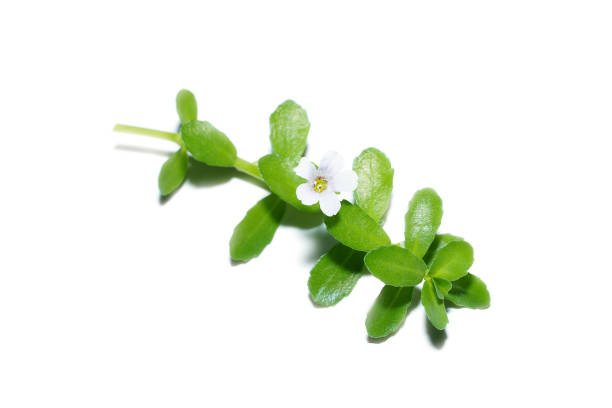
- Water culture
- Once new white roots are present, shift to 7–10 day water refreshes
- Top up between changes; never let water turn stale
- Soil culture
- Keep the mix evenly moist; water before the surface dries out
- Optional: monthly leach/flush to avoid salt buildup
- Data collection (weekly)
- Count new leaves per plant and total leaf count
- Measure diameter of 5 largest leaves (mm)
- Record runner extension (mm) from a fixed marker
- Snapshot notes: color (lime to deep green), gloss, any yellowing or scorch
- Upkeep minutes: water changes/refills, soil waterings, pruning/clean-up
- Root notes: new white roots visible (Y/N), approximate length (mm)
Daily and weekly checklists
Daily (1–3 minutes per container)
- Look for wilt, yellow tips, or pests (aphids love tender growth)
- Water culture: top up if water line dropped
- Soil culture: finger-check moisture; if nearing dry at the surface, water
Weekly
- Rotate container half a turn
- Record metrics (leaves, leaf size, runner length, upkeep time)
- Water culture: change water if you’re at the 7–10 day mark (earlier if it looks or smells off)
- Soil culture: trim yellowed basal leaves; tidy runners as needed
- Feeding: water culture every 2 weeks; soil culture monthly (during active growth)
Troubleshooting and what the plant is telling you
- Yellowing leaves
- Usual causes: moisture swings (too dry or stagnant water), cold stress, low light, poor airflow
- Fixes: stabilize watering, refresh hydro water on schedule, improve light and ventilation, remove yellow leaves
- Scorch or faded color
- Too much harsh midday sun or heat >30°C (86°F). Provide shade cloth/filtered light
- Aphids
- Rinse off, remove by hand, or treat with insecticidal soap; improve airflow
- Leggy, floppy stems
- Light is insufficient or nitrogen too high. Increase brightness and feed lightly, not heavily
- Algae in water bowls
- Increase refresh frequency, shade the bowl sides, rinse roots and pebbles during changes
What results to expect (and how to interpret them)
Your trial is the truth-teller, but here’s how to read the patterns you see:
- If water culture races ahead in runner length but leaves are thinner or smaller
- Interpretation: hydro provided constant moisture with minimal resistance; consider slightly stronger light or a touch more potassium to build sturdier foliage
- If moist, airy soil produces broader, glossier leaves with a denser, lower habit
- Interpretation: that root–air balance suits thicker leaves; keep the soil evenly moist and avoid compaction
- If both setups thrive
- You’ve nailed the two keys (light + steady moisture). Choose based on upkeep preference: water refreshes vs. frequent soil watering
- If both lag
- Re-check light intensity, temperature (aim for 20–28°C), and consistency of moisture; correct and watch for a rebound in 1–2 weeks
Minimal-effort scoring rubric (end of week 8)
- Growth rate (0–5): new leaves/week and runner gain
- Leaf quality (0–5): size, color, gloss, minimal yellowing
- Roots (0–5): quantity of fresh white roots, branching
- Upkeep burden (0–5, reversed): less time = higher score
- Overall look (0–5): fullness, symmetry after rotations
Pick the winner for your lifestyle by total score—and keep the runner-up as a backup colony.
Seasonal notes
- Spring: strongest growth; perfect time to divide or start cuttings; water often (soil every 2–3 days)
- Summer: protect from harsh midday sun; keep temps below ~30°C (86°F); mist if air is dry
- Autumn: stay evenly moist; you can sow seed at 19–24°C (66–75°F)
- Winter: bright light, ideally >10°C (50°F) and at least >5°C (41°F); reduce watering slightly but never to bone-dry; pause fertilizing
Quick care micro-guide (outside the experiment)
- Light: bright to sunny; filtered midday sun in hot regions
- Water
- Soil: consistently moist; do not let it crack dry
- Water culture: clean water, refresh every 7–10 days once established (3–4 days at the start)
- Feeding: light and occasional—every 2 weeks in water, monthly in soil during active growth
- Pruning: pinch off yellow/damaged leaves; trim long runners to encourage bushy growth
- Repotting: when crowded; shallow, wide containers create a lush “coin carpet”
Safety and housekeeping
- Toxicity: No widely accepted evidence of significant toxicity to people or pets; any plant may cause mild stomach upset if chewed. Best to keep out of reach of nibblers
- Pests/diseases: Aphids are the common nuisance—handle promptly. Rinse dust from leaves occasionally for better light capture and airflow
A note on symbolism (flower language)
Those round, coin-like leaves have long linked pennyworts with prosperity, wealth, and “good money luck.” It’s a modern, visual association more than a historic doctrine—gardeners noticed their pots filling up with coin-shaped leaves and the analogy stuck. In practice, its true “abundance” is botanical: give it light and steady moisture and it repays you with a quick, generous spread.
Wrap-up: a tiny lab that teaches you big plant truths
By holding light and temperature steady and only changing the root environment, you’ll see how Hydrocotyle umbellata balances moisture, air, and nutrients. Whether your winner is the sparkling simplicity of water culture (with those 7–10 day refreshes) or the plush vigor of a moist, airy soil mix, you’ll come away with data, confidence, and an overflowing bowl of green coins. Rotate weekly, keep the moisture even, and enjoy the prosperity of growth.