

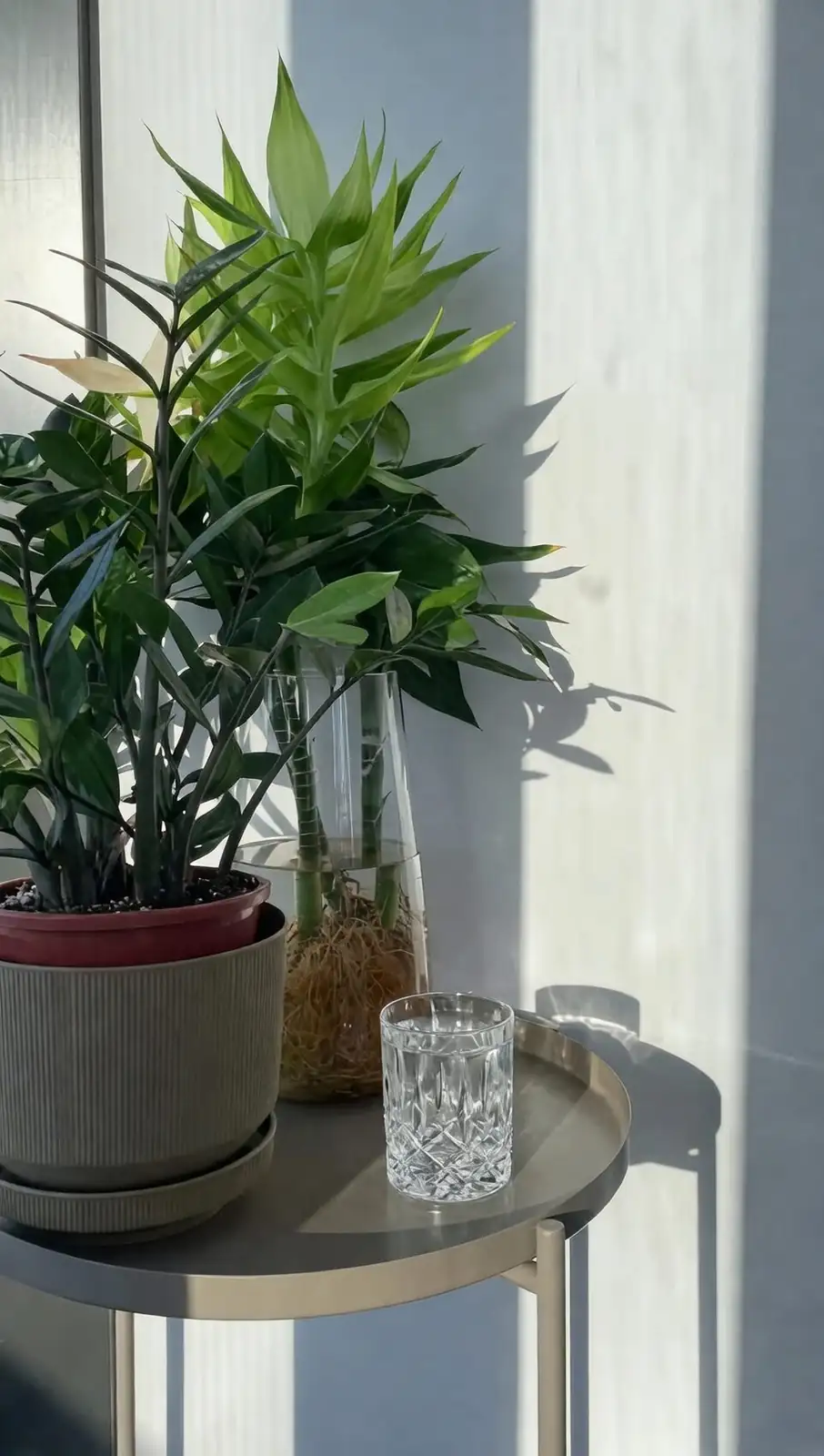
Lucky bamboo without the guesswork: Dracaena sanderiana is a warm‑loving, cane‑forming dracaena from West Africa that just happens to look like bamboo. It’s equally happy rooted in a clean vase of water or potted in a breathable mix—if you match the method to your habits. Below, a practical, side‑by‑side guide that compares day‑to‑day care, keeps roots healthy, and shows you exactly when to switch methods. Decision trees at the end make it easy.
Meet the plant (quick ID)
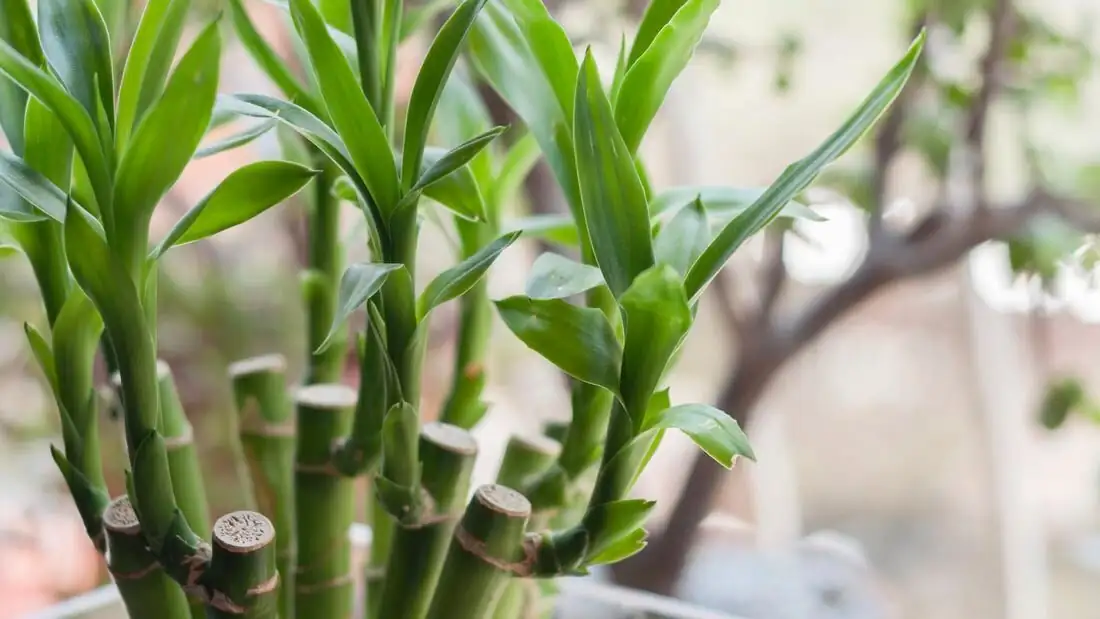
- What it is: Dracaena sanderiana, also sold as Lucky Bamboo, Ribbon Dracaena, Belgian Evergreen
- Look: Upright, bamboo‑like canes with glossy green (or striped) leaves clustered near the top
- Size indoors: Commonly 12–24 in (30–60 cm), can exceed 3 ft (1 m) if you let it
- Temperament: Easy, pruning‑friendly, tolerates lower light but grows best in bright, indirect light
- Notable: Often trained into spirals or braids; blooms are rare indoors
The big decision: water culture vs. potting mix
Water culture (in a vase, bowl, or tall glass)
- Best for: Minimal mess, modern displays, office desks, gifts, quick rooting of cuttings
- Strengths: Easy to see root health; simple to propagate; plants stay neat and compact
- Watch‑outs: Requires regular water changes and container hygiene; overfeeding fouls water; top‑heavy stems may need pebbles or support
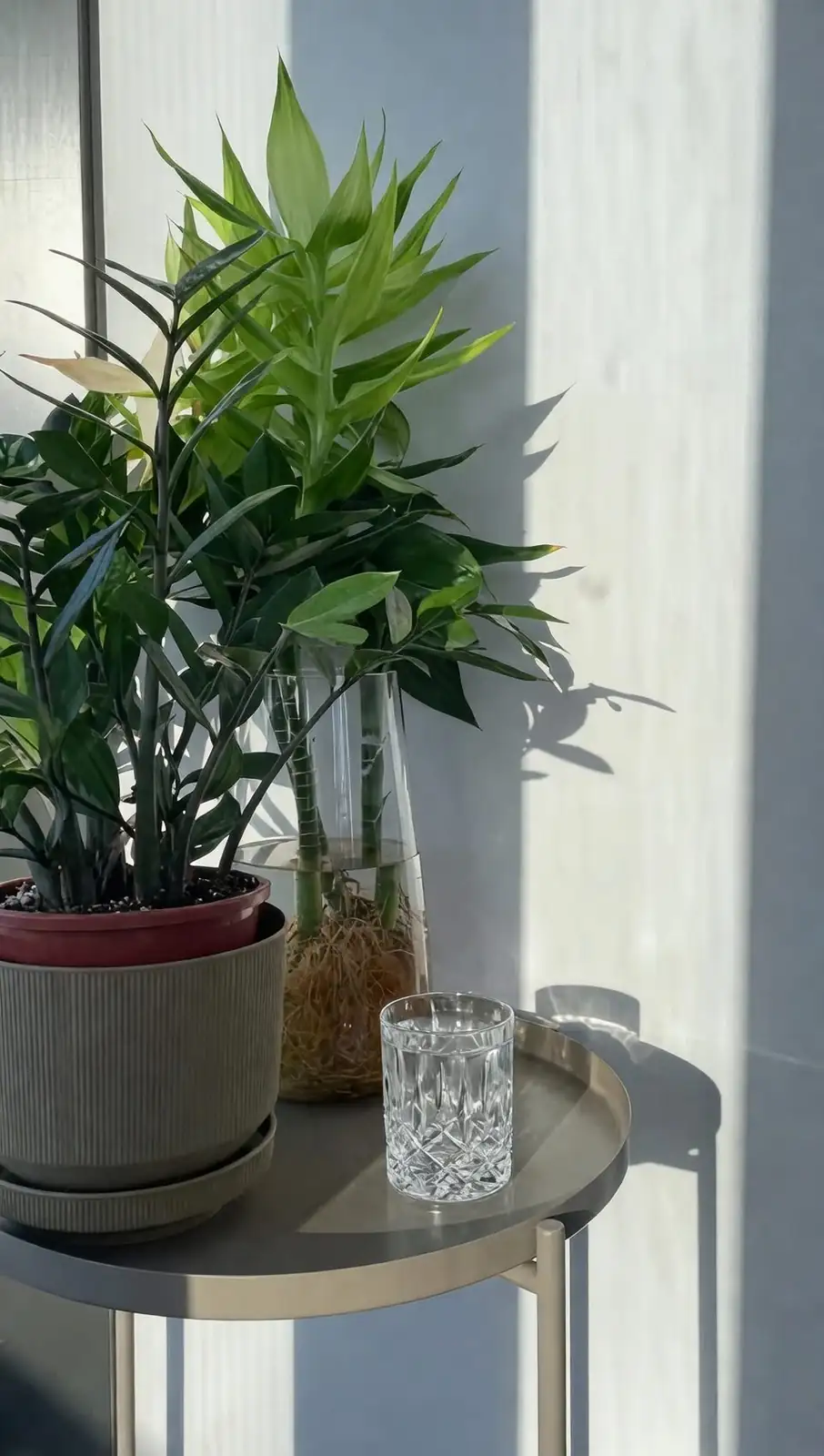
Potting mix (in a planter with drainage)
- Best for: Growers who prefer a “water, then forget” rhythm; taller, faster growth; more stability
- Strengths: Roots get air, fertilizer is simpler to manage; less algae risk; longer intervals between chores
- Watch‑outs: Overwatering can cause root rot; compacted soil and dark corners lead to weak, bendy canes
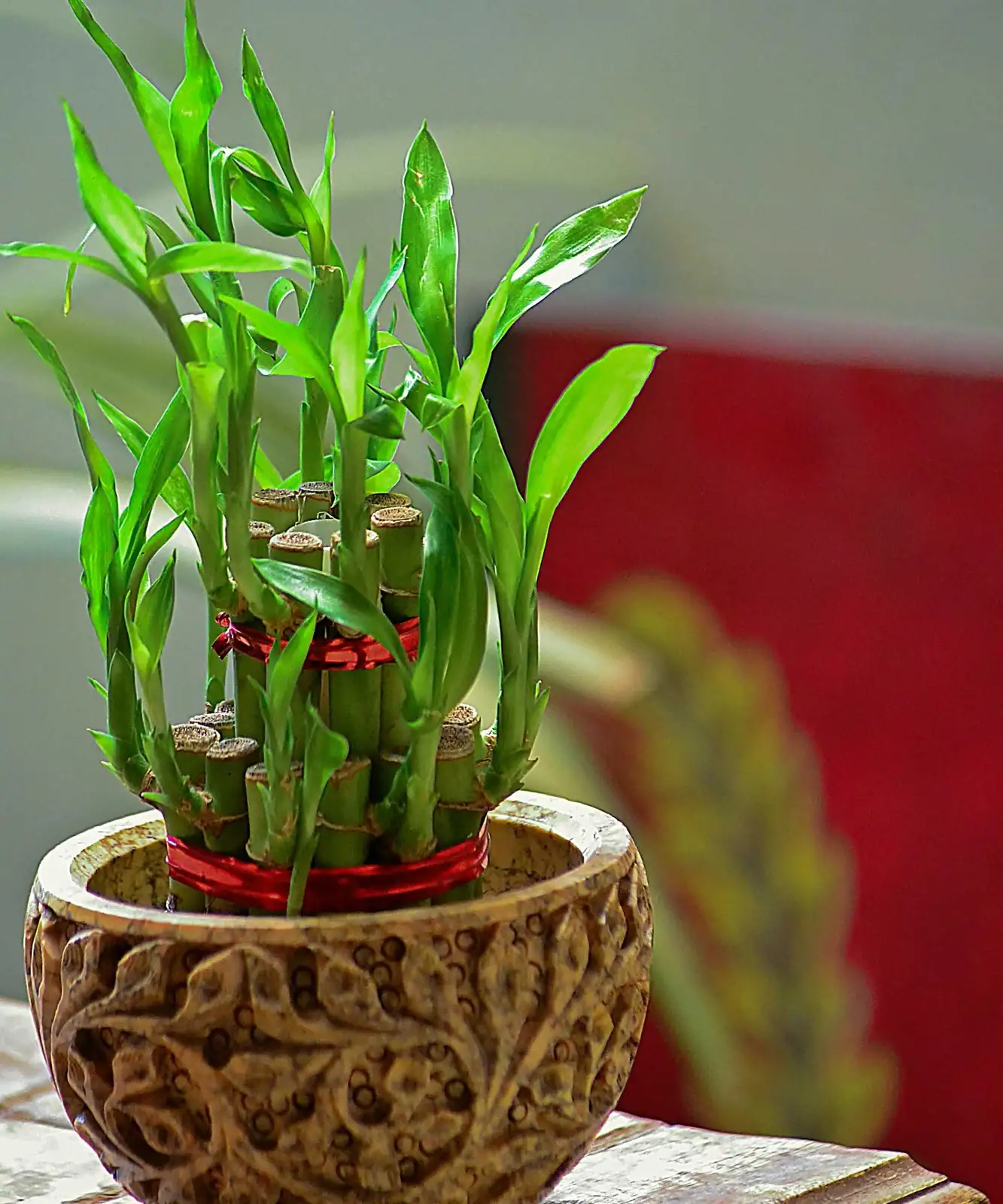
Light: the rules are the same either way
- Ideal: Bright, indirect light (about 50–70% filtered light). A bright east window or a south window with a sheer curtain is great.
- Tolerates: Lower light/shade, but growth softens, leaves may droop, and color can fade.
- Avoid: Harsh direct sun through glass—especially midsummer—which can scorch leaves.
- Pro tip: Rotate vases or pots every week for even, upright growth (it’s how spiral canes are trained—by slowly turning toward light).
Watering cadence, side by side
Water culture
- Water level: Keep roots submerged; leave a small portion of the root mass near/above the waterline if you like a bit more aeration.
- Changes and top‑ups:
- Fresh cuttings: Change water every 3–4 days.
- Once rooted: Change about weekly; rinse the container and any pebbles.
- Water quality: Use clean, preferably dechlorinated/aged water. Many growers use distilled or rainwater to reduce tip browning from minerals. If using tap water, let it stand overnight before use.
- Hygiene: At each change, remove any yellowing leaves and trim away slimy or blackened roots. Wipe the vase to deter algae.
Potting mix
- The mix: A fertile, well‑drained houseplant medium (all‑purpose potting soil or loam improved with compost/leaf mold plus a little perlite/sand).
- Spring–summer: Keep evenly moist; let the top of the mix dry slightly before watering again.
- Autumn: Gradually reduce frequency as growth slows.
- Winter: Keep slightly drier but never bone‑dry while kept warm. Always use a pot with drainage.
- Humidity assist: Prefers 50%+ humidity; in hot, dry spells, light misting 2–3 times per day can help prevent brown tips—especially while rooting new cuttings.
Fertilizer strategy and dilution (gentle wins)
- General principle: Feed lightly during active growth. Overfeeding leads to soft, floppy growth and can foul water or soil.
- Two safe schedules—choose one:
1) Dilute, balanced fertilizer (e.g., 20‑20‑20) once every 2 months
2) Very weak nutrient solution about every 2 weeks
- Water culture specifics:
- Be extra sparing. Use a very weak dose (think “tea‑colored,” roughly 1/8–1/10 of label strength) and only after a water change.
- Skip feeds if you see any film, odor, or algae; refresh water first.
- Potting mix specifics:
- Light feeding is sufficient. Either schedule above works; lean toward lower strength rather than higher.
Root health, hygiene, and troubleshooting
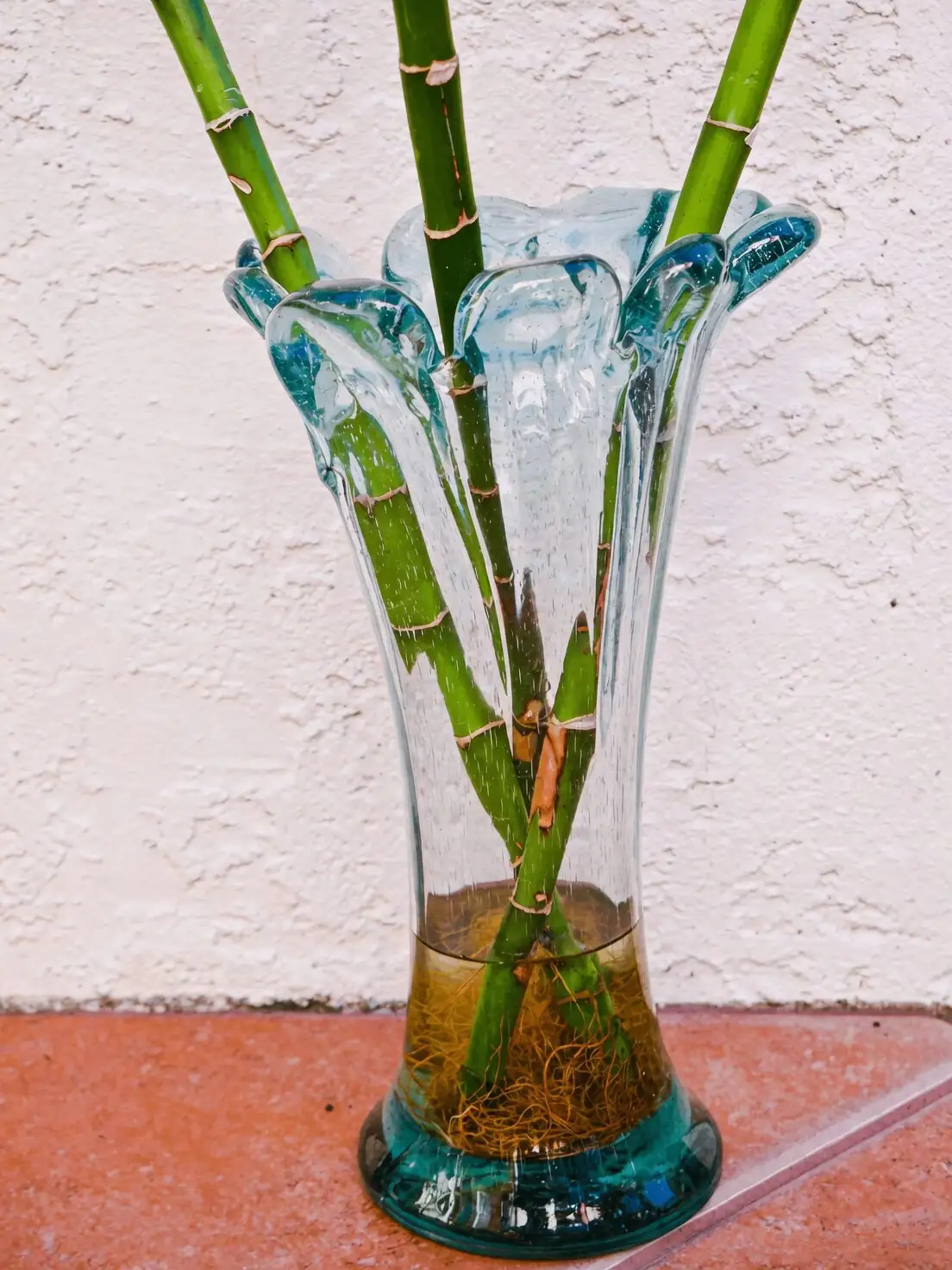
Water‑grown roots
- Look and feel: Firm, crisp, and often pale to tan/orange; they can form dense, vigorous mats over time.
- Red flags: Mushy, black, or foul‑smelling roots; cloudy water; rapidly yellowing canes from the base up.
- Fix, step by step:
1) Remove plant; discard water.
2) Trim all mushy roots back to healthy tissue with clean scissors.
3) Wash the container and pebbles; rinse thoroughly.
4) Refill with fresh, clean water; resume very light feeding only after stability returns.
Soil‑grown roots
- Look and feel: Firm, pale roots in a lightly moist, airy mix.
- Red flags: Sour smell from the pot, soggy mix, collapsing canes, persistent yellowing.
- Fix, step by step:
1) Slide plant out; trim dead roots.
2) Repot into fresh, well‑drained mix and a container with drainage.
3) Water once to settle, then let the top dry slightly before the next drink.
4) Improve light and airflow.
Leaf tips browning?
- Common causes: Dry air, mineral‑heavy water, or long gaps between water changes in vases.
- Remedies: Raise humidity (tray of pebbles + water, or gentle misting), use dechlorinated/aged or distilled/rainwater, and keep water/vases scrupulously clean.
When to switch methods (and how)
Switch from water to potting mix if:
- You can’t keep up with weekly water changes.
- Stems are getting tall and top‑heavy.
- You want faster, taller growth with more stability.
How to do it:
- Best practice: Take a 8–10 in (20–25 cm) tip cutting, remove lower leaves, and root it directly in a lightly moist, airy mix. Keep warm (77–86°F / 25–30°C) with higher humidity; roots form in ~3 weeks.
- Whole plant transfer: Pot gently into a breathable mix and keep evenly moist (not wet) for the first 2–3 weeks to help water‑type roots adapt. Bright, indirect light only.
Switch from potting mix to water if:
- You want a clean, sculptural display or to rehab a plant after trimming away rotted roots.
- You’re propagating fresh cuttings and want to monitor root growth.
How to do it:
- Rinse old soil away, trim dead roots, and place in clean, dechlorinated water. Change water every 3–4 days until rooted, then weekly.
Daily/weekly routines you can actually follow
Water culture
- Weekly: Change water; rinse vase and pebbles; trim any dead roots; top up to keep roots submerged.
- Biweekly to monthly (growing season): Add a very weak nutrient dose right after a water change.
- Ongoing: Bright, indirect light; rotate the vase for even growth.
Potting mix
- Weekly: Check moisture; water when the top of the mix has just dried.
- Every 6–8 weeks (or very weak every 2 weeks): Light feed during active growth.
- Spring: Repot or refresh mix yearly if crowded; prune tall canes to about 6 in (15 cm) above the base if needed—the stump usually resprouts.
Environment cheatsheet
- Light: Bright, indirect; avoid harsh sun. Low light is tolerated but slows, softens growth.
- Temperature: 64–86°F (18–30°C); strongest growth around 77–86°F (25–30°C). Keep above 50°F (10°C); cold injury can occur below 41°F (5°C).
- Humidity: 50%+ preferred; mist in hot, dry spells.
- Outdoors: Frost‑tender; suitable year‑round only in frost‑free, warm climates (roughly USDA 10–12).
- Placement: Desks, living rooms, bright bathrooms—away from cold drafts or AC blasts.
Pruning and propagation, simplified
- Pruning: To stop bending or toppling, cut canes back to about 6 in (15 cm) above the base. The stump typically resprouts from nodes; the top can be rooted as a new plant.
- Propagation timing: Early summer to midsummer is ideal.
- Methods:
- Water: 8–10 in (20–25 cm) tip cutting; remove lower leaves; clean water; change every 3–4 days; roots in ~3 weeks.
- Mix: 4–6 in (10–15 cm) cane sections in moist sand or a light mix at 77–86°F (25–30°C); rooting in ~20–25 days.
Pests, cleanliness, and safety
- Common pests: Scale, thrips, aphids. Treat early with insecticidal soap or horticultural oil and isolate if needed.
- Disease drivers: Stagnant/dirty water, filthy containers, poor airflow, chronic overwatering in soil.
- Toxicity: Like other dracaenas, toxic to cats and dogs if chewed (drooling, vomiting, lethargy). Place out of reach.
Style notes and symbolism
- Décor tips: Pebbles can stabilize stems and hide roots in vases—rinse them well and keep water changes consistent to reduce algae.
- Why it’s “lucky”: In feng shui and popular culture, canes are gifted to symbolize prosperity, harmony, and longevity. Treat this as cultural symbolism, not a botanical trait—your plant’s “luck” still hinges on light, warmth, and clean water.
Decision trees for beginners
1) Choosing your growing method
- Do you enjoy a quick weekly plant routine (rinse vase, change water)?
- Yes → Choose Water Culture.
- No → Choose Potting Mix.
- Do you want faster, taller growth and more stability?
- Yes → Potting Mix.
- No, I want a compact, tidy display → Water Culture.
- Is your space quite warm (above 77°F / 25°C) and bright but not sunny?
- Yes, and I can keep water clean → Water Culture works beautifully.
- Yes, but I travel or forget chores → Potting Mix is safer.
- Are curious pets likely to drink from or tip a vase?
- Yes → Potting Mix (and keep out of reach; plant is toxic if chewed).
- No → Either method.
2) Troubleshooting yellowing or browning
- Are lower leaves slowly yellowing, with firm canes and normal roots?
- Likely natural aging + low light. Trim old leaves; increase light (bright, indirect).
- Are canes yellowing from the base, roots mushy, water cloudy or soil soggy?
- Rot. Water culture: trim dead roots, deep‑clean container, refresh with clean water, pause fertilizer. Potting mix: unpot, trim, repot into fresh, airy mix, reduce watering.
- Are leaf tips browning but roots/canes look healthy?
- Dry air or mineral‑heavy water. Raise humidity; switch to dechlorinated/aged, distilled, or rainwater; resume gentle care.
- Are stems leaning or floppy with pale growth?
- Insufficient light or overfeeding. Move to brighter indirect light; cut fertilizer strength/frequency.
Bottom line
- Pick Water Culture if you like simple, weekly upkeep and a clean, compact look.
- Pick Potting Mix if you prefer longer intervals between chores, more stability, and quicker vertical growth.
- In both cases, bright filtered light, warmth, and gentle feeding are the “luck” your Lucky Bamboo actually needs.