

Imagine a bowl of crystal water sprouting sleek green leaves and clusters of starry, perfumed blooms—no potting mix in sight. That’s the quiet magic of Narcissus tazetta (paperwhite narcissus) grown in water. With a few smart tweaks—precise water depth, clean routines, cool air, and good light—you’ll get sturdy stems, clear glass, and weeks of winter cheer.
Meet Narcissus tazetta, the water-culture natural
- Commonly called paperwhite narcissus (also Chinese sacred lily within the tazetta group)
- Origin: Mediterranean; famously easy to “force” indoors in winter
- Bloom window: typically 4–6 weeks from setup
- Ideal indoor size: about 20–45 cm (8–18 in) tall in bowls or vases
- Fragrance: sweet and strong; a little flower power goes a long way
The crystal‑clear water culture method (step‑by‑step)
Gear checklist
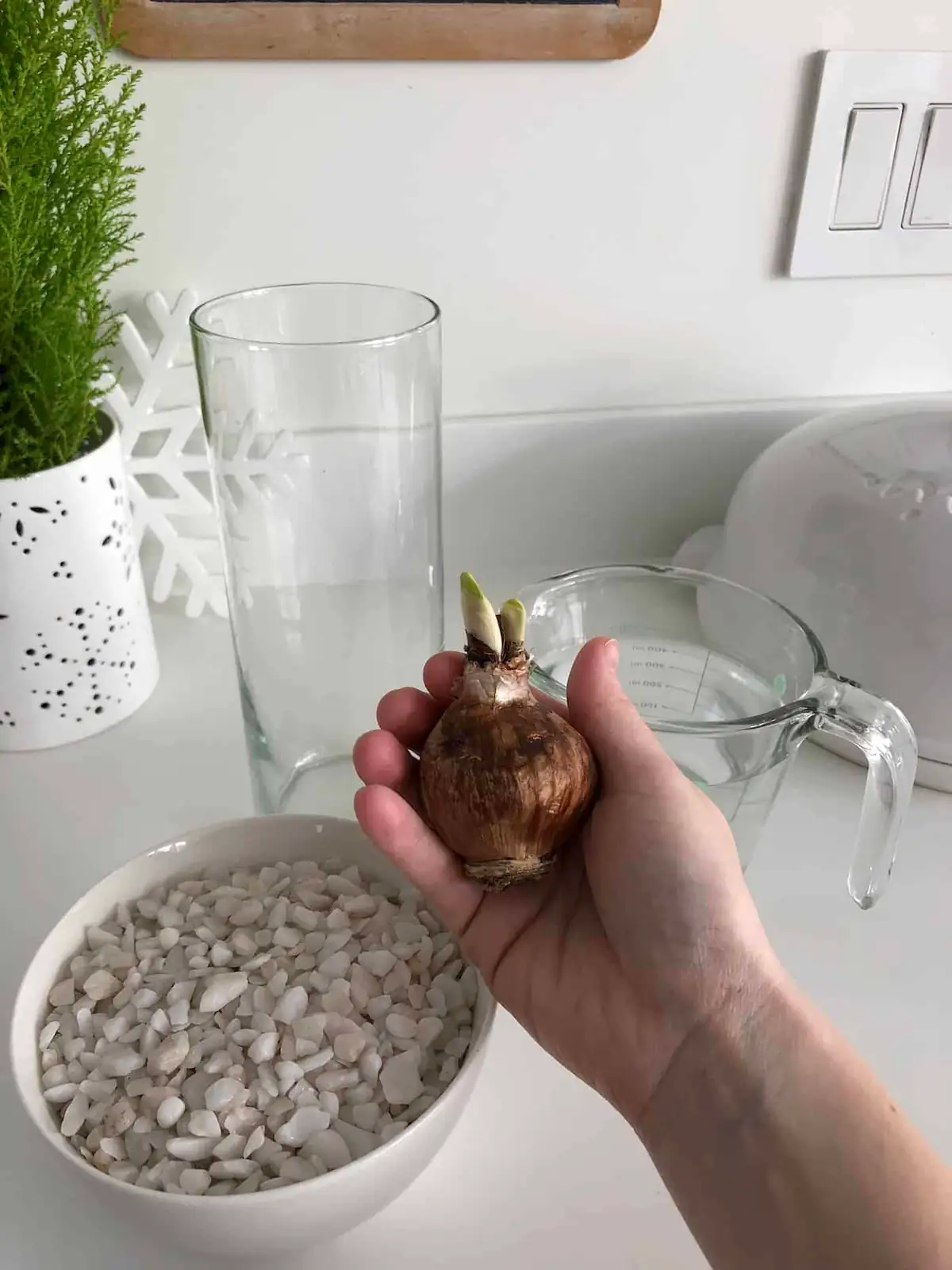
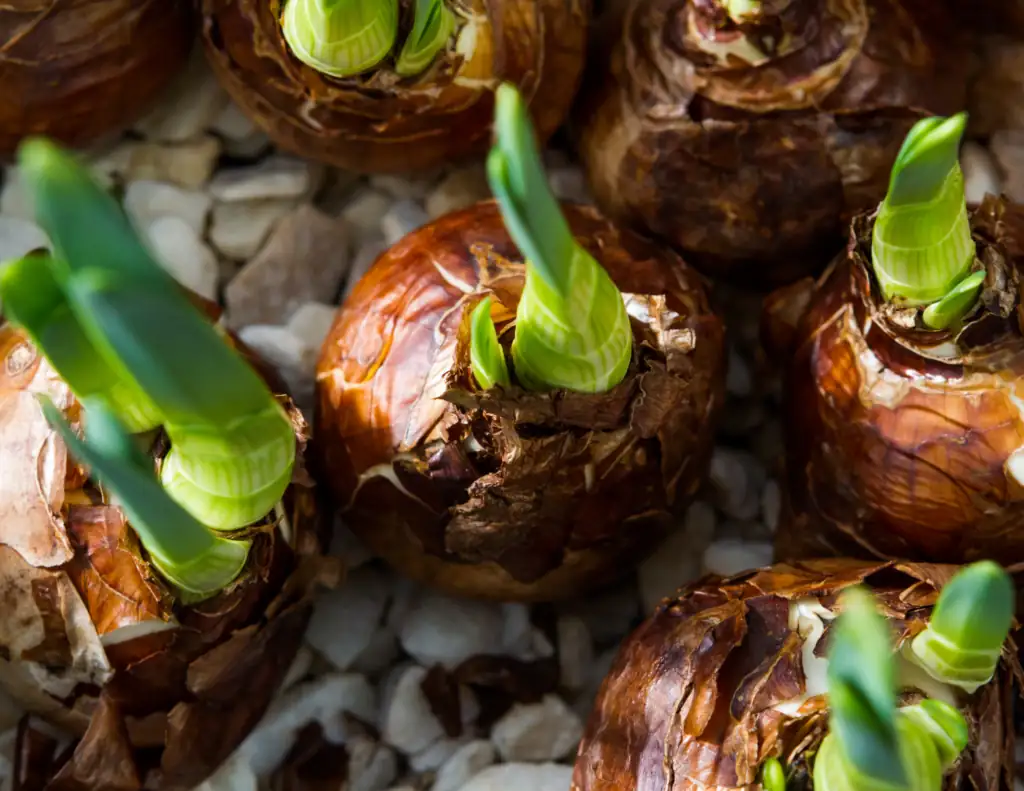
- Bulbs: firm, heavy, with intact papery skins (no soft spots or mold)
- Vessel: clear glass bowl, low dish, or tall forcing vase (taller glass gives built‑in support)
- Clean pebbles or glass beads: rinsed thoroughly; aquarium gravel works well
- Fresh water: room‑temperature tap water is fine (avoid softened water)
- Optional: a bit of aquarium‑grade activated charcoal in a mesh sachet to help clarity

Prep like a pro (hygiene is everything)
- Rinse bulbs and pebbles under running water to remove dust and spores.
- If you carve/trim bulbs for decorative displays, rinse away sticky sap and let cuts dry (callus) in a ventilated, lightly shaded spot before placing in the bowl. This reduces rot risk.
Set the waterline: roots in, bulb dry
- Arrange a 3–6 cm (1–2½ in) layer of pebbles. Nestle bulbs so they’re stable and about halfway “seated.”
- Add water slowly until it’s just at—or a hair below—the basal plate (the flat bottom where roots emerge). The goal:
- Roots: yes, in water.
- Bulb body: no, kept mostly dry.
- As roots elongate, maintain the water so it just touches the root tips. Never let water creep up around the bulb.
Why it works: Narcissus tazetta loves having its roots wet but its bulb dry. Submerging the bulb body is the fast lane to rot.
Light, temperature, and airflow (for compact, sturdy growth)
- Light: Bright light to full sun indoors; a bright east or south window is ideal.
- Temperature: Cool is gold. Aim for 10–20°C (50–68°F) during growth; 5–15°C (41–59°F) makes stems notably shorter and sturdier.
- Airflow: Give plants breathing room and a gentle stream of fresh air. A small fan on low across the room helps prevent mold and floppiness. Keep away from radiators and hot air vents.
Water refresh schedule (for clarity and health)
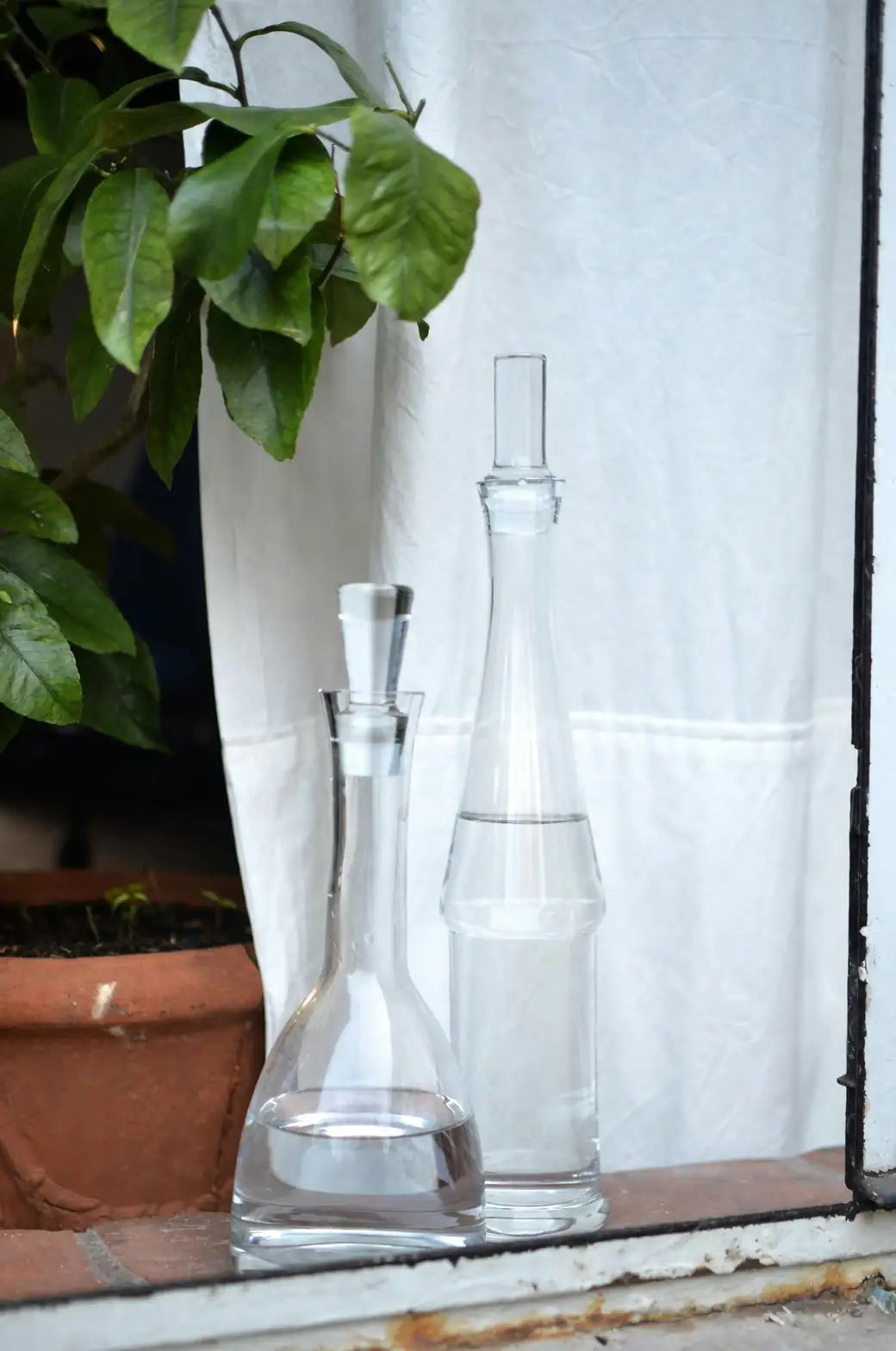
- Early phase (roots initiating): Refresh daily. Dump, rinse the container and pebbles if easy, and refill with fresh water at the correct level.
- Budding to bloom: Once buds are well formed and growth is steady, shift to about once weekly refreshes. In a warm room or if the water clouds, rinse mid‑week too.
- Top-ups: If water drops below the roots between changes, top up carefully without wetting the bulb.
Tip for crystal clarity: When refreshing, use a turkey baster to siphon water without disturbing roots, then pour fresh water down one side to avoid stirring any fine silt.
Preventing rot and algae (the clean-water playbook)
Rot-proofing habits
- Keep the bulb body dry. Recheck that the waterline never rides up around the bulb.
- Stay cool and bright. Warm, dim rooms = weak stems and higher rot risk.
- Clean changes. Each refresh is a mini reset—clear water, clean rim, quick rinse.
- Space bulbs slightly apart so air can flow between them.
- Remove any decaying leaf tips promptly and refresh the water.
Algae control for a showcase-clear bowl
- Light management: Algae thrives where light meets water. Use tinted/opaque vessels, or wrap the lower third of a clear vase with paper or ribbon to shade the root zone.
- Frequent refreshes at the start starve algae before it establishes.
- Rinse pebbles well if you spot green film; a soft bottle brush cleans glass fast.
- Skip sugars and flower food in the water—they feed algae and bacteria.
- Optional assist: a small sachet of activated charcoal tucked among pebbles helps keep water sweet between changes.
Height, shape, and support (so they don’t face‑plant)
The essentials for compact growth
- Cool temperatures + maximum light are the biggest levers. Aim low on heat, high on sun.
- Rotate the bowl every few days for even growth.
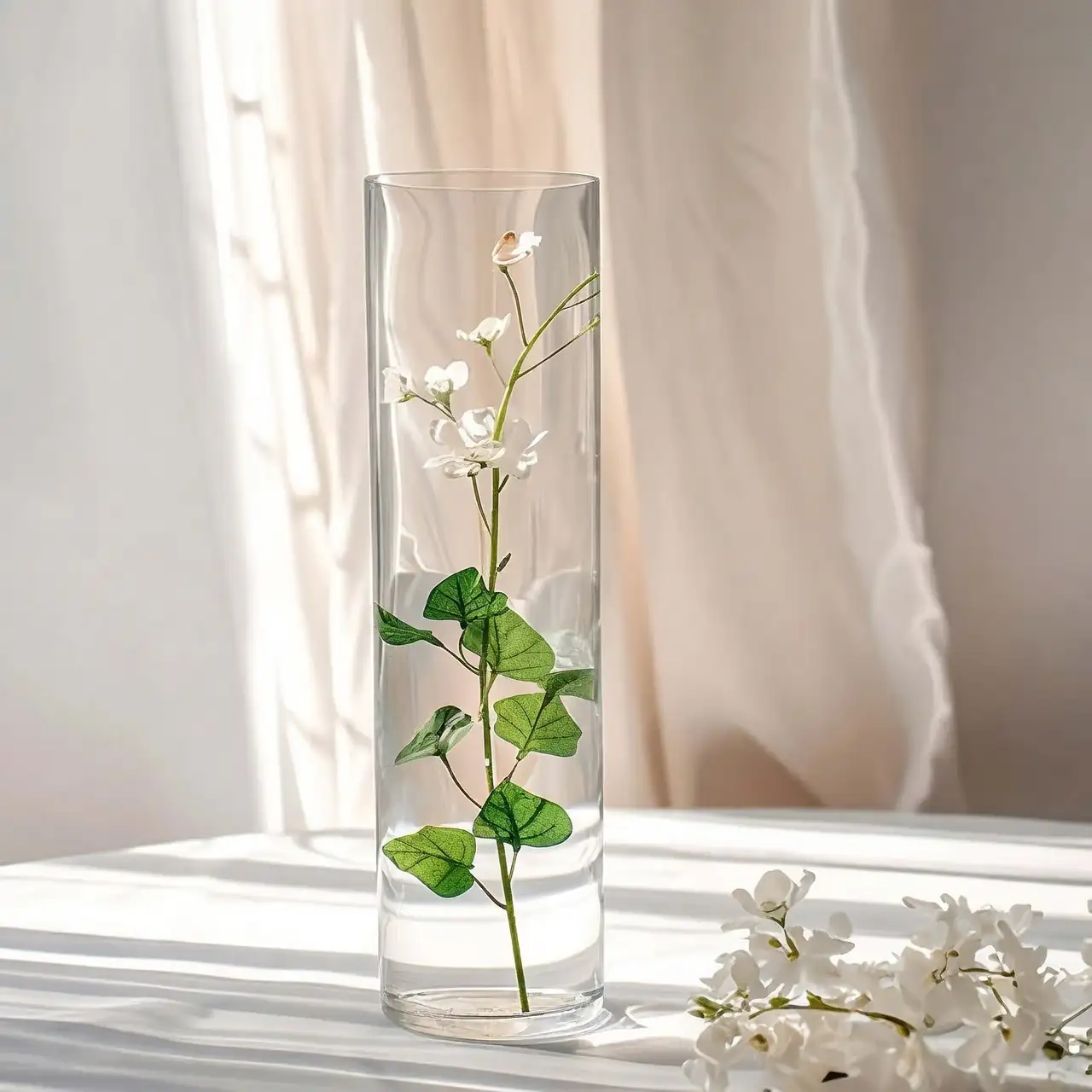
- Use a taller cylinder vase if you love glass: the sides act as invisible stakes.
- Grouped bulbs can help each other stay upright, but don’t cram—leave a finger’s width between bulbs for airflow.
The “gin and tonic” trick (optional)
To intentionally keep stems shorter, some growers switch to a dilute alcohol solution after shoots are 2–5 cm (1–2 in) tall. A roughly 5% alcohol solution (made from clear spirits or rubbing alcohol—never beer or wine) can reduce height without harming bloom. If you try it, use it only during active growth and return to plain water for your weekly refreshes. Cool temps + bright light still do the heavy lifting.
A simple timeline (from day 0 to bloom)
- Days 0–7: Set bulbs, waterline at/below basal plate. Bright light, cool room, daily water refreshes. Roots begin.
- Week 2–3: Shoots lift, buds appear. Keep it cool and bright. Refresh weekly, with extra rinses if water clouds.
- Week 4–6: Bloom time. Maintain shallow, clean water touching only roots. Avoid splashing flowers to reduce spotting.
- After bloom: Snip spent flowers; keep leaves in bright light until they yellow naturally.
Keeping bulbs after the show
- Short-term water displays don’t need fertilizer.
- Want to keep bulbs long term? After flowering, continue bright light and allow the leaves to “recharge” the bulb. Then:
- Transition bulbs to a pot with a free‑draining bulb mix (or plant outdoors in mild climates).
- Feed lightly during active leafy growth.
- Reduce watering as leaves yellow; let bulbs go dry and cool for dormancy.
Note: Many people treat water-grown paperwhites as seasonal, but with patience you can nurse them along for future years.
Quick troubleshooting
- Stems tall and floppy:
- Move to brighter light and cooler air (5–15°C / 41–59°F is ideal).
- Rotate the bowl; consider a taller vase for side support.
- Optional: switch to the dilute alcohol method mid‑growth.
- Bulb or base looks mushy:
- Waterline is too high or air is too warm/stagnant. Lower the water to just touch roots, improve airflow, and refresh water more often. Remove any decaying tissue and keep the bulb body dry.
- Cloudy water or green film:
- Increase refresh frequency; rinse pebbles and glass; shade the root zone from light.
- Leaves but no flowers:
- Bulbs were likely too small/immature or exhausted. Next time, choose larger, heavier bulbs and keep foliage post‑bloom until it yellows.
- Small insects on buds/leaves:
- Aphids sometimes appear indoors. Rinse gently under lukewarm water and improve airflow.
Safety note
All parts are toxic—especially the bulbs. Keep out of reach of children and pets. Sap can irritate sensitive skin; wash hands after handling.
A note on symbolism and tradition
Paperwhite narcissus is a classic emblem of renewal and new beginnings—spring arriving early on a windowsill. In East Asian winter and Lunar New Year traditions, 水仙 is tied to prosperity and good fortune, and the art of carving/training bulbs turns the plant into living sculpture. In Western lore, the name echoes the Greek myth of Narcissus and themes of reflection and self‑regard. These meanings are cultural, not botanical—but they add a lovely layer to your clear‑glass display.
Pro tips for a gallery‑worthy bowl
- Seat bulbs securely: a snug bed of rinsed pebbles prevents wobble and bruised stems.
- Shade the root zone: tint, wrap, or use a footed vase to block light from the water line.
- Siphon, don’t slosh: use a baster to refresh water without stirring sediments.
- Keep it cool at night: a chill drop extends bloom life noticeably.
- Don’t rush the waterline: better slightly low than slightly high—your bulbs will thank you.
Set the roots in water, keep the bulbs dry, and let cool, bright air do the styling. The result: crystal‑clear water, upright stems, and that unmistakable paperwhite perfume lighting up the room.


