

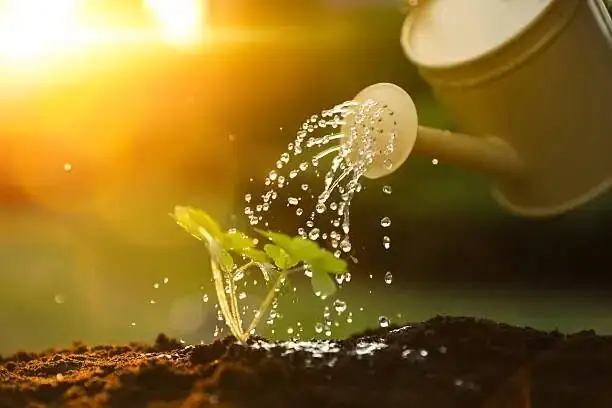
If you’ve ever wanted a living sculpture for your desk, few plants put on a more photogenic show than Castanospermum australe. Those glossy, chestnut-like seeds split into two thick green “ingots,” lifting a fan of fresh leaflets like a tiny flag of triumph. It’s often sold as a “money tree” for that reason—and yes, you can display seedlings in water for a while without sacrificing their good looks. Here’s how to stage them beautifully, know exactly when to shift to soil, and keep those iconic cotyledons camera-ready instead of collapsing into mush.
Meet the plant behind the show
- Scientific name: Castanospermum australe (family Fabaceae)
- Also marketed as: “Money Tree,” plus Black Bean Tree and Moreton Bay Chestnut
- Native range: Northeastern Australia
- Habit: Upright, evergreen tree that adapts well to life as a compact indoor plant
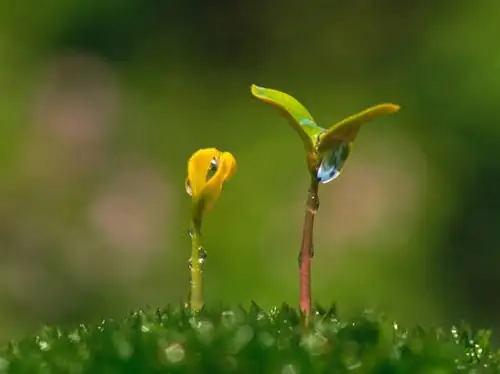
- Signature look: The round, chestnut-like seeds swell and open into two thick, green cotyledons; true leaves emerge as glossy, pinnate leaflets
Optimal indoor conditions (for both water display and potted culture):
- Light: Bright, indirect light to gentle partial shade; avoid harsh midday sun that scorches and triggers leaf drop
- Temperature: 20–28°C (68–82°F) for active growth; keep above 7°C (45°F) in winter (leaf drop is likely below ~5°C/41°F)
- Humidity: Prefers it on the humid side—mist in dry air, especially summer to autumn
Water-display, step by step (and science-backed)
Think of water display as a short art residency for your seedling—great for photos and admiring the form, then on to a permanent home in soil.
What you’ll need
- A clear glass vessel tall enough to keep water below the cotyledons
- Inert support: glass pebbles or smooth river stones (well rinsed)
- Room-temperature, low-mineral or dechlorinated water
- Optional: a few small pieces of rinsed activated charcoal in the pebble layer to help keep water clear
How to stage it
- Rinse and inspect: Remove all compost fragments from the roots; snip away any mushy or brown root tips with clean scissors.
- Seat the seed: Nestle the seed so the radicle and roots hang freely into the gap between stones. Keep the seam and cotyledons well above the waterline.
- Set the waterline: Add water to just cover the roots—never the cotyledons. Those “ingots” are storage leaves, not gills; keeping them dry is rule number one against rot.
- Place with finesse: Bright, filtered light (east window or a south window with a sheer) shows off the cotyledons’ satin-green glow while protecting young foliage.
Weekly care routine (keep it clean, keep it crisp)
- Change water weekly (twice weekly in heat). Rinse roots gently and swish the vessel clean to disrupt biofilm.
- Top up with fresh water to root level only. If algae forms, shorten the light intensity or duration slightly and clean more often.
- Mist the leaves (not the cotyledons) once or twice a week in dry air. Good airflow helps the cotyledons stay firm and blemish-free.
Keeping the cotyledons camera-ready (and rot-free)
Think of rot as a mix of excess moisture, stagnant air, and low light conspiring against you. Break the triangle:
- Waterline discipline: Keep water strictly at root level; never wick moisture into the cotyledons.
- Airflow: Give the plant a bit of breathing room—no lids, no cling film, no terrarium-style fogging over the cotyledons.
- Light: Bright, indirect light keeps tissues firm and green; direct midday sun can scorch, then secondary rot follows.
- Hygiene: Crystal-clear glass and regular water changes matter more than any additive.
Spotting early trouble and what to do:
- Cotyledon edges turning translucent or browning: Waterline is too high or humidity is trapped; lower water, increase airflow.
- Mushy, beige root tips: Beginning root rot; trim to healthy white tissue, refresh water, reduce heat spikes.
- Pale, stretched new leaves: Light too weak; move closer to bright, filtered light.
- Sudden leaf drop after a sunny day: Sun scorch or heat stress; pull back from direct sun and raise humidity.
When it’s time to transition to soil
Don’t use a calendar—use the plant. Move your seedling when you notice any of these:
- Two to three sets of true leaflets have formed and new growth is steady but slowing in water.
- Roots have branched significantly or circle the vessel, and water changes no longer perk it up.
- The cotyledons begin to thin or wrinkle as their stored energy is spent.
- Algae or biofilm builds up fast despite good hygiene (a sign the system is “overripe”).
- Warmer months and bright conditions are available to help it establish.
Tip: Aim for the main growing season. Spring to summer provides light and warmth that speed recovery after potting.
Potting day: from vase to forever home
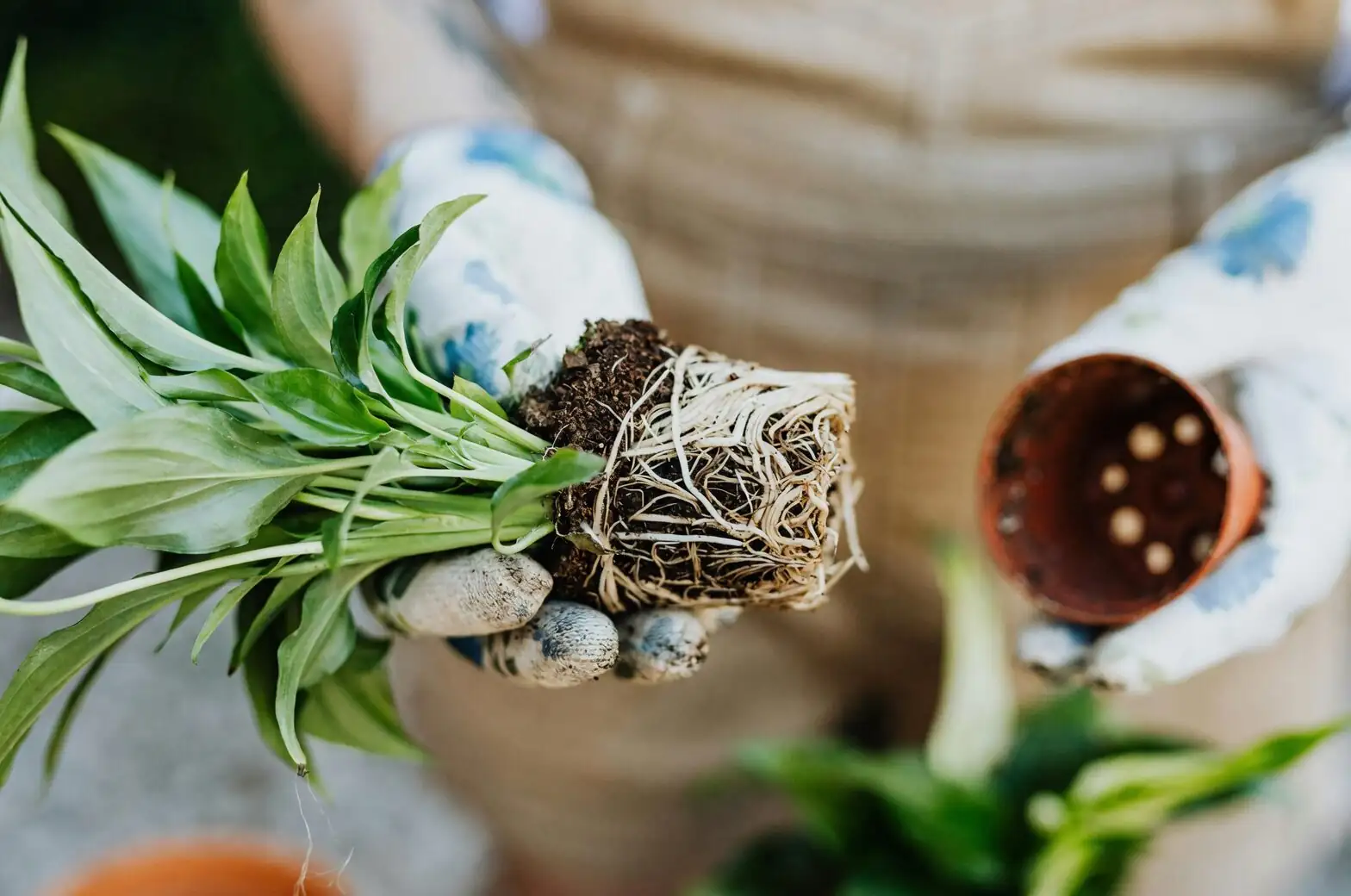
Soil matters. This species likes it rich and free-draining—moist, not muddy.
- Pot size: 5–15 cm (2–6 in) to start—snug rather than cavernous, with a drainage hole.
- Mix recipe: A fertile, well-drained blend such as loam or quality potting soil + peat-based medium + coarse sand, with a small amount of well‑rotted organic fertilizer. Avoid waterlogged mixes.
- The move:
- Rinse roots and snip away any soft or blackened portions.
- Plant so the root collar sits just below the surface; keep the cotyledons above the mix and dry.
- Water thoroughly to settle the mix, then let excess drain. You want evenly moist—not soggy.
- Place in bright, indirect light or light partial shade while it re-establishes.
- Feeding: During the growing season, feed lightly every 2–3 months with a balanced fertilizer. Overfeeding makes lanky, floppy growth.
- Aftercare: Mist foliage in dry air about twice weekly; ease off watering in winter; keep temperatures above 7°C (45°F).
Styling and photography tips
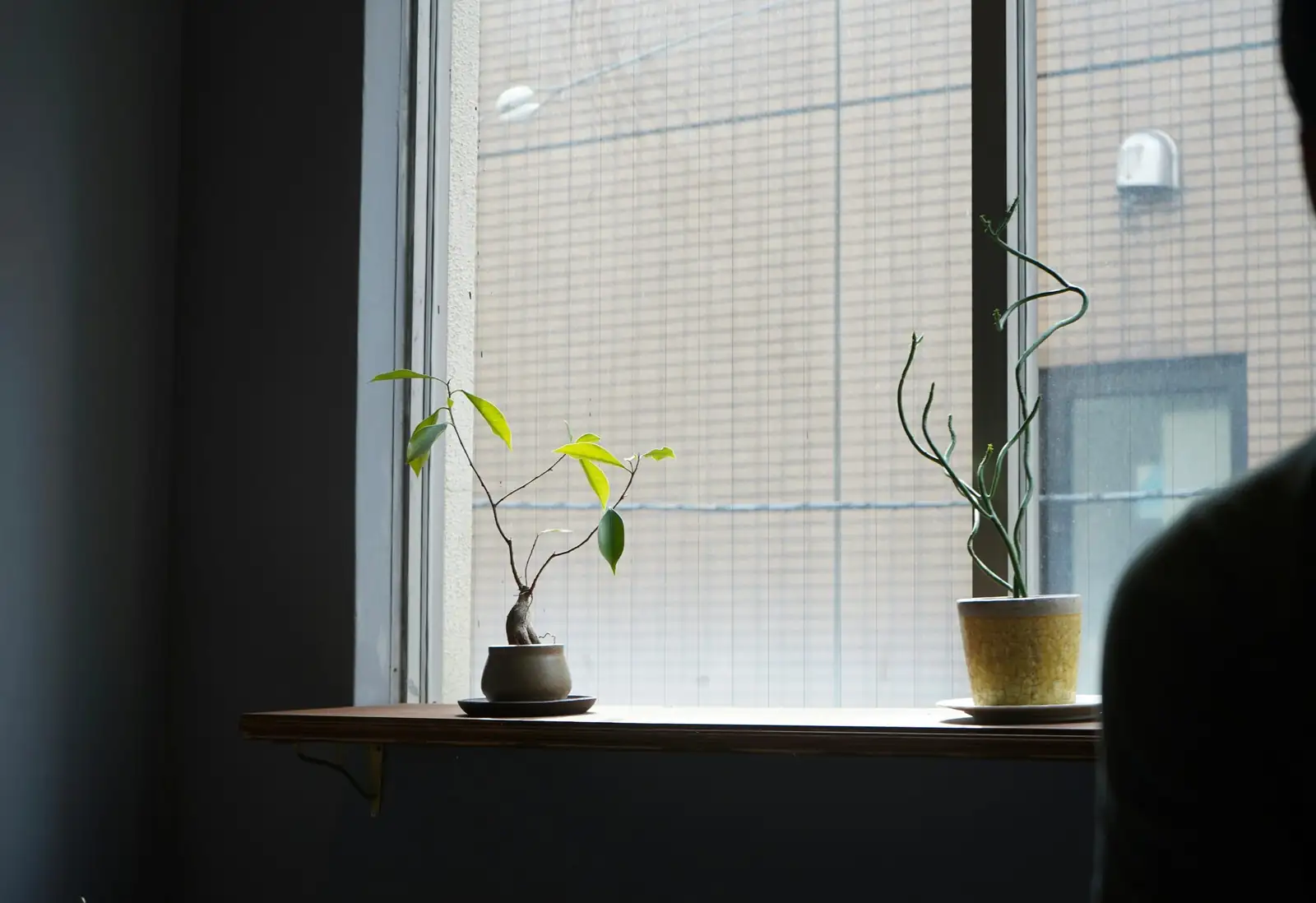
- Background: A dark or neutral backdrop makes the emerald cotyledons pop.
- Angle: Shoot slightly upward so the cotyledons frame the emerging leaflets like a jewel setting.
- Shine check: Wipe the glass and leaves before photos; avoid water beads on cotyledons, which can leave marks.
- Placement: Desk or counter near a bright window filtered by a sheer—glamour without scorch.
Pruning, repotting, and the long game
- Height control: If it gets leggy, pinch or cut back shoot tips in autumn to winter to encourage branching.
- Repotting: About every 2 years—trim old or rotten roots, refresh the mix, and keep in partial shade while it settles.
- Big ambitions: With time and space, it can be trained into a handsome 1–2 m indoor specimen.
Pests, diseases, and plant safety
- Watch for: Spider mites and scale; treat with a thorough rinse and horticultural oil/soap if needed.
- Disease notes: Can develop rust—improve airflow, avoid prolonged wet foliage, and treat early with an appropriate fungicide where permitted.
- Safety: Household toxicity isn’t reliably established in this source. As a precaution, keep seeds and plant parts away from pets and children and avoid ingestion.
Symbolism and the “money tree” mystique
This plant’s good-luck reputation is a modern, market-savvy story: those thick green cotyledons open like a pair of shiny ingots, so it’s often gifted as a prosperity charm. Think of its “flower language” not as an ancient code but as a contemporary metaphor—steady growth, stored reserves, and green abundance right on your windowsill.
Quick specs for success
- Light: Bright, indirect to partial shade; avoid harsh midday sun
- Water (potted): Evenly moist in growth; never soggy
- Water (display): Waterline at roots only; change weekly
- Temperature: 20–28°C (68–82°F); keep above 7°C (45°F)
- Humidity: Higher is better—mist foliage in dry air
- Feeding: Every 2–3 months in the growing season
- Best seasons: Spring–summer for growth and transitions
Mini‑FAQ for experimenters
- How long can I keep it in water? It’s a display phase—weeks to a few months is typical. For sustained vigor and long-term growth, transition to soil.
- My cotyledons are shriveling—did I do something wrong? Not necessarily. They’re energy stores and naturally deplete. Keep them dry, in bright filtered light, and avoid heat spikes to slow the fade.
- Can I keep it compact and neat? Yes—restart from fresh seed for that classic “ingot” look, or grow several strong seedlings together in a slightly deeper pot for a fuller display.
With a clean glass, careful waterline, and gentle light, Castanospermum australe delivers a show worthy of its “lucky” reputation—first as a floating jewel, then as a resilient evergreen companion that graduates beautifully to soil.