

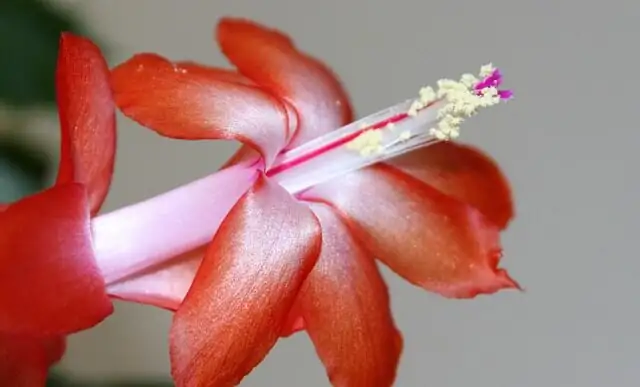
Think “rainforest cactus,” not desert survivor. Hatiora gaertneri—better known as Easter Cactus—naturally perches on tree branches or rock crevices in Brazil’s coastal mountains. Its roots expect fresh air, fast drainage, and a touch of acidity. Build the right mix, and you’ll get a full, bushy plant that erupts in star-shaped flowers right around spring.
Meet Hatiora gaertneri at a glance
- Also listed as Rhipsalidopsis gaertneri or Schlumbergera gaertneri; family Cactaceae; genus Hatiora
- Native to southeastern Brazil; epiphytic on trees or rocks in tropical/subtropical rainforests
- Size: about 6–12 in tall, 1–2 ft wide; semi-trailing, perfect for hanging baskets
- Stems: flat, fleshy, scalloped segments; new growth can blush purplish-red; reddish edging in good light
- Flowers: star-shaped, in red, pink, orange, purple, or white; open by day, close at night; heaviest in spring (March–May)
- Light and climate: bright filtered light; 60–75°F (15–24°C) most of the year; likes ~50%+ humidity; sheltered shade outdoors in warm zones (USDA 10–12)
—
The fast-draining, airy mix this epiphyte craves
Here’s a simple, proven recipe that mirrors a mossy tree-branch substrate: light, springy, and oxygen-rich.
DIY Easter Cactus mix (by volume)
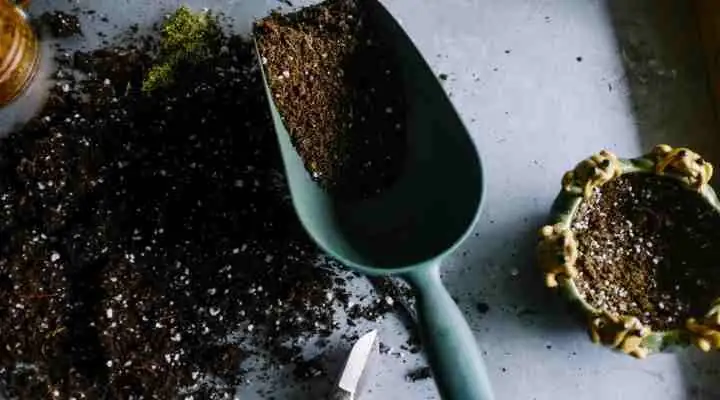
- 40% fine to medium orchid bark (fir or pine; pieces ~1/8–3/8 in / 3–9 mm)
- 30% perlite (or pumice) for extra porosity
- 30% high-quality cactus/succulent potting mix
Optional boosters (5–10% total, subbing in for part of the cactus mix):
- A small handful of horticultural charcoal to keep the mix sweet and airy
- A handful of bark fines if your bark chunks are very coarse and you need a touch more moisture retention
Target pH: slightly acidic, about 6.0–6.5
Why this works:
- Orchid bark provides the scaffold—think roots gripping a tree limb. It holds brief moisture films and dries quickly, preventing rot.
- Perlite (or pumice) adds macro-pores for airflow and rapid drainage, shrinking the risk of fungus gnats and root suffocation.
- Cactus mix contributes modest water- and nutrient-holding capacity so the plant doesn’t swing from soggy to bone-dry.
—
How to blend and pot for perfect drainage
- Prep ingredients
- Lightly moisten bark so it doesn’t float; rinse dusty perlite if needed.
- Combine
- Toss gently until you see even distribution of bark and perlite through the cactus mix.
- Choose the right pot
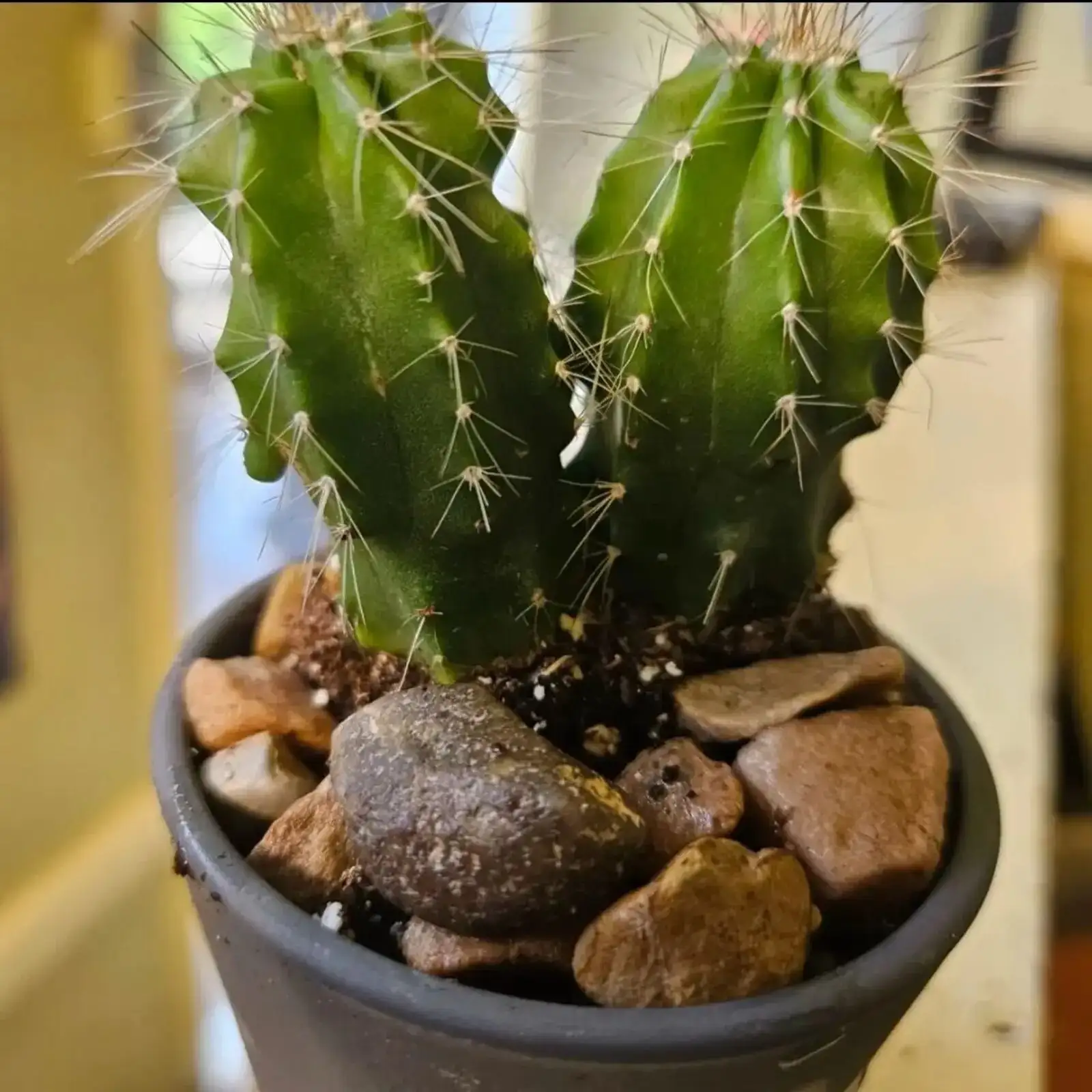
- Terracotta/clay breathes and speeds dry-down; plastic holds moisture longer. Always use a pot with a generous drain hole.
- Size up modestly—just 2–3 in (5–8 cm) wider than the old pot. Easter Cactus likes to be slightly pot-bound.
- Potting technique
- Place mesh over the drain hole; no gravel layer (it can slow drainage).
- Set the plant so the joints between segments aren’t buried.
- Fill, then wiggle a chopstick around the root ball to collapse hidden air gaps.
- Water thoroughly until it runs freely; let it drain completely.
Top-dressing tip: A thin layer of bark on the surface reduces compaction and improves evaporation at the top, deterring gnats.
—
pH targets and easy, gentle adjustments
- Sweet spot: pH 6.0–6.5, slightly acidic—close to what rainwater and leaf litter create in the canopy.
- Test: Use simple soil pH strips or a handheld meter on a saturated paste of your mix.
- If your mix skews alkaline (often from hard tap water): Water with rainwater, distilled, or mildly acidified water (a few drops of citric acid per liter/gallon—test and go slow).
- If your mix skews too acidic (<5.8): Blend in a pinch of dolomitic lime when mixing soil; recheck in 1–2 weeks.
Adjust gradually; big swings stress roots and can lock out nutrients.
—
Airflow: the unsung hero of healthy roots
Epiphytic roots thrive when oxygen is abundant and moisture is transient.
- Pot material: Terracotta boosts evaporation through the sides; great if your home is cool or humid.
- Spacing: Give plants elbow room—crowding traps humidity around stems and slows dry-down.
- Elevation: Use pot feet or a slatted stand so air circulates under the pot; never let it sit in a saucer of runoff.
- Gentle movement: A low, indirect fan or an open window (no cold drafts) helps thwart fungus gnats, mealybugs, and rot.
- Mix matters: Coarse particles create long-lived air pockets; avoid dense “garden soil” or heavy peat alone.
—
Watering and feeding with this airy mix
- Watering rhythm
- Spring–fall (active growth): Water thoroughly, then let the top portion of the mix dry before watering again. Aim for lightly and evenly moist—not soggy.
- In bloom: Don’t let the plant go bone-dry; moderate, consistent moisture keeps flowers from aborting.
- After flowering: Give a 2–3 week rest with less water.
- Late fall–winter: Reduce watering to help set buds.
- Feeding
- During active growth, feed monthly with a balanced fertilizer (e.g., 10-10-10 or 15-15-15), often at half strength.
- Start about 4–6 weeks after blooming ends.
- Slightly higher phosphorus can help when buds are forming.
- Pause feeding in fall/winter.
Pro tip: Always water first if the mix is very dry, then feed on the second pass. Fertilizer on bone-dry media can scorch fine roots.
—
Light, temperature, and humidity pointers
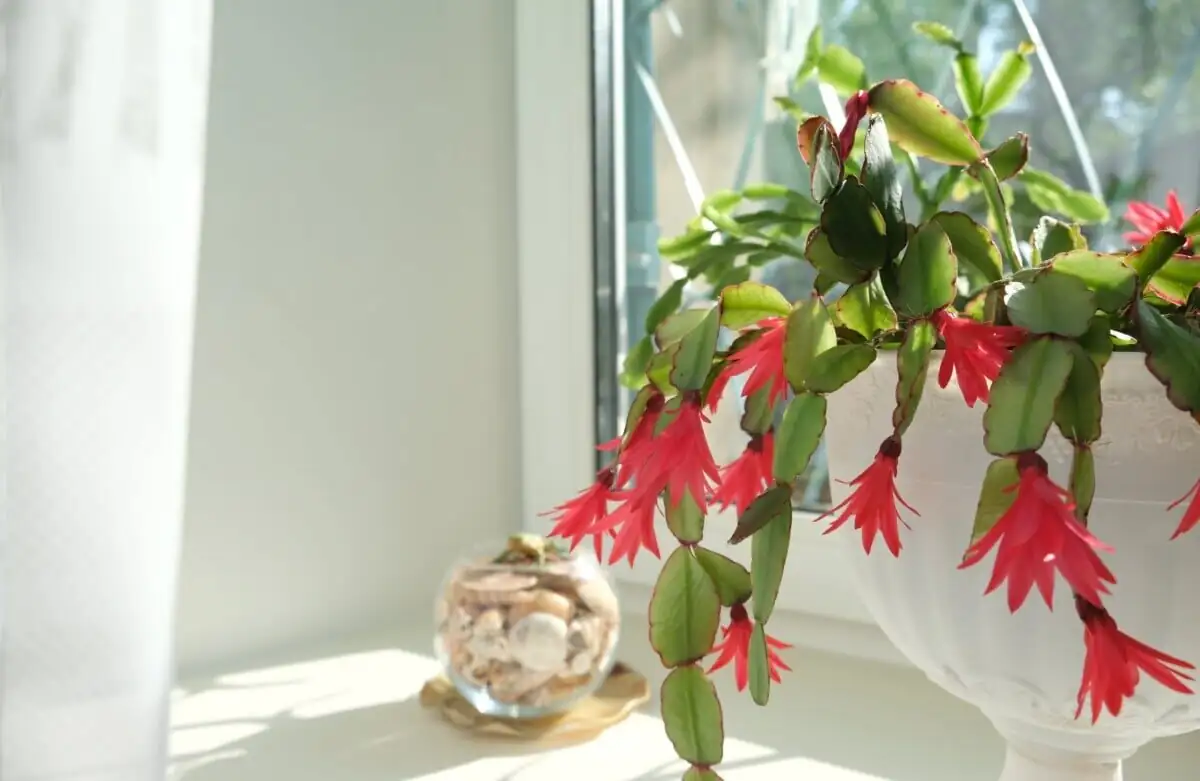
- Light: Bright, indirect light or partial shade. Gentle morning sun is fine if acclimated; avoid harsh midday rays that can scorch segments.
- Temperature: Best at 60–75°F (15–24°C); avoid below ~41°F (5°C).
- Humidity: Aiming for ~50%+ is ideal. Use a humidifier, pebble tray (with the pot above water level), or occasional misting.
—
Bud set and the spring show
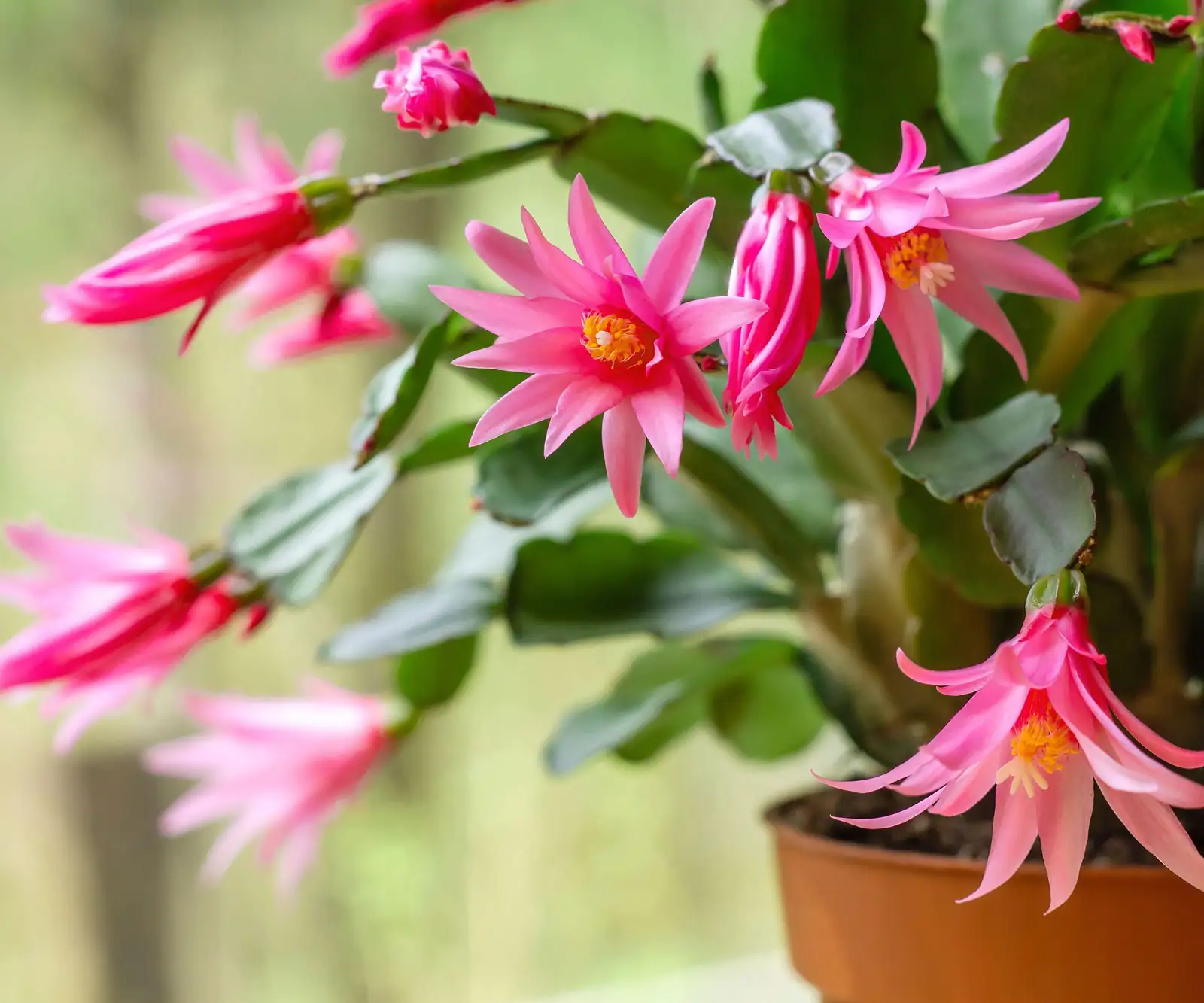
To nudge heavy blooming 6–8 weeks before your target display:
- Nights around 50–55°F (10–13°C)
- About 12 hours of uninterrupted darkness
- Slightly reduced watering
Keep light bright but filtered. Once buds appear, resume steady watering and avoid temperature or light shocks to prevent bud drop.
—
Troubleshooting the mix, moisture, and airflow
- Segments shriveling
- Likely cause: Underwatering or a root system that never rehydrated after repot. Remedy: Soak through, check for tight, water-repellent dry pockets, and adjust frequency.
- Yellowing, limp, or mushy segments
- Likely cause: Soggy, poorly aerated mix or a pot with sluggish drainage. Remedy: Repot into the airy recipe above; increase airflow; let excess drain fully.
- Reddish edging
- Often a sign of good light and vigor; extreme reddening can hint at too much sun—move to filtered light.
- Bud drop
- Common after a move or with watering swings, hot drafts, or very low humidity. Keep conditions steady and evenly moist (not wet).
- Fungus gnats
- Usually from a persistently wet, fine-textured surface. Increase bark/perlite, allow the top layer to dry between waterings, and improve airflow.
Pests to watch: mealybugs, scale, spider mites. Airy mix + drainage + airflow go a long way toward prevention.
—
Repotting rhythm
- Every 2–3 years, ideally in spring after flowering.
- Only step up slightly; Easter Cactus prefers being a bit snug.
- Prune right after bloom by twisting or cutting off end segments to encourage branching (more tips = more flowers).
—
Quick FAQs
- What’s the difference between Easter Cactus and Christmas Cactus?
- Easter Cactus has smoother, scalloped segments and star-shaped flowers, blooming in spring. Christmas/Thanksgiving types have more pointed “teeth” and tubular, asymmetrical flowers, blooming late fall to winter.
- Can it go outdoors?
- Yes, in warm weather, sheltered shade is perfect. Bring it in well before temps approach 41°F (5°C).
- Is it pet-safe?
- Generally considered non-toxic to humans, cats, and dogs. Any plant nibbling can cause mild stomach upset.
—
Symbolism
Easter Cactus is a tidy symbol of spring renewal and hope. After a quiet winter, it bursts into color right when days lengthen—an annual reminder that rest and the right conditions lead to brilliant results.
—
Mix and method at a glance
- Recipe: 40% orchid bark + 30% perlite/pumice + 30% cactus mix; pH 6.0–6.5
- Pot: Terracotta with a large drain hole; only slightly larger than the root ball
- Practice: Water thoroughly, drain completely, let the top layer dry; keep bright filtered light and ~50%+ humidity; promote airflow around roots and pot
Nail those three—fast drainage, slight acidity, and active airflow—and your Hatiora gaertneri will repay you with lush growth and a springtime starburst of blooms.