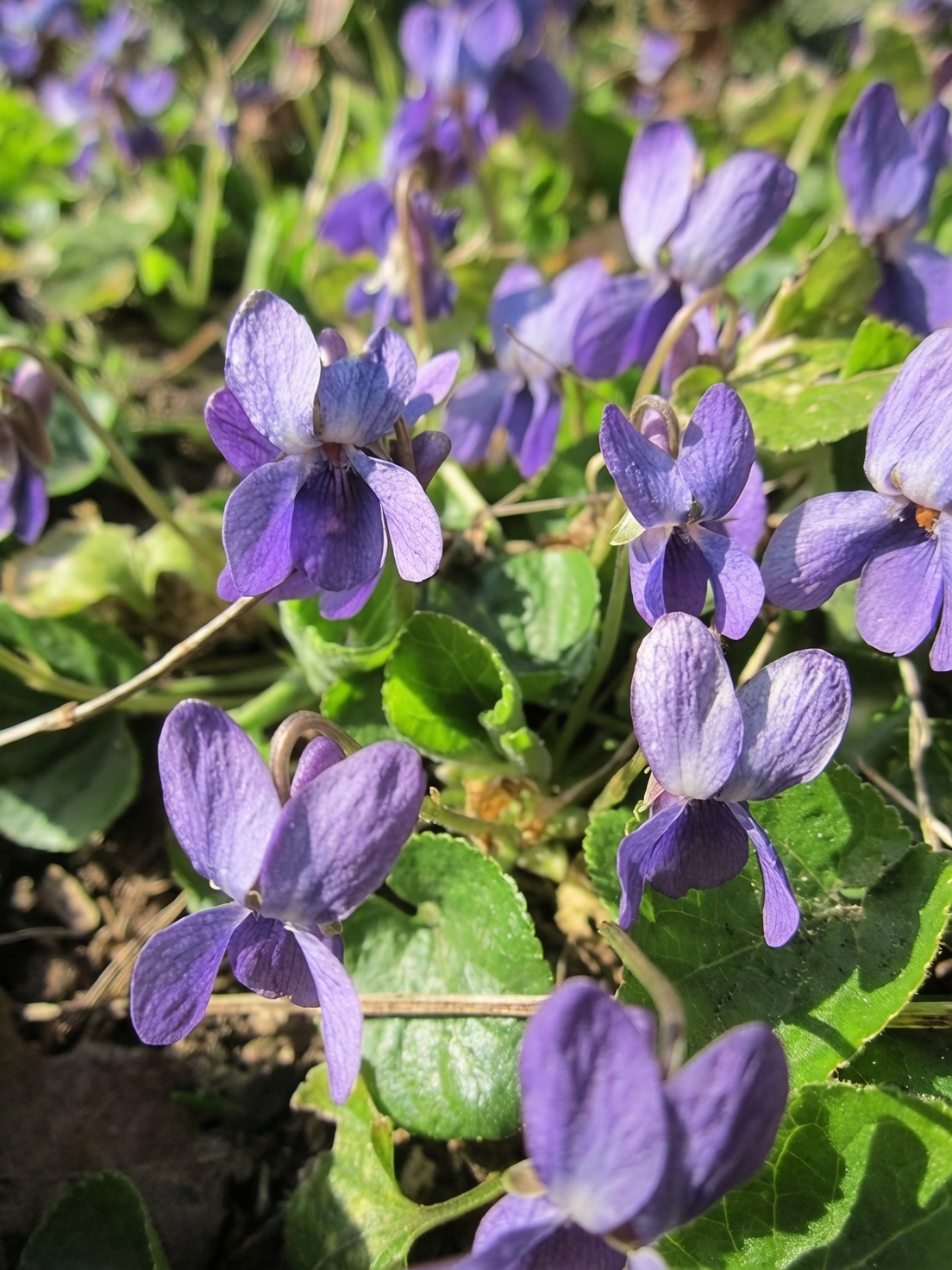
If Sweet Violet is the garden’s first whisper of spring, pests and disease are the static on the line. The good news: Viola odorata responds beautifully to early diagnosis, gentle organic tactics, and a few smart hygiene habits. Consider this your practical troubleshooting clinic, from first telltale speck to a fresh flush of fragrant blooms.
Meet the patient: how Sweet Violet likes to live
Understanding its preferences sets you up to prevent most problems.
- Habit: Low, clumping perennial to about 15 cm (6 in), spreading slowly via runners (stolons).
- Light: Partial shade to dappled sun (morning sun, afternoon shade in warm regions).
- Soil and moisture: Fertile, loose, moist but well-drained; keep evenly moist, never waterlogged.
- Climate: Cool to mild; happiest in USDA Zones 5–9 and easily stressed by hot, dry spells.
Healthy violets are far less tempting to pests and more resilient to diseases. Think “woodland edge”: cool, airy, damp-but-drained, and never parched.
The 60‑second weekly check (early diagnosis that actually works)
- Undersides of leaves and tender shoot tips: look for aphids, speckling, or webbing (mites).
- Buds and blooms: any buds brown, crumpled, or failing to open (possible gall midge)?
- Leaf surfaces: fine white dust (powdery mildew) or tan spots with purple edges (leaf spots).
- Edges and holes in leaves: ragged, “rasped” bites plus silvery trails (slugs/snails).
- Overall look: sudden stickiness/honeydew, yellowing, wilting in heat, or dull, bronzed foliage.
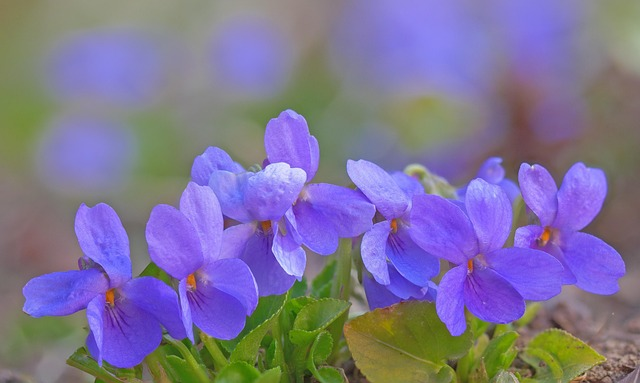
Catching issues early lets you solve them with simple, low-impact steps.
Aphids
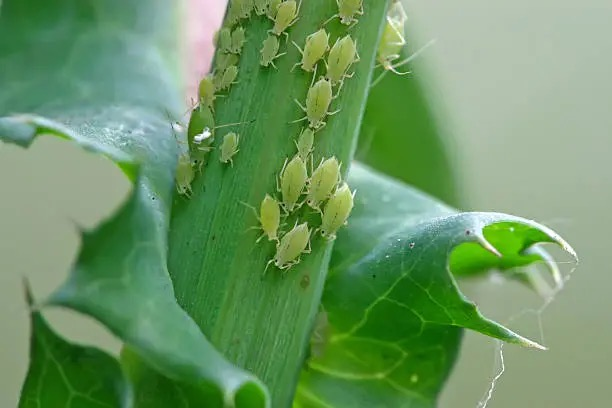
Early signs
- Clusters on shoot tips, stems, or flower buds; leaves curl or pucker.
- Sticky honeydew and sometimes sooty mold on leaves below.
Why now?
- Early spring flush invites aphids to soft growth, especially in sheltered, low‑airflow pockets.
Controls
- Mechanical: Pinch off the most infested tips. Blast colonies with a firm water spray.
- Biological: Encourage lady beetles and lacewings; avoid broad-spectrum sprays that disrupt them.
- Organic soft chemistries: Insecticidal soap or horticultural oil/neem oil, applied thoroughly to undersides of leaves. Repeat every 5–7 days for 2–3 cycles. Always test on a small patch first.
- Cultural: Ease back on nitrogen-heavy feeding that drives extra-lush, aphid-magnet growth.
Red spider mites (two‑spotted spider mites and kin)
Early signs
- Fine yellow stippling on leaves that turns dull or bronzed; delicate webbing under severe pressure.
- “Tap test”: tap a leaf over white paper—minute moving specks = mites.
Why now?
- Hot, dry spells and drought stress are the classic trigger, especially in tight, stagnant canopies.
Controls
- Water and wash: Rinse leaf undersides every few days during heat waves; keep soil evenly moist.
- Airflow: Thin dense clumps slightly to break up stagnant pockets (see airflow section below).
- Biological: Predatory mites (e.g., Phytoseiulus persimilis) in enclosed or greenhouse setups.
- Organic soft chemistries: Insecticidal soap or horticultural oil/neem oil directed to undersides. Repeat at 5–7 day intervals. Avoid spraying in full sun or high heat to prevent leaf burn.
- Prevention: Mulch to maintain steady moisture; never let the plant bake in afternoon sun.
Slugs and snails
Early signs
- Irregular, rasped holes on tender leaves and buds; silvery slime trails on soil or foliage.
- Worst at night, after rain, or in heavily mulched shade.
Controls
- Cultural: Water in the morning (not evening). Lift hiding places (board edges, dense debris).
- Hand‑picking: Night patrols with a flashlight; drop culprits into soapy water.
- Barriers: Copper tape around pots; rough diatomaceous earth in dry weather around crowns.
- Traps: Beer traps sunk to soil level, refreshed often.
- Baits: Iron phosphate pellets used per label—effective and pet‑safer than metaldehyde.
Violet gall midge
Early signs
- Buds distort, brown at the edges, or fail to open. Gently open a bud: tiny orange larvae may be inside.
- Flowering stalls despite otherwise healthy foliage.
Why now?
- Adults lay eggs in developing buds; larvae feed inside. Life cycle often ties to cool, moist spring conditions with abundant new buds.
Controls
- Sanitation first: Promptly pinch off and bin (do not compost) damaged buds and spent flowers.
- Soil hygiene: In fall and late winter, clear leaf litter where pupae may overwinter; lightly cultivate the top 1–2 cm of soil to expose pupae to cold and predators.
- Biological: Drench soil with beneficial nematodes (Steinernema feltiae) in early spring and again in fall when soil is cool and moist; follow label for temperature and moisture requirements.
- Exclusion: On small prized clumps, fine insect mesh over budding stems during peak flight can deter egg‑laying (remove when flowers open to allow pollinators).
Leaf spots (pansy/violet leaf spot complex)
Early signs
- Round to irregular tan or brown lesions, often with a purplish margin; spots may coalesce.
- Lower leaves yellow and drop first; worse after prolonged leaf wetness.
Controls
- Watering habits: Water at soil level; avoid overhead watering. Mulch to reduce soil splash.
- Sanitation: Remove and bin spotted leaves; keep the crown tidy and debris‑free.
- Airflow: Thin crowded runners; give each clump space to dry quickly after dew or light rain.
- Organic fungicides: If wet weather persists, consider copper or sulfur used preventively per label. Alternatively, biofungicides containing Bacillus-based strains can help suppress outbreaks. Rotate modes of action and avoid spraying open blooms whenever possible.
Powdery mildew
Early signs
- A fine, talc‑like white coating on leaves and petioles, often starting in shade‑dense canopies.
- Leaves may curl, yellow, and lose vigor.
Why now?
- Humid, stagnant air and temperature swings favor powdery mildew—even when soil is not too wet.
Controls
- Cultural backbone: Improve airflow (thin and divide as needed), favor morning sun, and avoid late-evening watering.
- Prune and remove: Clip badly affected leaves to reduce inoculum; keep the patch open.
- Organic fungicides: Potassium bicarbonate, horticultural oil, sulfur, or neem oil as protectants/early curatives. Apply at first sign and repeat per label. Avoid oil + sulfur within 2–3 weeks of each other.
- Nutrition: Do not over‑fertilize; lush, soft growth is more susceptible.
Airflow and hygiene: the quiet, powerful cure‑all
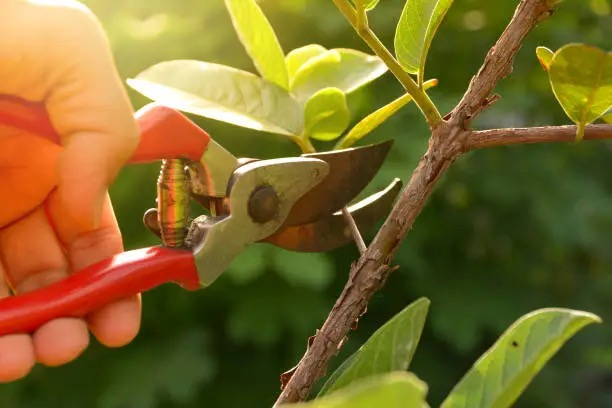
- Spacing and division: Divide or lift and reset crowded clumps every 2–3 years (best in spring or fall) so leaves can dry quickly after dew.
- Prune the thatch: In late fall, trim weak growth and rein in excess runners; in spring, promptly deadhead spent blooms.
- Water wisely: Keep soil consistently moist but never soggy; water at the soil line.
- Mulch smartly: A light, airy mulch (leaf mold/compost) suppresses splash and evens moisture without smothering the crown.
- Clean tools and pots: Disinfect pruners; scrub reused containers to prevent carryover.
- Quarantine newcomers: Keep new violets or companion shade perennials separate for 2–3 weeks and inspect before adding to established patches.
- Site finesse: Morning sun with afternoon shade in warm zones keeps plants cool and resilient, discouraging mites and mildew alike.
Quick, safe treatment playbook
- Insecticidal soap/oil for aphids and mites: Thoroughly coat undersides; repeat weekly x2–3.
- Iron phosphate for slugs/snails: Scatter lightly near crowns after rain; refresh as consumed.
- Potassium bicarbonate or sulfur for powdery mildew: Start at first dusting; repeat per label.
- Copper or biofungicide for leaf spots: Use preventively during extended wet spells.
- Beneficial nematodes (S. feltiae) for gall midge pupae: Soil drench in cool, moist spring/fall.
Always test any spray on a small leaf patch and avoid treatments in midday sun or during heat spikes.
Seasonal prevention calendar
- Late winter–early spring: Remove old foliage, apply nematodes if gall midge has been a problem, refresh mulch, begin weekly checks as buds form.
- Spring bloom: Keep evenly moist; deadhead promptly; spot‑treat aphids early.
- Summer: Shield from harsh sun, maintain moisture and airflow to deter mites and mildew.
- Fall: Tidy runners and weak growth; remove diseased leaves; consider a second nematode drench.
A gentle safety note
Sweet Violet’s flowers (and sometimes young leaves) are used as edible garnishes, but its seeds and rhizomes are considered toxic—keep plants and any slug baits out of reach of children and pets. Choose iron phosphate over metaldehyde baits for a pet‑safer option.
The meaning behind the bloom
In European tradition and Victorian floriography, violets symbolize modesty and faithfulness—fitting for a plant that keeps low, heart‑leafed company and returns reliably at winter’s end. Their quiet perfume once filled small “tussie‑mussies,” tokens of remembrance and devoted affection. It’s a reminder that care and constancy—your steady airflow, clean foliage, and timely checks—are what let modest beauty shine.
With a keen eye, light touch, and a little woodland wisdom, Viola odorata will keep sending that sweet hello each spring—unruffled, unspotted, and utterly charming.