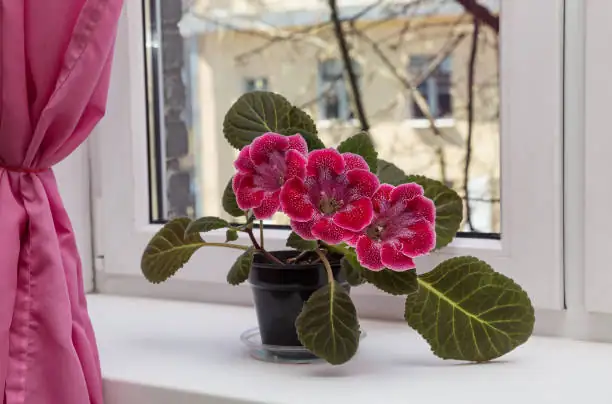
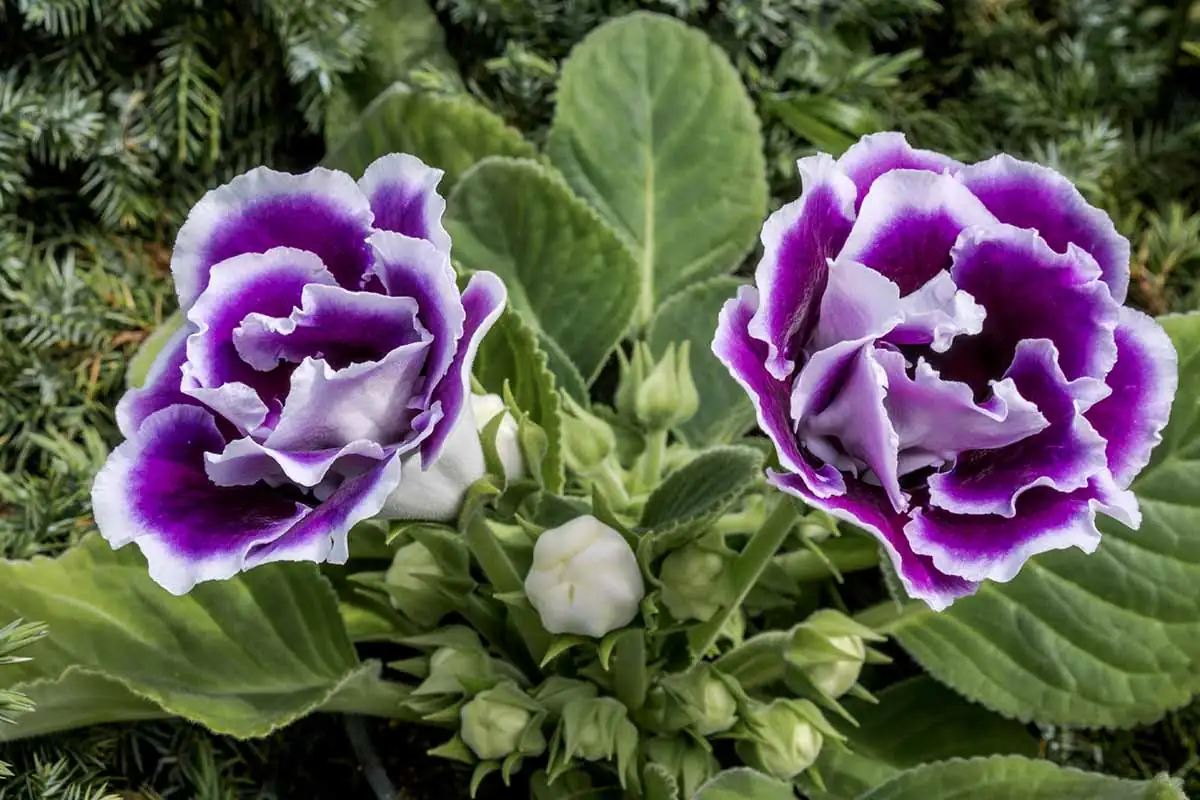
Imagine a velvet bouquet that blooms on cue, naps through heatwaves, and produces seeds as fine as dust. That’s Sinningia speciosa—aka florist’s gloxinia—Brazil’s glamorous, tuber-forming showstopper that can turn a windowsill into a miniature theater of bell-shaped blooms.
Meet the plant behind the plush
- Botanical name: Sinningia speciosa (commonly sold as “florist’s gloxinia”)
- Family: Gesneriaceae (the African violet clan)
- Origin: Brazil—often on rocky outcrops in warm, tropical forest climates
- Habit: Compact rosette arising from a tuber, typically 15–30 cm tall and wide
- Leaves: Large, thick, famously velvety (sometimes reddish underneath; variegates exist)
- Flowers: Big, soft, trumpet-to-bell-shaped in reds, pinks, purples, whites, bicolors, with single or sumptuous doubles
- Season: Late spring through autumn (often May–October), with a midsummer pause if it’s very hot
Bite-size revelations you’ll actually use
1) Why it feels like velvet (and how that velvet gets spotty)
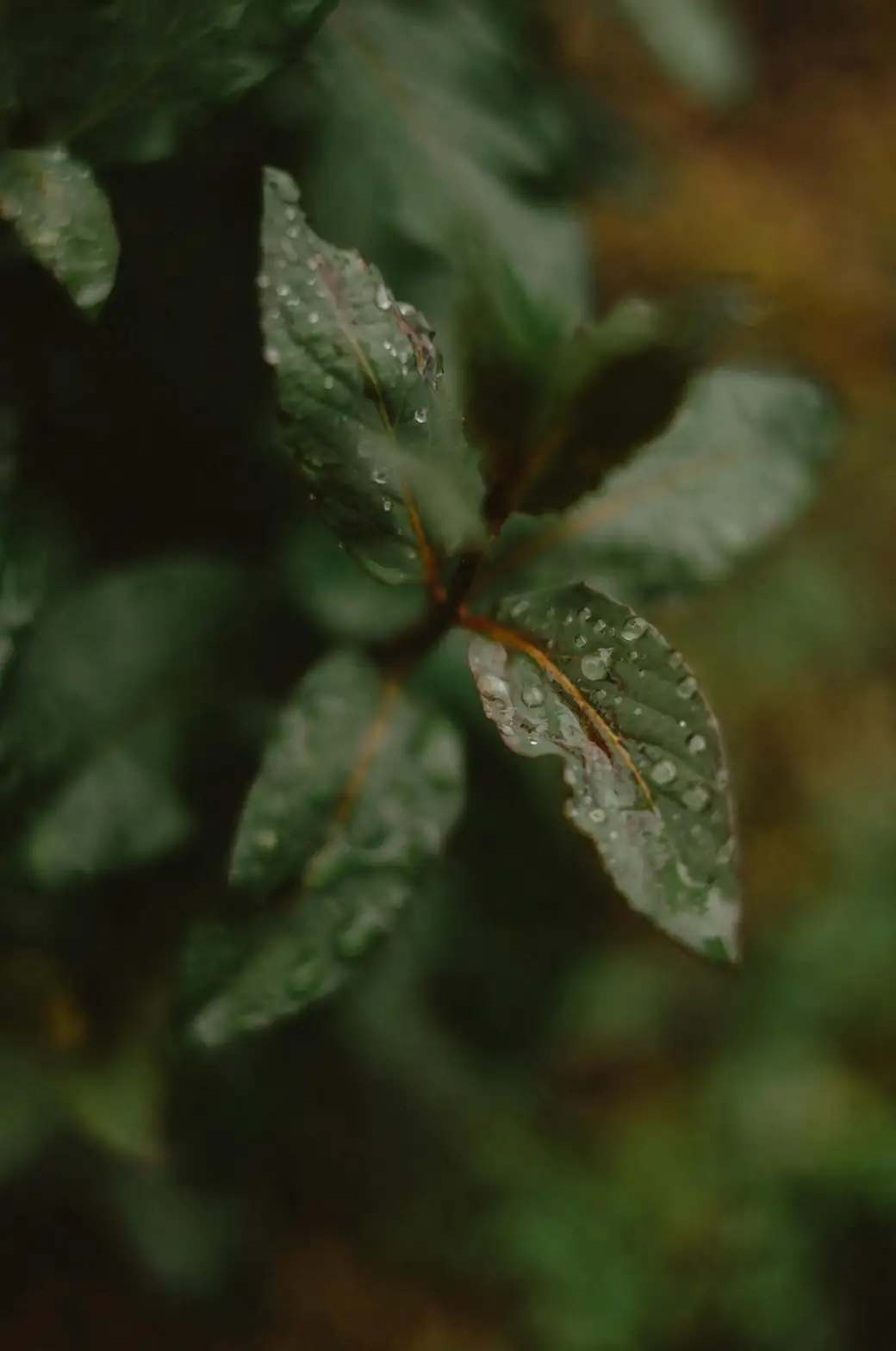
Those plush leaves and flowers are coated in microscopic hairs—trichomes—that scatter light and feel like velour. They’re beautiful…and a bit fussy about water. Droplets cling to the fuzz, leaving spots or even rot.
- Water at soil level or bottom-water. Keep leaves and petals dry.
- Never mist this plant; mist equals polka-dots and trouble.
- Keep fertilizer solution off the foliage as well.
Quick fix: Slip the spout in at the pot’s edge or water from below, then drain thoroughly—no sitting in a saucer of water.
2) Seeds lighter than a sigh
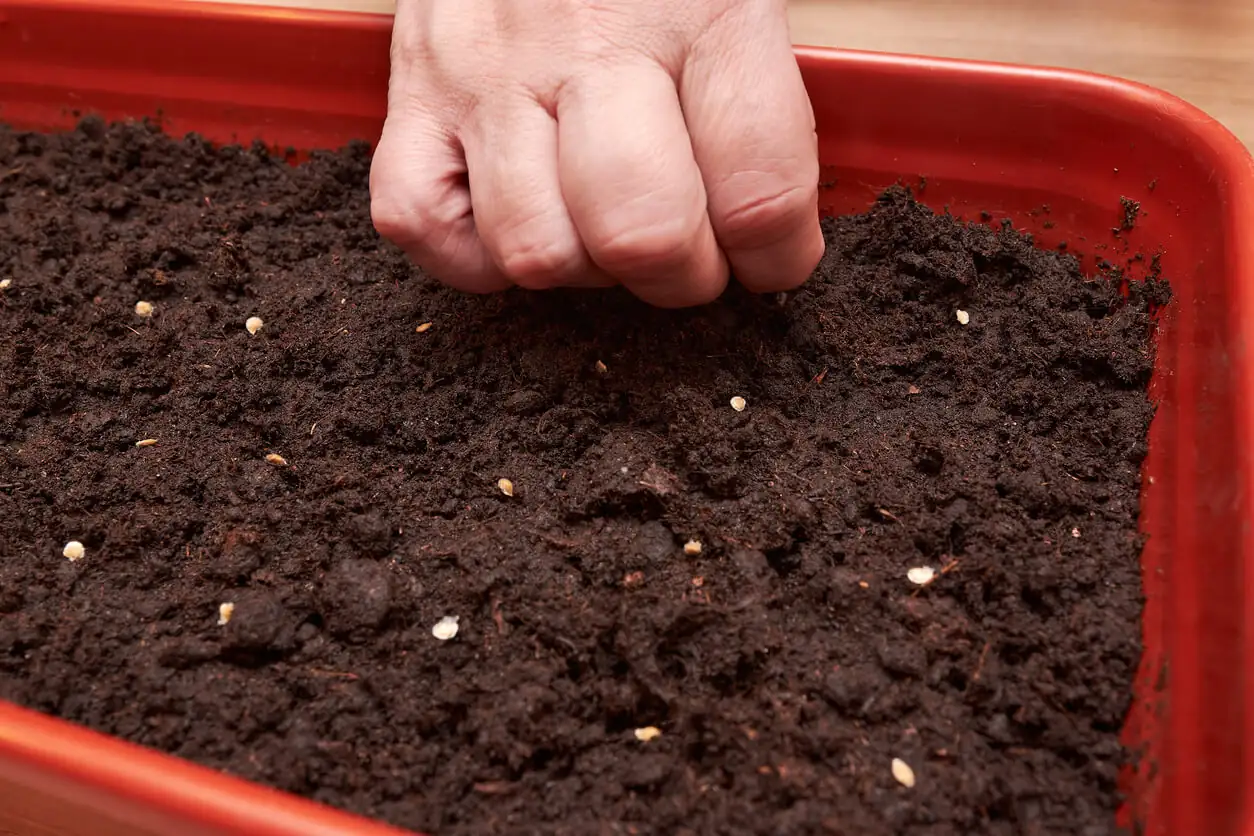
Gloxinia seeds are literally dust-fine. Sow them on the surface—do not cover.
- Germination: about 2–3 weeks at 15–21°C (59–70°F)
- Pot up when seedlings have 6–7 true leaves; many will flower by autumn
- Pro tip: Use a dry toothpick or folded paper to “tap-sow” like a salt shaker
Bonus: If you’re letting capsules ripen, expect about 30–40 days from pollination to harvest.
3) Hand-pollination: a tiny paintbrush, a timing trick
Indoors, a soft brush is your best pollinator. Timing is everything:
- Wait until a bloom has been open a couple of days—stigmas are more receptive then.
- Touch the brush to the anthers (pollen) of one flower, then dab the stigma (tip of the pistil) of the flower you want to seed.
- Selfing is possible; crossing two plants can be fun for new color combos.
- After pollination, remove the petals to reduce moisture and rot around the ovary.
- Label your crosses. Capsules typically mature in 30–40 days.
Tip from seasoned growers: Watch the stigma—when it looks slightly swollen or glistening, it’s often at peak receptivity.
4) The semi-dormancy siesta
Hot, muggy midsummer? Your plant may take a break. Flowering can pause; leaves may sulk. Don’t panic—this is a semi-dormant timeout triggered by heat stress.
- Reduce watering and feeding, keep bright indirect light, and improve airflow.
- When temperatures ease, growth and blooms resume.
Cool-season rest option:
- A gentle winter rest around 10–12°C (50–54°F) works beautifully; some growers do a lighter rest at 15–17°C (59–62°F).
- Keep much drier than summer and protect from cold, damp conditions.
- Always avoid temperatures below 5°C (41°F).
5) The invisible bud-blaster: ethylene
Buds falling for no clear reason? The culprit may be ethylene gas—commonly wafting from ripening fruit on the counter. Ethylene accelerates aging and can trigger bud drop.
- Keep gloxinia away from fruit bowls and other ethylene sources.
- Brighten the light, boost gentle airflow, and deadhead promptly to keep the show going.
Care that keeps the velvet drama going
Light
- Bright, indirect/filtered light is ideal. East window = excellent; south with a sheer curtain = great.
- Avoid harsh direct midday sun (scorch) and deep interior shade (leggy stems, pale leaves, faded flowers).
- Leaves that droop or edges that brown may be signaling low light or stress.
Temperature
- Best at 16–24°C (61–75°F) in active growth.
- Dislikes extreme heat; may pause in midsummer.
- Tender and not frost-hardy. Outdoors only in reliably frost-free climates (roughly USDA 10–11, sometimes 11–12 with microclimate care), and never below 5°C (41°F).
Humidity
- Prefers 50–70% with good airflow.
- Use a pebble tray or humidifier; avoid cold, stagnant, damp air in winter.
Watering
- Keep the mix evenly moist—never soggy. In bloom, many plants need watering about twice weekly, depending on pot size, temperature, and airflow.
- Water at soil level or bottom-water; always drain.
- Keep all moisture and fertilizer off leaves and flowers.
Soil and potting
- Use a fluffy, well-drained African violet-style mix: peat/coco blended with perlite; you can enrich with compost/leaf mold plus coarse sand or extra perlite.
- Plant the tuber at or slightly above the soil surface.
- Slightly snug pots (about 12–15 cm/4.7–5.9 in) encourage better bloom displays.
- Repot in spring as sprouts appear, or right after flowering. Refresh mix every couple of years.
Feeding
- Feed every 2 weeks during growth. Start balanced, then shift to a bloom-leaning formula higher in phosphorus and potassium once buds form (e.g., around 15-15-30).
- Always apply to moist soil and keep feed off the foliage.
- Pause or greatly reduce feeding during semi-dormancy/rest.
Grooming
- Deadhead quickly: remove spent flowers and cut the flower stalks unless you’re saving seed.
- This tidiness encourages more bloom and helps the tuber store energy.
- Remove yellowing or damaged leaves to prevent disease.
Placement smarts
- Bright window, no harsh sunbeams, away from heating vents.
- Provide ventilation but not cold drafts.
- Keep far from ripening fruit to avoid ethylene-triggered bud blast.
Propagation menu
Leaf cuttings (fast and satisfying)
- Take a healthy mature leaf with about 1 cm (0.4 in) of petiole.
- Let the cut edge dry briefly in the shade.
- Insert into perlite/coarse sand or a light mix. Keep warm, shaded, and humid.
- Roots often form in 10–15 days, with new plantlets to follow.
Seed
- Surface-sow dust-fine seed; do not cover.
- Germinate at 15–21°C (59–70°F), light and evenly moist air.
- Pot up at 6–7 true leaves; flowering can arrive by autumn.
Tuber division
- Divide in spring as growth starts, ensuring each division has an “eye.”
- Some growers keep one strong sprout per tuber for a tidier bloom display.
- Disinfect tools and pots—especially important if damping-off or nematodes have ever been an issue.
Troubleshooting: quick wins
- Not blooming or stopped mid-summer? Increase bright, filtered light, ease heat, and keep moisture steady. Expect a heat-time pause.
- Flowers fading or dropping early? Improve light and airflow; remove ripening fruit nearby to dodge ethylene.
- Leaf spots or gray fuzz? That’s often wet foliage plus stale air. Water at soil level and improve ventilation.
- Leggy, weak growth and browned edges? Usually too little light or overwatering stress.
- Pests to watch: mealybugs, spider mites, aphids, fungus gnats; foliar nematodes are serious—discard badly infected plants and disinfect everything.
Safety and symbolism
- Safety: Toxicity isn’t strongly documented; it’s often treated as low concern. Play it safe—discourage pets and children from nibbling.
- Symbolism (flower language): Often linked to “love at first sight,” admiration, and elegant display—a nod to its 19th-century stardom on parlor windowsills. Like much “flower language,” these meanings grew from Victorian gifting customs rather than botany; still, red gloxinias are often shared as tokens of first love and romance.
A few delightful asides
- The “gloxinia” nickname stuck from older horticulture, but this beauty is Sinningia speciosa; true Gloxinia is a different genus.
- Many New World gesneriads flaunt special red pigments (3-deoxyanthocyanins) associated with bird-attracting colors—one reason their tubular cousins woo hummingbirds in the wild. Your living room, however, will do just fine without a hummingbird; a soft brush is all you need.
- One well-tended plant can bloom for months from late spring into autumn, pausing politely when summer gets too steamy.
Seasonal rhythm at a glance
- Spring: Tuber wakes; repot if needed. Begin steady watering as growth starts. Start feeding. Sow seed indoors at 15–21°C (59–70°F).
- Late spring–autumn: Main show. Bright filtered light, even moisture, feed every 2 weeks, deadhead.
- Midsummer heat: Shade from harsh sun, increase airflow, reduce water/feeding if semi-dormant.
- Winter rest: Cooler (about 10–12°C/50–54°F works well, or a lighter 15–17°C/59–62°F), drier, bright enough to discourage rot. Resume watering when new growth appears.
If you love plants that reward finesse, Sinningia speciosa returns the favor with velvet, color, and performance. Keep the leaves dry, the light bright-but-gentle, and the fruit bowl far, far away—and enjoy a front-row seat to a long-running bloom extravaganza.