

Velvet that glows, a trailing habit made for hanging baskets, and a temperament that thrives with a gentle touch—Gynura aurantiaca (Purple Passion Plant) is both a showstopper and a softie. This guide keeps the focus where it matters most: mild toxicity and skin sensitivity, smart placement to prevent nibbles, and exactly what to do if someone—pet, child, or adult—takes a curious bite.
Meet the Purple Passion Plant (Gynura aurantiaca)
- Asteraceae family; native to Indonesia (notably Java)
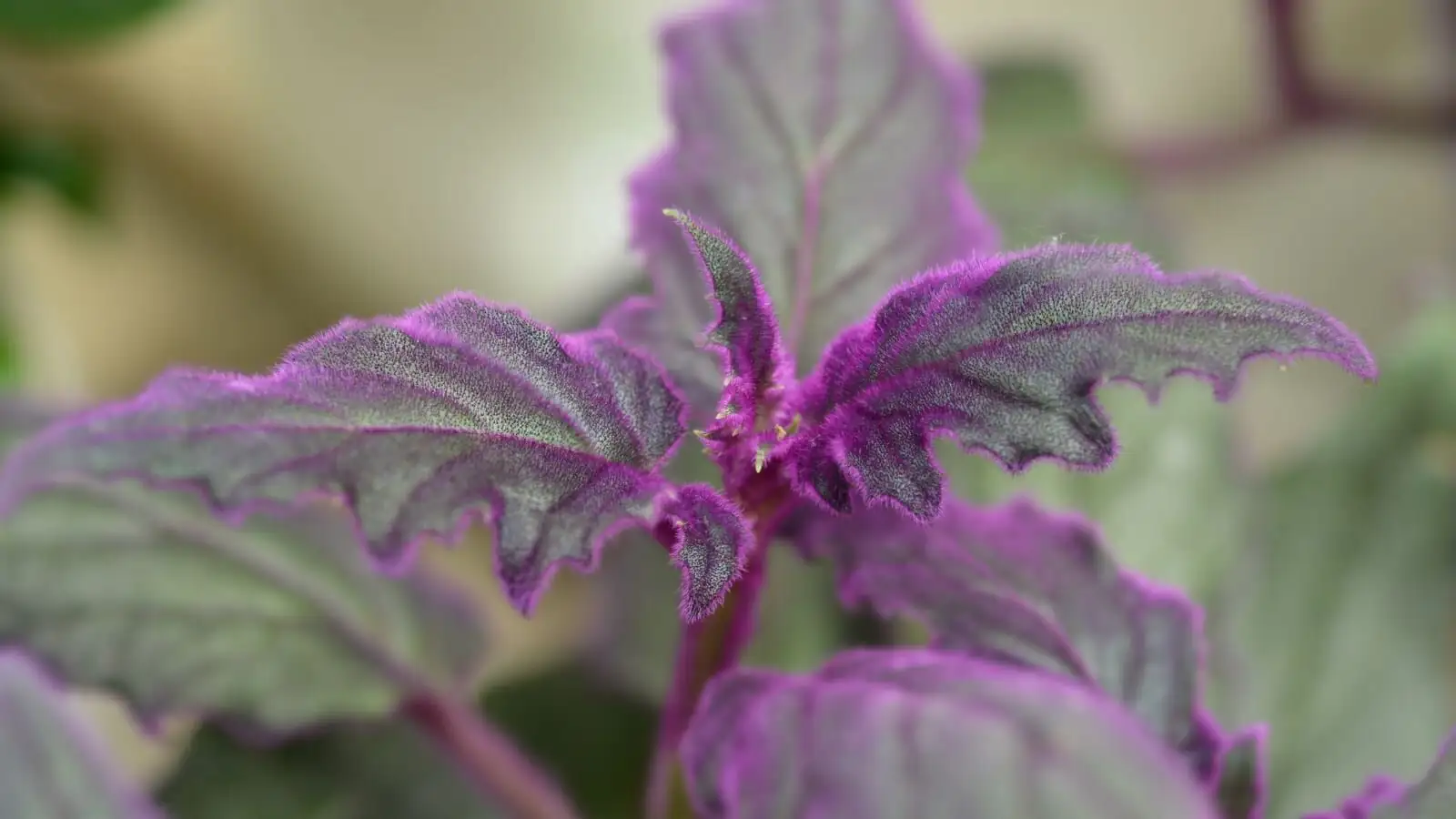
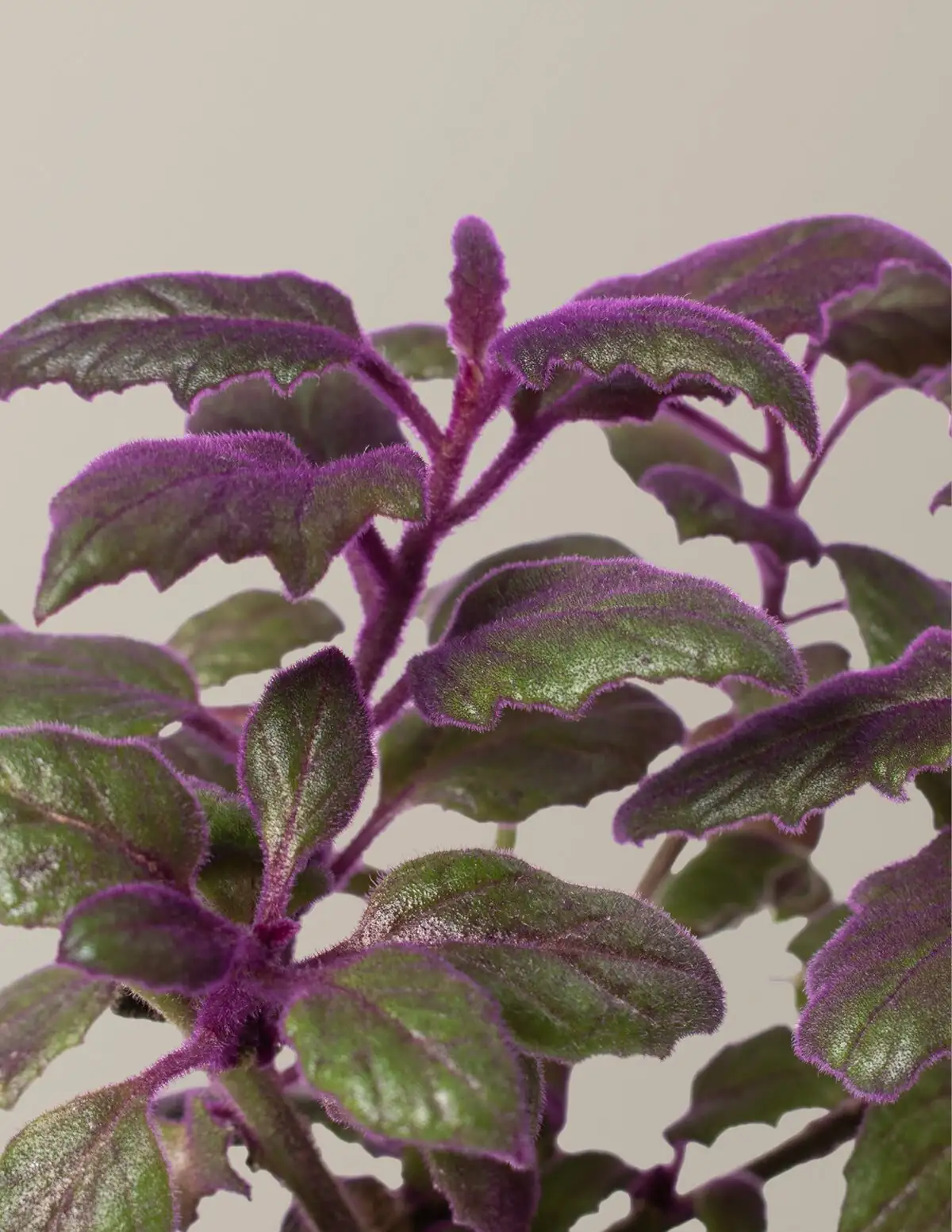
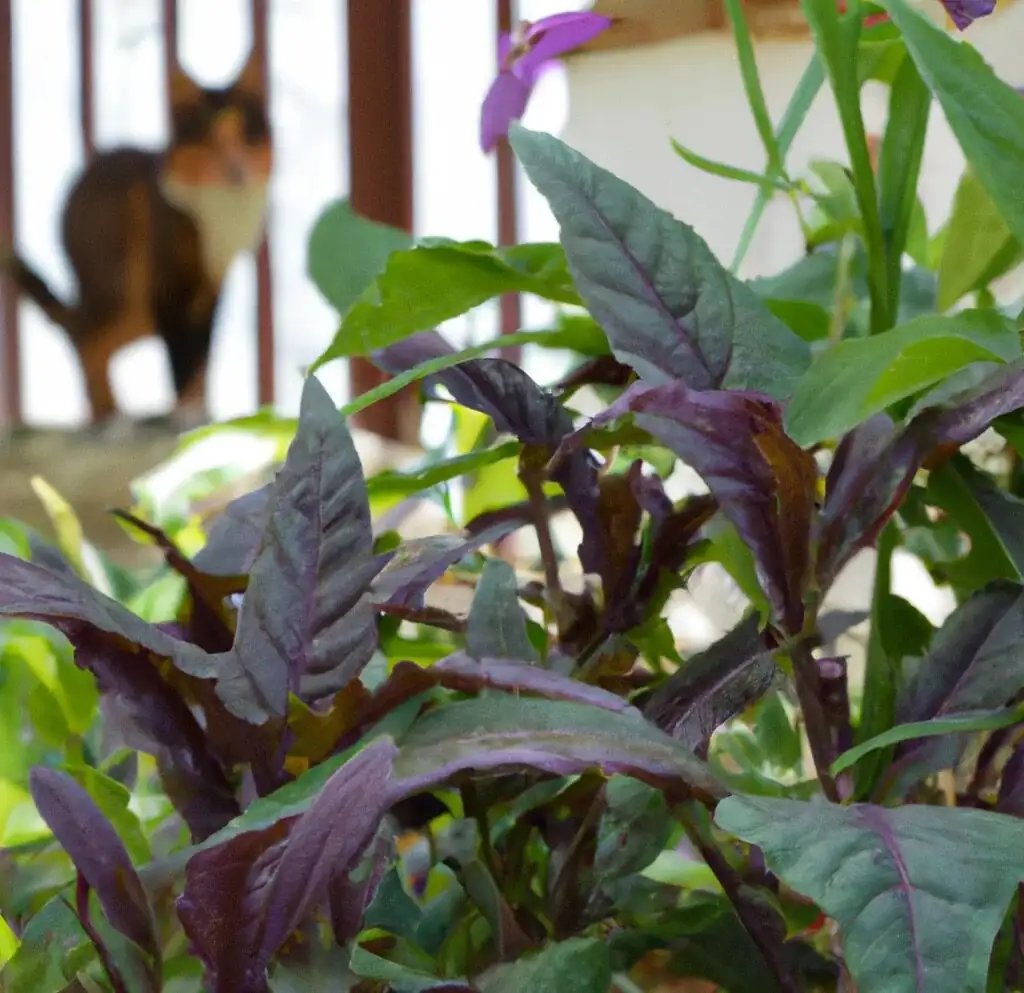
- Famed for its plush purple “fuzz” over green leaves—like a velvet cloak that glows in bright light
- Compact when young, then semi-trailing to trailing—born for pots, shelves, and hanging baskets
- Small yellow to orange, daisy-like flowers may appear in cooler months; many growers pinch them off because the scent can be unpleasant and the foliage is the main attraction
Safety Snapshot: Mild Toxicity and Skin Sensitivity
- Ingestion: Generally not considered highly toxic. If nibbled, it may cause mild stomach upset (think: drooling, soft stool, brief vomiting).
- Skin: The sap and even the fuzzy hairs can irritate sensitive skin. Some people experience redness or itching after handling.
- Best practice: Keep out of reach of pets and children, and wash hands after handling—especially if you have sensitive skin.
Note for pet parents: It’s widely regarded as non-toxic to cats and dogs. Still, “non-toxic” doesn’t mean “snackable”—curious nibbles can still upset tummies.
Where to Put It: Hanging Basket Heaven
Lean into its trailing style and velvet leaves that prefer to stay dry:
- Light: Bright, indirect light is the sweet spot. East or west windows are ideal; south windows need a sheer curtain. Too little light = greener, leggier growth and faded purple.
- Height: Hang it up or elevate on a high shelf where stems can cascade. This deters nibbles and puts the glow at eye level.
- Distance from hazards: Avoid harsh midday sun (it can scorch and dull the fuzz), cold drafts, heating vents, and doorways with frequent temperature swings.
- Humidity: Moderate (around 40–60%). Use a pebble tray or humidifier if needed—do not mist. Water clings to the hairs and can spot or rot the leaves.
- Traffic zones: Place where sleeves and backpacks won’t brush the foliage. The hairs are easily dulled by frequent touching and some folks get itchy.
Handling Tips for Sensitive Skin
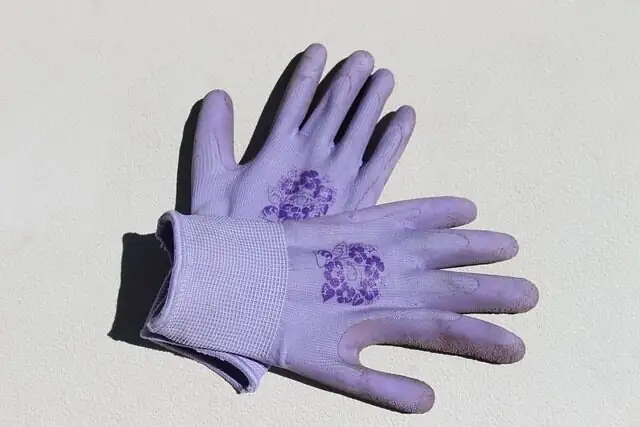
- Suit up: Wear light gloves and long sleeves when pruning, repotting, or taking cuttings.
- Keep it clean: Avoid rubbing your eyes after handling. Wash hands and forearms with soap and cool water.
- Spot reaction plan: If skin reddens or tingles, rinse thoroughly. A cool compress or over-the-counter hydrocortisone (per label) can soothe mild irritation.
Everyday Care (Without Wetting the Velvet)
- Watering
- Spring–fall: Keep the potting mix lightly, evenly moist. Water when the surface begins to dry.
- Winter: Reduce; keep just barely moist.
- Always water at the soil line. Don’t mist or pour over the leaves.
- Light and temperature
- Bright, indirect light; avoid harsh midday sun.
- Best growth around 15–24°C (59–75°F); protect from chills and keep above ~10°C (50°F).
- Soil and pot
- Loose, fertile, well-draining houseplant mix with some perlite; a touch of compost/leaf mold boosts vigor.
- Common pot sizes: 12–15 cm (4.7–5.9 in); up to 15–20 cm (6–8 in). Planting three starts together creates a fuller look.
- Feeding
- Spring–fall: balanced houseplant fertilizer—either monthly at normal strength or every two weeks at half strength. Go easy on nitrogen to prevent leggy growth.
- Winter: reduce or pause.
- Pruning and shaping
- Pinch tips when shoots reach about 20 cm (8 in) to encourage branching and a dense, cascading form—perfect for hanging baskets.
- Remove buds/flowers if you dislike the smell.
- Refresh older, leggy plants (after ~2–3 years) by restarting from cuttings.
- Propagation
- Take 7–10 cm (3–4 in) soft tip cuttings; remove lower leaves.
- Root in water or a moist, airy mix at 20–25°C (68–77°F) in bright, indirect light. Often roots in ~2 weeks.
Pro tip: For hanging baskets, use a long-spout watering can or bottom-water, then drain thoroughly. Keeping leaves dry preserves that plush purple sheen.
If a Nibble Happens: Calm, Quick Steps
Whether pet or human, stay calm—this plant is not considered highly toxic, but mild digestive upset is possible.
- Pets (cats/dogs)
- Remove any remaining plant bits from the mouth.
- Offer fresh water; do not induce vomiting.
- Observe for 4–24 hours. Mild drooling or a single episode of vomiting/soft stool may occur.
- Call your vet if symptoms persist beyond 24 hours, if vomiting/diarrhea is repeated or severe, or if your pet seems lethargic or in pain.
- Children
- Wipe the mouth, offer a small amount of water.
- Do not induce vomiting. Monitor for upset stomach.
- If more than a small taste was swallowed or symptoms develop (repeated vomiting, abdominal pain, rash), contact medical care or Poison Control for guidance.
- Adults
- Rinse mouth, sip water.
- Monitor for mild GI upset.
- Seek medical advice if symptoms are significant or persistent.
Skin or eye contact
- Skin: Rinse with cool water and soap; avoid scratching. Seek care if irritation is pronounced or persistent.
- Eyes: Rinse gently with clean, lukewarm water for several minutes; seek medical advice if irritation continues.
Pet-Proofing and People-Proofing Placement
- Go high: Hanging planters, wall shelves with a lip, or tall bookcases.
- Create a “plant zone”: Use a room with a door if you have determined nibblers.
- Distraction strategy: Provide pet-safe greens (cat grass), toys, and scratching posts to redirect curiosity.
- Stable setups: Use sturdy hooks and anchors; trailing stems shouldn’t dangle within paw’s reach.
Common Pitfalls (and Easy Fixes)
- Leaves losing purple, plant looks leggy
- Cause: Low light. Move to brighter, indirect light; new growth will regain color.
- Dull, spotted, or rotting patches on leaves
- Cause: Wet foliage or poor airflow. Keep leaves dry; improve ventilation; remove affected parts.
- Rust or pest flare-ups (spider mites, aphids, mealybugs, whiteflies)
- Action: Isolate the plant, increase humidity with airflow (not misting), and treat early with insecticidal soap or horticultural oil per label.
- Cold damage (yellowed edges, scorched-looking patches)
- Cause: Chilling below ~10°C (50°F). Relocate to a warmer spot.
A Quick “Do This, Not That”
- Do: Bright, indirect light; keep mix lightly moist; water at soil line; use pebble trays for humidity.
- Don’t: Mist or splash the leaves; park it in hot midday sun; let it chill below ~10°C (50°F); overfeed with nitrogen.
Symbolism and the “Flower Language” Angle
- Modern associations: Bold individuality and vibrant energy—its neon-velvet glow is hard to ignore.
- Context: Traditional Victorian “flower language” focused on cut blooms, not foliage houseplants like Gynura aurantiaca. Today’s symbolism is contemporary, inspired by its striking color and texture rather than historic floriography.
Fast Start Checklist
- Choose a dense, vividly purple plant with firm stems; avoid soggy soil or spotted leaves.
- Pot in a loose, well-draining mix; place in bright, indirect light.
- Hang it or elevate it to keep leaves dry and out of reach.
- Water when the surface dries; never wet the foliage.
- Pinch for fullness; refresh from cuttings every couple of years.
Handled thoughtfully, Purple Passion rewards you with a luminous, velvety cascade—and peace of mind. Keep it high, keep it dry, and keep your touch gentle.