


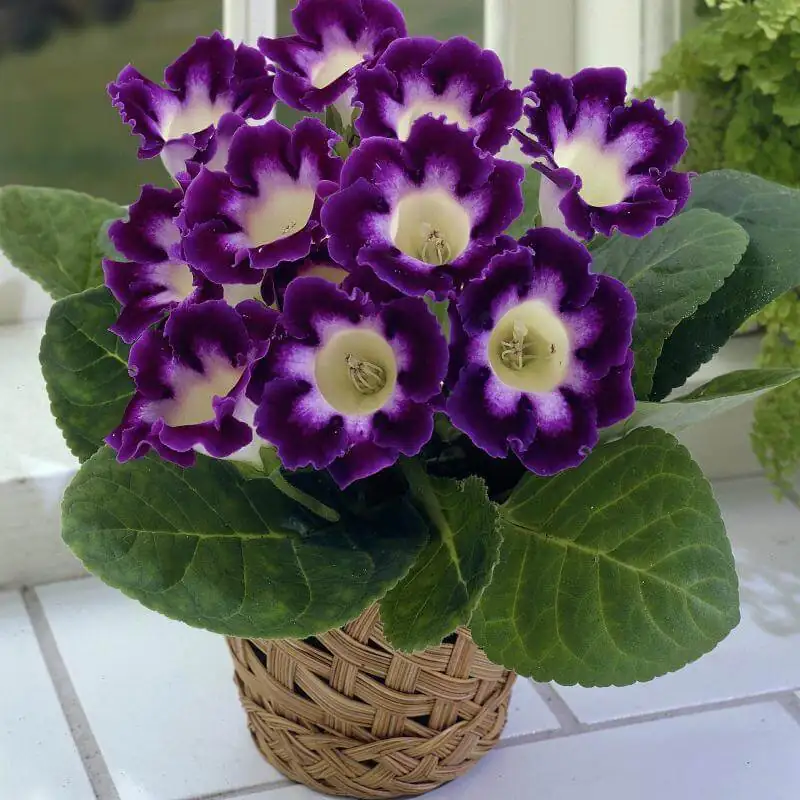
Florist’s gloxinia is a little velvet theater that opens on your windowsill. Sinningia speciosa unfurls plush, downy leaves, then raises a parade of bell-to-trumpet blooms in saturated reds, pinks, purples, whites, and bold bicolors. With the right light, moisture, and seasonal rhythm, that show can run for months. Here’s your step-by-step, season-by-season blueprint—complete with soil-level watering that keeps those fuzzy leaves flawless, humidity sweet spots, and how to glide through the midsummer pause and winter rest.
Meet Sinningia speciosa (Florist’s Gloxinia)
- Origin: Brazil—tropical forests and rocky outcrops.
- Habit: Compact, rosette-forming, tuberous perennial (usually 6–12 in / 15–30 cm tall and wide).
- Signature look: Large, velvety leaves (sometimes with a reddish underside) and big, velour-textured trumpets—often speckled, striped, edged, or doubled.
- Performance note: Flowers heavily from late spring through autumn, but may slow or briefly pause in peak midsummer heat.
Light, Heat, and Humidity: Set the Stage
- Light
- Best: Bright, filtered light. An east window is ideal; a south window works with a sheer curtain.
- Avoid: Harsh midday sun (leaf scorch) and deep-room dimness (Weak, pale growth; fewer flowers).
- Temperature
- Active growth: 16–24°C (61–75°F).
- Heat note: In hot, muggy weather, it may slow or go semi-dormant—cool it down and ease off watering/feeding.
- Winter rest: Aim for 10–12°C (50–54°F) if possible; some growers keep 15–17°C (59–62°F) for a lighter rest. Always above 5°C (41°F).
- Humidity
- Sweet spot: 50–70% with good airflow.
- How: Pebble tray or humidifier; never leave it cold, wet, and stagnant.
The No-Splash Watering Method (Keep Fuzzy Leaves Dry)
- During growth/flowering: Keep the mix evenly moist, never soggy. Water when the surface just begins to dry—often about twice weekly in bloom, but adjust to pot size, temperature, and airflow.
- Technique matters:
- Water at soil level, around the pot edge or carefully between leaves.
- Bottom-water if you like, then drain thoroughly—don’t let the pot stand in water.
- Keep leaves and flowers dry to prevent spotting and rot. Use room‑temperature water.
Feeding for Leaves vs. Feeding for Buds
- Growth phase: Feed every 2 weeks with a diluted, balanced fertilizer.
- Bud and bloom phase: Shift to a bloom-leaning formula richer in phosphorus and potassium (e.g., 15‑15‑30).
- Always fertilize onto moist soil; keep fertilizer off foliage.
- Reduce or stop feeding during the midsummer pause and winter rest.
Potting Mix and Pots (What the Tuber Wants)

- Mix: Light, rich, and quick-draining—think African violet–style (peat or coco coir + perlite) or a fertile potting mix amended with compost/leaf mold and coarse sand/perlite.
- Tuber placement: Plant at or slightly above the soil surface.
- Pot size: Slightly snug often flowers better; a typical plant thrives in a 12–15 cm (4.7–5.9 in) pot with excellent drainage.
A Year of Care: Your Seasonal Blueprint
Spring (Wake‑Up: roughly April)
- Repot if needed as new sprouts appear.
- Begin watering gradually—just enough to awaken growth without waterlogging cool soil.
- Once leaves expand, start your every‑2‑weeks feeding schedule and provide bright, filtered light.
Late Spring to Early Summer (Peak Growth and First Blooms)
- Keep moisture even; never splash the foliage.
- Raise humidity to 50–70% with airflow.
- Deadhead promptly to cue more blooms and help the tuber recharge.
Midsummer Pause (Often July–August)
When it’s hot and muggy, blossoms may stall and leaves may look tired. Don’t panic—pivot.
- Move to brightest indirect light out of harsh sun; improve airflow.
- Let the top 2–3 cm (about an inch) of mix dry before watering again—lighter hands on the can.
- Reduce or halt fertilizer while growth slows.
- Never force it with heavy watering or repotting now; simply keep it lightly hydrated and cool.
Early Autumn (Encore)
- As heat breaks, buds usually return.
- Resume regular feeding (bloom formula while budding).
- Maintain bright, filtered light and even moisture.
Winter Rest
- After flowering ends, allow the plant to wind down.
- Keep much drier (but not bone‑dry indefinitely). In cool storage at 10–12°C (50–54°F), water sparingly—just enough to keep the tuber from shriveling.
- Provide brightness without heat or damp, stagnant air.
- Resume normal watering/feeding only when fresh growth appears.
Grooming and Repotting
- Deadhead: Remove spent blooms and cut old stalks; don’t let it set seed unless you’re breeding.
- Leaf care: Remove yellowing/damaged leaves promptly; always keep foliage dry.
- Repot timing: Spring, as sprouts emerge, or right after flowering finishes. Refresh mix every couple of years.
Propagation Playbook
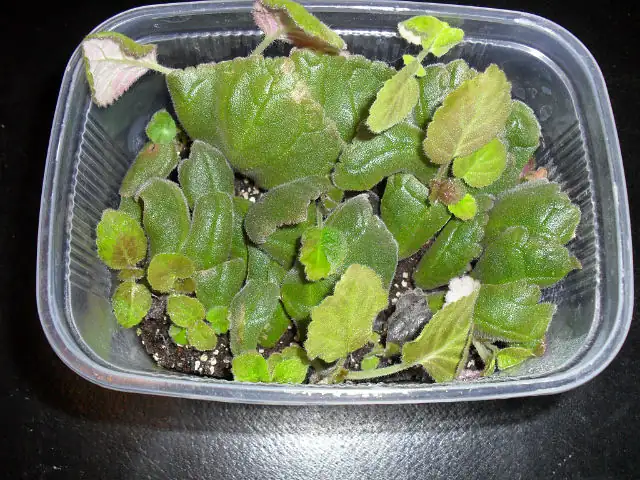
- Leaf cuttings (quick and satisfying)
- Take a healthy mature leaf with ~1 cm (0.4 in) of petiole.
- Let the cut end dry briefly, then insert into perlite/coarse sand or a light mix.
- Keep warm, shaded, and humid; roots can form in 10–15 days.
- Seed (spring)
- Dust‑fine seed is surface‑sown—do not cover.
- Germinate at 15–21°C (59–70°F); sprouts in about 2–3 weeks.
- Pot up when seedlings have 6–7 true leaves; many flower by autumn.
- Tuber division (spring)
- Divide as growth starts. Replant divisions with the crown just at/above the surface.
- For seed production
- Hand pollination helps: use a soft brush to transfer pollen to the stigma.
- Remove petals after pollination to reduce rot; capsules ripen in ~30–40 days.
Troubleshooting: Fast Answers
- Stopped blooming in summer?
- Too hot and humid. Move to bright, indirect light, improve airflow, ease watering, and let it cool. It often resumes when conditions improve.
- Buds dropping or flowers fading fast?
- Check light (too dim) and ethylene gas from ripening fruit—keep the plant far from fruit bowls. Improve airflow.
- Pale, floppy growth?
- Not enough light; move closer to a bright window with a sheer curtain.
- Leaf spots or rot?
- Wet leaves plus stale air. Switch to soil-level watering and boost ventilation.
- Fungal gnats or root issues?
- Mix too wet. Let the top layer dry between waterings and ensure sharp drainage.
Pests and Diseases (and Your Preventive Triangle)
- Pests: Mealybugs, spider mites, aphids, fungus gnats; occasional chewing on new growth.
- Diseases: Leaf spot, gray mold (Botrytis), powdery mildew, and root rot from overwatering. Seedlings may damp off. Foliar nematodes are serious—discard heavily affected plants and disinfect tools/pots.
- Prevention triangle:
- Bright, filtered light
- Airflow
- Soil‑level or bottom watering + free‑draining mix
Smart Buying and Placement
- What to choose
- A compact plant with clean, plush leaves and a mix of buds and blooms for a long show.
- Avoid soft spots, stains, or pests. For dormant tubers: pick firm, plump, clean ones (>2 cm / 0.8 in across).
- Where to place it
- Bright windowsills and tabletops away from heaters or vents.
- Keep away from ripening fruit (ethylene triggers bud blast).
Flower Language, History, and Meaning
- A Victorian darling, florist’s gloxinia became a byword for sumptuous indoor blooms. Its popular “gloxinia” name lingers from earlier horticulture, but botanically it’s Sinningia speciosa.
- Flower language: Often linked to “love at first sight” and ardent admiration—sentiments shaped by those velour, bouquet-like blooms that seem to appear all at once in vivid color. As with most 花语 traditions, meanings were codified culturally rather than botanically; they reflect how people experienced the plant’s dramatic entrance and rich palette more than any folk medicinal or symbolic origin.
Quick Facts and Cautions
- Outdoors: Best as an indoor plant; only year‑round outdoors in frost‑free, warm climates (roughly USDA Zone 10–11, sometimes 11–12 with ideal microclimates). Protect from any chill below 5°C (41°F).
- Ethylene sensitive: Keep away from ripening fruit to avoid bud drop.
- Toxicity: Not strongly documented and often treated as low concern, but play it safe—prevent pets and children from chewing or ingesting any part.
Velvet leaves. Velvet flowers. Velvet treatment. Give Sinningia speciosa bright filtered light, precise soil‑level watering, and a thoughtful seasonal rhythm, and it will reward you with months of glorious color—and the satisfaction of perfecting a classic.


