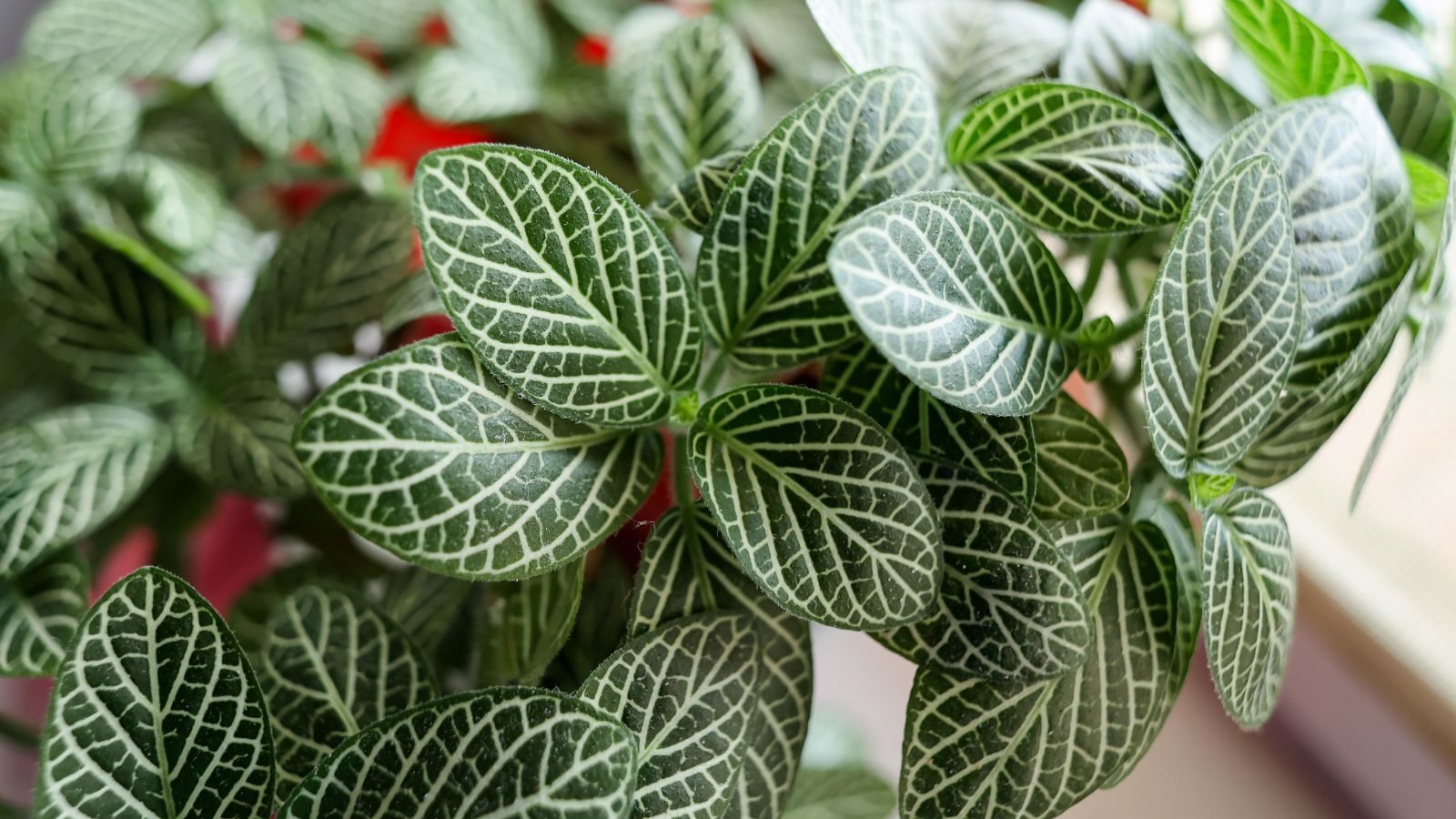
Look closely at a leaf of Fittonia verschaffeltii and you’ll see a city of thought: pale capillaries branching and re-branching like a neural map, a logic diagram rendered in living green. It’s no wonder modern flower language (花语) reads this tiny rainforest dweller as a Virgo-adjacent emblem—rational, precise, quietly wise. This is a plant that rewards attentiveness and balance. Give it stable warmth, gentle light, and steady humidity, and it becomes a living reminder that clarity and care go hand in hand.
Meet Fittonia verschaffeltii, the “Nerve Plant”
- Family and form: Acanthaceae; a low, creeping foliage plant that forms soft mats and readily roots at the nodes.
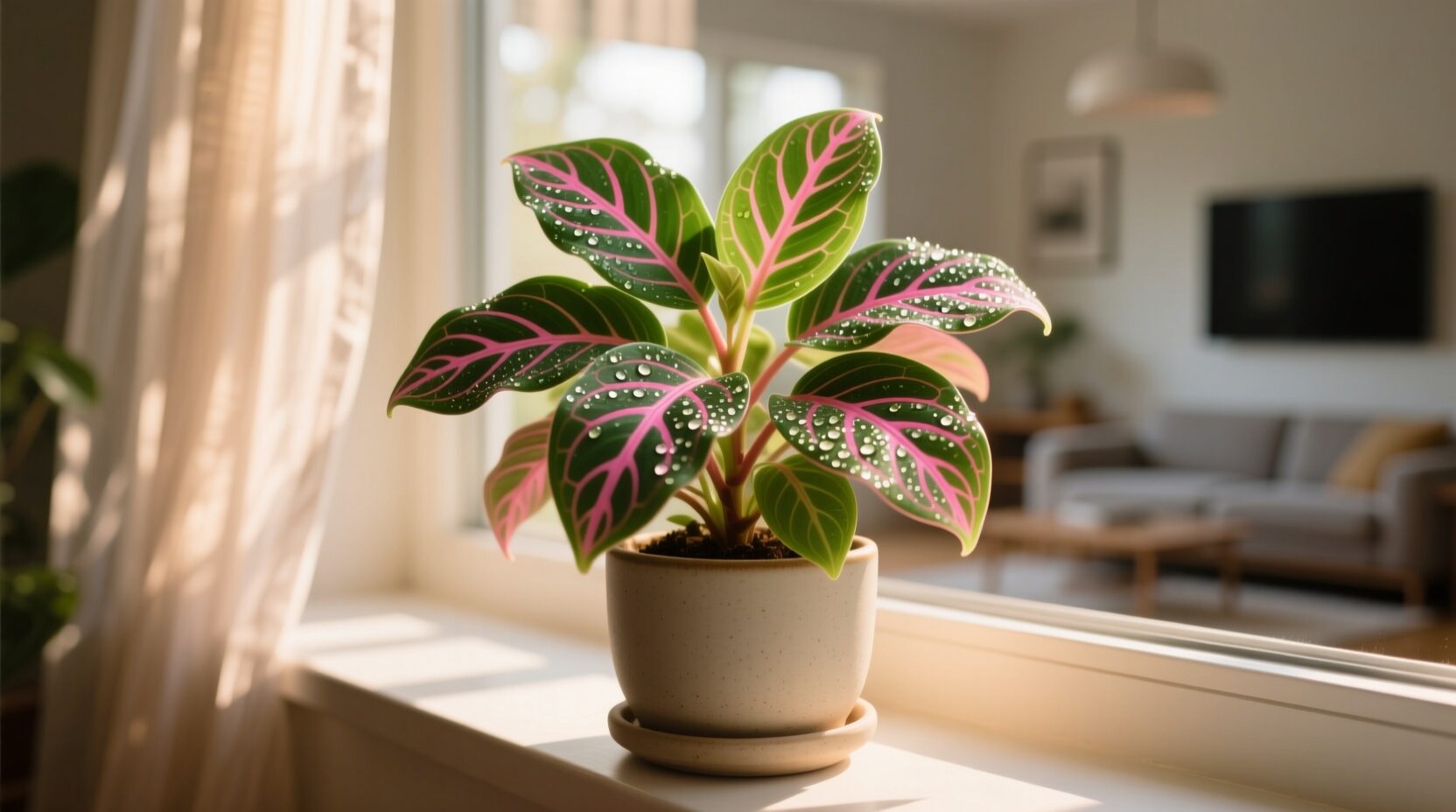
- Foliage: Thin, tender leaves etched with striking netted veins in white, pink, or red depending on the cultivar.
- Flowers: Small and modest from late spring into early autumn—charming, but the leaves are the show.
- Size: Typically 10–20 cm tall and 20–30 cm across (more with pruning and time).
- Native ecology: Warm, humid rainforest environments of Peru—think filtered light, steady moisture, and cushioned temperatures.
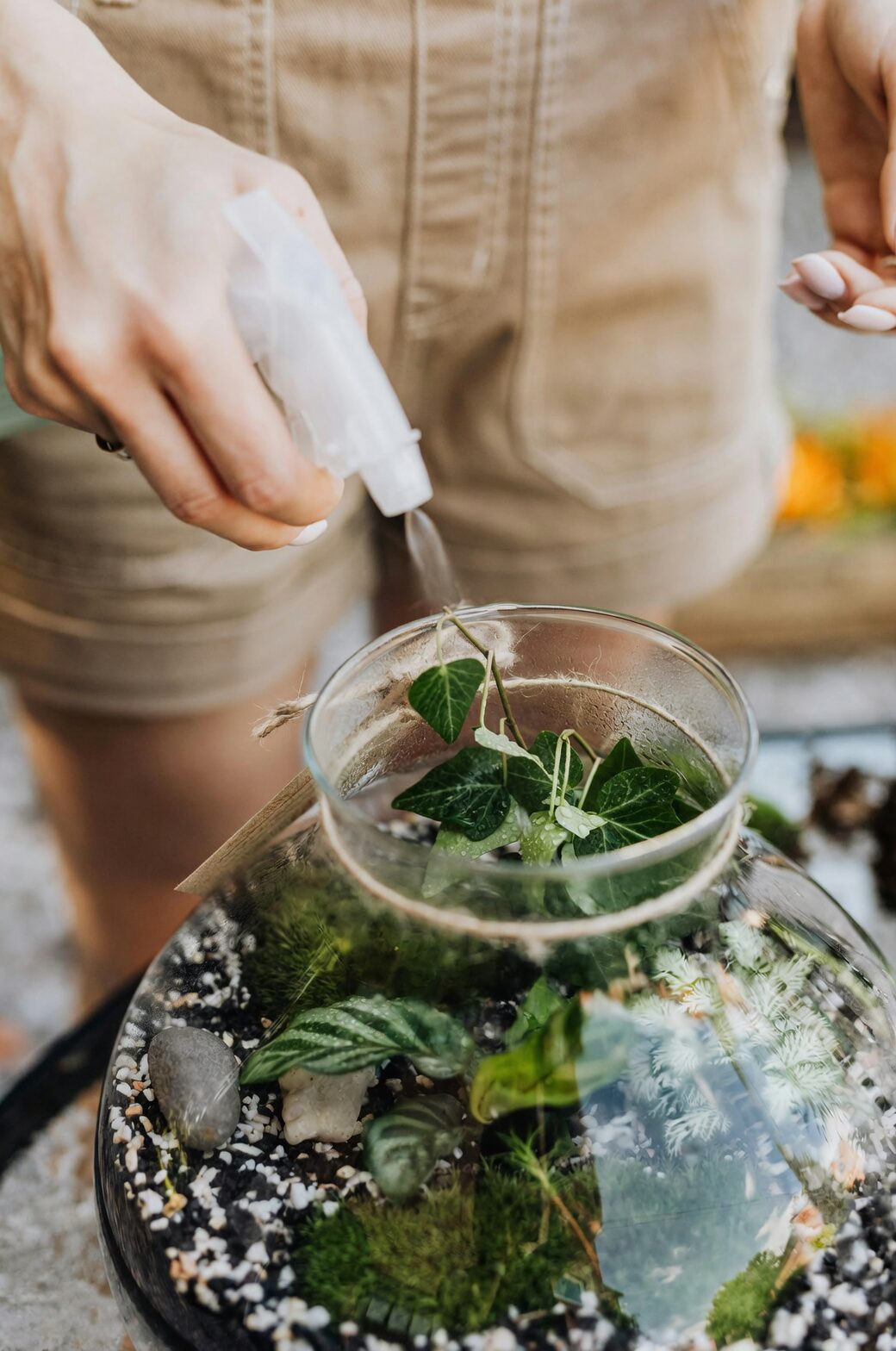
- Indoors it excels on desks, shelves, and especially in terrariums, where humidity stays blissfully high.
Why Virgo, rationality, and “wisdom” fit this plant
Fittonia’s modern symbolism isn’t accidental—it springs from what your eyes and hands learn as you care for it.
- The rational map: Those bold, branching veins look like diagrams of nerves or city transit lines—orderly networks that suggest analysis, pattern, and planning.
- Virgo’s precision: This plant prefers consistency—bright, filtered light; evenly moist (not soggy) soil; high humidity; and a stable 18–25°C room. Its best life is built on routines, not drama.
- Quiet wisdom: Fittonia communicates clearly if you listen. Leaves curl when the air and soil run too dry; yellow and soften if water sits too long. Interpreting these signals feels like practicing calm, observational intelligence.
Note on flower language (花语): In Victorian times, floriography assigned meanings so people could “speak” with bouquets. Fittonia wasn’t a star of that older canon, nor is there evidence of ancient ritual uses tied to it. Its present-day associations—Virgo, rationality, wisdom—are contemporary readings shaped by its vein-like look and meticulous care needs. In other words, the meaning is modern, but it’s grounded in how the plant actually behaves.
A modern 花语 for Fittonia
Consider a three-part meaning you can use in gifting and décor:
1) Clarity and rational mapping: Seeing patterns; organizing thoughts.
2) Attentive care and precision: The value of method, routine, and small, consistent actions.
3) Balanced sensitivity: Being responsive without being reactive—thriving within thoughtful limits.
How people use these meanings today
Gifting
- For students, researchers, analysts, coders, editors: A compact Fittonia in a matte ceramic pot says “clarity through care.” Add a card: “For mapped thoughts and steady focus.”
- New job or study milestone: Choose vein color to match intention:
- White veins: clarity, clean logic, fresh starts.
- Pink veins: empathy in teamwork, thoughtful communication.
- Red veins: confident energy and momentum.
- Housewarming: A petite terrarium Fittonia speaks of mindful routine and soothing spaces.
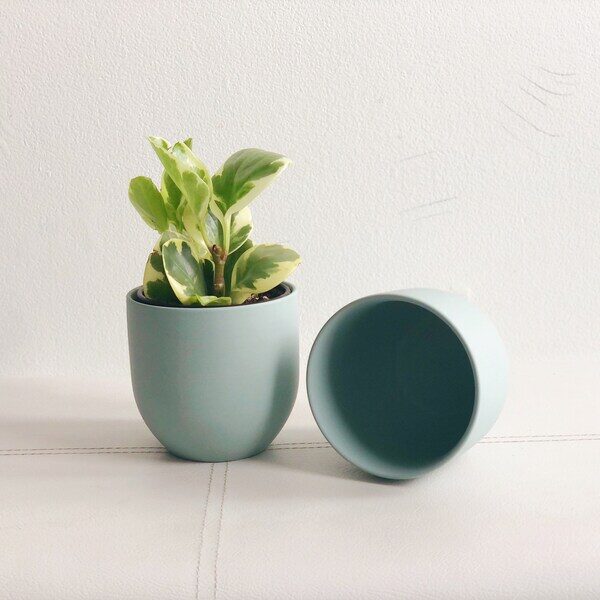
Tip: Protect the delicate leaves during transport; choose plants with crisp veining and no bruises or tears.
Study spaces
- Place near a bright window softened by a sheer curtain or in a well-lit room—never in harsh midday sun.
- Keep away from vents, AC, or space heaters; drafts sap humidity and focus alike.
- Pair with an hourglass or tidy pen caddy to echo the plant’s message: order supports creativity.
Mindful décor
- Terrarium meditation corner: A glass vessel keeps humidity high and visual clutter low—perfect for “quiet wisdom.”
- Reading nook companion: On a side table with warm light, Fittonia becomes a gentle cue to slow down and notice details.
Care that honors the meaning
Light
- Bright, indirect light to partial shade. Direct sun can scorch delicate leaves; a curtained window is ideal.
Water
- Keep the mix evenly moist during active growth—never bone-dry, never swampy.
- In winter, water a little less but don’t let the pot dry out. Water at midday and keep above 16°C to prevent stress.
Tells from the leaves:
- Curling/wilting = the mix or air is too dry.
- Yellowing/softness = too wet; improve drainage and ease up on watering.
Humidity and temperature
- Loves 50–70%+ humidity. Use a pebble tray, room humidifier, or a terrarium.
- Best growth at 18–25°C. Avoid drafts; protect from cold snaps. Keep winter temps above 16°C.
Soil and pot
- Rich, humus-heavy, free-draining mix (peat- or leaf-mold–based with perlite/coarse sand).
- Many growers use 12–15 cm pots; several young plants together create a lush “carpet.”
Feeding
- Spring–summer: feed about every 2 weeks with a diluted balanced fertilizer (e.g., 20-20-20). Keep it off the leaves to prevent burn.
- Start feeding once you see fresh growth, especially after bringing a plant home.
Pruning and shaping
- Pinch tips to keep growth compact and bushy; remove yellowing leaves promptly.
- Older, leggy plants (around the 2-year mark) can be “restarted” with fresh cuttings for a fuller look.
Propagation
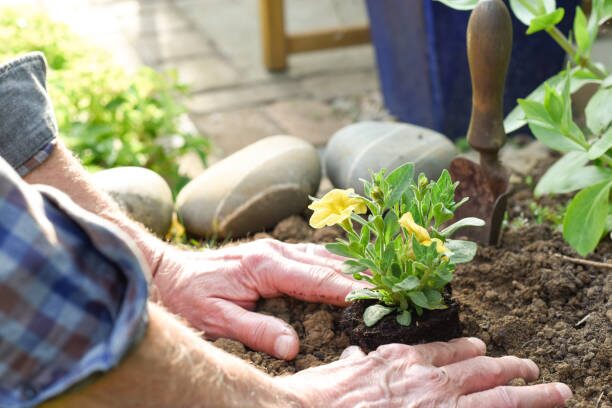
- Very easy from spring tip cuttings (about 10 cm, with 3–4 nodes). Remove lower leaves, let the cut end dry briefly, then insert into moist sand or peat mix at about 20°C. Rooting takes roughly 2–3 weeks.
- Or divide rooted, creeping sections and pot them up.
Seasonal rhythm (a rational routine)
- Year-round: stable warmth, bright-indirect light, and humidity.
- Spring–summer: consistent moisture, regular feeding, tip-pinching.
- Autumn: if it spent summer in a protected spot, bring it inside as nights cool.
- Winter: reduce water slightly, avoid drafts, keep above 16°C.
Troubleshooting as a logic puzzle
- Leaves curling or edges crisping: Air or soil is too dry; boost humidity and water before the mix fully dries.
- Faded or scorched patches: Too much direct sun; shift to filtered light.
- Yellow, mushy leaves or stem rot: Overwatering or poor drainage; improve the mix, reduce frequency, and let excess water drain fully.
- Pests (scale, spider mites, aphids): Rinse foliage, increase humidity and airflow (mites love dry air), and use insecticidal soap or horticultural oil if needed.
Pet and people considerations
- Generally considered non-toxic to cats and dogs. As with most plants, nibbling can still upset sensitive stomachs—place it thoughtfully.
Turning symbolism into practice
- Make it a Virgo-season ritual: at summer’s end, refresh potting mix, prune lightly, and set new study intentions with a small tag tucked into the pot.
- Use it as a “focus compass”: each watering is a micro check-in—Is the light soft? Is the air kind? Are routines balanced? Over time, Fittonia’s well-being mirrors your habits of attention.
A closing note on wisdom
In a world that often prizes speed, Fittonia verschaffeltii thrives on steadiness. Its veinwork resembles the pathways of thought; its care rewards patient observation. Place one on your desk or in a terrarium, and let it tutor you in Virgo’s language: clarity mapped carefully, decisions made gently, and wisdom practiced in small, consistent acts.