

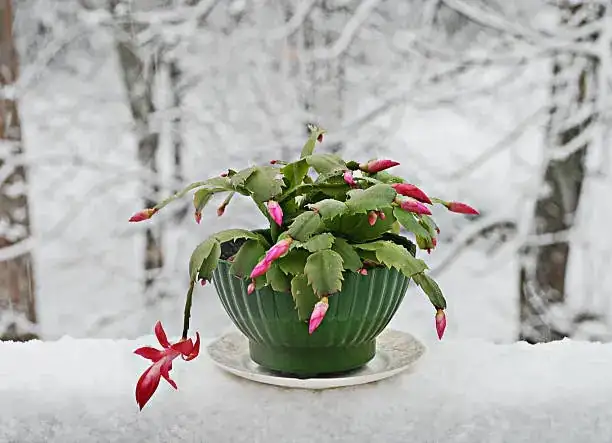
Discovering the Wonders of Schlumbergera truncata: The Christmas Cactus
Imagine a plant that defies the typical expectations of cacti, showcasing vibrant blooms not under the scorching sun, but during the quiet, cooler months of the year. Meet Schlumbergera truncata, more commonly hailed as the Christmas Cactus. This captivating plant isn’t just a festive addition to your home; it is a marvel of nature with fascinating traits and a rich history.
A Botanical Marvel from Brazil’s Rainforests
Unlike its desert-dwelling cousins, the Christmas Cactus hails from the lush coastal mountains of southeastern Brazil. In its native habitat, this plant grows as an epiphyte, clinging to trees in the humid, lightly shaded rainforest. This unique environment shapes its care requirements, making it a plant that thrives in conditions quite different from the arid homes of other cacti.

The Anatomy of Beauty: Stem Segments and Blooms
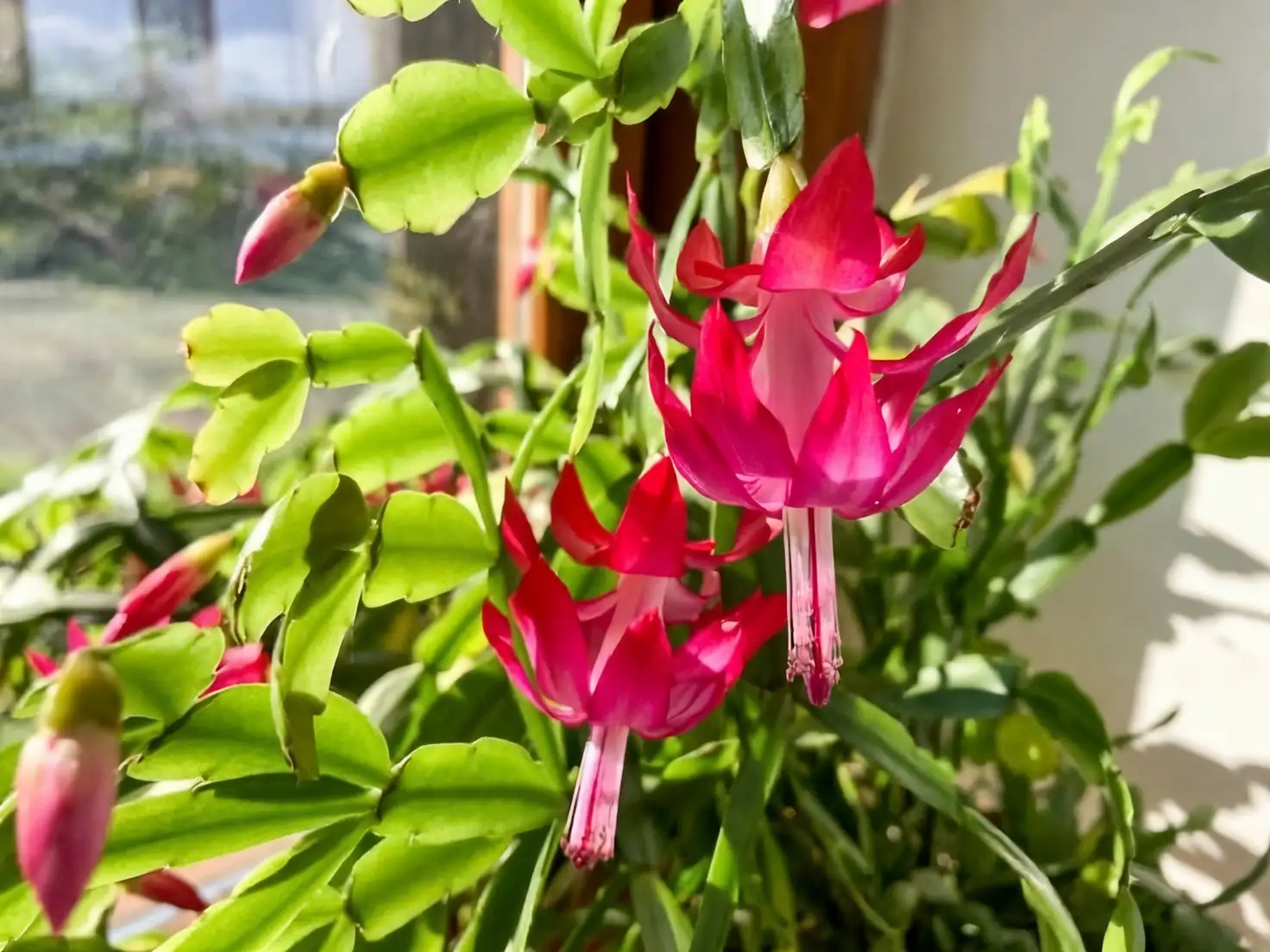
One of the most striking features of the Christmas Cactus is its flat, segmented stems. These aren’t true leaves, but rather modified stems that are glossy, mid- to bright green, sometimes tinged with purple when exposed to strong light. The segments are edged with small teeth, giving the plant its nickname, “Crab Cactus.”
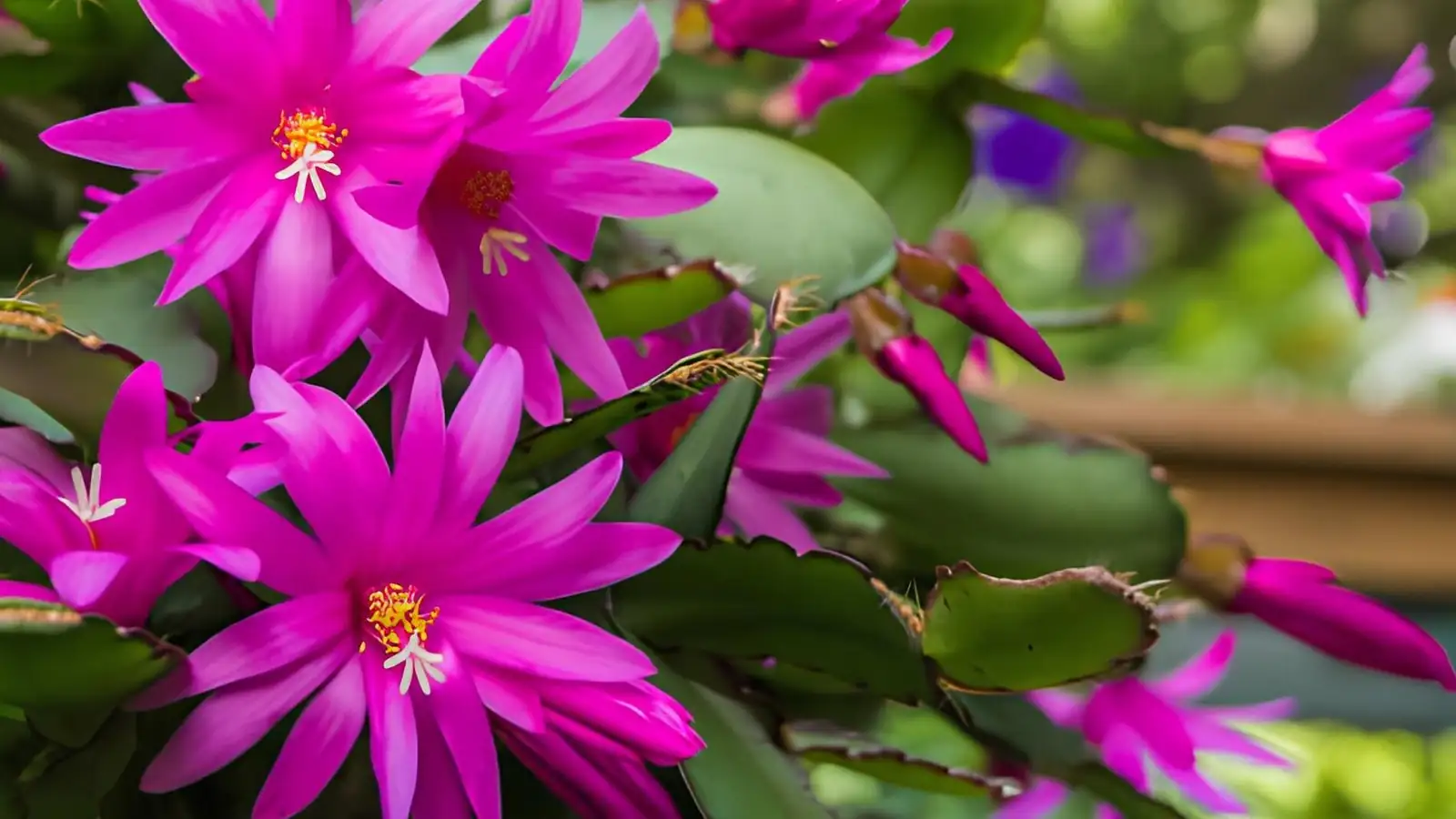
But the real showstopper is its flowers. Blooming from late fall into winter, these tubular blossoms emerge at the tips of the segments and come in a dazzling array of colors—think pinks, magentas, reds, and even bicolors. Each flower is a layered masterpiece, often measuring up to 9 cm long, though they are not fragrant. It’s a visual feast that captures the spirit of the holiday season.
A Symphony of Light and Temperature
To coax those stunning blooms from your Christmas Cactus, you need to play a delicate symphony of light and temperature. They prefer bright, indirect light, making an east-facing window an ideal spot. However, during the flowering season, they need long nights to set buds—think of it as their beauty sleep. This short-day plant requires uninterrupted darkness for about 14 hours a day during autumn, so keep them away from night lights or TV screens.
Temperature plays a crucial role too. The Christmas Cactus flourishes in cooler conditions, with the best growth occurring between 18–23°C (64–73°F). To encourage budding, cooler nights are beneficial, while keeping them above 10°C (50°F) will prevent cold stress.
Caring with Ease: From Watering to Pruning
Despite its exotic origins, the Christmas Cactus is relatively easy to care for. Watering should be thorough but not excessive; allow the potting mix to dry partially between waterings, especially during its post-bloom rest period. Using a fast-draining, airy soil mix is essential, as the roots despise being waterlogged.
Pruning right after flowering can encourage a bushier plant. Simply twist off segments or snip them cleanly, and you’ll find your cactus growing even more vigorously. If you’d like to share the love, propagation is straightforward—stem-segment cuttings root easily, allowing you to spread the holiday cheer to friends and family.
A Legacy of Longevity
The Christmas Cactus isn’t just a seasonal delight; it’s a symbol of longevity and resilience. With proper care, these plants can thrive for decades, becoming heirlooms passed down through generations. Their ability to bloom in the darkest months makes them a symbol of hope and renewal.
Fun Facts and Common Queries
- Did you know? The “leaves” you see are actually stem segments, and the plant often blooms earlier than the true “Christmas Cactus,” Schlumbergera × buckleyi.
- Why isn’t my cactus blooming? It might be missing those long, dark nights or experiencing too much warmth. Ensure it gets the right conditions to set buds.
- Is it safe for pets? Luckily, Christmas Cacti are non-toxic to cats and dogs, though curious nibblers might experience mild digestive upset.
In essence, Schlumbergera truncata is more than just a plant—it’s a conversation starter, a family tradition, and a vibrant splash of life in the depths of winter. Whether you’re a seasoned plant enthusiast or a curious beginner, welcoming a Christmas Cactus into your home promises color, joy, and a touch of botanical magic.


