
Propagation Masterclass: Growing Your Own Begonia maculata
Imagine a houseplant that dances with speckles and shines with a delightful shimmer when the light hits just right. Enter the Begonia maculata, often charmingly dubbed the Polka Dot Begonia. This plant is not just a treat for the eyes but also a rewarding project for any plant enthusiast looking to expand their indoor jungle. Today, let’s delve into the art of propagating this striking species through stem cuttings—a process that’s as satisfying as the plant is stunning.
Meet the Polka Dot Begonia
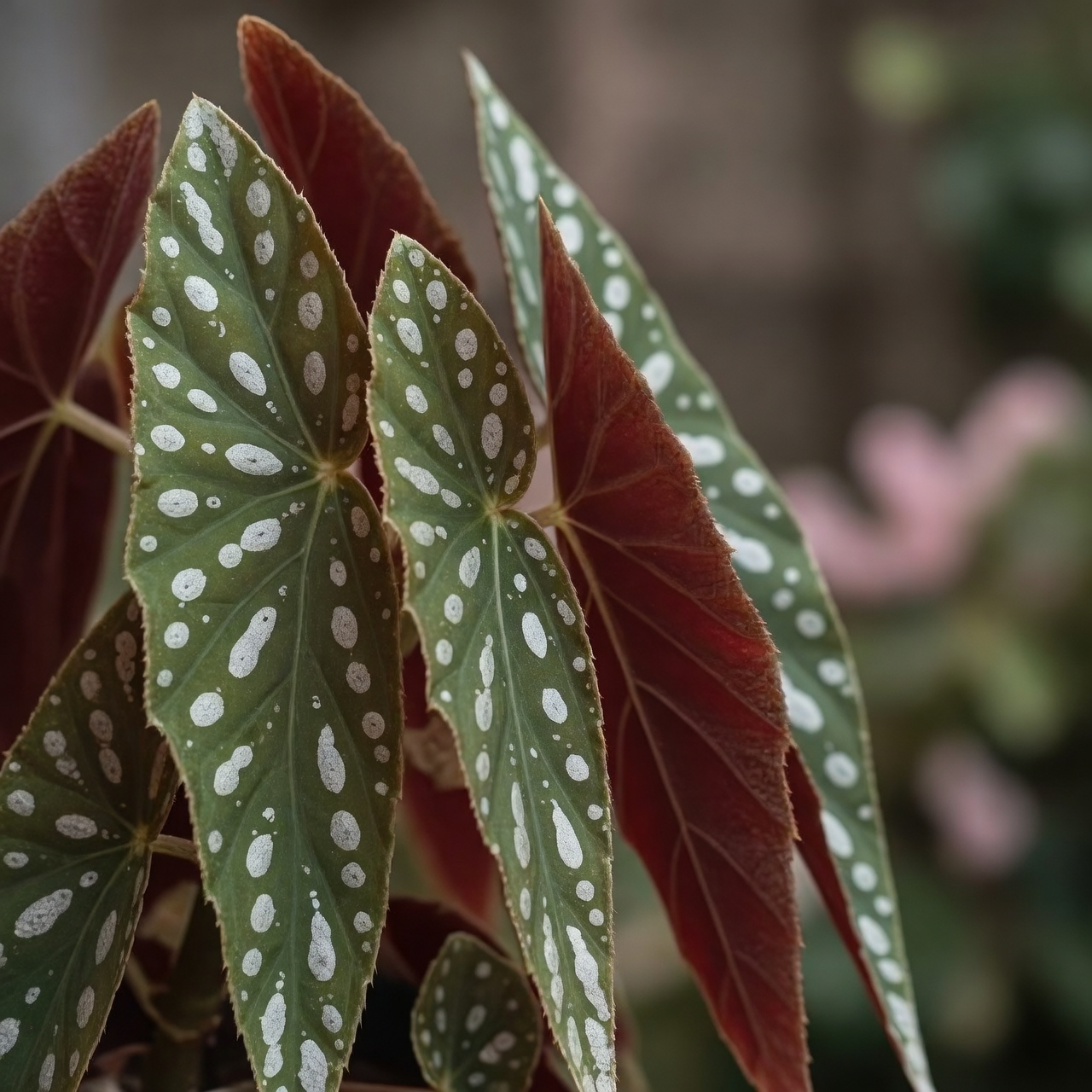
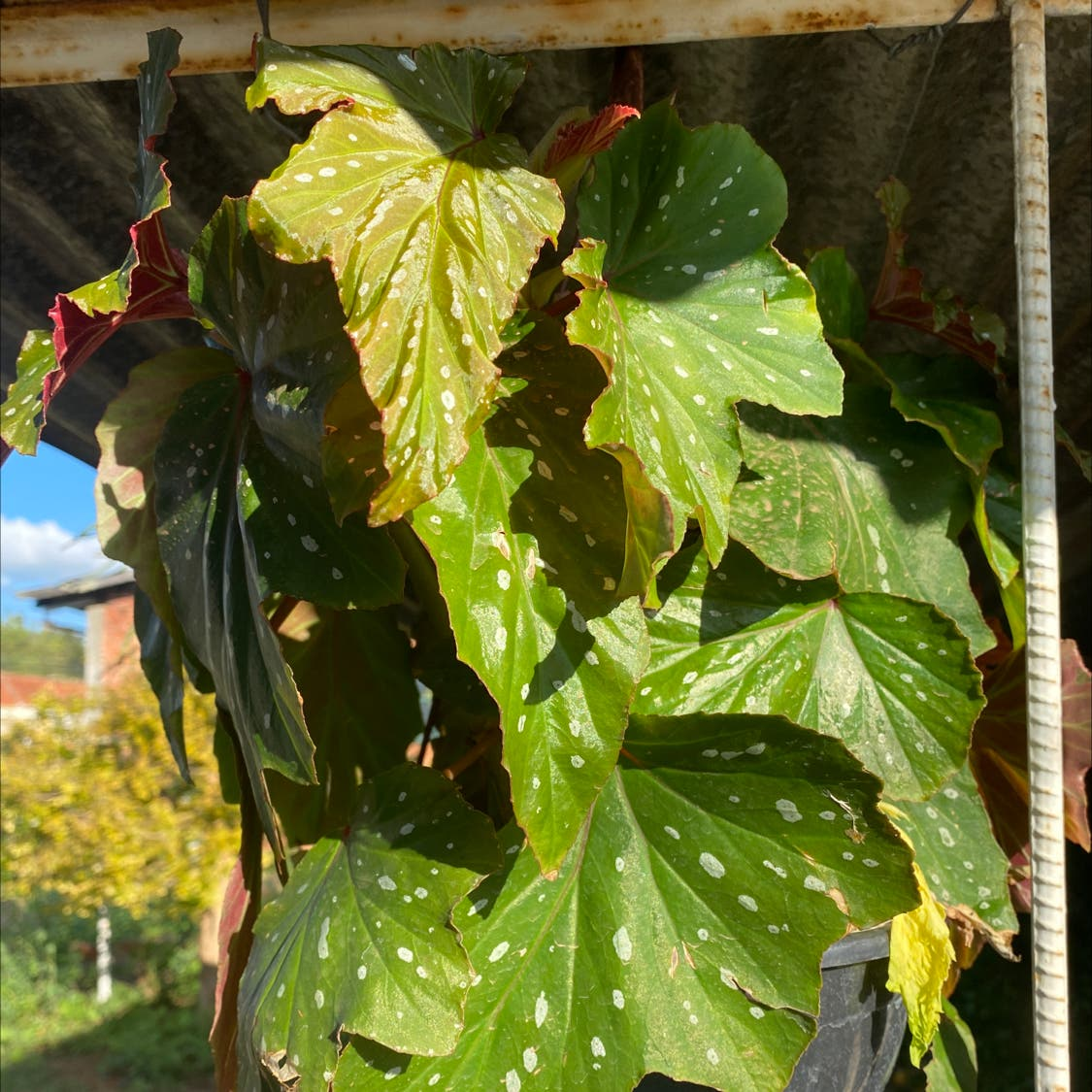
Originating from the lush rainforests of Southeast Brazil, the Polka Dot Begonia is a visual spectacle. Picture “angel wing” leaves adorned with neat, silvery-white spots, set against a backdrop of deep green with a dramatic reddish-burgundy underside. This plant isn’t just about looks; it’s a true statement piece, growing on bamboo-like canes that can reach impressive heights indoors.
Why Propagate?
Propagating Begonia maculata is like sharing a piece of art. Not only does it allow you to grow your collection (or gift a piece to a fellow plant lover), but it also helps manage the plant’s size, especially if those canes get a bit unruly. Plus, who doesn’t love the idea of turning one beautiful plant into several?
The Step-by-Step Propagation Process
1. Preparing for Success
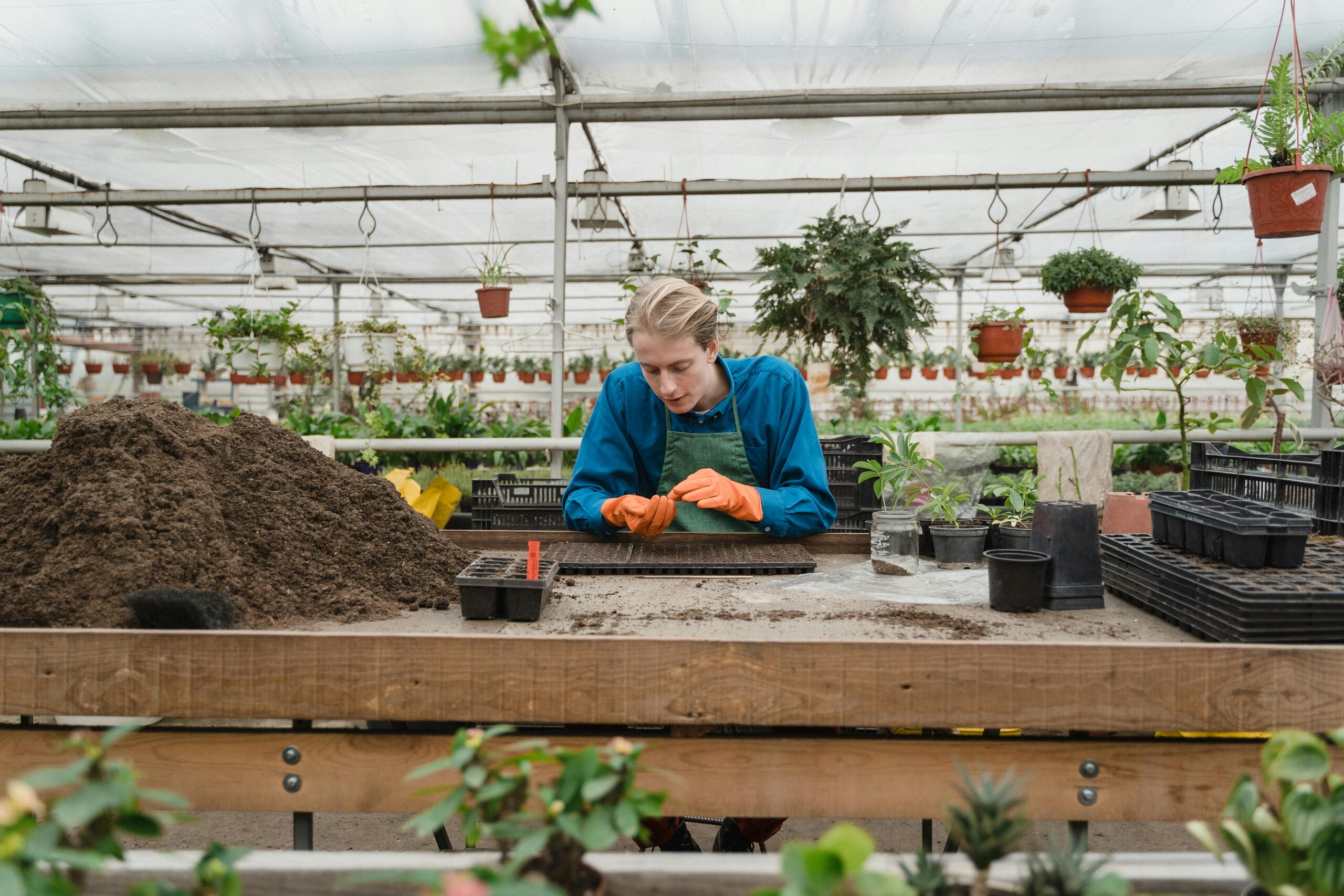
Before diving in, gather your tools: a clean pair of shears, a glass of water or a well-draining potting mix, and a warm, brightly lit space (think bright but indirect sunlight).
2. Taking the Cutting
Select a healthy stem, preferably 8–15 cm (3–6 inches) long, with at least one node (a little bump where leaves emerge). A cutting with 2–3 nodes is ideal for a stronger start. Make a clean cut below a node and remove any lower leaves that might be submerged in water or buried in soil.
3. Rooting the Cutting
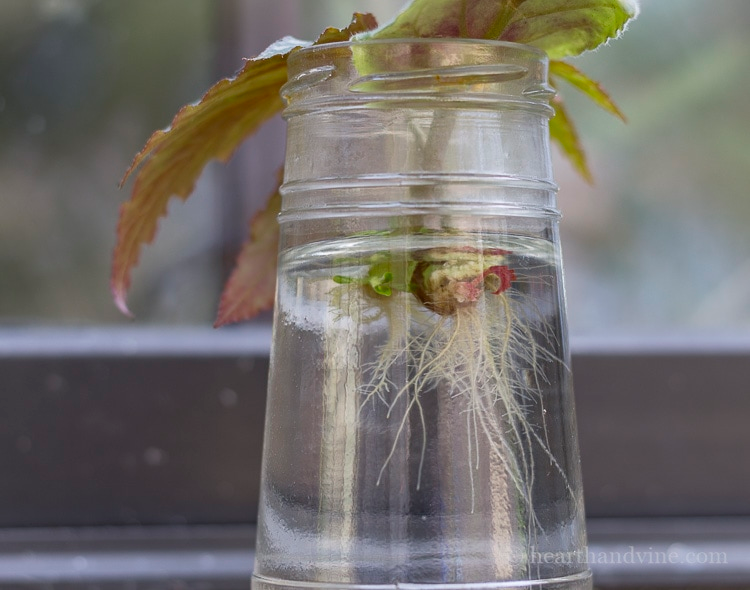
- In Water: Place the cutting in a glass of water, ensuring that the node is submerged. Change the water regularly to keep it fresh and clear. Roots often begin to form within 2–4 weeks in good conditions.
- In Soil: Alternatively, plant the cutting in a light, airy potting mix. A peat or coco-based mix with added perlite or fine bark works wonders. Keep the soil lightly moist and maintain high humidity around the cutting—consider using a plastic cover or a mini greenhouse to trap moisture.
4. Patience and Care
Patience is key! Roots typically develop within a few weeks. During this time, ensure the cutting stays warm—ideally between 18–24°C (65–75°F)—and receives bright, indirect light.
5. Transitioning to a Pot
Once a healthy root system is visible, transition your new plant into a pot with well-draining soil. Continue to provide the right conditions: bright indirect light, consistent moisture, and moderate to high humidity.
Tips for Thriving Begonias
- Light: While Begonia maculata loves bright, indirect light, be cautious of direct sun, which can scorch those beautiful leaves.
- Humidity: Aim for at least 50% humidity. A bright bathroom with good airflow can be a perfect spot.
- Watering: Water when the top 1–2 cm of soil feels dry, avoiding soggy conditions. In winter, reduce watering but don’t let the soil dry out completely.
Common Challenges
- Floppy Stems: This can happen if your begonia isn’t getting enough light. Move it to a brighter spot and consider using a stake for support.
- Yellow Leaves: Often a sign of overwatering or cold drafts. Ensure proper drainage and a stable, warm environment.
- Brown Edges: Usually due to low humidity or inconsistent watering. Boost humidity and maintain even moisture levels.
The Magic of Polka Dot Begonia
Beyond its aesthetic appeal, the Polka Dot Begonia is steeped in symbolism. In Chinese culture, begonias are sometimes associated with bittersweet love and longing, reflecting the plant’s delicate beauty. Additionally, the playful dots inspire creativity and confidence—a fitting companion in any creative space or office.
By mastering the propagation of Begonia maculata, you not only enhance your own indoor garden but also partake in a botanical tradition that celebrates individuality and natural beauty. So, roll up your sleeves and let this propagation journey bring more life and charm into your home!