

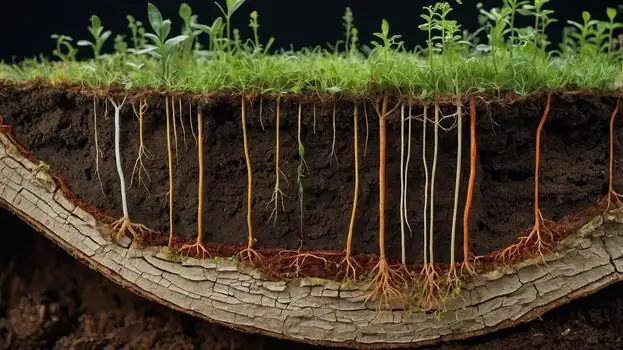
Have you ever wondered why some plants thrive while others seem doomed despite your best watering efforts? The secret often lies beneath the surface in the soil itself, particularly in how it handles drainage and aeration. Let’s dig into the differences between granular and peat soils, and how each affects your plants’ health.
The Basics: What Are Granular and Peat Soils?
Granular soils are composed of larger particles like sand or small stones, which create more space between particles. This structure typically allows water to drain quickly and provides ample air pockets for roots to access oxygen.
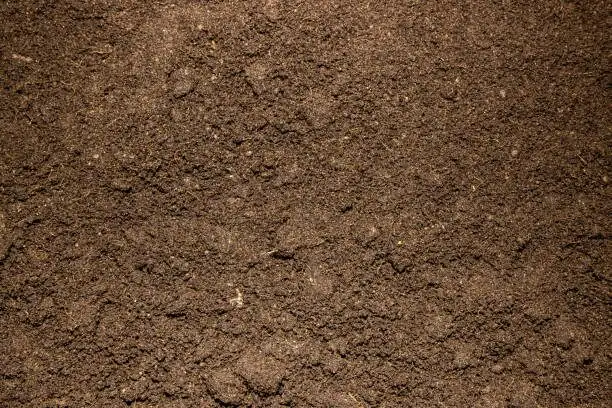
Peat soil, on the other hand, is dense and made up of decomposed organic matter. It holds moisture well, which can be a blessing or a curse depending on your plant’s needs.
Why Drainage and Aeration Matter
You might see water flowing out of your pot’s drainage holes and think all is well. However, as highlighted in the research, drainage doesn’t necessarily mean your plant roots have enough oxygen. Good drainage only shows where the water goes, not how much air is left behind in the soil for roots to “breathe.”
Granular Soil: The Fast Drainer
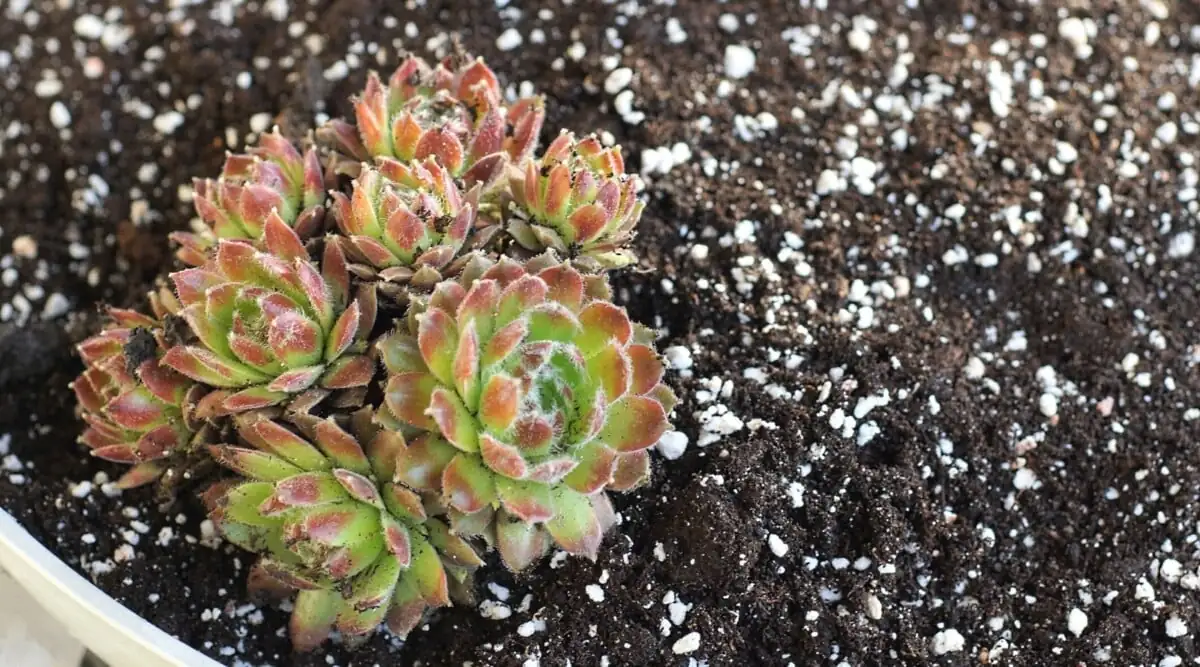
Granular soils, with their larger particles, excel at drainage. They’re perfect for plants like succulents and cacti that detest soggy feet. These plants benefit from the quick water exit and the air pockets left behind, which prevent root rot and promote healthy growth.
Tip: If you’re potting succulents, mix a gritty material like perlite or coarse sand into your soil to enhance drainage and aeration.
Peat Soil: The Moisture Retainer
Peat soils are champions at retaining water, which can be ideal for plants that love moist environments, like ferns and some aroids. However, the downside is that without proper aeration, peat can suffocate roots, leading to rot.
Watch Out: Peat’s water-holding capacity is both a strength and a weakness. Ensure your pot has adequate drainage holes, and consider mixing peat with lighter materials like perlite to improve aeration.
Finding the Right Balance
The balance between drainage and aeration is crucial. For most plants, aim for a soil mix that offers both good drainage and sufficient air-filled porosity (AFP). A healthy AFP should be around 10-35% after watering, depending on your plant species.
Practical Example: Potting Mix for Aroids
Aroids require a balance of moisture and air, making them a bit tricky. A mix of peat, perlite, and orchid bark can provide both the moisture retention and aeration these plants crave. This combination ensures that while the peat holds moisture, the other components allow for essential airflow.
Common Mistakes and How to Avoid Them
- Overwatering: Just because the water drains doesn’t mean the roots aren’t drowning. Ensure your soil mix has the right AFP to prevent oxygen starvation.
- Ignoring Soil Composition: Choosing the wrong soil type for your plant’s needs is a frequent mistake. Know your plant’s natural habitat and mimic those conditions as closely as possible.
- Skipping Soil Amendments: Adding materials like perlite or coarse sand can significantly enhance both drainage and aeration, so don’t skip this step, especially for indoor plants.
Conclusion
In the world of gardening, soil is more than just dirt—it’s the foundation of plant health. By understanding the nuances of granular and peat soils, you can tailor your potting mixes to meet the specific needs of your plants, ensuring they not only survive but thrive. Happy planting! 🌿


