

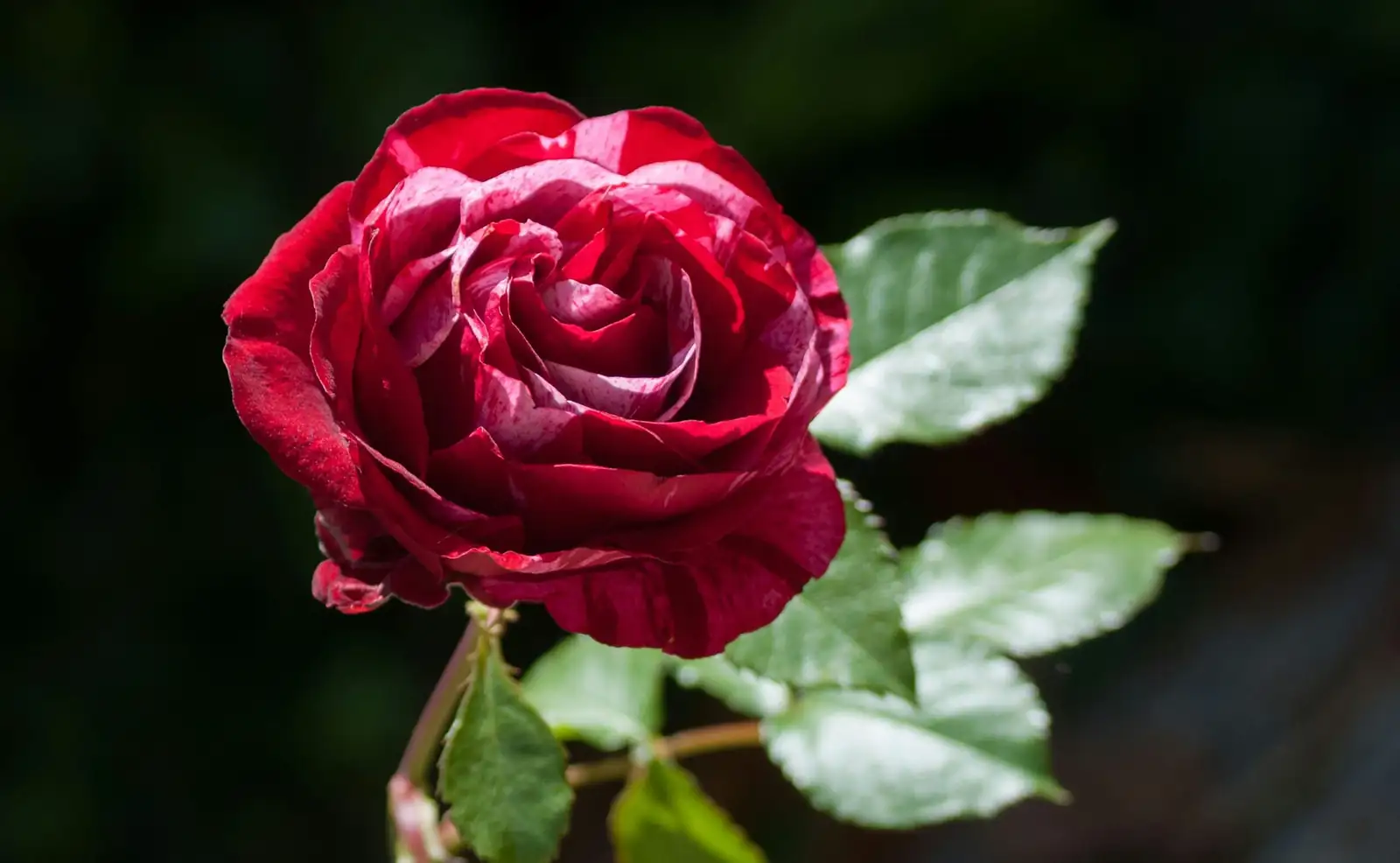
Think of Echeveria ‘Red Taurus’ as a tiny solar-powered jewel: the more carefully you tune its light, temperature, airflow, and watering, the deeper its burgundy glow. The secret is “controlled comfort with a pinch of stress”—brighter light, cooler nights, steady breezes, and a strict soak-and-dry routine—without ever crossing into sunburn or rot.
Meet your plant, fast
- Identity: Echeveria ‘Red Taurus’ (a horticultural cultivar in the Crassulaceae family)
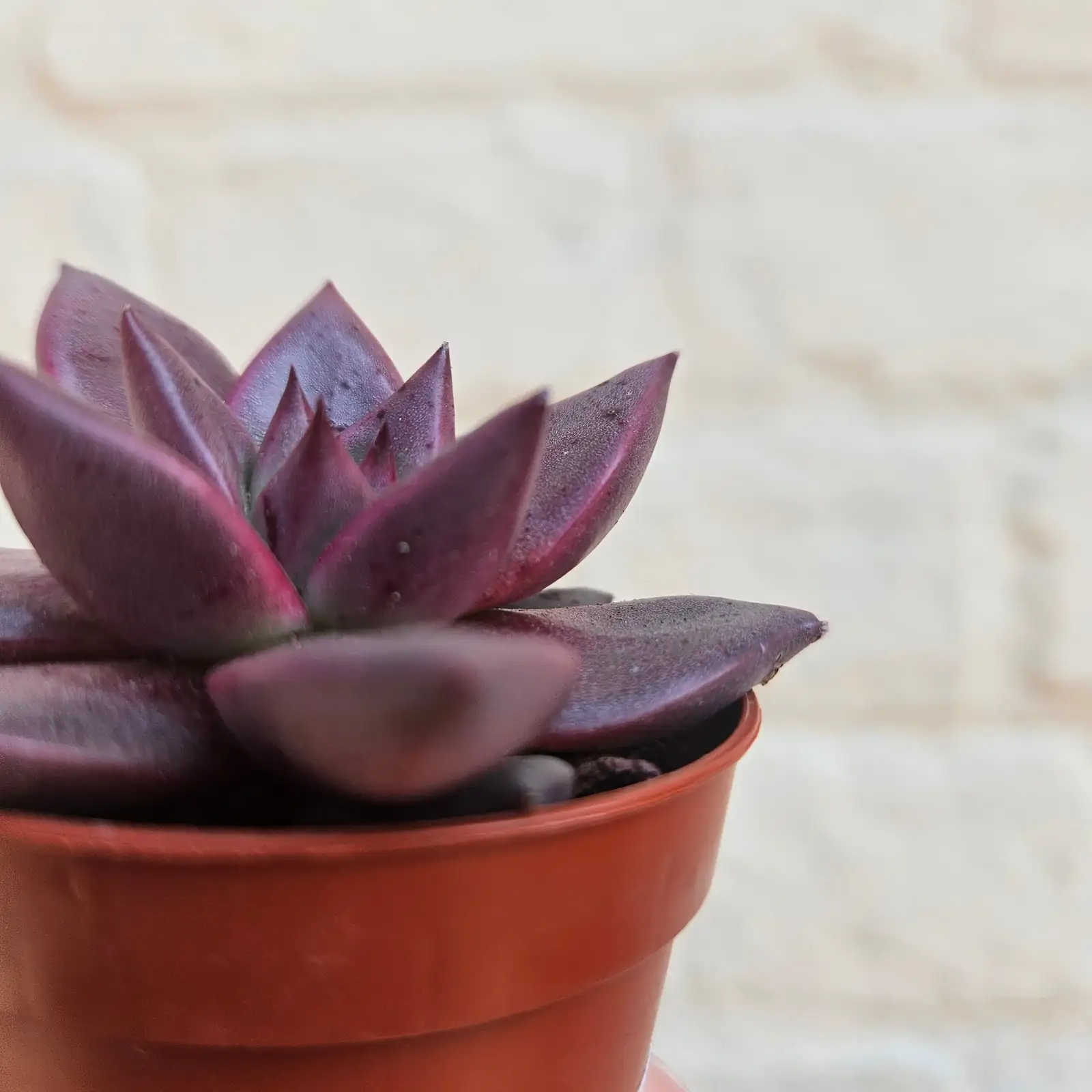
- Look: Tight, symmetrical rosettes with wine-red to burgundy leaves; offsets to form clumps
- Size: Rosettes about 8–15 cm (3–6 in) wide; overall height 10–20 cm (4–8 in)
- Flowers: Summer stalks 20–40 cm (8–16 in) tall with bicolored red-and-yellow blooms
- Habitat needs: Bright light to full sun; airy, very fast-draining soil; low-to-moderate humidity
- Temperature: Grows best at 15–27°C (59–81°F); protect from frost (keep above 0–5°C / 32–41°F)
The color-deepening pillars
1) Brighter light, safely. Aim for 4–6+ hours of direct sun to charge that burgundy. In very hot climates, give light afternoon shade.
2) Cooler nights. A day–night temperature drop helps intensify red tones. Keep well above frost and within comfort ranges, and bring plants in if nights approach the low 40s°F.
3) Airflow everywhere. Moving air dries leaf surfaces and soil evenly, discouraging rot and pests.
4) Soak-and-dry precision. Drench thoroughly, then let the mix dry out completely before watering again.
A 4‑week regimen to safely deepen the burgundy
Week 1: Foundation and gentle brightening
- Repot (if needed): Use a pot with drainage (terracotta is ideal) and a gritty cactus/succulent mix boosted with pumice or perlite. A 50–70% mineral component keeps roots oxygenated.
- Spacing and air: Give the rosette personal space; run a small fan on low or crack a window daily for gentle cross-breezes.
- Light start: Move to bright light with soft morning sun (1–2 hours) plus bright indirect light the rest of the day. Avoid jumping straight into midday sun.
- Water reset (soak): When the mix is bone-dry, water at the soil line until you see a good flush out the drain holes; never leave water sitting in the rosette. Water in the morning so any splash dries fast.
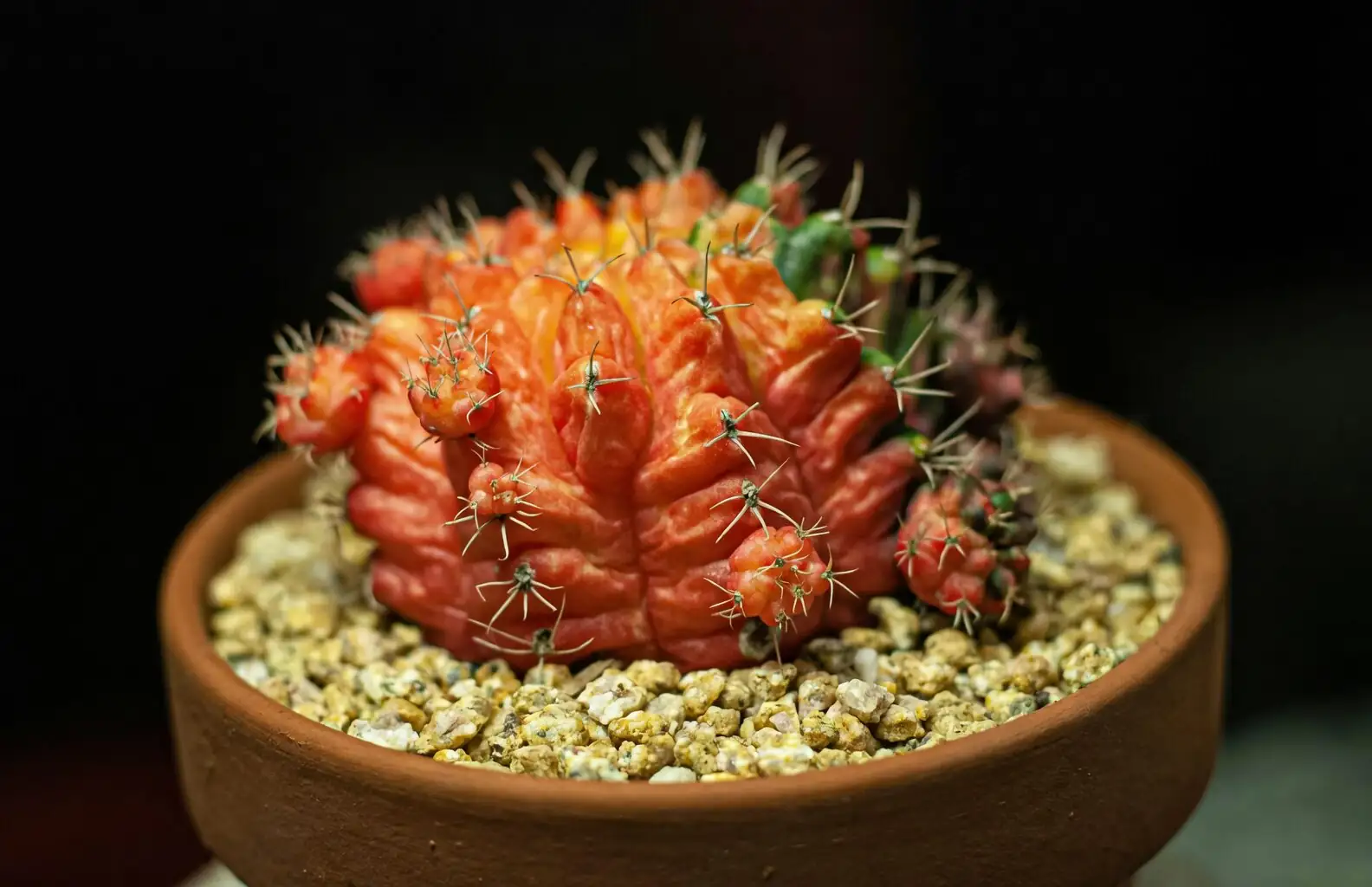
Week 2: Build sun, introduce cooler nights
- Increase direct sun to 3–4 hours, focusing on mornings. If outdoors, use dappled shade at midday.
- Nights: If possible, provide a modest night drop (e.g., bright warm days, cooler nights on a balcony). Keep clearly above frost and within the plant’s happy range.
- Water only after a full dry-down. In spring–summer, this often means every 7–14 days; adjust to your environment. Indoors with less airflow may take longer.
- Feed lean: Use a cactus/succulent fertilizer at 1/4–1/2 strength every 4–6 weeks in spring–summer. Too much nitrogen softens growth and mutes reds.
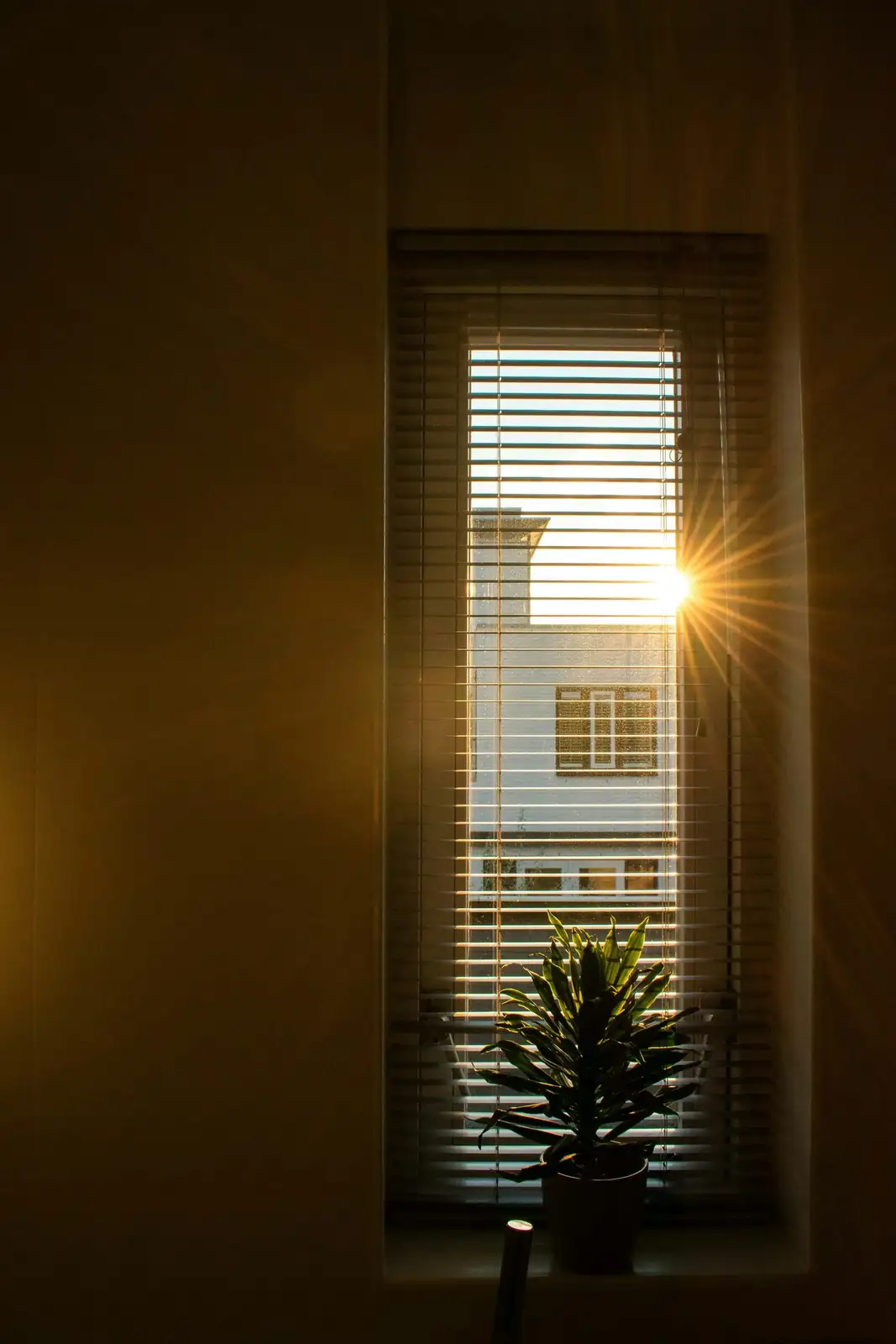
Week 3: Target color safely
- Hold 4–6+ hours of direct light, with light afternoon shade during heat spikes. Rotate the pot weekly so leaves color evenly.
- Airflow focus: Keep that fan or breeze going. Good airflow prevents the “damp crown + warm sun = rot” combo.
- Watering finesse: Let the pot dry completely—check via:
- Pot weight (light as a feather = dry)
- A dry wooden skewer coming out clean
- Dryness at the drain hole and top 2–3 inches of mix
Then soak thoroughly again. Avoid frequent sips.
- Watch for signals:
- Good stress: tighter rosette, deepening burgundy
- Too much stress: bleached patches (sunburn), crispy leaf tips, or prolonged limpness—dial back sun slightly and water after a true dry-down
Week 4 and beyond: Fine-tune and maintain
- Color maintenance: Keep bright light consistent, protect from harsh midafternoon scorch in hot regions, and continue lean feeding in the growing season.
- Grooming: Remove dry lower leaves and cut spent flower stalks. This improves airflow at the crown.
- Offsets: As clumps form, you can separate and re-root offsets in spring for even more color “satellites.”
Your sunburn and rot safety net
- Sunburn prevention:
- Step up light gradually (no big leaps).
- Prefer morning sun; in scorching weather, use light afternoon shade.
- Keep leaves dry under peak sun; never water over the rosette at midday.
- If you see pale, tan, or white patches, move to bright shade and resume slower acclimation.
- Rot prevention:
- Water only when the mix is fully dry, at the soil line.
- Keep the crown clear of debris; remove dried leaves.
- Ensure a gritty mix, a draining pot, and steady airflow. If rot appears, trim back to firm, healthy tissue and let the cut callus.
Airflow tricks that make a difference
- Indoors: A small oscillating fan on low, a cracked window, and spacing from neighboring plants
- Outdoors: Elevate pots on feet; avoid wind tunnels but favor light constant breezes
- Humidity: Low to moderate is best; skip saucers of water beneath the pot
Season-by-season color care
- Spring: Increase light gradually; resume feeding lightly; repot or propagate offsets. This is prime time to push color.
- Summer: Maintain 4–6+ hours of sun with light afternoon shade during extreme heat; water only after the mix dries; enjoy those bicolored red-and-yellow flowers.
- Autumn: Days soften—maintain brightness, start spacing out waterings.
- Winter: Keep bright and on the cooler side if possible, water very sparingly (often every 3–4 weeks or less), and absolutely protect from frost.
Potting mix recipe (color-friendly and rot-proof)
- Base cactus/succulent mix
- Plus mineral grit such as pumice or perlite to improve drainage (aim for a very free-draining texture)
- Terracotta pots help the mix dry between waterings and encourage compact, colorful growth
Troubleshooting the color quest
- Leaves turning greener: Not enough light. Add more direct sun gradually. Cooler nights help, too.
- Plant stretching tall (etiolation): Light levels are too low; move closer to a sunny window or add safe outdoor morning sun. You can behead and re-root the rosette if needed.
- Rosette rotting from the center: Water likely sat in the crown or the mix stayed wet too long. Water at the soil line, increase airflow, and ensure a gritty mix that dries fully between waterings.
- Pests: Mealybugs (check leaf axils), aphids on flower stalks, spider mites in hot, dry spells. Treat early with insecticidal soap or isopropyl alcohol swabs; improve airflow.
Watering, demystified (soak-and-dry that works)
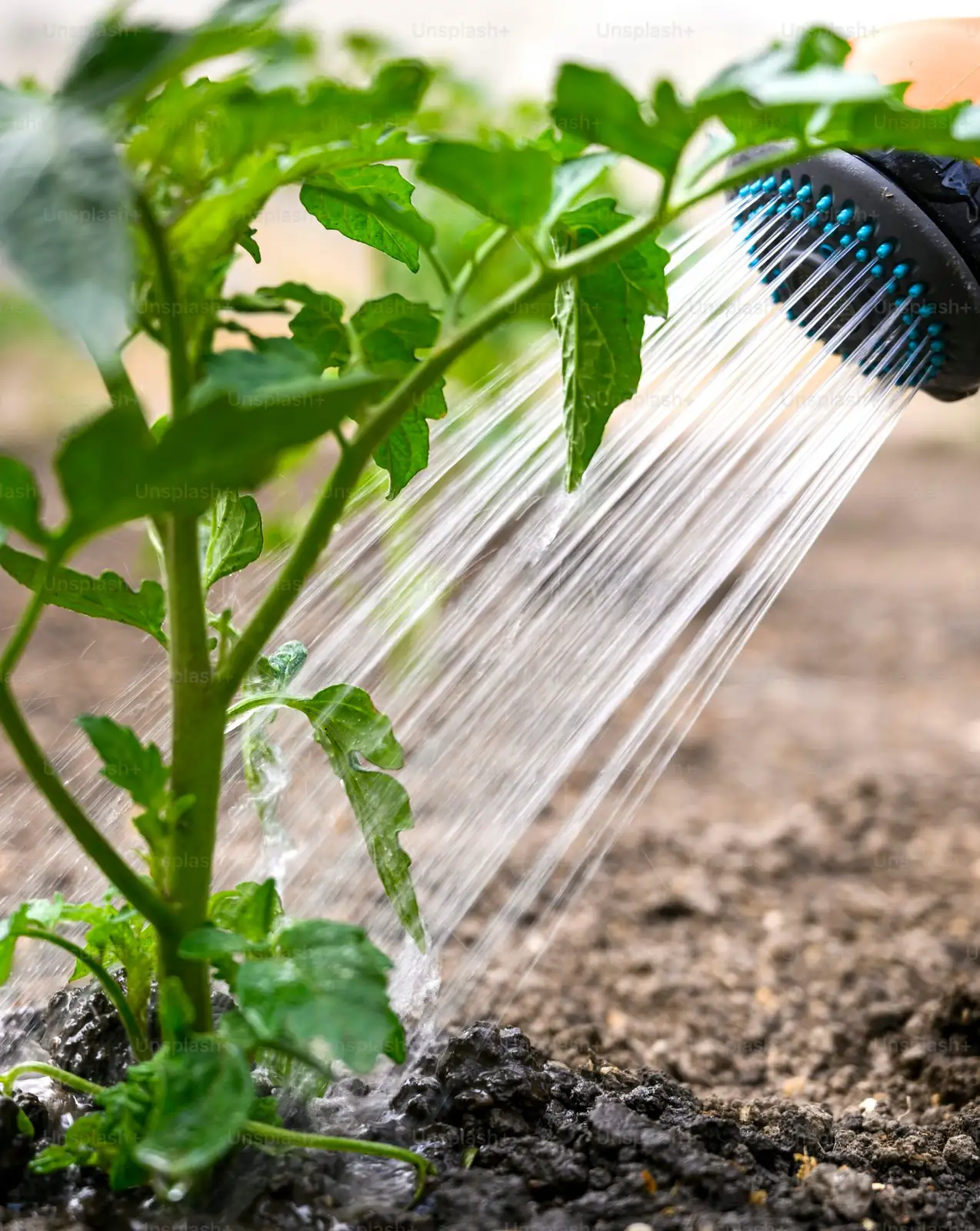
- When dry, water deeply until 10–20% runoff from the drain holes.
- Let the soil go fully dry again—often 7–14 days in warm seasons; 3–4 weeks or more in winter.
- Always water in the morning and at the soil line; never leave water in the rosette.
- If in doubt, wait a day. Overwatering is far riskier than waiting for a full dry-down.
Light placement ideas
- Indoors: Less than a foot from a bright south-facing window, or several hours of unobstructed east sun
- Outdoors (frost-free or warm seasons): Morning sun with dappled afternoon shade; ramp up exposure over 2–3 weeks
Good-to-know
- Hardiness: Generally suitable outdoors year-round only in USDA Zone 10–11. Elsewhere, treat as a sun-loving container plant you can move.
- Non-toxicity: Generally considered non-toxic to people and pets, though nibbling may cause mild stomach upset.
Symbolism, briefly
- Echeverias like ‘Red Taurus’ often stand for endurance and self-reliance—resolute rosettes that weather bright sun and lean soils while rewarding care with saturated color and summer spires of flowers.
The takeaway
Deep, elegant burgundy is the result of consistent bright light, a gentle day–night temperature dip, constant airflow, and a disciplined soak-and-dry routine. Nudge these four levers gradually, watch the leaves for feedback, and your ‘Red Taurus’ will hold its color like a well-polished gem—no sunburn, no rot, just radiant crimson poise.