


Springtime heralds a vibrant spectacle in gardens worldwide—the beloved tulip (Tulipa spp.). These perennial wonders, native to Central Asia and the mountainous terrains of Turkey and Iran, are cherished for their dazzling hues and elegant forms. However, the journey from bulb to bloom is not without challenges. Tulips, with their bold beauty, can fall victim to a host of pests and diseases, threatening to mar their splendor. But fear not! With a little know-how and proactive care, your tulips can thrive, gracing your garden with their magical presence.
Battling Gray Mold: The Dreaded Tulip Fire
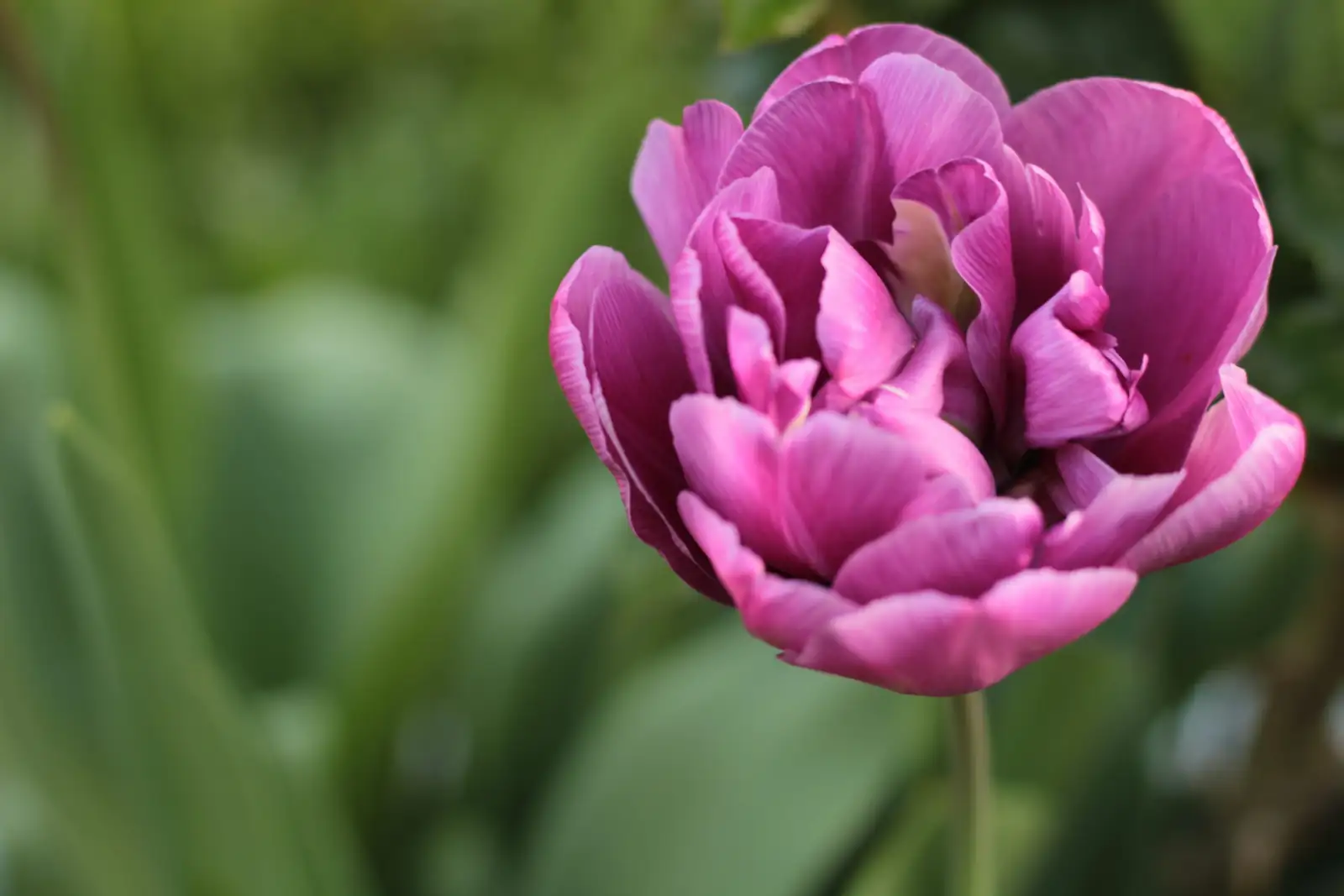
One of the most notorious foes of tulips is Botrytis tulipae, commonly known as Tulip Fire. This fungal disease is as devastating as its name suggests, leaving behind scorched, blighted foliage and blooms. Tulip Fire thrives in wet and humid conditions, manifesting as brown lesions on leaves and petals, often covered with a fuzzy gray mold.
Prevention and Solutions:
- Good Airflow: Ensure your tulips are planted with adequate spacing to promote air circulation. This reduces the damp conditions that Botrytis loves.
- Clean Planting: Use clean, virus-free bulbs and avoid planting in areas where infected plants have previously grown.
- Prompt Removal: Quickly remove and dispose of any infected plants to prevent the spread of spores.
- Fungicidal Treatments: In cases of severe outbreaks, fungicides can be applied to protect unaffected plants, though they should be a last resort.
Defending Against Bulb Rot: The Silent Saboteur
Tulip bulbs, like hidden treasures beneath the soil, are vulnerable to rot, especially in poorly drained conditions. Bulb rot can be caused by various fungi and bacteria, leading to soft, mushy bulbs that fail to sprout.

Prevention and Solutions:
- Well-Draining Soil: Tulips thrive in rich, well-draining soil. Consider sandy loam with good organic content to prevent waterlogging.
- Proper Planting Depth: Plant bulbs about 15–20 cm (6–8 in) deep to protect them from surface moisture.
- Avoid Overwatering: Once established, tulips prefer drier conditions. Water only when necessary during active growth, and reduce watering as they enter dormancy.
Combating Aphid Infestations: The Sap Suckers
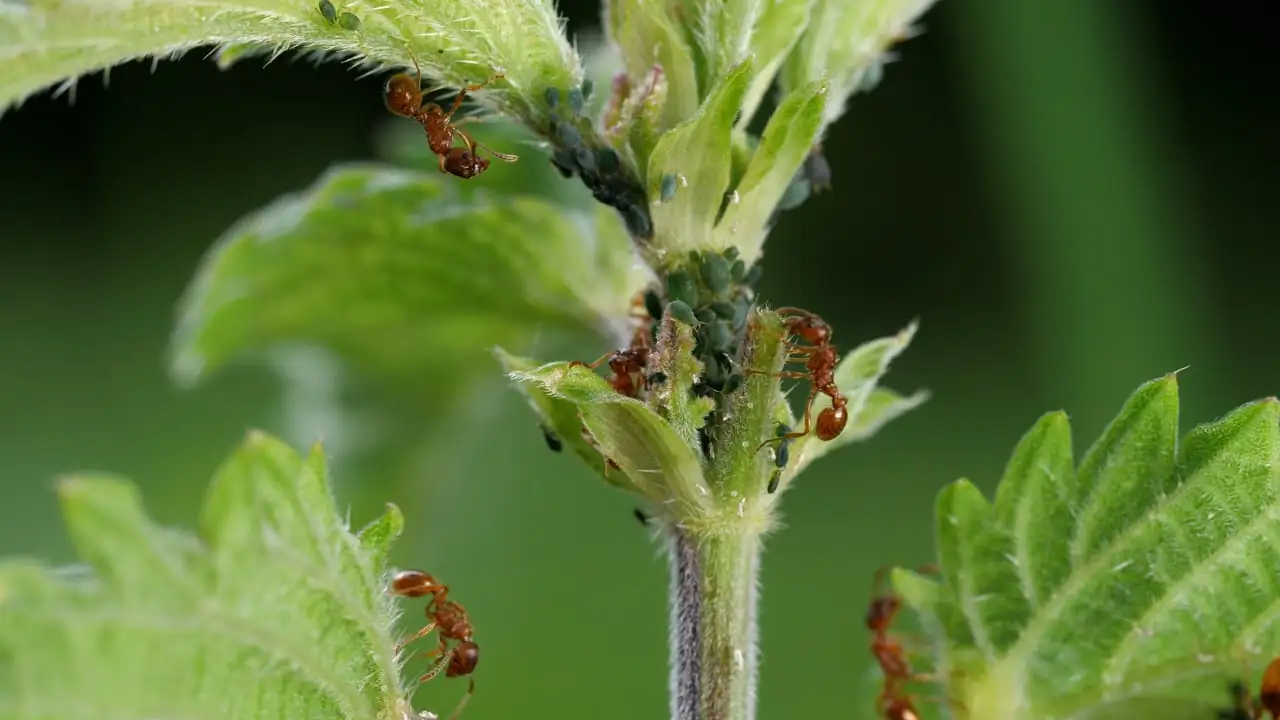
Aphids, tiny sap-sucking insects, can cause significant harm to tulips by stunting growth and spreading viral diseases, such as the Tulip Breaking Virus, which causes dramatic color streaking but weakens the plant.
Prevention and Solutions:
- Natural Predators: Introduce ladybugs or lacewings to your garden. These beneficial insects feast on aphids, keeping their numbers in check.
- Companion Planting: Plant garlic, chives, or nasturtiums near your tulips. These plants can repel aphids naturally.
- Physical Removal: Spray a strong stream of water on tulip leaves to dislodge aphids or apply horticultural oil to suffocate them.
The Language of Tulips: A Blooming Symbolism
Beyond their physical allure, tulips are steeped in symbolism. They represent love and beauty, with each color conveying a unique sentiment. Red tulips speak of passionate love, while yellow ones bring cheer and friendship. White tulips, with their pristine petals, symbolize purity and forgiveness. This floral language has deep roots in history, with tulips once fueling an economic frenzy during the 1600s Tulip Mania in the Netherlands—an enduring testament to their timeless appeal.

Conclusion: A Blooming Success
Maintaining the health of your tulip garden involves a blend of proactive care and timely intervention. By understanding and addressing these common pests and diseases, you can ensure that your tulips not only survive but flourish, offering a breathtaking display of springtime hope and elegance. So, arm yourself with these tips, and let your tulips bloom beautifully, painting your garden with their enchanting palette.


