


Perfecting the Tulip Care Cycle: From Bulbs to Blooms
Tulips, with their vibrant hues and elegant forms, are more than just a springtime staple; they are a gardener’s delight and a symbol of enduring beauty. These perennial wonders, hailing from the rugged terrains of Central Asia and the picturesque mountains of Turkey and Iran, have a storied history and a captivating presence in gardens worldwide. But how do you ensure these “magic flowers” thrive, gracing your garden with their spectacular blooms year after year? Let’s dive into the expert tips and tricks for perfecting the tulip care cycle, focusing on watering schedules, light needs, and seasonal transitions.
Understanding Tulip Growth: The Seasonal Dance
Tulips perform a delicate dance with the seasons. They emerge vigorously in spring, flaunting their colors from March to May before retreating into a dormant slumber as summer sets in. Understanding this cycle is key to their care:
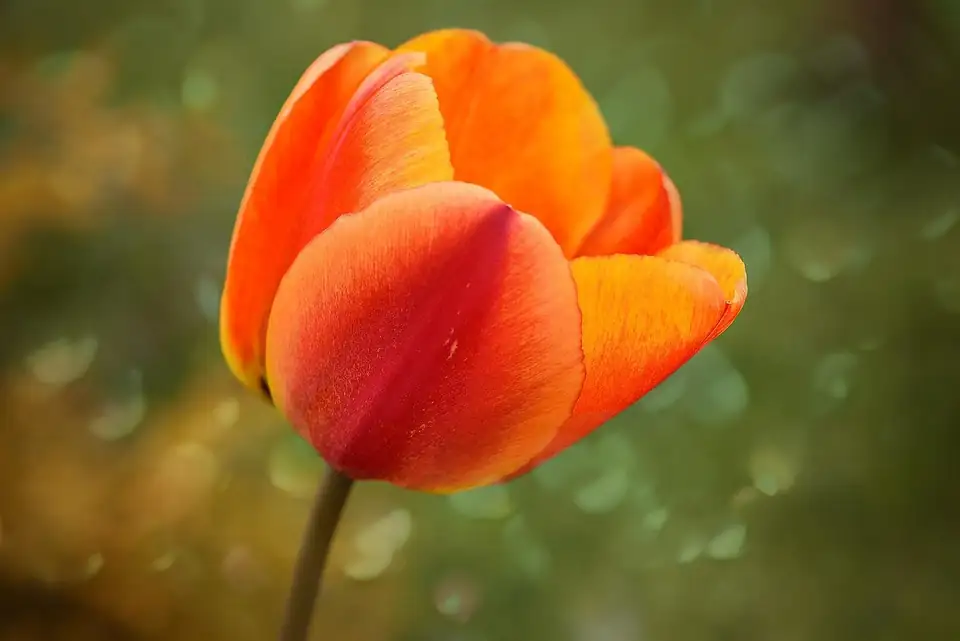
- Spring Awakening (March-May): This is when tulips burst into life. With blooms ranging from simple cups to flamboyant parrot-like ruffles, they capture the essence of spring. During this time, maintaining lightly moist soil is crucial. Water when the top layer dries, but avoid sogginess—no tulip wants wet feet!
- Summer Dormancy: As the blooms fade, tulips slip into dormancy. Reduce watering and let the foliage die back naturally. This period is crucial for the bulb to recharge for the next year.
- Fall Planting: Plant bulbs when the soil cools to about 10°C (50°F), typically from September to October in cooler regions. This is the time to set the stage for the next spring’s spectacle.
Light and Soil: Setting the Stage for Brilliance
Tulips are sun-seekers. In cooler climates, they bask in full sun, but in warmer regions, they appreciate a bit of afternoon shade to stave off heat stress. Here’s how to make them happy:
- Sunlight: Position your tulips where they can soak up the sun’s rays, especially during their growing season. This ensures robust growth and vibrant blooms.

- Soil Needs: The right soil is like a cozy bed for your tulips. Opt for rich, well-draining soil, ideally a fertile sandy loam. Avoid soggy and overly alkaline soils; they can lead to bulb rot. Adding organic matter like compost can enhance soil fertility without compromising drainage.
Watering Wisdom: Quenching the Thirst
Watering tulips is an art. It’s about balance—providing enough moisture to support growth without drowning the bulbs. Here’s the golden rule:
- Spring Hydration: During active growth, keep the soil evenly moist. Check the topsoil and water when it feels dry. However, if rain is regular, additional watering might not be necessary.
- Post-Bloom Dryness: As tulips prepare for dormancy post-bloom, ease up on watering. This transition to drier conditions helps prevent bulb rot and diseases.
Fertilization and Pruning: Nurturing for Future Blooms
Feeding your tulips the right nutrients and understanding when to prune can make all the difference:
- Fertilization: Use a balanced bulb fertilizer or bone meal at planting. As shoots appear in early spring, a light nitrogen feed bolsters growth, while phosphorus and potassium support bud and bloom quality.

- Pruning: After the blooms fade, deadhead promptly to prevent seed formation. However, keep the leaves intact for about six weeks to allow the bulb to recharge. Only remove foliage once it’s fully yellowed and dried.
Handling Pests and Diseases: Guarding Your Garden
Tulips, like all plants, have their nemeses. From gray mold to aphids, vigilance is your best defense:
- Prevention: Ensure good drainage and airflow, use clean bulbs, and promptly remove infected plants. Targeted pest control, like managing aphids and slugs, keeps your tulips healthy.
Symbolism: The Language of Tulips
Tulips are not just pretty faces; they carry profound symbolism. From red tulips representing passionate love to yellow ones symbolizing cheer and friendship, each color tells a story. In Islamic art, tulips are often seen as symbols of abundance and joy, reflecting their rich cultural heritage.
Conclusion: Cultivating a Legacy of Beauty
Caring for tulips is a journey of understanding and respect for their natural cycle. By aligning your care routine with their needs—be it the right amount of sunlight, water, or nutrients—you’ll be rewarded with a garden that echoes the timeless beauty of these iconic flowers. Whether you’re a seasoned gardener or a novice, embracing these tips will help your tulips not only survive but thrive, turning your garden into a vibrant tapestry of colors each spring.


