

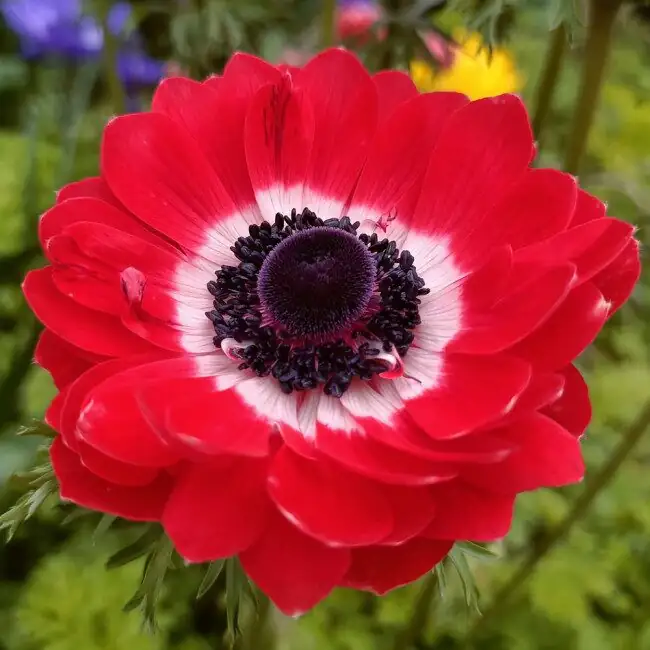
Think of Poppy Anemone (Anemone coronaria) as an espresso shot of spring: bright, bracing, and exactly what a tired border or balcony needs after winter. The trick to getting the show you imagine is buying smart—whether you’re eyeing instant-impact potted plants, value-forward tubers, or the budget-but-patient route with seed. Here’s your cheat sheet, with clear specs and real-world trade-offs so you get the most bloom for your buck.
Meet Anemone coronaria, your cool-season showstopper
- Origin: Mediterranean region; a tuberous perennial in the buttercup family (Ranunculaceae).
- Look: Fresh green, finely cut foliage topped by big, poppy-like blooms in vivid colors. Many cultivars have long stems or double flowers—great for pots and cutting.
- Growth rhythm: Thrives in cool, bright, lightly moist conditions. Tubers naturally go dormant in summer heat and may also pause in unfavorable winter cold, then resume when conditions improve.
The buyer’s cheat sheet
Potted plants: the fast track to flowers
Choose these when you want color now.
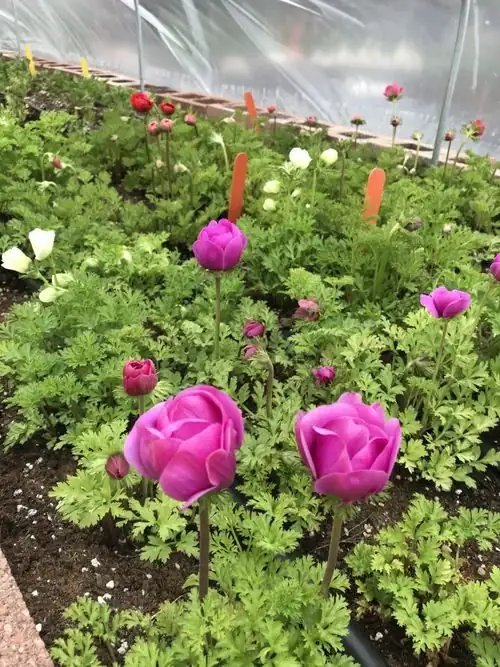
- Height: No taller than 40 cm (16 in). Taller usually means light-starved, floppy growth.
- Stems: Thick and sturdy, not spindly.
- Bud count: Many visible buds, plus a few open flowers to confirm color and form.
- Foliage: Deep green, neat, and healthy—no yellowing, spots, or gray fuzz.
- Potting mix: Evenly moist but never soggy; no sour smell or algae crust.
- After purchase placement: Indoors, give bright light at an east- or south-facing window/balcony. Outdoors, choose a sunny, well-lit site with airflow.
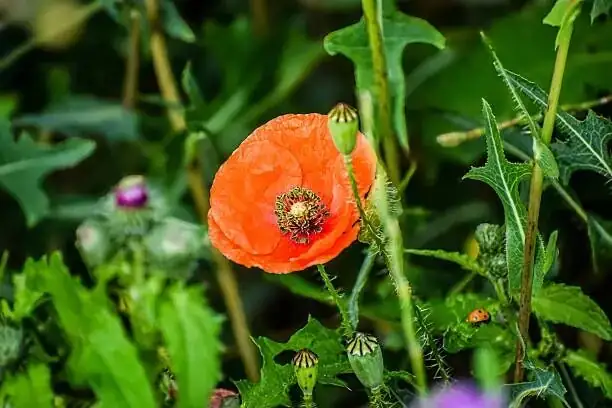
When pots are part of your plan:
- Typical container: 12–15 cm (4.7–5.9 in) pot fits 3 tubers nicely for a full display.
Tubers: the value workhorse for pots and cutting
Best balance of cost, selection, and speed to bloom within the season.
- What to buy:
- Firm, plump, fresh tubers with a circumference of at least 6 cm (2.4 in).
- No mold, soft spots, or shriveling.
- Reputable suppliers; healthy stock pays off in stem strength and flower count.
- Potting specs:
- Use a fertile, free-draining mix (leaf mold/compost + rich loam + coarse sand).
- Plant 3 tubers per 12–15 cm pot.
- Depth: About 1.5 cm (0.6 in) in pots; 5–7 cm (2.0–2.8 in) in the ground.
- First waterings matter:
- After planting dry tubers, water lightly only to settle the mix.
- Keep just barely moist until growth appears; overwatering early is a common cause of rot.
- Increase water gradually as leaves and stems develop.
Pro tip to even out sprouting later: If you’re lifting and dividing your own stock after dieback in June, store in dry sand in a cool, shaded place and pre-soak in moist sand or water before replanting by early autumn.
Seed: lowest upfront cost, longest runway
Great for variety hunters and patient growers.
- What to buy:
- Fresh seed in intact, well-sealed packaging from reputable sources; double-packed is a plus for freshness.
- Sowing notes:
- Seeds ripen around June and are best sown fresh.
- Because seed can be slightly hairy and clump, rub with sand to spread evenly.
- Use a fine-textured medium, cover only lightly, and keep at 15–20°C (59–68°F).
- Germination: Typically 3–6 weeks. Seedlings dislike high heat.
- Timeline reality:
- Seed-grown plants commonly take 2–3 years to reach flowering size.
- Expect variability in bloom traits when grown from seed.
Budget vs. timeline: pick your path
- Fastest flowers (highest cost per plant): Potted plants
- Pros: Instant color; you see exactly what you’re buying. Ideal for events, gifting, and immediate impact.
- Cons: You pay for convenience; selection may be limited.
- Best value this season (moderate cost): Tubers
- Pros: Broad cultivar choice; robust stems; excellent for containers and cutting. Flowers in spring when grown in season.
- Cons: Requires correct planting and careful early watering to avoid rot.
- Lowest upfront cost (longest wait): Seed
- Pros: Budget-friendly per plant; rewarding for collectors.
- Cons: 2–3 years to bloom; seedlings are sensitive to heat and swings in moisture.
Use your climate and calendar to decide. Short shoulder seasons or hot, humid conditions favor buying potted plants or starting with robust tubers for best returns.
After you buy: a first-week success plan
- Light:
- Full sun gives the sturdiest stems and most flowers; partial shade is tolerated.
- In hot summer periods, provide about 50–60% shade to protect plants.
- Indoors, aim for an east- or south-facing windowsill/balcony.
- Temperature: Sweet spot is 15–20°C (59–68°F). Avoid hot, humid, stagnant conditions.
- Water:
- Keep the potting mix evenly moist (not soggy) during stem extension and flowering.
- For newly potted tubers: go easy at first—just barely moist until growth appears.
- Humidity: A cool, lightly moist environment suits them. Mist foliage if air is dry, but avoid wetting open blooms.
- Feeding:
- During active growth, feed monthly with a dilute, well‑rotted organic liquid (compost- or oilcake-based).
- At first buds/flowers, give one extra boost higher in phosphorus and potassium (for example, a bloom formula like 15‑15‑30).
- Grooming: Deadhead promptly if you’re not saving seed; it helps tubers store energy and can extend blooming.
Potting basics that pay off
- Mix: Fertile and free-draining is non-negotiable (think leaf mold/compost + loam + coarse sand).
- Drainage: Especially vital in rainy spells and winter—cold + wet invites tuber rot.
- Planting depth:
- Pots: about 1.5 cm (0.6 in).
- In-ground: 5–7 cm (2.0–2.8 in).
- Seasonal rhythm:
- Spring: Main flowering season.
- June: Foliage normally dies back; lift/divide and store tubers; seeds mature and can be sown fresh.
- Summer: Tubers may go dormant in heat—keep drainage excellent and provide 50–60% shade if plants are up.
- Winter: Tubers may rest in cold; keep potted soil on the dry side, never soggy.
Red flags to avoid at purchase
- Potted plants:
- Taller than 40 cm, stretched, or floppy.
- Yellowing, spotting, or gray fuzz on leaves; wilted or waterlogged media.
- Sparse buds, weak stems, or faded flower color.
- Tubers:
- Soft, shriveled, cracked, or moldy.
- Smaller than 6 cm (2.4 in) in circumference.
- Seed:
- No pack or harvest date, damaged seals, or moisture exposure.
- Unreliable vendor; bargain-bin seed is false economy if viability is poor.
Pests, disease, and simple insurance
- Culture first: Bright light, airflow, and free drainage help prevent rust, gray mold (Botrytis), and Sclerotinia.
- Preventive step many growers use: Disinfect tubers before planting with a labeled fungicide (often around 1:1000 dilution when indicated on the product).
- If disease appears: Treat promptly with a suitable broad-spectrum fungicide, following the label.
- Aphids: Common on flowering stems. Rinse with water, encourage beneficial insects, or use a labeled insecticide such as imidacloprid where appropriate.
- Safety: Like many Ranunculaceae, sap can irritate skin and plant parts can be toxic if ingested. Keep away from pets and children; wear gloves if you’re sensitive.
Why “windflower” feels like anticipation
Anemone coronaria is often associated with anticipation and protection. The nickname “windflower” hints at blooms that seem to arrive on a breeze—then vanish when weather turns harsh. Across Mediterranean gardens, their spring debut traditionally signaled safer, fairer days ahead, which is where the protective note enters. Like most flower-language traditions, these meanings evolved through folklore and later Victorian floriography rather than science, but they fit the plant’s rhythm: a poised, watchful rosette that waits out heat or cold, then bursts into color at the first mild spell. Grow them once and you’ll understand—patience rewarded feels like protection made visible.
Quick placement guide
- Indoors: East- or south-facing windowsill/balcony; bright, airy, and cool.
- Outdoors: Sunny, well-drained beds, borders, lawn edges, rock gardens, or containers with excellent drainage. Too little light leads to stretched, weak stems and fewer flowers.
—
Bottom line
- Want flowers now? Buy compact, bud-packed plants with thick stems.
- Want strong value fast? Choose firm tubers at least 6 cm around, plant 3 per 12–15 cm pot, and water lightly at first.
- On a tight budget and love the long game? Start with fresh, well-packed seed, then give it the cool, steady conditions it needs—your future spring self will thank you.