
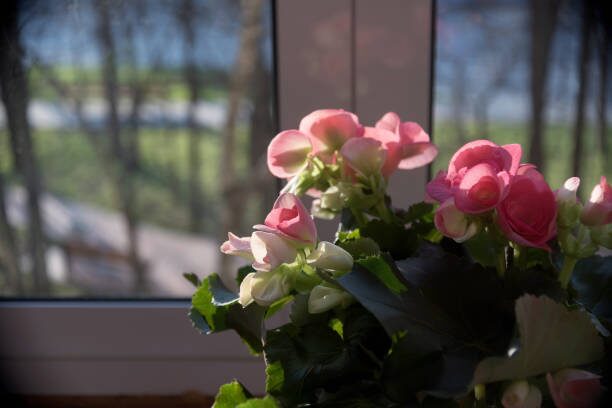
Picture this: a compact mound of glossy green leaves, crowned with rose-like blooms in winter when the rest of your windowsill is taking a nap. Then the confusion sets in—should you dry it down like a tuber? Park it in summer heat? Skip the trimming? Let’s bust the biggest myths around Begonia × hiemalis (Elatior Group)—commonly sold as Rieger Begonia—so yours stays lush, blooming, and alive for the long haul.
Meet the Rieger Begonia you actually have
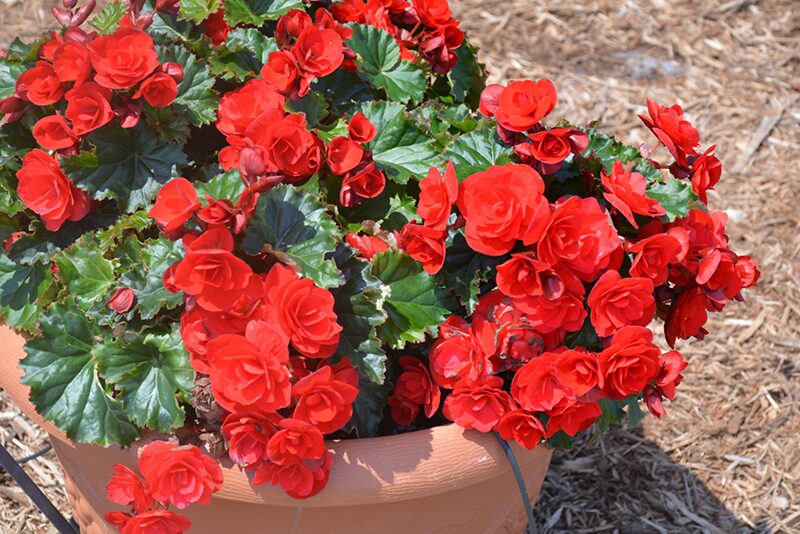
- Identity: Begonia × hiemalis (Elatior Group), a man‑made hybrid bred specifically for pot culture and heavy winter–spring flowering. Often labeled “Elatior” or “Rieger,” and sometimes simply “Begonia elatior” in the trade.
- Habit: Tender, compact, upright-to-mounding, typically 20–40 cm (8–16 in) tall and wide, with narrow-ovate to lance-shaped, deep‑green leaves.
- Performance sweet spot: Bright, filtered light; even moisture (not soggy); cool-warm indoor temps.
The name game, briefly
You’ll see Elatior Begonia, Hiemalis Begonia, Rieger Begonia, and “Begonia elatior.” The most accurate modern handle is Begonia × hiemalis (Elatior Group). Different names, same plant you’re growing on your sill.
—
Myth #1: “It has a tuber—store it dry after bloom.”
Reality: Rieger/Elatior begonias are fibrous‑rooted, not tuberous.
- What that means: There’s no big energy-storing tuber to retreat into. If you let the plant dry to “hard dormancy,” it often doesn’t wake up—because there’s nothing down there to resprout from.
- Care translation:
- Use a rich but airy, well‑drained, slightly acidic potting mix (peat or compost base plus perlite/coarse sand).
- Water thoroughly, then let the top layer dry slightly before watering again. Keep evenly moist, never sodden.
- Always drain the saucer—standing water leads to root/stem rot.
- Optional bottom-watering is fine if you limit it to about 10 minutes and then drain well.
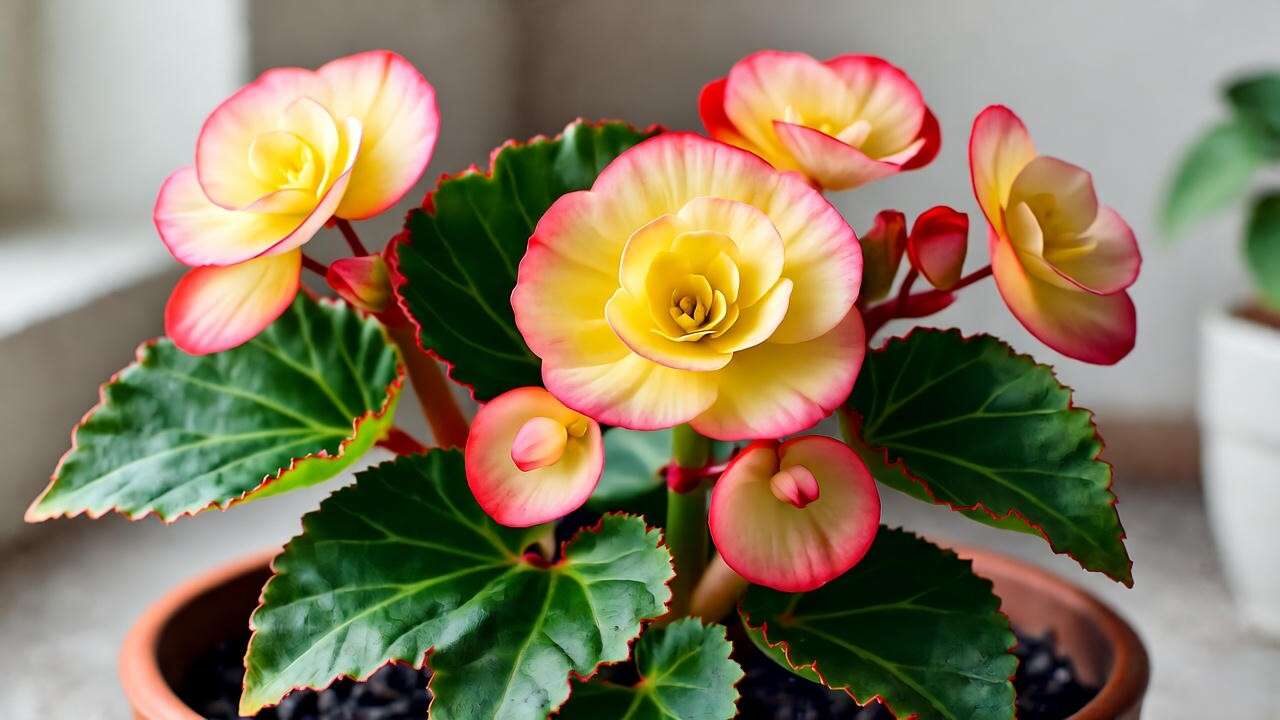
Quick contrast with true tuberous begonias:
- Tuberous types form a clear, flattened tuber you can lift and store cool-dry.
- Rieger types do not. Treat them like actively growing, fibrous-rooted houseplants, especially through winter flowering.
—
Myth #2: “It wants a proper winter dormancy.”
Reality: It’s a cool-season bloomer that keeps performing if you keep it gently growing.
- Bloom window: Winter through spring, often from late autumn indoors if light is good.
- If you force a full “rest” by drying or chilling, stems can decline and the plant may not recover. After the big bloom flush, what it needs is grooming and gentle regrowth, not a deep nap.
- Post‑bloom rhythm:
- Deadhead spent flowers promptly to prevent gray mold and conserve energy.
- Lightly cut back older flowering stems to about 4–5 nodes to push fresh basal shoots—the next bloom engine.
- Keep bright, indirect light and steady, cool‑warm temperatures to fuel that regrowth.
Seasonal nudge:
- Winter: prioritize the brightest indirect light; keep above 12°C/54°F (never below 10°C/50°F).
- Spring–early summer: active growth; fertilize every 2 weeks; pinch tips once to encourage branching.
- Hot summer spells: protect, don’t push (see Myth #3).
—
Myth #3: “It’s heat-tough—summer sun will perk it up.”
Reality: Heat is its kryptonite.
- Comfort zone: 15–20°C (59–68°F). Around 16°C/61°F+ indoors is great for steady bloom.
- Stress line: Prolonged heat above 32°C (90°F) triggers wilting and bud drop.
- Hot‑weather survival kit:
- Shift to bright shade or filtered light; avoid harsh midday sun.
- Increase airflow; a fan on low helps cut fungal risk.
- Water to keep the mix evenly moist (never waterlogged).
- Pause feeding if the plant is struggling in heat.
- Avoid stuffy, persistently humid corners; aim for moderate humidity with gentle ventilation.

—
Myth #4: “Deadheading is cosmetic; trimming is optional.”
Reality: Post‑bloom cleanup is the difference between a one‑and‑done gift and a plant that rebounds.
- Why it matters:
- Removes disease-prone spent clusters, reducing Botrytis (gray mold).
- Redirects energy to new basal shoots—the shoots that carry your next wave of flowers.
- Keeps the plant compact and prevents legginess.
- How to do it (quick guide):
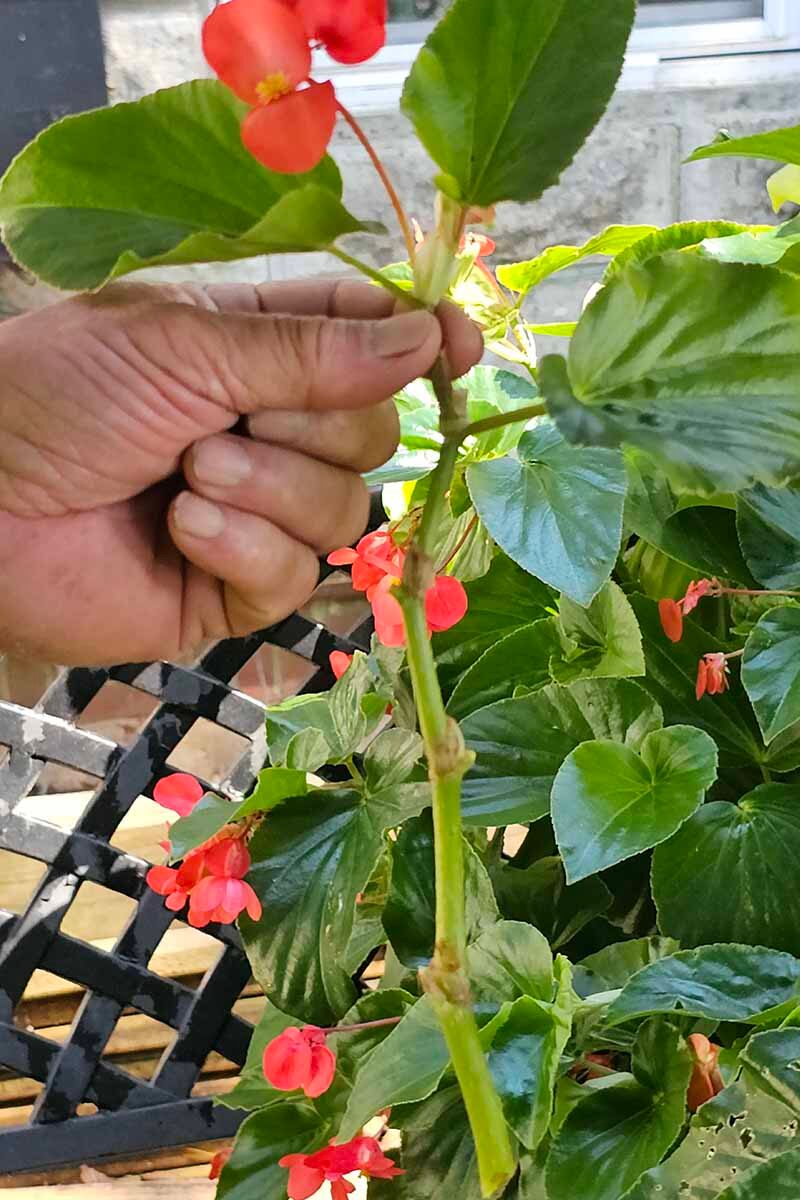
- Deadhead as flowers fade. Pinch or snip entire spent clusters back to a clean node.
- After a main flush, lightly cut back each older flowering stem, leaving 4–5 nodes.
- Pinch tips of young shoots about 2 weeks after potting to promote branching.
- Use the pinched tips as cuttings—root in a free‑draining medium in bright shade; they often root in ~3 weeks.
—
Light, water, and food—set the stage for continuous bloom
- Light:
- Best: bright, filtered/indirect light; an east window is ideal; south with a sheer curtain works.
- Too little light = leggy stems, paler or yellowing leaves, fewer/duller blooms.
- Water:
- Thorough soak, then allow the top to dry slightly. Even moisture is key; don’t let it swing dry–wet.
- Avoid wet leaves late in the day; it reduces powdery mildew risk.
- Feeding:
- Every 2 weeks in active growth with a balanced liquid fertilizer.
- When buds form, 1–2 feeds with a bloom‑boost (e.g., 15‑15‑30).
- Pause feeding during heat stress.
—
Placement, temperature, and humidity
- Indoors: bright windowsills, desks, or hanging baskets with filtered light and gentle airflow.
- Outdoors: only in mild weather on sheltered patios/balconies in bright shade; bring in before nights dip below 12°C/54°F.
- Hardiness: frost‑tender; think of it as a houseplant unless you’re in frost‑free zones (approx. USDA 10–11).
- Humidity: prefers moderate humidity; very dry air causes brown leaf tips and bud drop. Counter with a nearby pebble tray or room humidifier—but keep air moving.
—
Repotting and propagation
- Repot: after flowering or when roots fill the pot; avoid oversizing (pots that are too large stay wet too long). Common pot sizes: 12–15 cm (4.7–5.9 in); hanging baskets 15–18 cm (5.9–7.1 in).
- Propagation:
- Cuttings: tip or non‑flowering stem cuttings root in ~3 weeks in a free‑draining medium under bright shade and gentle warmth.
- Seed: dust‑fine; surface‑sow (do not cover) from autumn to spring; germinate ~16–18°C (61–64°F) in 1–2 weeks; flowering in roughly 5–6 months.
—
Troubleshooting, fast
- Bud drop or crispy leaf tips: inconsistent watering or very dry air; steady the moisture and raise humidity slightly.
- Leggy, pale growth: light too low; move closer to bright filtered light.
- Yellowing and decline after bloom: missed the trim, low light, drought, overwatering, heat, or cold drafts. Deadhead, lightly cut back, refresh light and airflow, and water evenly.
- Fungal issues (powdery mildew, Botrytis): improve airflow, avoid late-day leaf wetting, remove spent blooms and affected parts, don’t overdo nitrogen.
- Pests: spider mites and aphids—treat early with insecticidal soap or horticultural oil; repeat as needed.
—
Safety note
Begonias are generally toxic if eaten and can irritate the mouth and gut of people and pets. Keep out of reach.
—
Quick “Do this, not that”
- Do: bright, indirect light; even moisture; cool‑warm temps; steady airflow; prompt deadheading; light cutback after flowering.
- Don’t: bake it in heat or harsh midday sun; let it sit in a saucer of water; force a dry, tuber‑style dormancy; skip the post‑bloom trim.
—
Flower language and symbolism—what’s behind the gift?
Rieger begonias are often linked with gentle affection and tenderness, which pairs perfectly with their role as cheerful winter holiday/New Year gifts. That “language of flowers” is cultural rather than botanical—meaning it grew from human tradition, not plant biology—but it endures because these compact, bloom‑packed plants deliver brightness exactly when we crave it most.
—
Want yours to keep the color coming? Think fibrous roots (not tubers), cool and comfy (not hot), and tidy trims after glory moments. Treat it right after the confetti of blooms, and Begonia × hiemalis will repay you with fresh shoots and another round of winter sparkle.