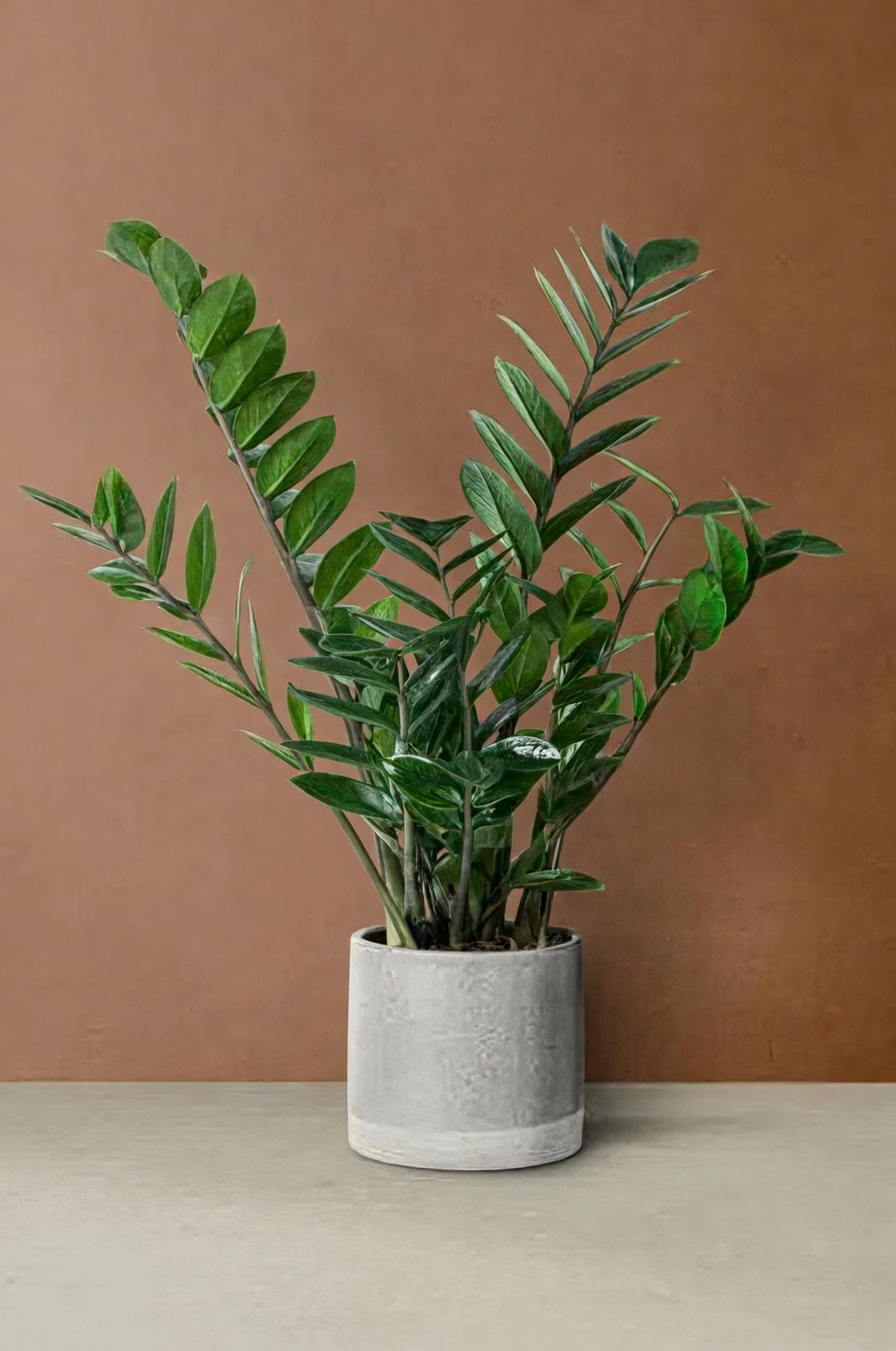
When you think of the Zamioculcas zamiifolia, or the ZZ plant, you likely imagine a resilient houseplant with shiny, deep-green leaflets that line its upright stems like a series of perfect little coins. This “Zanzibar Gem” is celebrated for its ability to thrive in low light and endure infrequent watering, thanks to its water-storing rhizomes. But even this sturdy green friend can face a few unwelcome guests. Let’s dive into the common pest problems your ZZ Plant may face and discover effective strategies to keep it flourishing.
The Usual Suspects: Common ZZ Plant Pests
1. Aphids
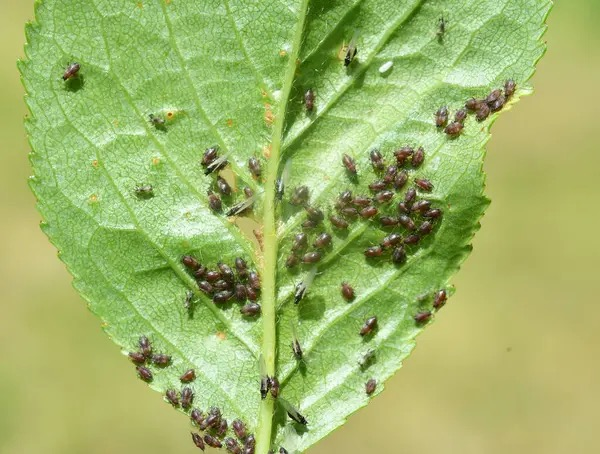
These tiny, sap-sucking insects might be small, but don’t let their size fool you. Aphids can reproduce rapidly and cover your ZZ plant in no time. You’ll typically find them congregating on new growth and under leaves.
- Identification: Look for clusters of small, pear-shaped insects. They can be green, black, brown, or even pink.
- Prevention and Control: Regularly inspect your plant, especially the new growth. If you spot aphids, wash them off with a strong spray of water or wipe the leaves with a cloth dipped in soapy water. For larger infestations, consider using insecticidal soap or neem oil.
2. Spider Mites
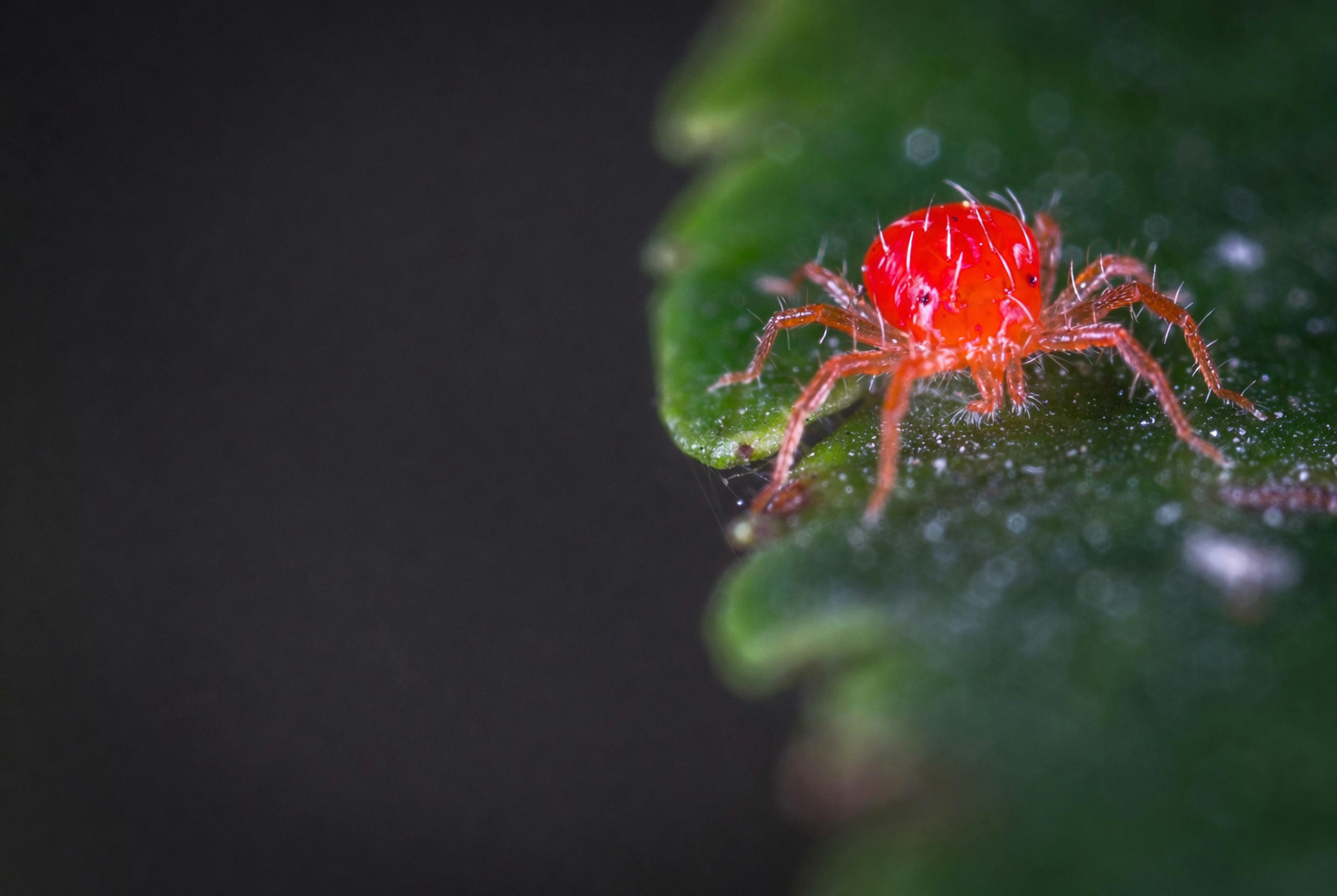
These are not true insects but tiny arachnids that thrive in hot and dry conditions. They are notorious for weaving fine webs on the undersides of leaves, where they suck out plant juices.
- Identification: Their presence is often signaled by fine webbing and tiny specks on leaves.
- Prevention and Control: Increase humidity around your plant by misting or using a humidifier. If infestation occurs, gently wash the leaves and apply insecticidal soap or neem oil.
3. Whiteflies
Despite their name, whiteflies are more closely related to aphids and mealybugs. These winged pests are often spotted flying around your plant.
- Identification: Look for small, white-winged insects fluttering around your ZZ plant.
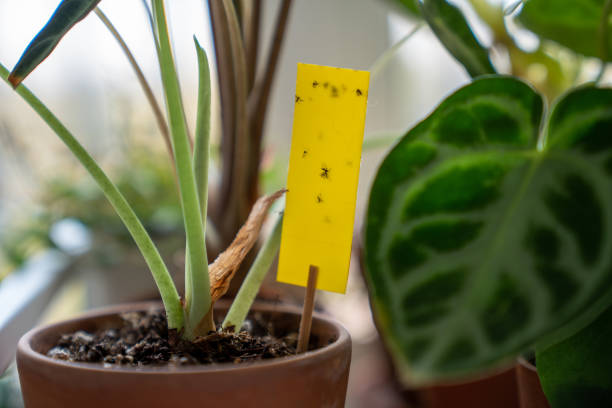
- Prevention and Control: Use yellow sticky traps to catch adults. Insecticidal soap or neem oil can be applied for severe infestations.
4. Fungus Gnats
These are more of an annoyance than a threat, but their larvae can damage roots if conditions are right.
- Identification: Small, dark flies buzzing around the soil surface.
- Prevention and Control: Allow the top inch of soil to dry out between waterings, and use sticky traps to catch adults. You can also introduce beneficial nematodes to the soil to control larvae.
5. Scale Insects
Scale insects can be particularly troublesome if they establish themselves. They latch onto leaves and stems, feeding on plant sap.
- Identification: Look for small, brownish bumps on stems and leaves—these are scale insects.
- Prevention and Control: Remove scales manually with a cotton swab dipped in rubbing alcohol. For larger infestations, consider washing the plant and applying a mix of water, dish soap, and neem oil.
Keeping Your ZZ Plant Healthy
The best offense against pests is a good defense. Here are some tips to keep your ZZ plant in tip-top shape:
- Water Wisely: Overwatering is a common ZZ plant mistake. Ensure the soil dries out between waterings to prevent root rot and discourage pests like fungus gnats.
- Lighting Conditions: While ZZ plants tolerate low light, they do best in bright, indirect light. Too much direct sun can scorch leaves, making them more susceptible to pests.
- Regular Inspection: Make it a habit to inspect your plant regularly. Catching pests early can prevent a minor nuisance from becoming a major problem.
- Clean Foliage: Occasionally wipe down the leaves to keep them dust-free and shiny, facilitating better photosynthesis and deterring pests.
A Note on Toxicity
While tending to your ZZ plant, remember that it contains calcium oxalate crystals, which are toxic if ingested by pets or humans. Handle with care, and keep it out of reach of curious pets and children.
In the world of houseplants, the ZZ plant is a stalwart companion. By paying attention to the signs of pest invasions and responding swiftly, you can maintain its health and glossy charm for years to come. Happy planting!