The Globe Amaranth: A Vivid Jewel in Your Garden
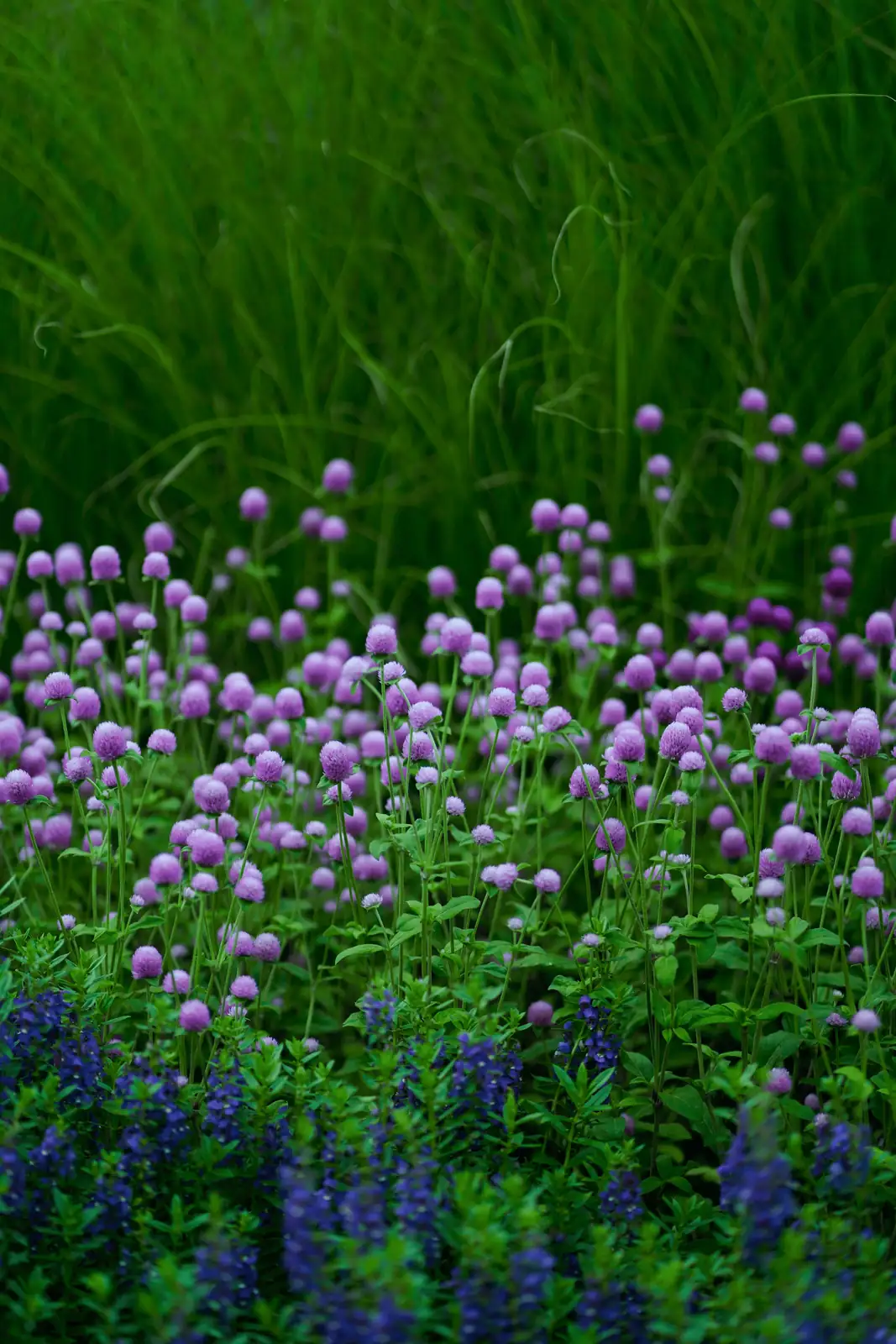
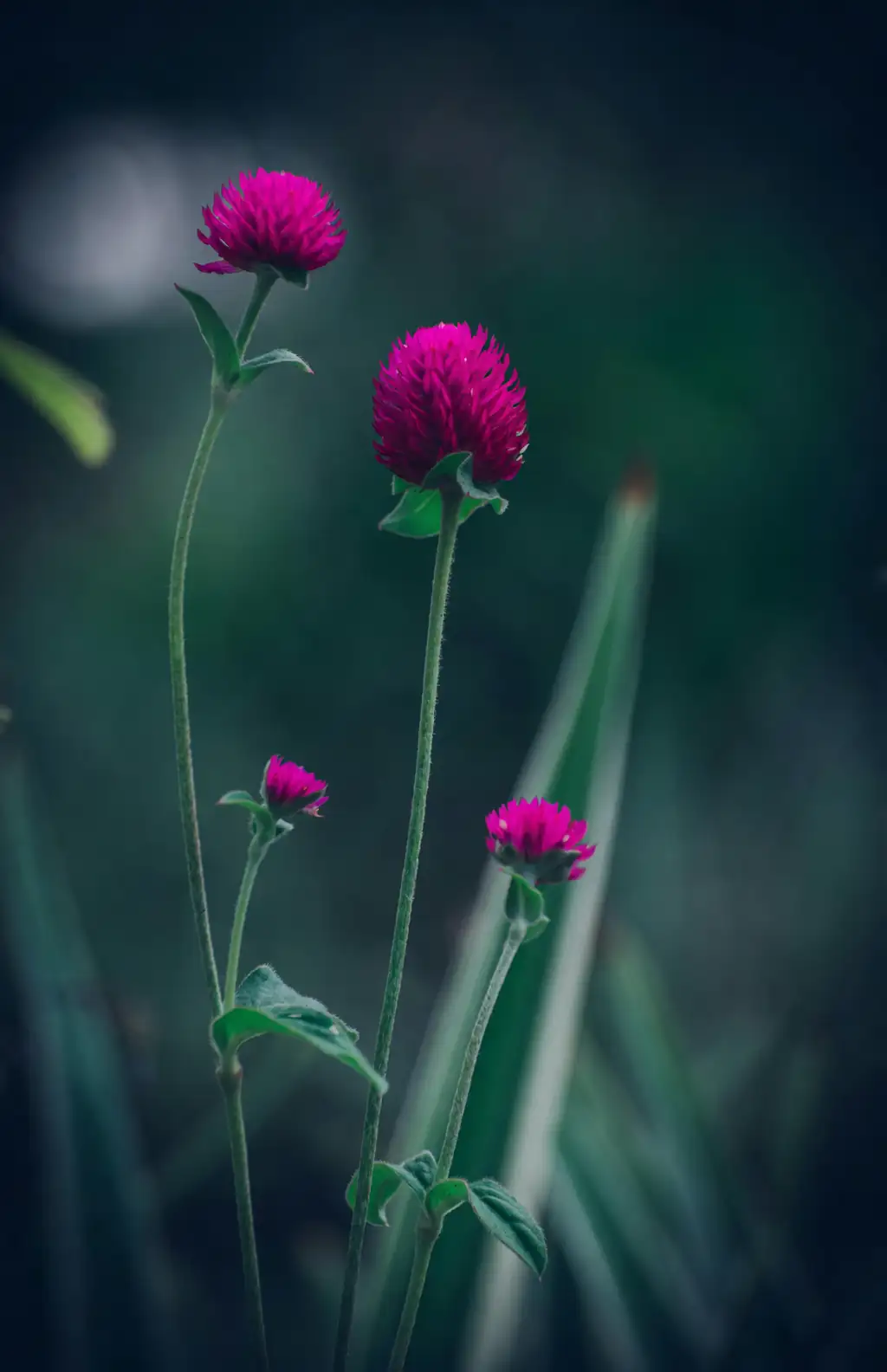
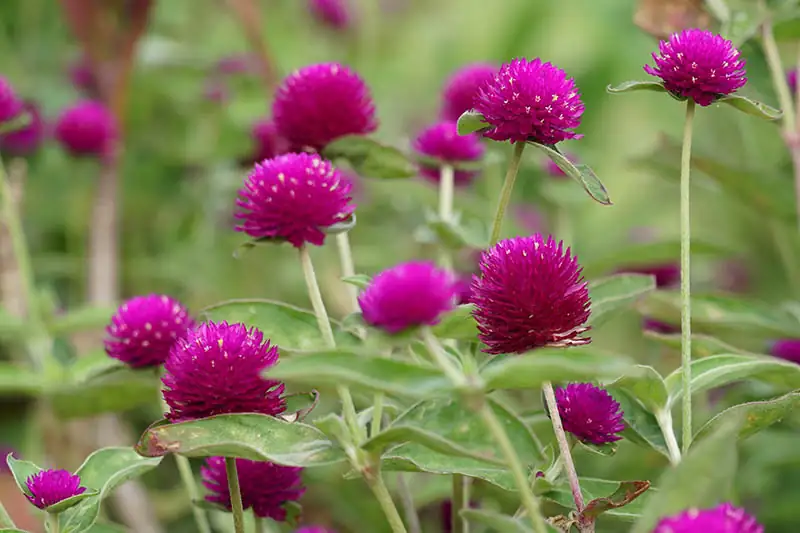
Gomphrena globosa, commonly known as Globe Amaranth, is a vibrant addition to any garden, boasting a splash of colors that lasts from the moment they bloom in early summer until the first frost. With their cheerful, globe-shaped blooms in shades of purple, magenta, pink, red, orange, white, and lilac, these plants are like a confetti explosion in your garden. But as with any garden superstar, they can face their share of challenges. Let’s explore the common pests and diseases that could affect your Globe Amaranth and how to keep them thriving.
Common Pests and Diseases
Though Globe Amaranth is generally resilient, even the hardiest plants can face occasional threats. Understanding these common issues is the first step in keeping your plants healthy.
Fungal Troubles
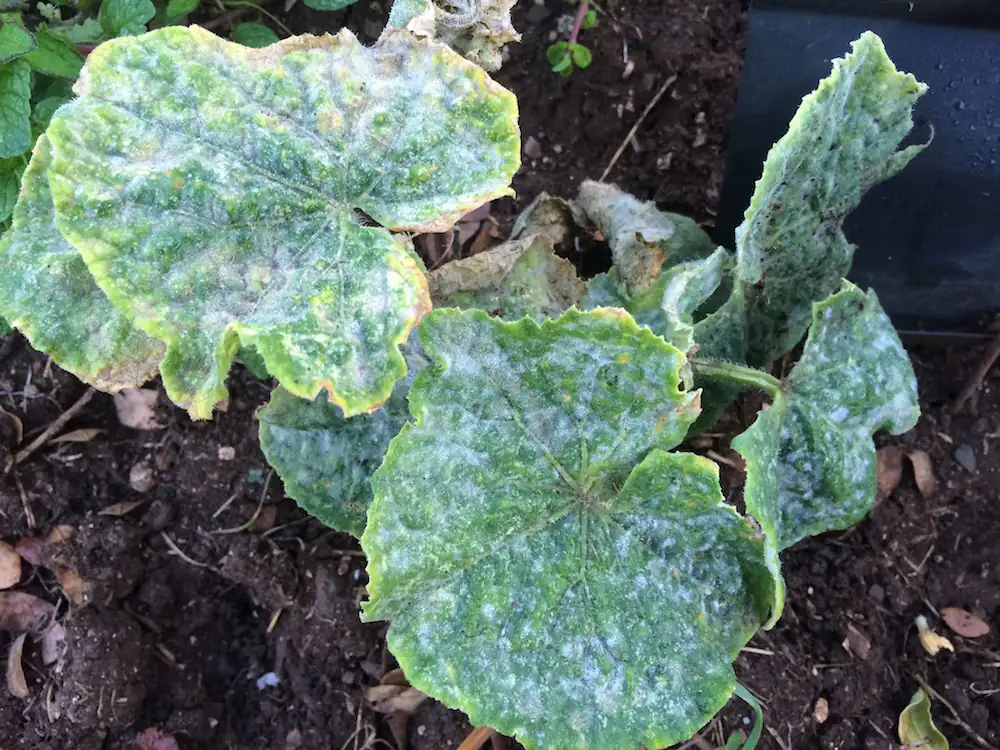
In cool, damp conditions or crowded plantings, fungal diseases like powdery mildew and gray mold (Botrytis) can develop. These diseases thrive in conditions of poor airflow and high humidity.
- Prevention and Management: Ensure your plants are spaced well apart to improve airflow and plant them in full sun to reduce humidity. Water at the base to keep foliage dry and choose well-draining soil to prevent moisture buildup.
Leaf Spots
Leaf spots can appear as yellow, brown, or black lesions on the foliage, often a sign of poor growing conditions or fungal infection.
- Solution: Apply neem oil, an organic fungicide and insect repellent, to manage the issue. Regularly inspect your plants and remove any affected leaves promptly to prevent the spread.
Wilting
Wilting is often a sign of either over-watering or under-watering. The symptoms include drooping leaves and stems, which can compromise the plant’s health and aesthetic.
- Solution: Adjust your watering schedule to ensure consistent soil moisture. Aim for about 1 to 1.5 inches of water per week and use mulch to help retain moisture.
Pests: Aphids, Spider Mites, and Thrips
These tiny invaders can cause significant damage by sucking the sap from your plants, leading to curled leaves and stunted growth.
- Management: Encourage beneficial insects like ladybugs, which prey on these pests. Regularly check the underside of leaves and use insecticidal soap as a treatment if needed.
Growing a Resilient Globe Amaranth
Light and Soil
Globe Amaranth thrives in full sun, requiring at least 6-8 hours of direct sunlight daily. They prefer well-draining soil but are not picky about soil type, making them a great choice for less fertile areas.
- Tip: Plant them in sunny beds, borders, or containers where they can bask in the sun, and avoid overwatering.
Temperature and Placement
These plants are true heat lovers, flourishing in temperatures between 68-77°F and tolerating heat up to 104°F.
- Advice: Wait until the danger of frost has passed and the soil has warmed before planting them outside. In USDA Zones 9-11, they may even act as tender perennials.
A Symbol of Resilience
The Globe Amaranth is not just a garden beauty; it’s a symbol of strength and resilience. Its ability to endure heat and retain vibrant color long after being cut makes it a perfect metaphor for enduring affection and immortality. In Nepal, the plant is used in garlands during Bhai Tika to symbolize long life and family bonds, echoing its symbolic meanings.
Final Thoughts
With a bit of attention and care, Globe Amaranth can bring endless joy and a splash of color to your garden. By keeping pests and diseases at bay and ensuring they thrive in the right conditions, you can enjoy their vibrant blooms for months on end. So, are you ready to let these cheerful beauties light up your garden?