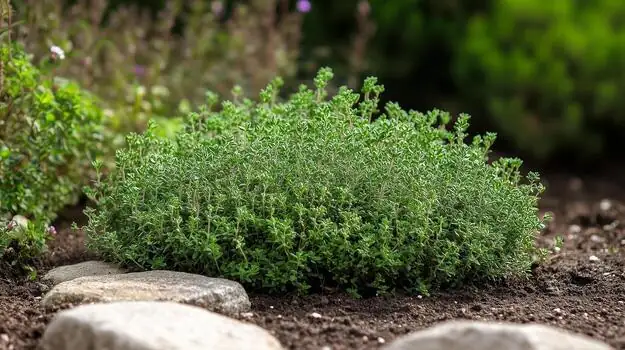
Growing thyme, or Thymus vulgaris, is like inviting a touch of Mediterranean warmth into your garden. This small but mighty herb, with its fragrant, oil-rich leaves, is a staple in many kitchens and gardens worldwide. But while thyme is generally easy to grow, it can face some pesky challenges. Let’s dive into the hurdles thyme might encounter, from persistent pests to the soggy specter of poor drainage, and arm you with solutions to keep your thyme thriving.
The Pests That Prey on Thyme
Aphids: The Tiny Terrors
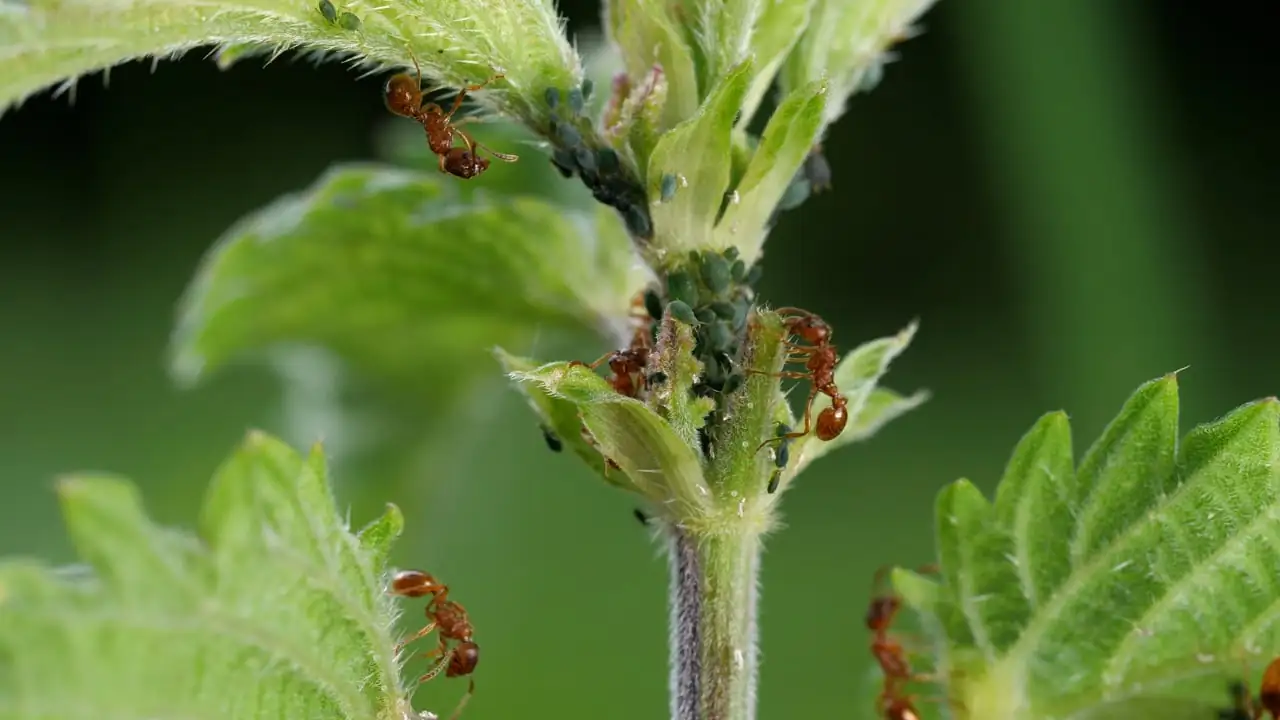
Aphids are like uninvited dinner guests that refuse to leave. They attack in clusters, sucking the life out of your thyme leaves and leaving behind a sticky residue known as honeydew, which can attract sooty mold. To combat these sap-sucking fiends, you can introduce natural predators like ladybug larvae or use insecticidal soap or neem oil. These organic options work wonders in keeping aphid numbers down without harming beneficial insects.
Spider Mites: The Web Weavers
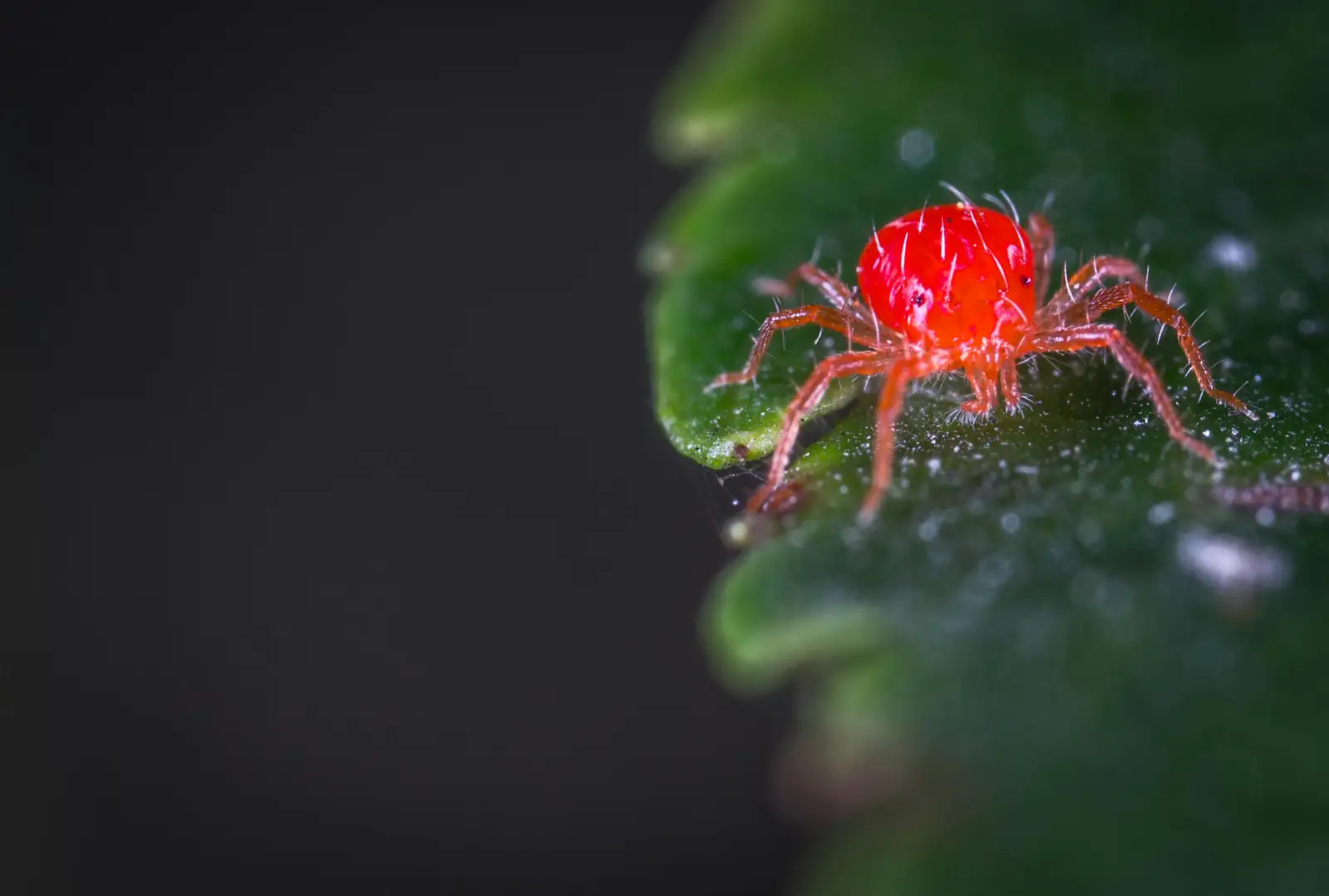
If you notice fine webbing on your thyme, spider mites might be the culprits. These tiny pests thrive in dry conditions and can quickly take over if not managed. Releasing ladybugs or lacewings can help control them naturally. Alternatively, applying neem oil directly to the eggs and removing any affected foliage can curtail their population. Ensuring your thyme gets adequate humidity (but not too much) can also deter spider mites.
The Dangers of Poor Drainage
Thyme’s Mediterranean roots mean it loves well-drained, lean soil. When waterlogged, it sulks, leading to root rot or crown rot—serious fungal diseases that can spell disaster for your plant. If you notice yellowing leaves or a general decline, poor drainage could be the culprit. To remedy this:
- Improve Soil Mixture: Mix in coarse sand, grit, or perlite to enhance drainage.
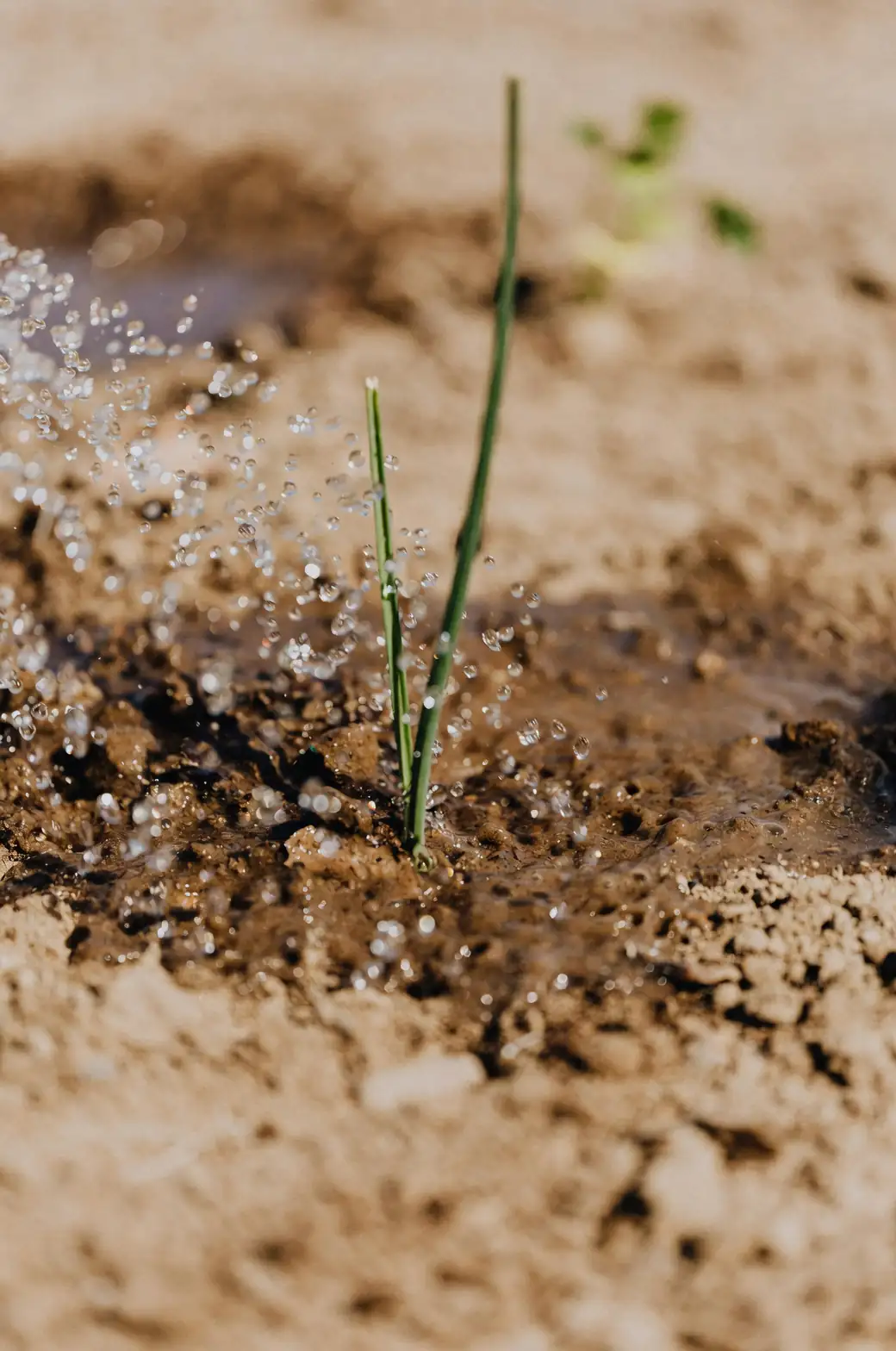
- Water Wisely: Water deeply but infrequently. Let the soil dry out between waterings. In containers, ensure excess water can escape easily.
- Container Choice: Use pots with ample drainage holes and avoid placing them on saucers that can trap water.
Disease Defenses: The Power of Prevention
Thyme is generally resistant to many diseases, thanks to its aromatic oils. However, when moisture is too high, diseases like gray mold (Botrytis) or powdery mildew can take hold. Here’s how to keep your thyme disease-free:
- Ensure Airflow: Space plants adequately and trim them to improve air circulation.
- Water at the Base: Avoid wetting the foliage, especially in enclosed spaces or during humid weather.
- Prompt Removal: Cut away any diseased parts immediately to stop the spread.
Beyond the Basics: Thyme Care Tips
- Sunlight: Thyme thrives best in full sun, soaking up at least 6–8 hours daily. Indoors, place it in the brightest window, preferably south-facing, or under a grow light.
- Pruning and Propagation: Keep your thyme lush by trimming it back lightly after flowering and in spring to encourage new growth. Propagate through cuttings or division to maintain a vigorous supply of thyme.
- Minimal Feeding: Thyme does not require much fertilizer. Overfeeding can lead to leggy growth and diminished aroma. A light feed in early spring with well-aged compost or a modest slow-release fertilizer will suffice.
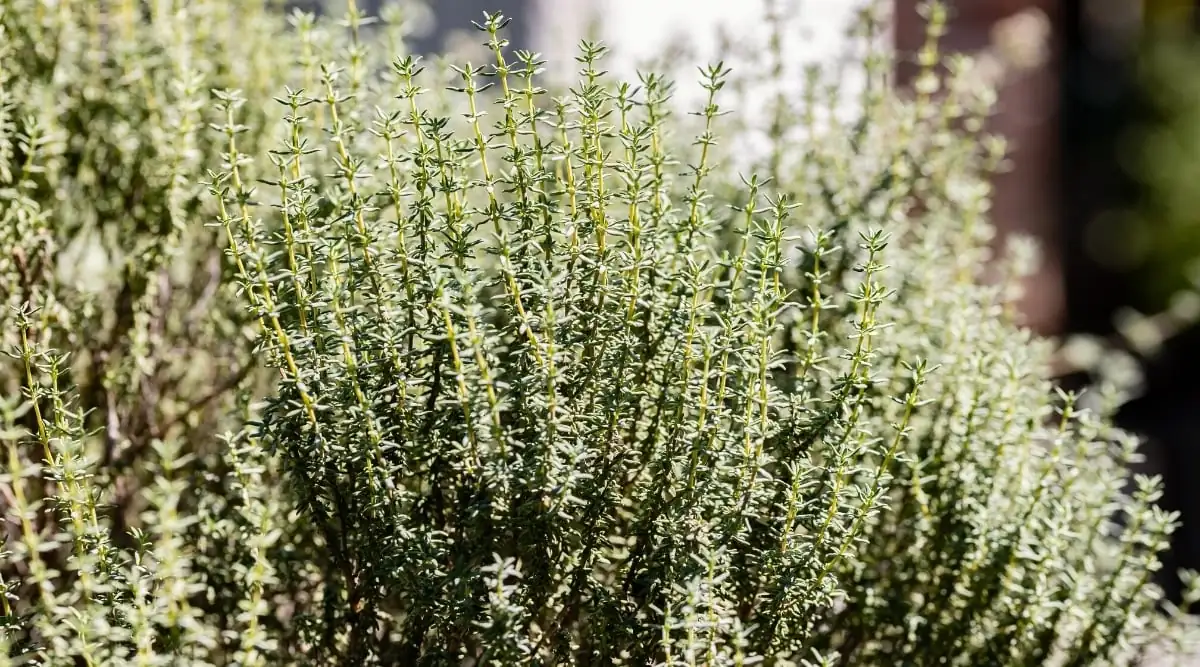
By understanding and addressing these potential issues, you can ensure your thyme remains a robust, aromatic companion in your kitchen and garden. Whether you’re sprinkling it fresh over roasted vegetables or drying it for a wintery stew, healthy thyme is an indispensable herb that’s well worth the care. So, embrace these strategies, and let your thyme flourish, offering a taste of the Mediterranean right at your doorstep.