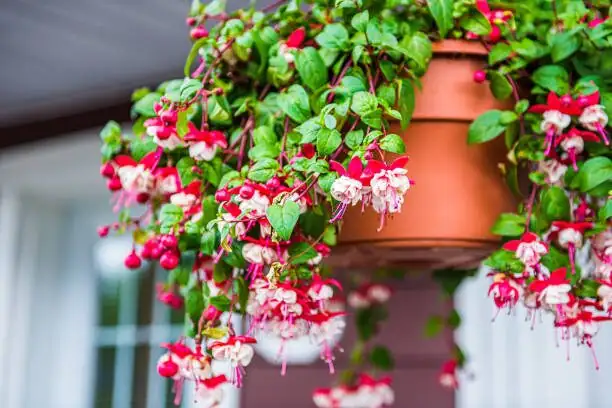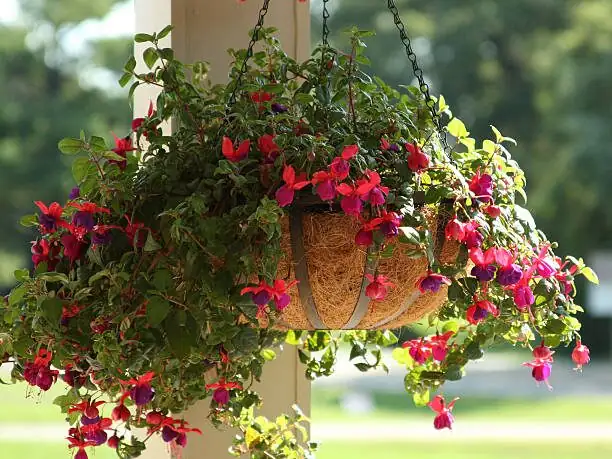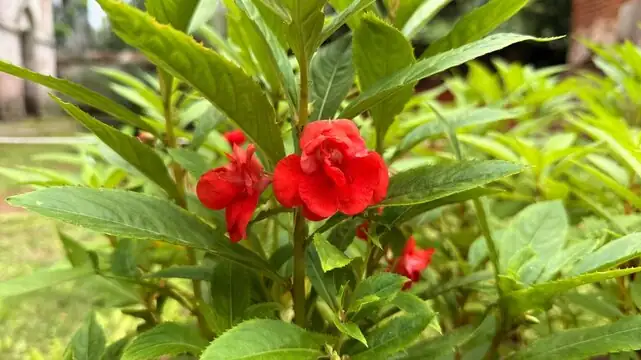
Garden Balsam, also known by its scientific name Impatiens balsamina L., is a delightful addition to any garden. Its vibrant colors and unique seed-dispersing antics make it a gardener’s favorite. However, like all plants, it faces challenges from pests and diseases. The good news? There are eco-friendly ways to combat these issues, ensuring your balsam remains the star of your garden.
Common Pests and Diseases
Aphids and Leaf-Feeding Beetles
Garden Balsam can fall prey to aphids, those tiny sap-sucking insects that seem to appear out of nowhere. These pests can cause leaves to curl and stunt plant growth. Leaf-feeding beetles, on the other hand, love munching on the foliage, leaving unsightly holes.
Solution: Introduce ladybugs or lacewings—natural predators of aphids—into your garden. For beetles, handpicking them off or using a neem oil spray can be effective. Neem oil is a natural pesticide that disrupts the life cycle of pests without harming beneficial insects.
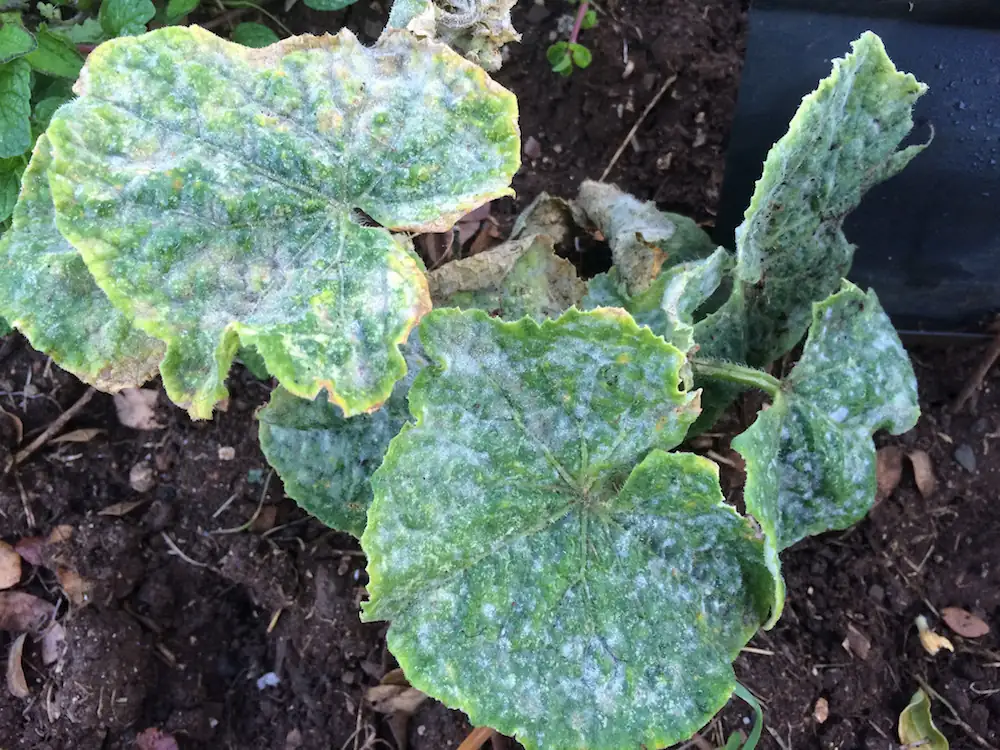
Powdery Mildew
This fungal disease is recognizable by its white, powdery spots on leaves and stems. It thrives in high humidity and can spread rapidly, especially when plants are overcrowded.
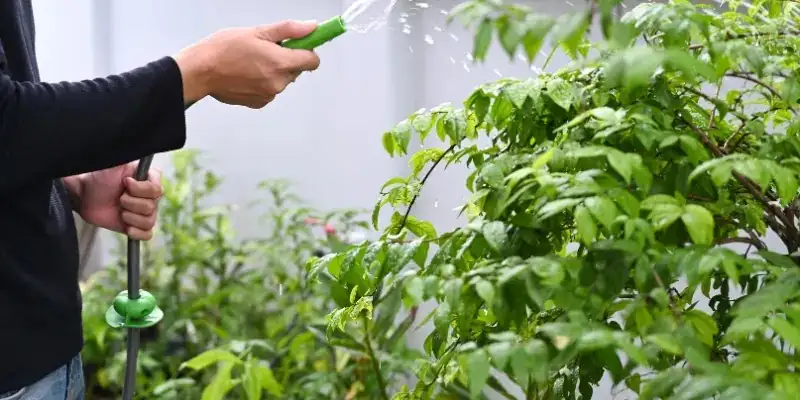
Solution: Ensure good air circulation by spacing your plants adequately. Water the base of the plant rather than the leaves to minimize moisture. A homemade remedy of baking soda and water can also help manage mild cases of mildew.
Eco-Friendly Gardening Tips
Companion Planting
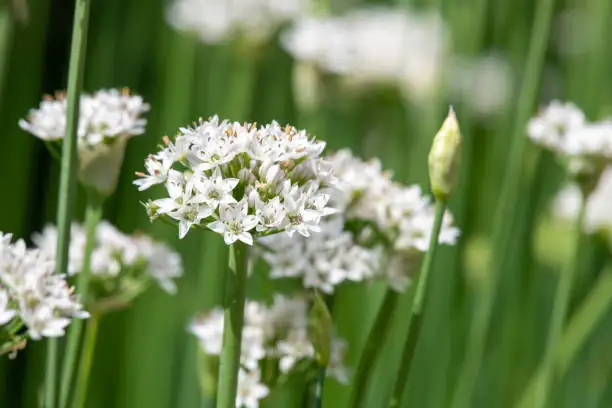
Consider planting garlic or chives near your balsam. These plants naturally repel many pests, acting as a living barrier. Plus, they can add flavor to your culinary endeavors!
Natural Soils and Fertilizers
Garden Balsam thrives in fertile, well-aerated soil. Enhance your garden bed with organic compost or well-rotted manure, which not only provides essential nutrients but also improves soil structure and drainage. Opt for organic fertilizers, such as fish emulsion, which nourish the plant without the harsh chemicals of synthetic options.
Water Wisely
While Garden Balsam loves moisture, overwatering can lead to root rot and create an inviting environment for fungi. Aim to water early in the morning, allowing the sun to quickly dry any excess moisture on leaves.
The Language of Flowers
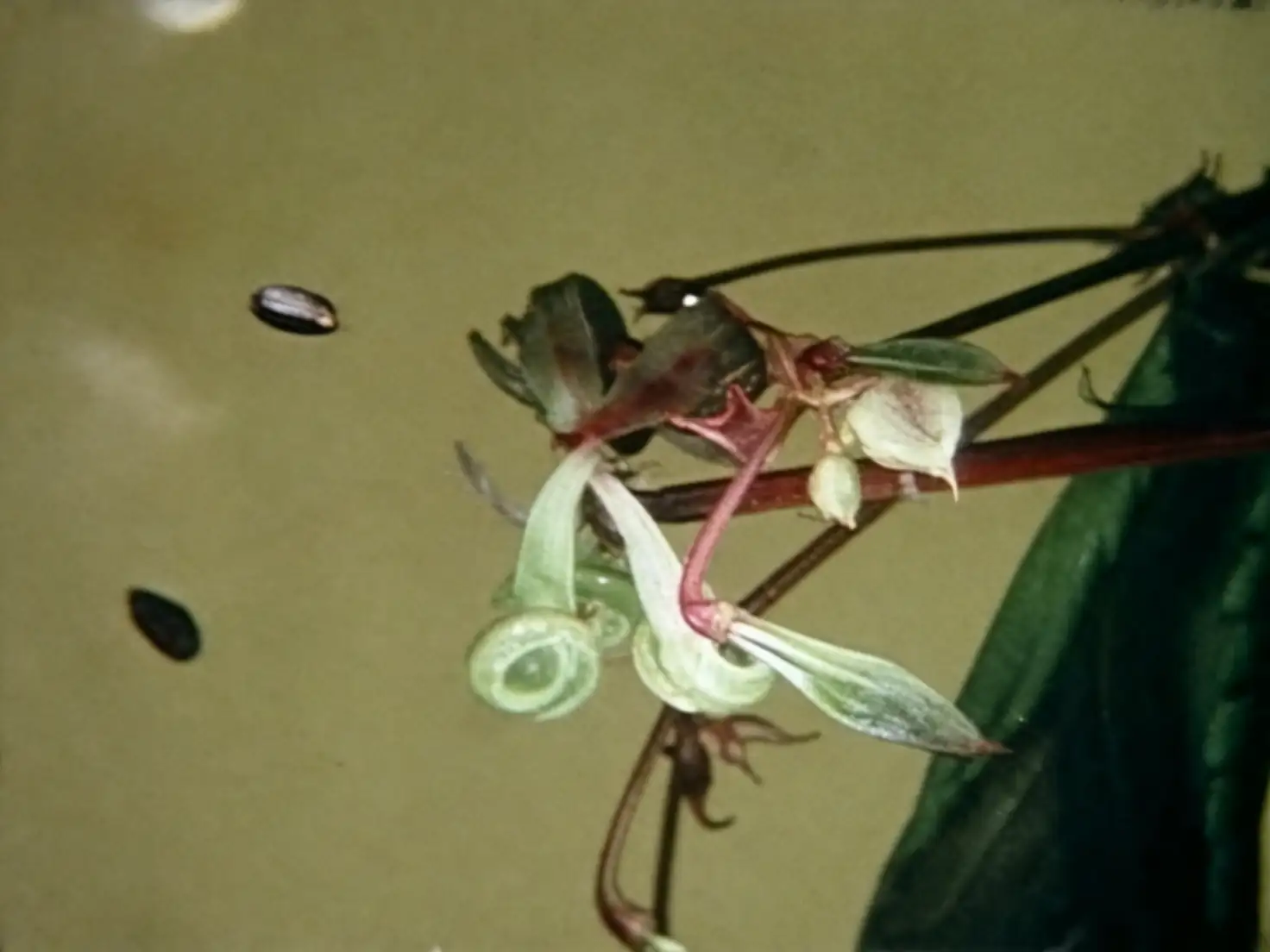
Did you know that Garden Balsam is often associated with “impatience”? This charming association arises from its seed pods, which burst open at the slightest touch, flinging seeds far and wide. In the Victorian era, these explosive seed pods symbolized ardent love and quick action—perfect metaphors for emotions that cannot be contained.
Conclusion
Garden Balsam is more than just a pretty face in your garden. With a little attention to eco-friendly care, it can flourish while keeping unwanted pests and diseases at bay. Embrace these natural solutions and let your balsams bloom beautifully, serving as a testament to your gardening prowess and love for nature. Remember, a garden is a reflection of its gardener—let yours speak of vibrant health and ecological harmony.