

The Colorful Conundrum: Protecting Your Joseph’s Coat from Pests and Diseases
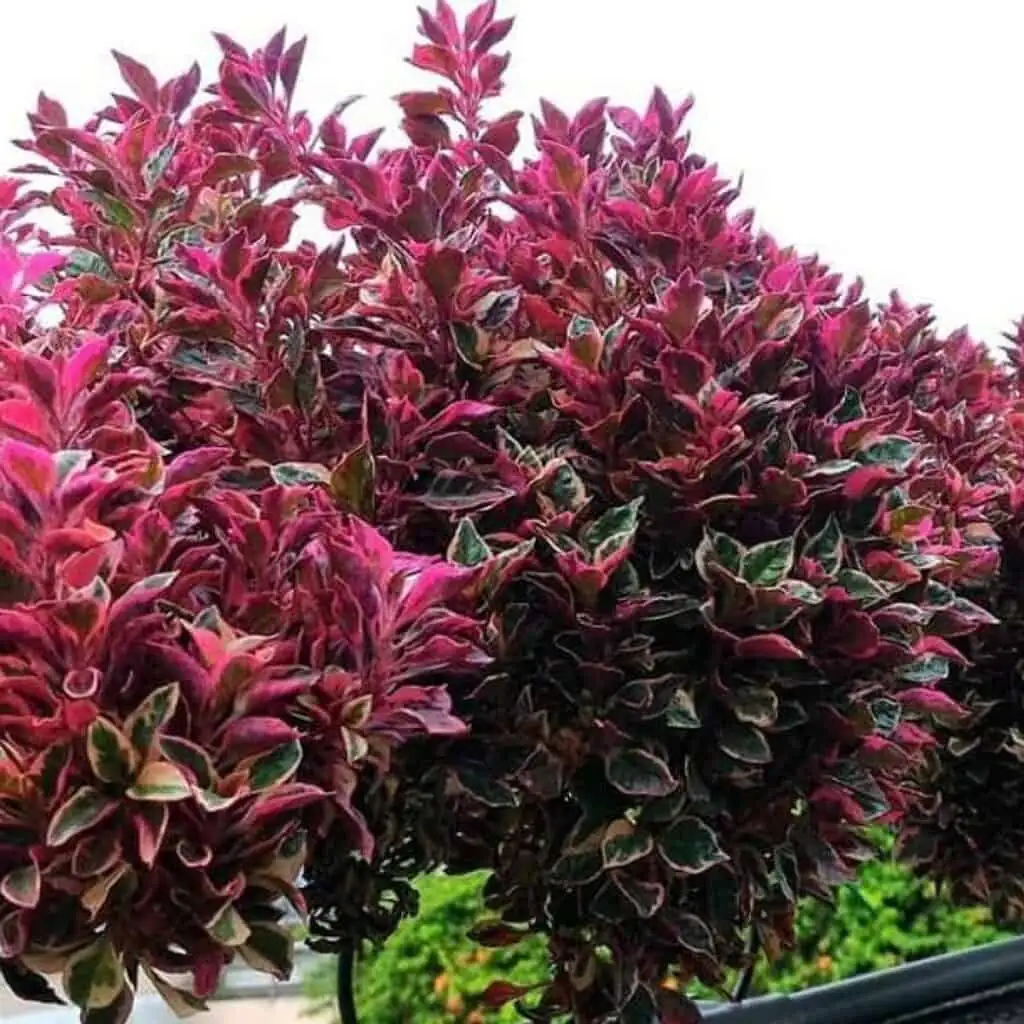
Imagine a garden where every plant is a canvas, each leaf a brushstroke of vibrant reds, yellows, oranges, and purples. This is the visual feast offered by Joseph’s Coat, scientifically known as Amaranthus tricolor L., a botanical masterpiece that brings both color and nutrition to your garden space. However, even the most dazzling artwork can be marred by common pests and diseases. But fear not! With the right care and attention, you can ensure your Joseph’s Coat remains a living rainbow of beauty and health.
Meet the Culprits: Common Pests of Amaranthus tricolor
Much like a delectable buffet, Joseph’s Coat can attract unwanted guests. Here are the usual suspects:
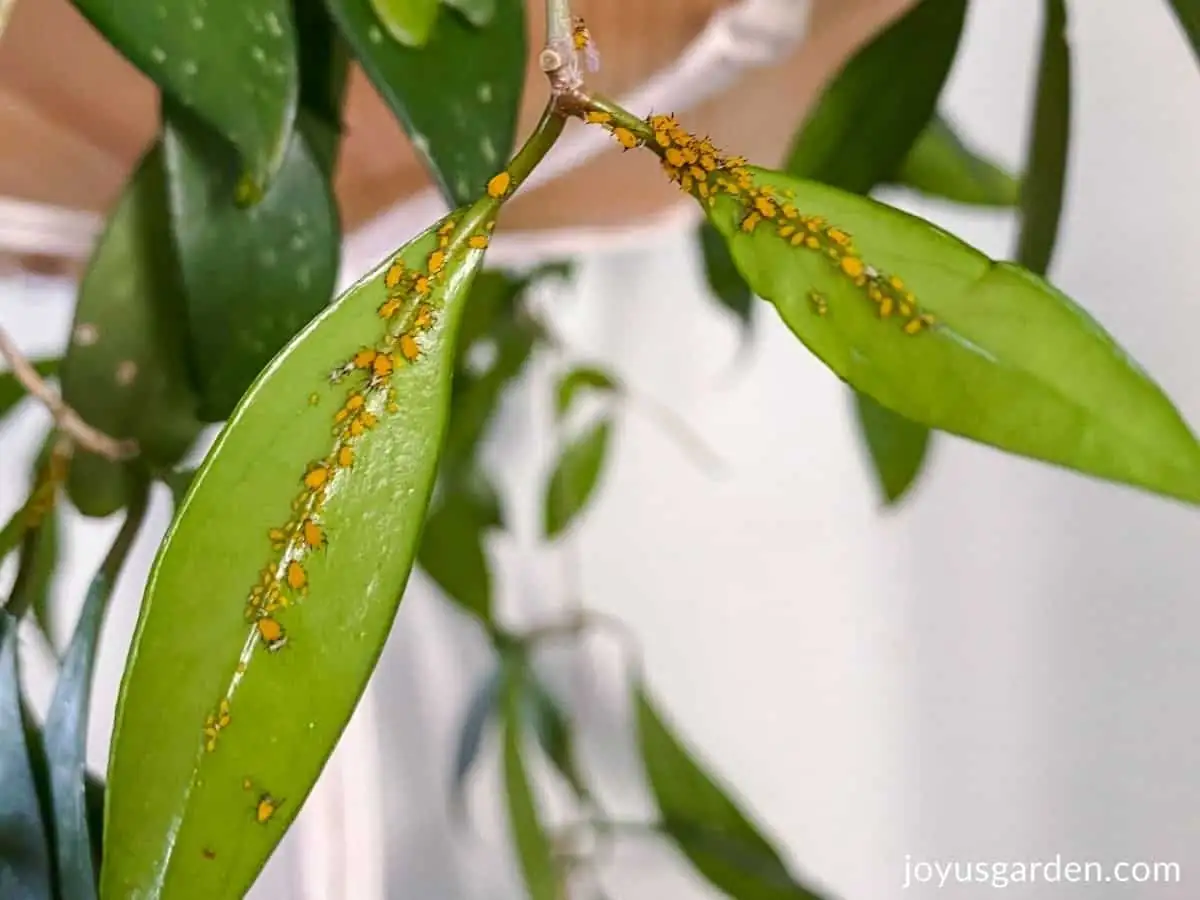
- Aphids: These tiny sap-suckers are the most common pests affecting Joseph’s Coat. They congregate on the undersides of leaves, stunting growth and potentially transmitting plant viruses.
Prevention & Treatment: Encourage natural predators like ladybugs and lacewings. Regularly inspect your plants and remove aphids by spraying them off with water or using insecticidal soap.
Battling the Blight: Common Diseases
Just as a painter must ensure their canvas is pristine, gardeners must shield their plants from diseases that could dull the vibrant hues of Joseph’s Coat.
- Root Rot: Often caused by overly wet soil, root rot is a stealthy foe that can quickly turn a thriving plant into a withered shadow of its former self.
Prevention: Ensure your soil has excellent drainage. Avoid waterlogging by allowing the top layer of soil to dry out slightly between waterings.
- Fungal Leaf Spots: These unsightly spots can make leaves look like they’ve been splattered with ink.
Treatment: Remove and dispose of affected leaves. Improve air circulation by spacing plants adequately and avoid overhead watering.
Creating a Fortress: Preventive Measures
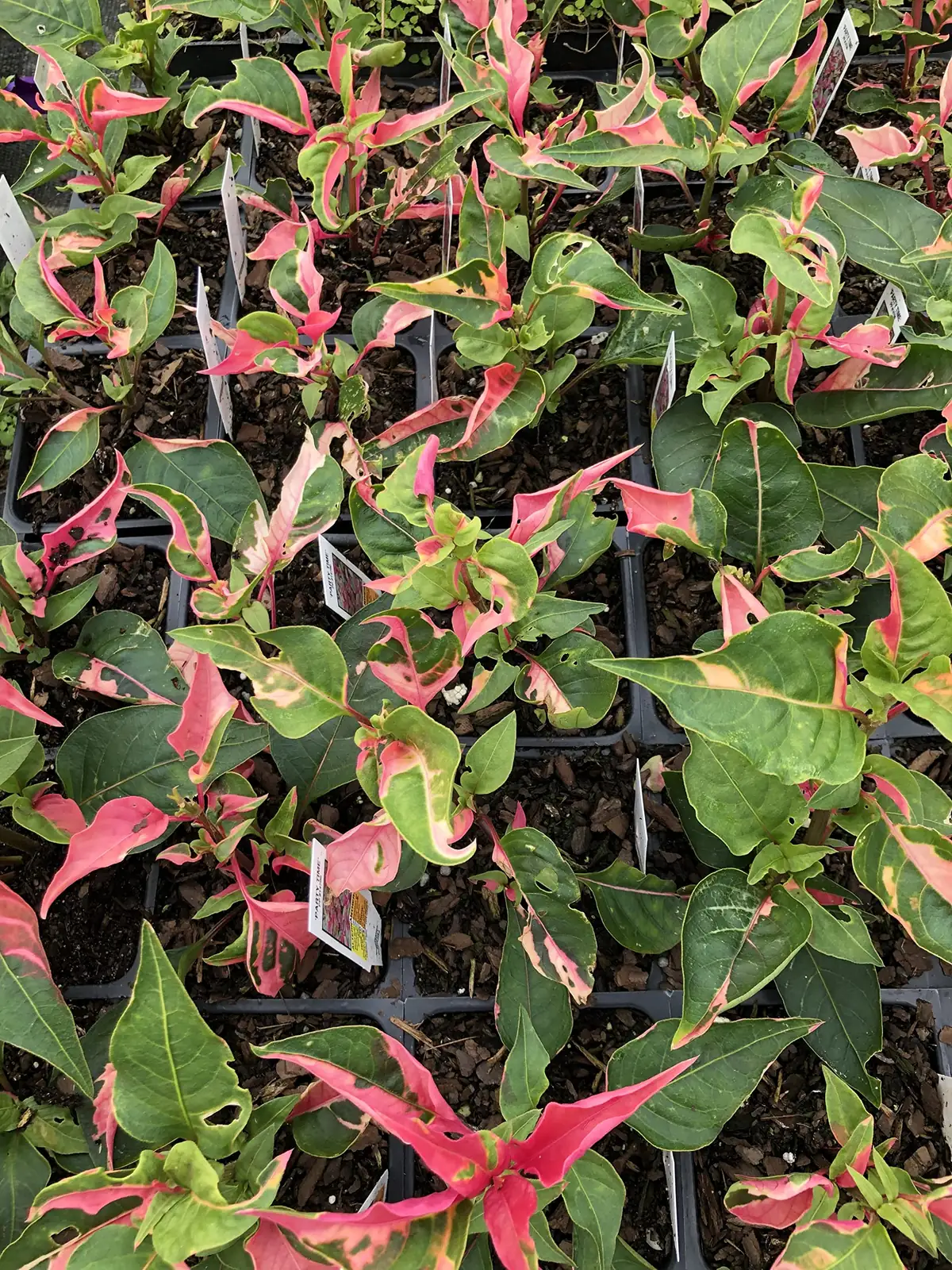
- Optimal Planting Conditions: Plant your Joseph’s Coat in full sun to part shade. Bright sunlight brings out the best in its colorful foliage. In extremely hot climates, a bit of afternoon shade can prevent stress.
- Soil Management: Use well-drained, moderately fertile soil. Incorporate organic matter to improve texture and fertility, but avoid heavy soils and waterlogged conditions that could lead to root rot.
- Proper Spacing: Space your plants at least 20-30 cm apart to ensure good airflow, reducing the risk of fungal diseases.
- Mindful Watering: Water regularly to maintain evenly moist soil, especially during dry spells, but never let the plant sit in water.
The Art of Recovery: When Issues Arise
If your Joseph’s Coat faces pest or disease challenges, remember that a swift response is crucial. Use targeted treatments and adjust care practices to nurse your plant back to health. Remove and destroy infected plant parts, and consider rotating your crops each year to prevent the buildup of soil-borne diseases.
A Legacy of Color and Resilience
Joseph’s Coat, with its historical ties to Greek traditions of immortality and beauty, is more than just a plant—it’s a testament to nature’s artistry. Its multicolored leaves, reminiscent of the biblical coat of many colors, symbolize endurance and affection. By protecting it from pests and diseases, you not only preserve its beauty but also uphold a legacy of horticultural splendor.
In the end, cultivating Joseph’s Coat is akin to being an artist and a protector, ensuring that your garden remains a vibrant masterpiece for all to admire. So roll up your sleeves, embrace the challenge, and let your garden flourish in a riot of color and life!


