

Keeping Your Forsythia Thriving: A Troubleshooting Guide to Common Pests and Diseases
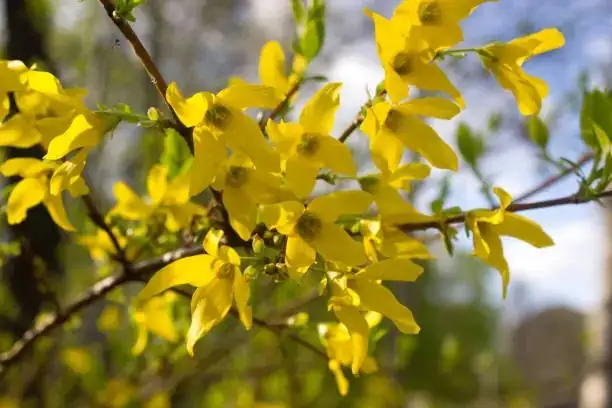
Forsythia suspensa, or the beloved “Golden Bells,” is a garden favorite, celebrated for its blazing yellow flowers that herald the arrival of spring. While this cheerful shrub is known for its resilience, even the hardiest plants can face challenges. Let’s dive into the common pests and diseases that might trouble your Forsythia and how to keep it in tip-top shape.
Aphids: The Tiny Sap Suckers
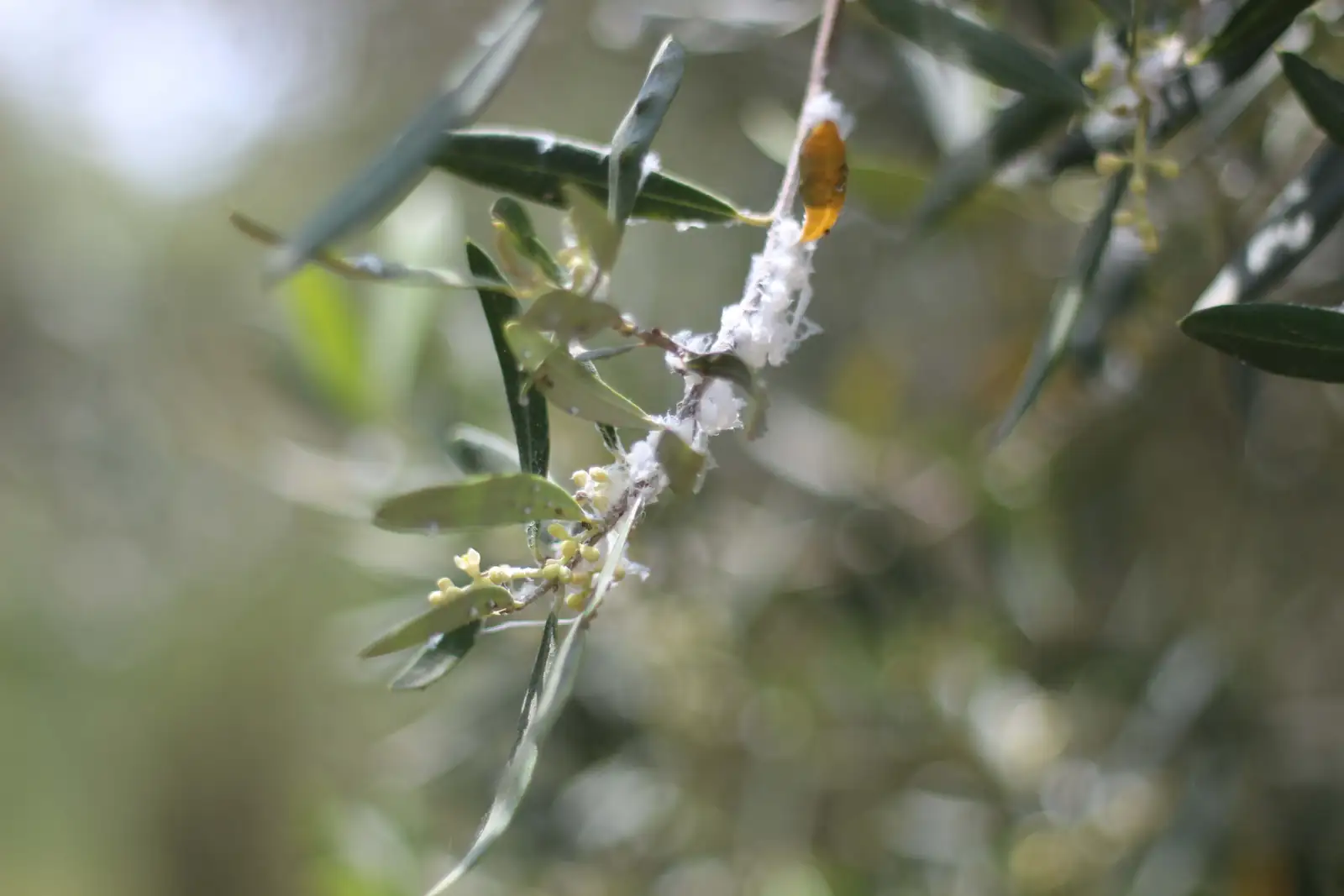
Aphids are probably the most common foes you’ll encounter with Forsythia. These pear-shaped insects are small but mighty when it comes to causing mischief. They suck the sap from leaves, which can lead to yellowing and distortion. Plus, they excrete a sticky substance called honeydew, which can attract sooty mold—a black, unattractive coating on leaves.
Solutions:
- Insecticidal Soap or Neem Oil: Spray these natural remedies on affected areas to deter aphids.
- Encourage Beneficial Insects: Ladybugs and lacewings are natural predators of aphids. Consider planting companion plants that attract these helpful allies.
- Regular Monitoring: Keep a close eye on your plants, especially in the early growing season, to catch infestations early.
Twig Blight: The Silent Invader
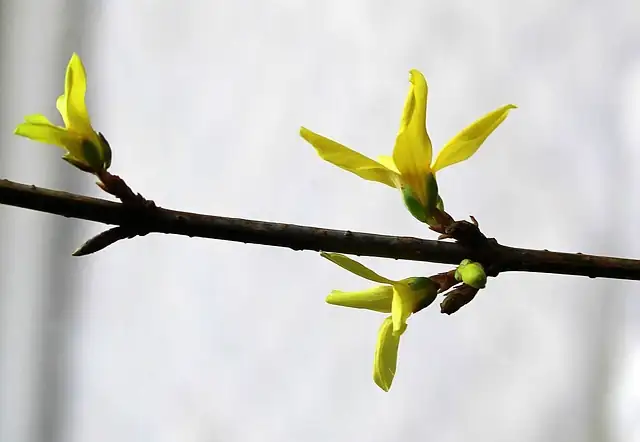
Twig blight can be a sneaky adversary. Caused by fungi, it results in the dieback of twigs and branches, often going unnoticed until significant damage is done. You might spot blackened, dead shoots or buds that fail to open.
Solutions:
- Prune Affected Branches: Regularly inspect your Forsythia and promptly prune out any infected sections to prevent the spread of the disease.
- Improve Air Circulation: Ensure your shrub has enough space to breathe. Good airflow helps keep foliage dry and less susceptible to infections.
- Avoid Overhead Watering: Wet foliage is more prone to fungal infections. Water at the base of the plant instead.
Spider Mites: The Tiny Web Weavers
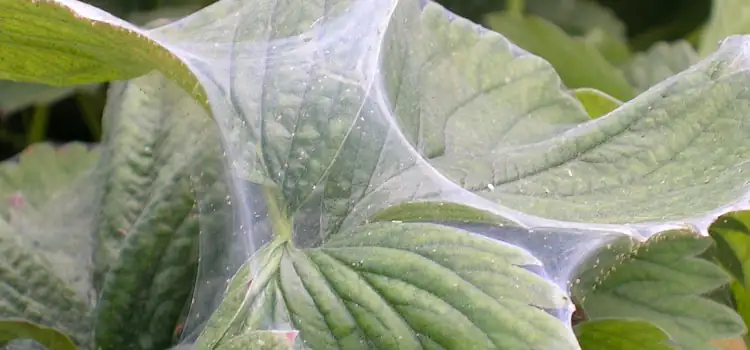
Though tiny, spider mites can cause a host of problems by sucking plant juices from the undersides of leaves, leading to a stippled or bronzed appearance. Their presence is often betrayed by fine webbing.
Solutions:
- Horticultural Oil or Insecticidal Soap: These treatments can manage spider mite populations effectively.
- Introduce Predatory Mites: These beneficial insects can help control spider mite numbers naturally.
- Maintain Optimal Conditions: Avoid overcrowding and ensure your Forsythia is well-watered and healthy, as stressed plants are more vulnerable.
Bacterial Blight: A Wet Weather Woe
Bacterial blight, often caused by Pseudomonas syringae, thrives in wet conditions. Symptoms include shoot tip dieback, bud death, and blackened leaves. It can mimic winter injury, making diagnosis tricky.
Solutions:
- Cultural Control: Prune and destroy infected plant parts and provide good air circulation.
- Chemical Treatments: Although no fungicides are specifically registered for Forsythia, fixed coppers and other bactericides can be tested on a few plants for effectiveness.
- Weather Protection: Use shelters to protect plants from extreme weather, which can exacerbate bacterial issues.
General Maintenance Tips
Ensuring your Forsythia remains healthy involves a few key practices:
- Optimal Planting: Forsythias thrive in full sun with well-draining soil. Ensure they’re planted in a spot that meets these needs.
- Regular Pruning: Prune right after flowering to avoid cutting off next year’s buds. This keeps your plant tidy and encourages vibrant blooms.
- Balanced Fertilizing: If your soil is fertile, Forsythia usually requires little additional feeding. Over-fertilization with nitrogen can lead to more leaves and fewer flowers.
Flower Language: Forsythia’s Symbolic Significance
Forsythia’s golden blooms are more than just a visual delight; they symbolize hope and renewal, making them a perfect emblem of early spring’s promise. In Chinese culture, the plant is believed to bring good fortune and prosperity, a sentiment as bright as its flowers.
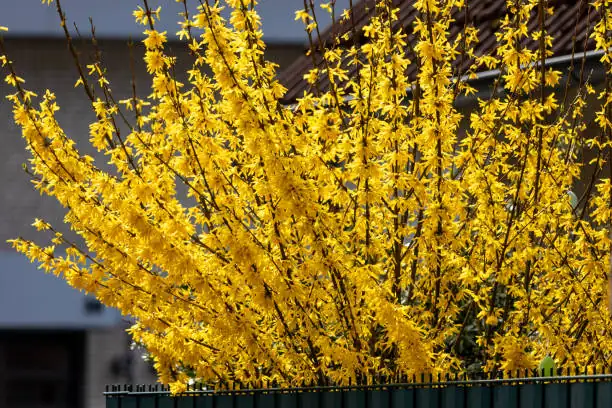
With a little attention and care, your Forsythia will not only survive but thrive, offering a vibrant splash of color that signals the end of winter’s chill and the start of a new growing season. Embrace the challenges with confidence, and let your garden’s “Golden Bells” ring true!


