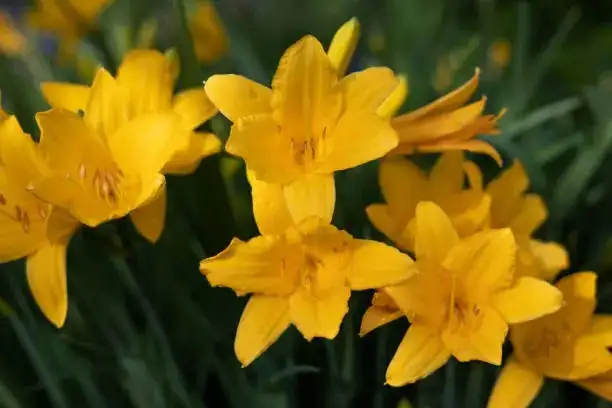
Daylilies are a gardener’s delight, known for their vibrant blooms and hardy nature. However, even these resilient plants can encounter issues. This guide will help you identify and solve common daylily problems.
Common Pests Affecting Daylilies
Daylilies, like any other plant, can fall prey to various pests. Here are a few common ones:
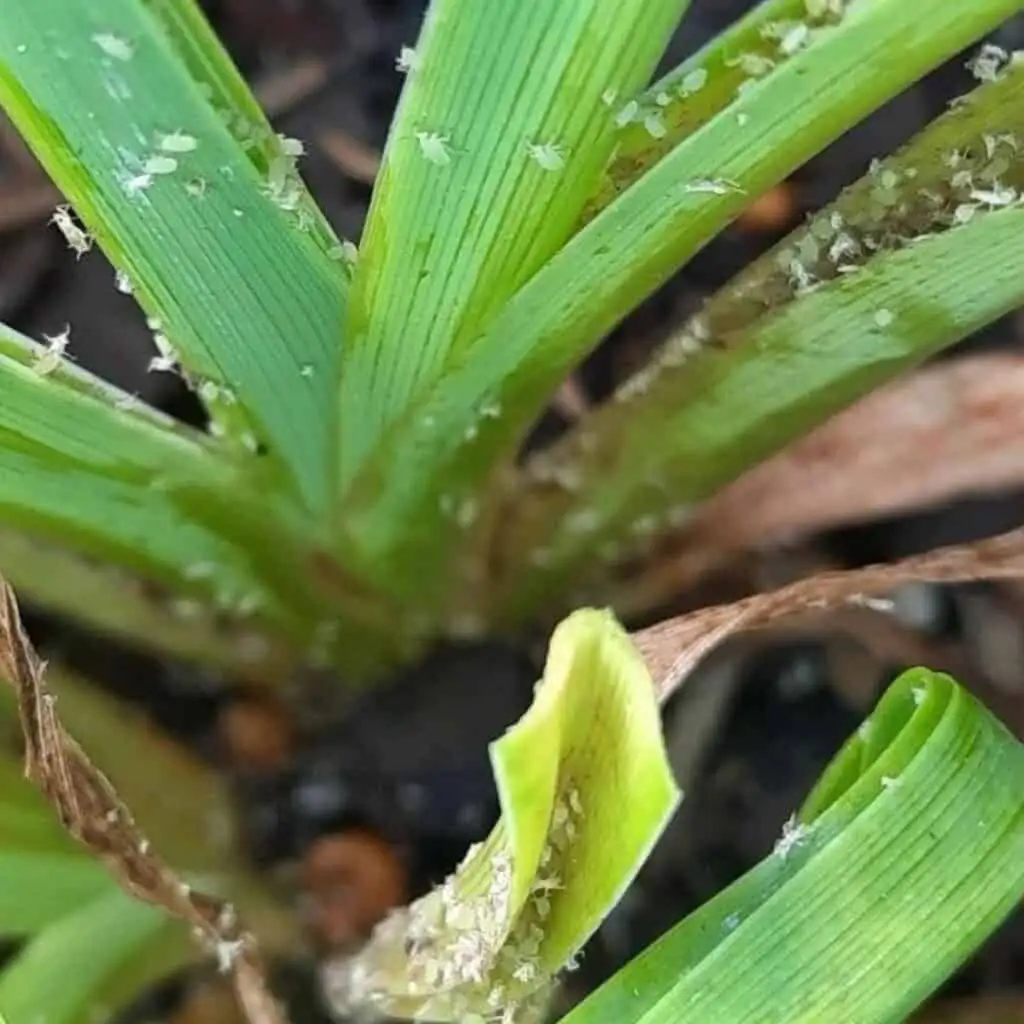
- Aphids: These small insects suck the sap from daylilies, causing leaves to curl and yellow.
- Spider Mites: These tiny pests thrive in hot, dry conditions and can cause significant damage.
- Thrips: These pests feed on flowers and leaves, leading to discolored and deformed blooms.
Diseases That Affect Daylilies
Diseases can also pose a threat to your daylilies. Here are some to watch out for:
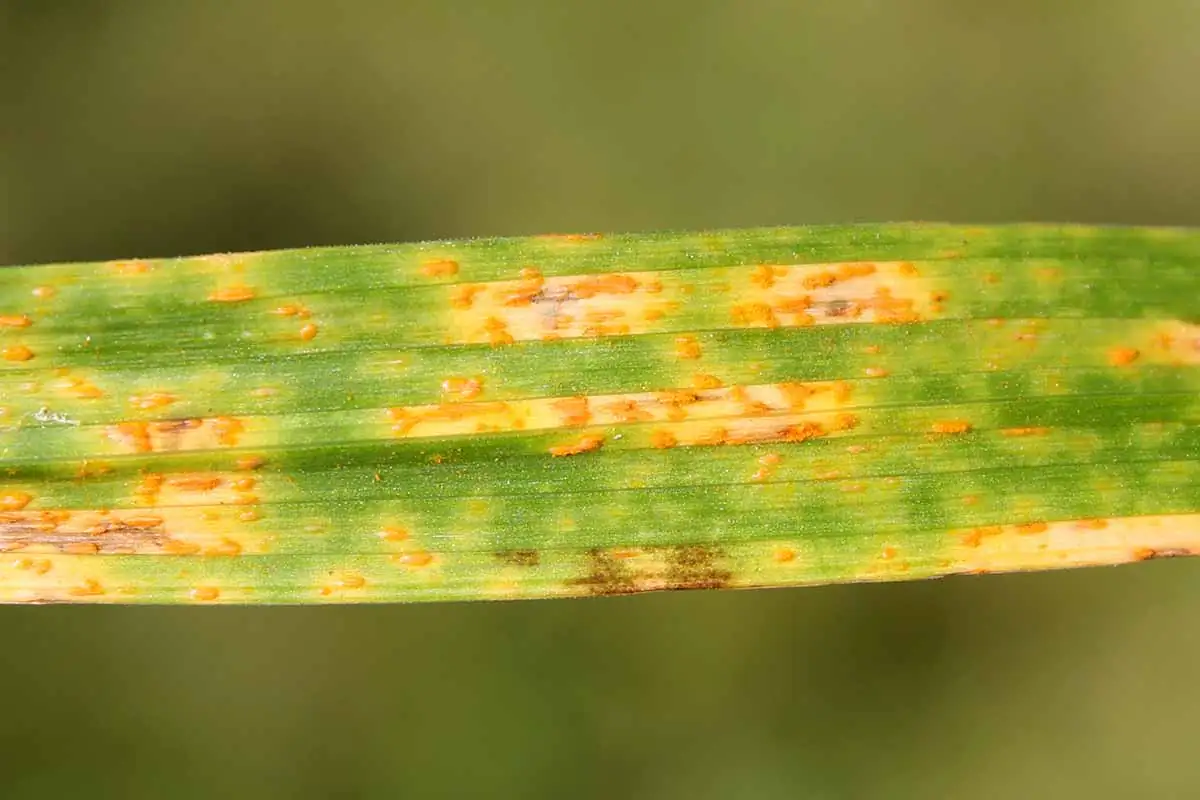
- Daylily Rust: This fungal disease causes orange spots on leaves and can spread rapidly.
- Crown Rot: Caused by poor drainage, this disease leads to wilting and yellowing of leaves.
- Leaf Streak: This disease causes yellow streaks on leaves, eventually leading to leaf death.
Environmental Issues
Environmental factors can also impact the health of your daylilies:
- Overwatering: Can lead to root rot and other fungal diseases.
- Underwatering: Causes wilting and poor bloom production.
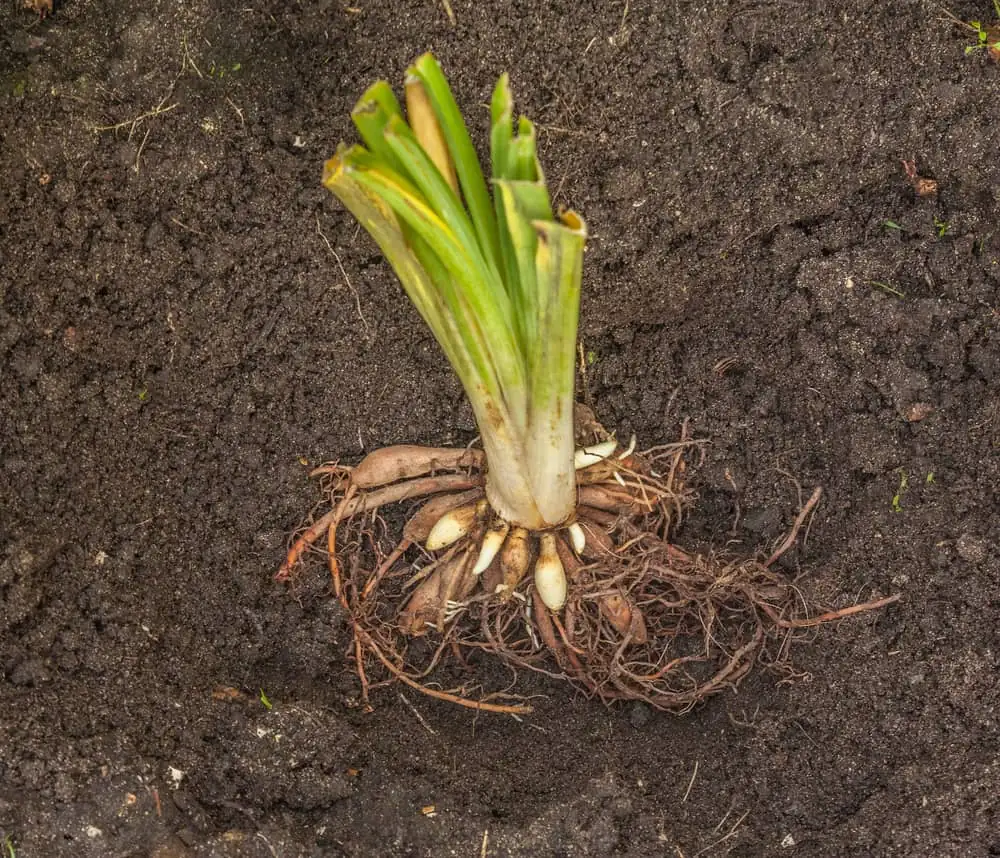
- Poor Soil: Daylilies require well-draining soil to thrive.
Solutions and Preventive Measures
To keep your daylilies healthy, consider the following solutions:
- Regularly inspect plants for signs of pests and diseases.
- Ensure proper watering techniques to avoid over or underwatering.
- Use well-draining soil and amend with organic matter if necessary.
- Apply appropriate pesticides or fungicides when needed.
By staying vigilant and proactive, you can ensure your daylilies remain a stunning feature in your garden.