


If you’ve ever wandered through a meadow or even just a well-tended garden, chances are the cheerful face of Bellis perennis, the common daisy, has smiled back at you. Known by many playful names—like Bone Flower, Bruisewort, and Woundwort—this little botanical gem is more than just a pretty face. Yet, even the most charming blooms can face a few hurdles. Let’s dig into the garden and uncover some common issues that afflict these daisies and discover how you can keep them thriving and vibrant.
Common Challenges and Their Solutions
Aphids: The Unwanted Guests
Aphids are like the uninvited houseguests of the plant world. They arrive quietly, often unnoticed until their population booms, sucking the life out of your beloved daisies. These tiny pests can cause leaves to curl and stunt growth, which isn’t exactly the look you’re going for in your garden.
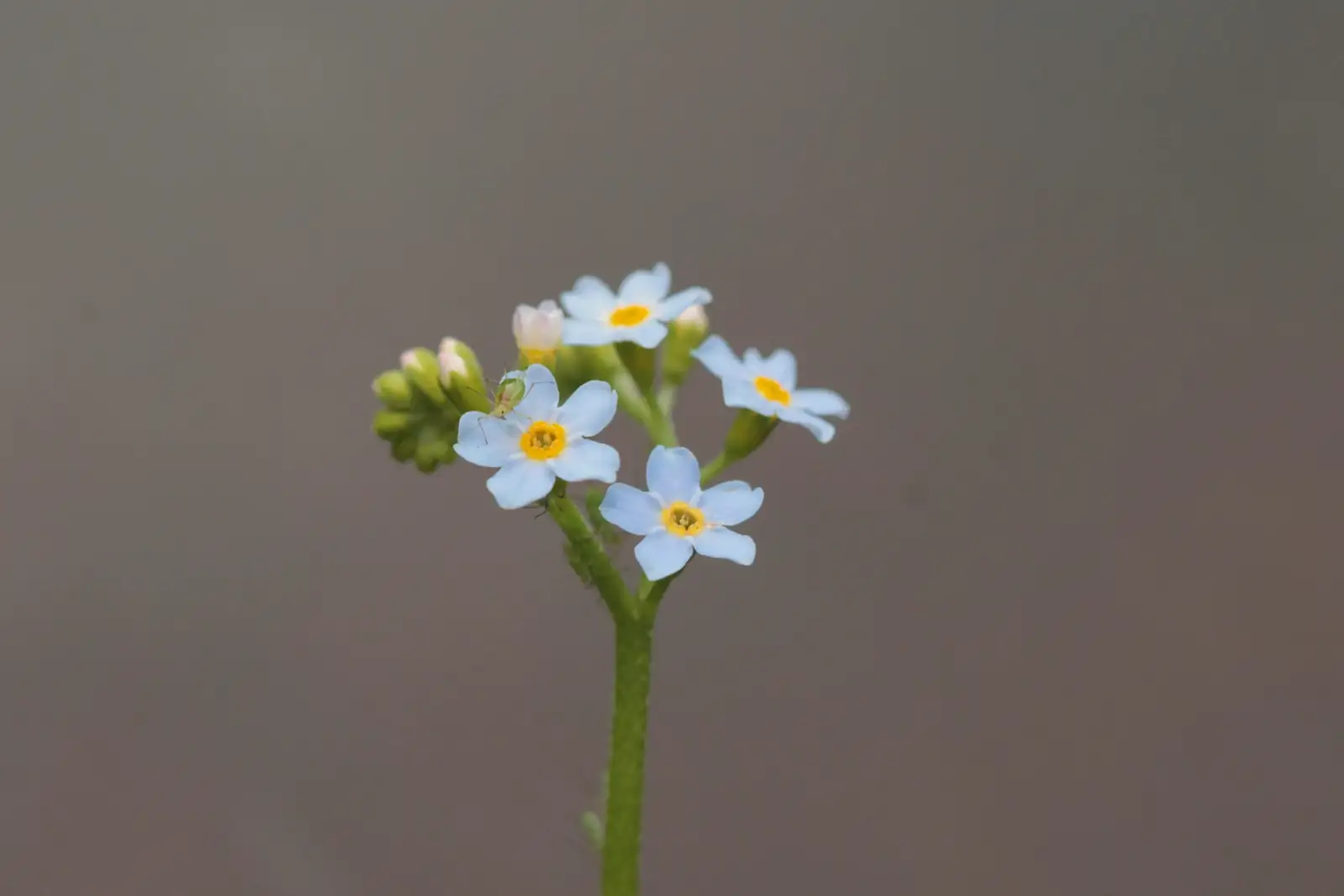
Solution: Arm yourself with insecticidal soap or horticultural oil to send these pests packing. Regularly inspect your plants, especially the undersides of leaves, and act quickly at the first sign of infestation. Encouraging natural predators like ladybugs can also help keep aphid populations in check.
Powdery Mildew: The Dusty Coating
Have you ever noticed a white, powdery coating on your daisy leaves? That’s powdery mildew, a fungus that thrives in high humidity and poor airflow. It can make your daisies appear more like they’ve been dusted with flour than kissed by the sun.

Solution: Improve air circulation around your plants by spacing them appropriately and removing any surrounding clutter. Water at the base of the plants to keep foliage dry and consider using a fungicide if the problem persists. Remember, a little preventative maintenance goes a long way!
Root Rot: The Silent Killer
Root rot is the stealthy villain in the daisy world. When the soil remains soggy, the roots can’t breathe, leading to decay. Before you know it, your once vibrant daisies are wilting and browning, a sad sight indeed.
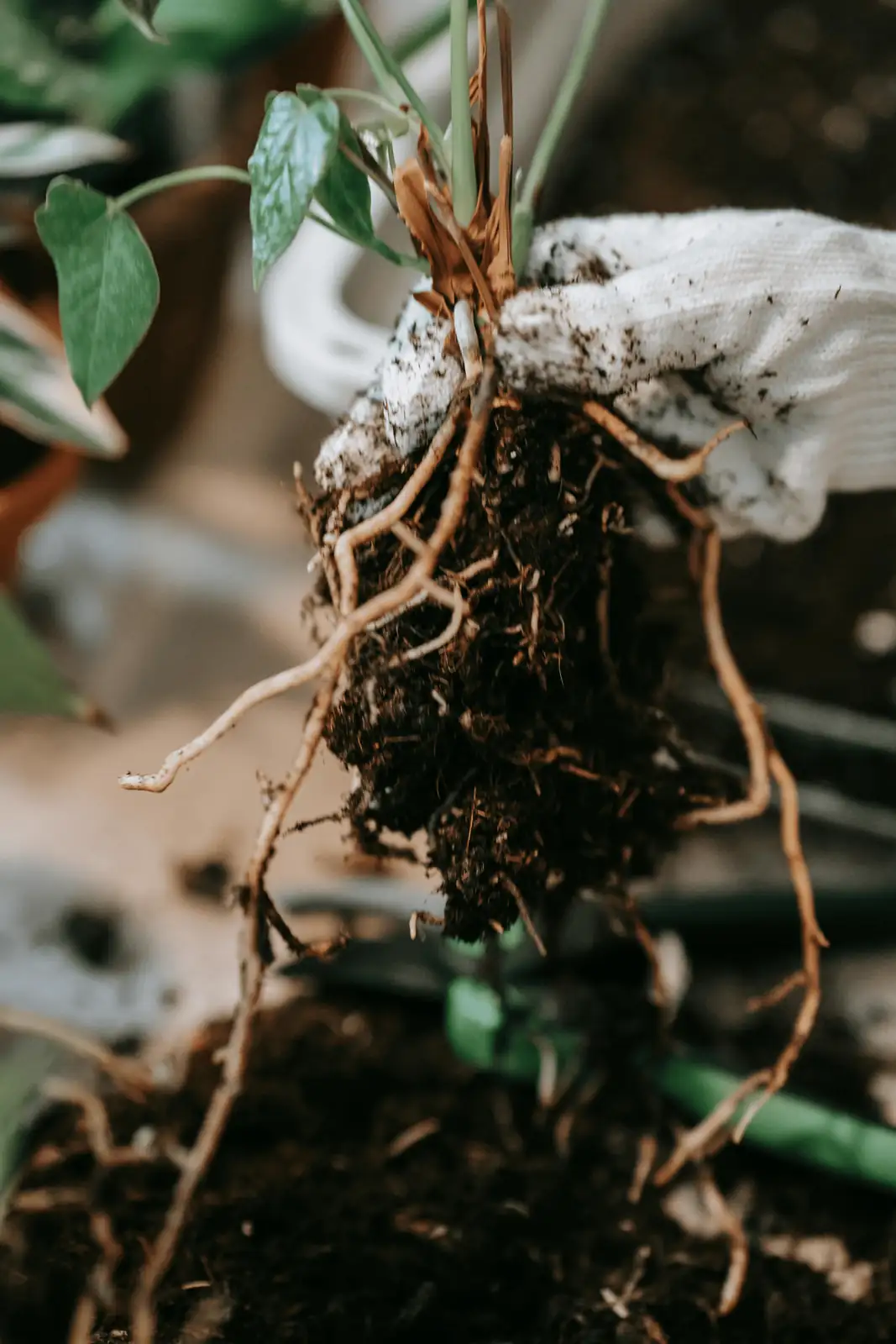
Solution: Ensure your soil is well-drained. Bellis perennis prefers a sandy or loamy mix, rich in organic matter. If you’re growing them in containers, make sure they have adequate drainage holes. Water wisely, allowing the top layer of soil to dry between watering sessions to keep root rot at bay.
Growing Conditions: Setting the Stage for Success
Light and Temperature
Bellis perennis loves basking in the sun but appreciates a little reprieve from intense afternoon heat. Aim for at least six hours of direct sunlight to keep those flowers blooming. Ideal temperatures hover around 7–15°C (45–59°F), though they’ll hang on in milder conditions up to 25°C (77°F).
Soil and Water
Think of soil as the foundation of your daisy’s home. These plants flourish in well-drained, slightly acidic to neutral soils. Keep the soil moist but never waterlogged, especially during active growth seasons. If your daisies start to droop, it might be time to reevaluate your watering routine.
A Little History and Fun Facts
Did you know that the name “daisy” comes from the Old English “day’s eye”? This charming moniker refers to how the flowers close at night and open with the daylight, a phenomenon known as nyctinasty. It’s as if they’re waking up to greet the sun each day!
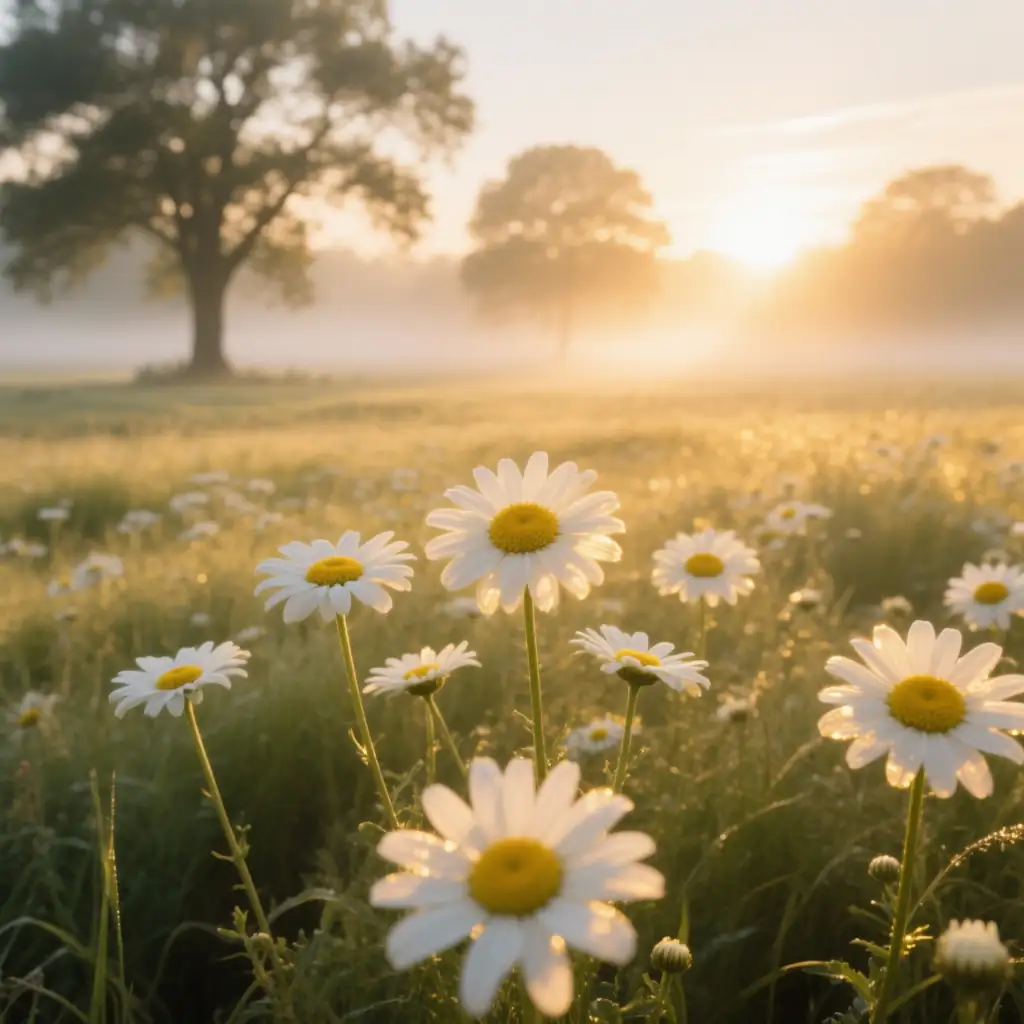
Bellis perennis has been a symbol of innocence and purity throughout history. In folklore, they’re associated with loyal love, possibly stemming from the playful petal-plucking game “he loves me, he loves me not.”
Conclusion: Cultivating a Dazzling Daisy Display
With the right care and attention, your daisies can be the showstoppers of your garden. Keep an eye out for pests and diseases, provide them with the right conditions, and they’ll reward you with their cheerful blooms. Whether you’re weaving them into a classic daisy chain or simply enjoying their bright faces in your flower beds, Bellis perennis has a way of bringing joy with just a glance. So roll up your sleeves, get your hands dirty, and let your garden burst into bloom!


