
Troubleshooting Your Moss Roses: Common Issues and Solutions for a Thriving Garden
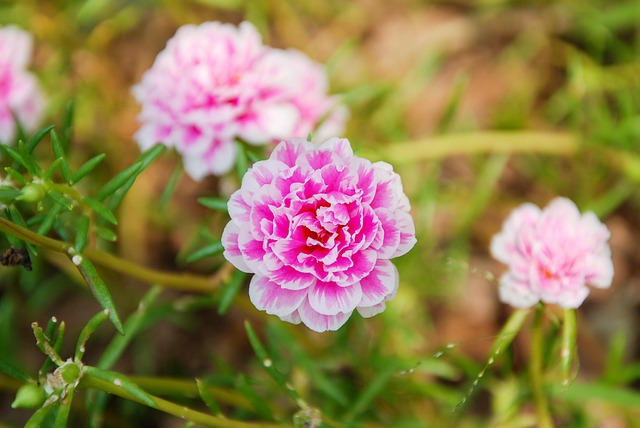
Moss roses, or Portulaca grandiflora, are like the extroverts of the plant world—they thrive on attention from the sun and reward you with vibrant, rose-like blooms in return. These cheerful sunbathers, native to South America’s hot, dry plains, are beloved for their resilience and low-maintenance nature. However, even these hardy plants can face a few challenges. Let’s explore some common issues that might affect your moss roses and how to address them for a flourishing, colorful display.
Common Pests: Tiny Troubles
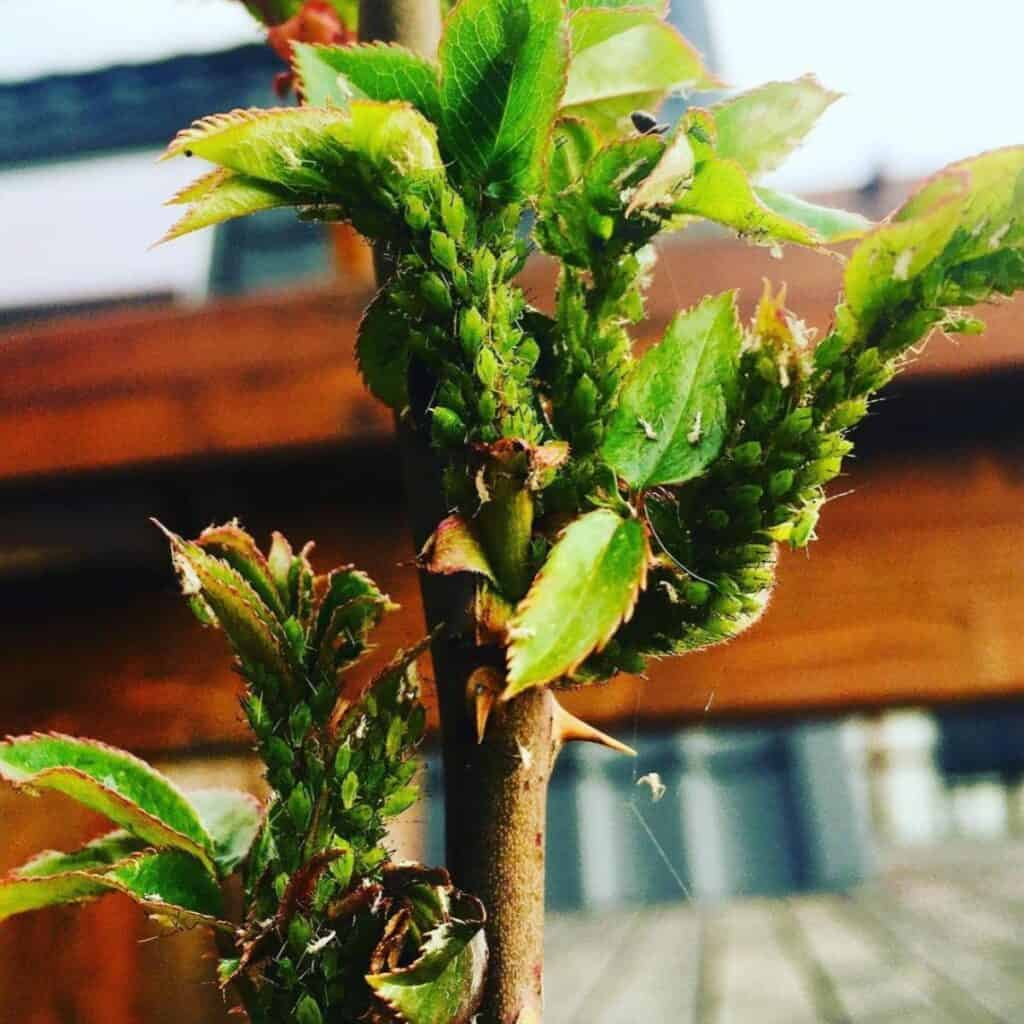
Aphids: The Sap-Sucking Menace
Imagine aphids as tiny vampires, stealthily draining the lifeblood from your moss roses. These small, soft-bodied insects can cluster on stems and leaves, causing them to curl and distort. But fear not—aphids are easily managed. A strong spray of water can dislodge them, or you can opt for insecticidal soap to keep their numbers in check. Regularly inspect your plants, especially during the growing season, to prevent a full-blown infestation.
Slugs and Snails: The Nighttime Nibblers
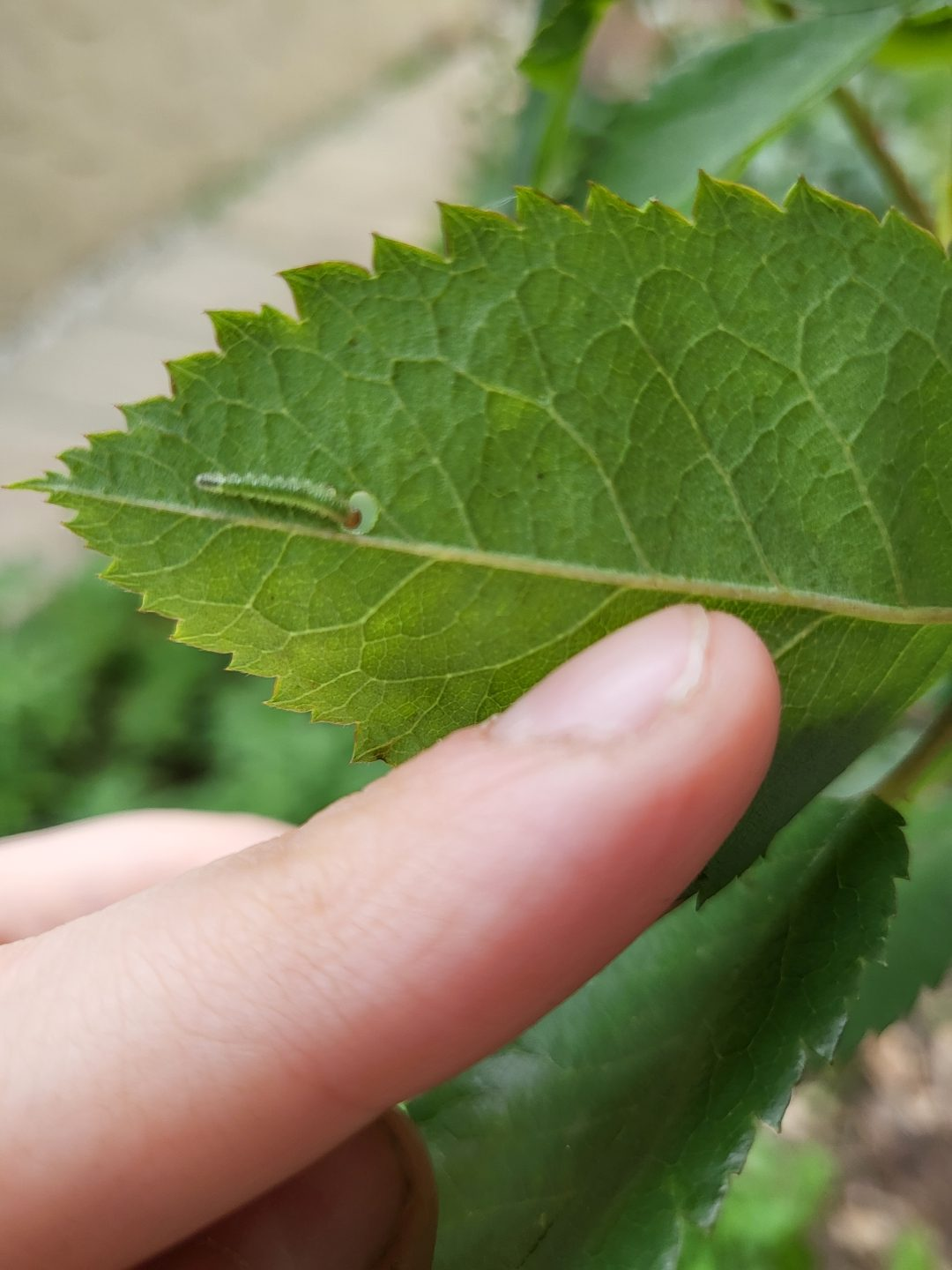
While less common, slugs and snails can occasionally munch on your moss roses, leaving behind telltale holes in the foliage. These nocturnal feeders can be thwarted with barriers like crushed eggshells or diatomaceous earth around the base of your plants. In severe cases, a slug bait can come to the rescue.
Disease Dilemmas: Rot and Ruin
Root and Stem Rot: The Wet Blanket
Moss roses are desert dwellers at heart, preferring their soil on the dry side. Overwatering or planting in poorly drained soil can lead to root and stem rot, caused by pathogens like Pythium and Rhizoctonia. To prevent these fungal foes, ensure your moss roses are planted in sandy, well-drained soil and resist the urge to overwater. Containers should have ample drainage holes, and it’s wise to let the soil dry out between waterings.
Botrytis Blight: The Grey Invader
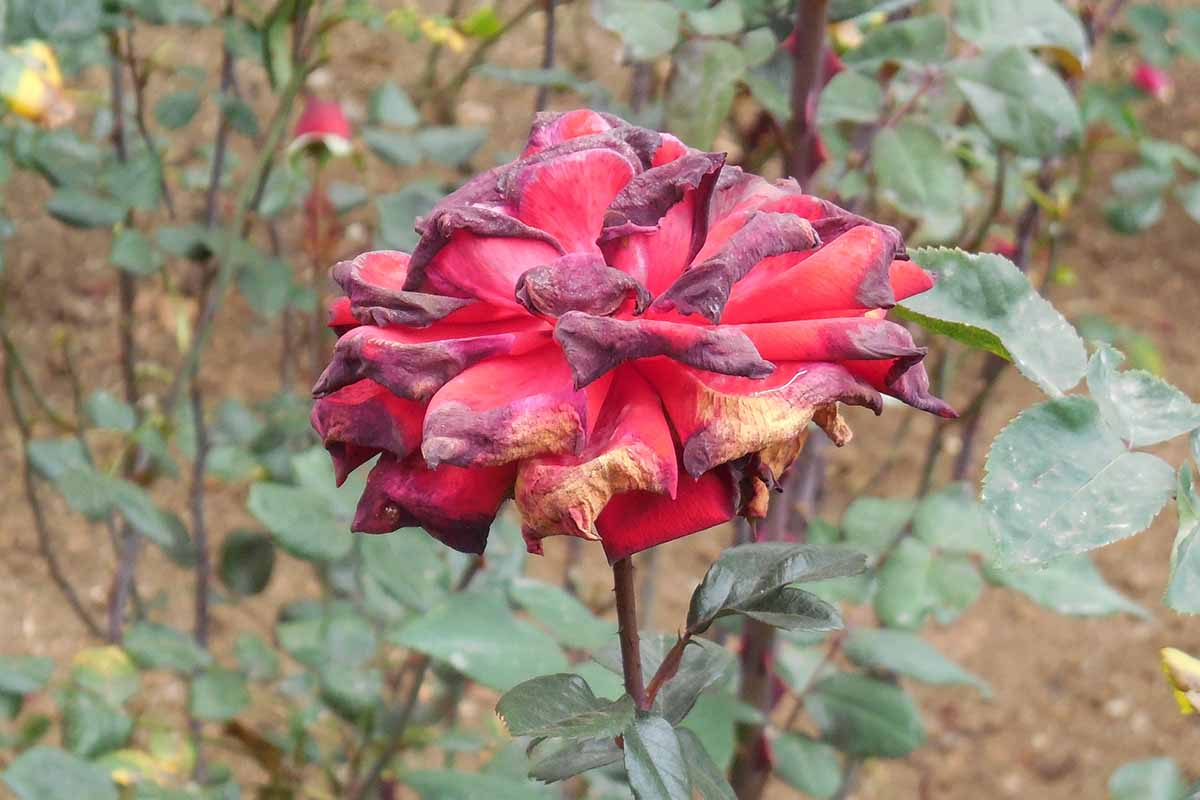
Botrytis, or grey mold, can sometimes affect moss roses, particularly in humid or overcrowded conditions. This disease manifests as a fuzzy gray growth on flowers and leaves. Good air circulation and avoiding overhead watering can help prevent its spread. If you notice infected parts, promptly remove and dispose of them to reduce the risk of further contamination.
Environmental Essentials: Sun and Soil
Moss roses are sun worshippers—they demand full sun, basking in at least 6–8 hours of direct light daily. Without enough sunlight, their dazzling blooms may remain shy and closed, much like a party-goer who refuses to dance without their favorite song. Ensure your planting spot is sun-soaked to keep the floral festivities in full swing.
When it comes to soil, think lean and mean. Moss roses thrive in poor, sandy, or rocky soils as long as drainage is excellent. If your garden soil is heavy clay, consider growing these beauties in containers to ensure they get the sharp drainage they need.
Care Tips: Keep Them Happy
- Watering: Deep, infrequent watering is key. In hot weather, a weekly soak should suffice. Let the soil dry out between waterings to avoid root rot.
- Fertilization: Less is more. Over-fertilizing, especially with high-nitrogen products, can lead to lush foliage at the expense of blooms. If you must feed, use a balanced, slow-release fertilizer sparingly.
- Pruning: Minimal is best. Moss roses are largely self-cleaning, so deadheading isn’t necessary. A light trim can encourage bushier growth.
Propagation: Multiply the Joy
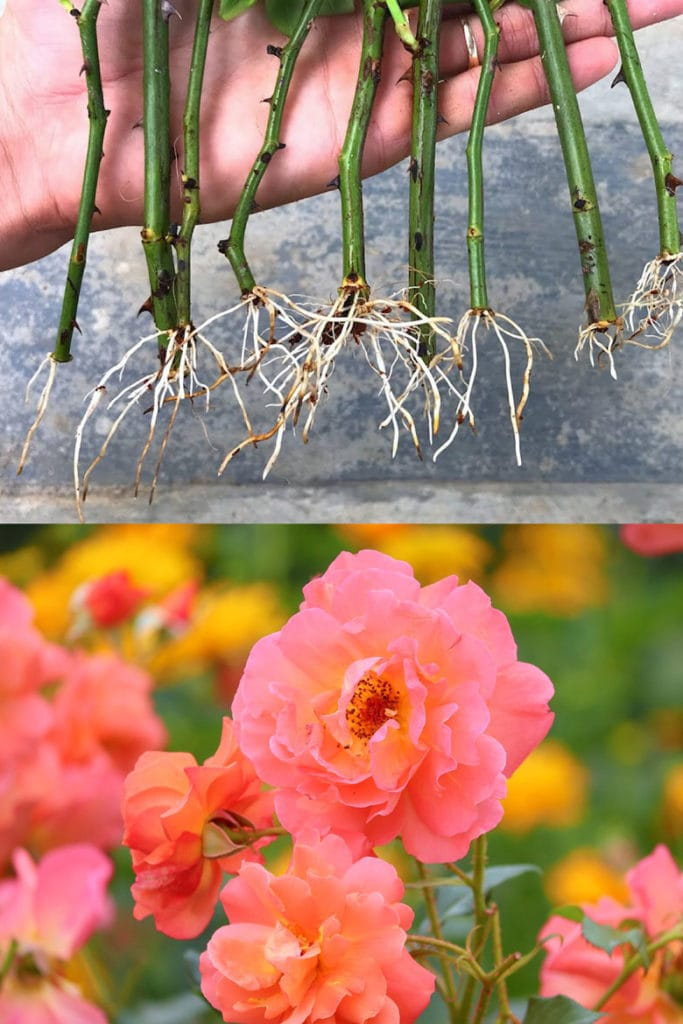
Moss roses are generous plants, happy to share their beauty through seeds or cuttings. To propagate from seed, sow them lightly covered after the last frost—light aids germination. For cuttings, take 4-inch stem sections, let them callus, and plant in sandy soil. They root quickly and will soon start their own sunlit celebrations.
Final Thoughts: Blooming Resilience
Moss roses, with their dazzling array of colors and sun-loving nature, teach us a lesson in resilience and cheerfulness. Despite the occasional pest or rot problem, they persist and flourish, bringing joy to any sunny garden. With a little attention to their needs, your moss roses will reward you with a carpet of color that lasts from summer into fall. So, let the sun shine, and watch your moss roses dance!