

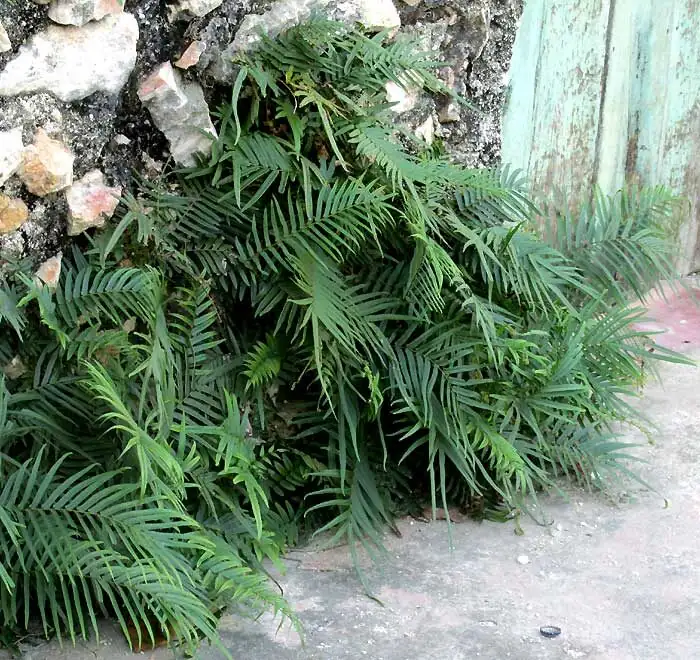
Think of Chinese brake fern (Pteris vittata) as the fern that rewards kindness: gentle light, steady moisture, and a little shelter from life’s extremes. In USDA zones 9–11, it’s a graceful, low-fuss way to green up shaded beds, porch corners, and hanging baskets. In colder climates, it’s equally happy shuttling between patio and living room—provided you time the move before winter nips. Here’s how to nail the details outdoors and in containers so those feathery, finger-like fronds stay lush year-round.
Meet Pteris vittata at a glance
- Names: Chinese brake fern, brake fern, ladder brake (Pteridaceae)
- Habit: Clump-forming, tufted and arching; great in pots and hanging baskets
- Size: Typically 12–24 in (30–60 cm) tall and wide in containers; mature houseplants often reach ~24 × 24 in (60 × 60 cm)
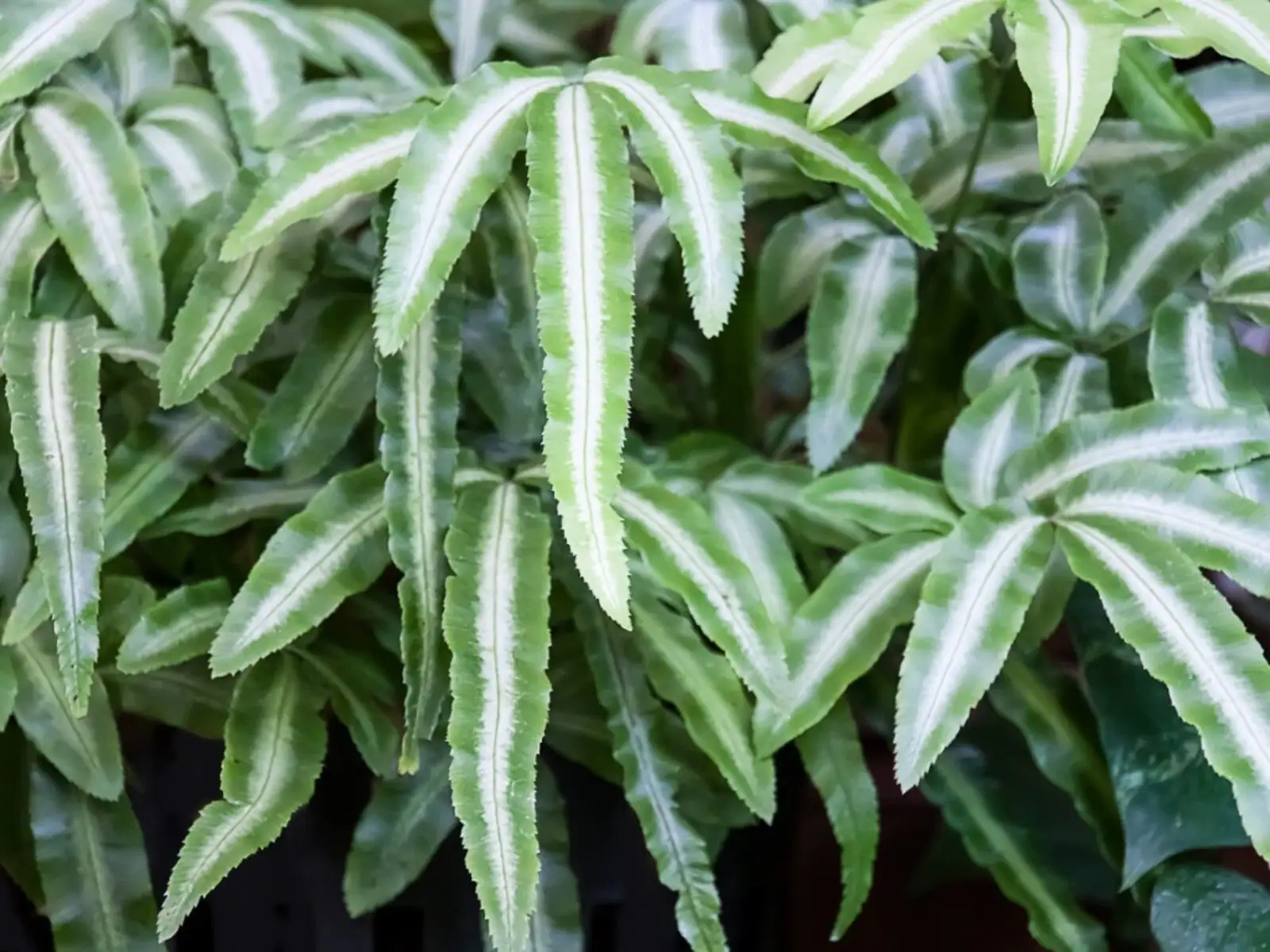
- Foliage: Narrow, once-divided fronds on wiry dark stems; mostly solid green, with occasional variegated selections showing a pale midrib stripe
- Reproduction: Spores (no flowers)
- Personality: Easier than many ferns if kept evenly moist and out of harsh sun
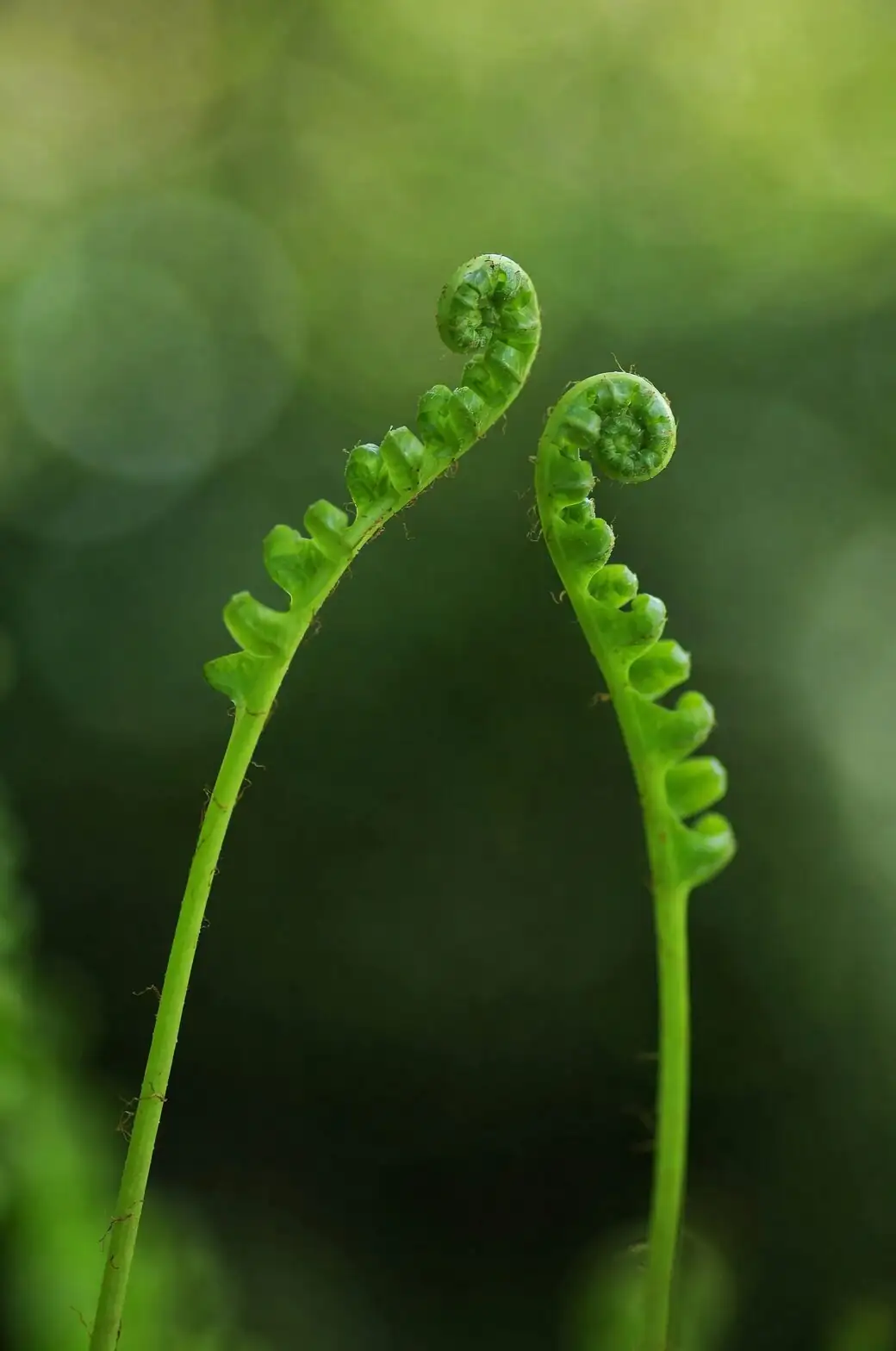
Outdoors in USDA zones 9–11: site, soil, irrigation, and frost protection
Choose the right light (the secret to tidy fronds)
- Best: Bright, filtered light to partial shade—morning sun with dappled afternoon shade, or bright open shade beneath high tree canopies.
- Avoid: Strong midday/afternoon sun that can crisp tips and bleach fronds, and hot reflected exposures (south- or west-facing walls without a buffer).
Pro tip: Hanging baskets or wall planters under pergolas and porches give the airy fronds room to arc and drape without sun scorch.
Build a fern-friendly soil
Aim for soil that holds moisture but drains well—think sponge, not swamp.
- Recipe for success (in beds or large containers outdoors):
- 2 parts loam or all-purpose potting mix
- 1 part fine bark or leaf mold/leaf compost
- A small portion of coarse sand or perlite for extra drainage
- Key rules:
- Excellent drainage is essential—no standing water.
- Mulch with leaf mold, fine bark, or compost to moderate moisture and temperature.
- This species is famously adaptable, even turning up in crevices of old masonry in warm regions, but for cultivated beds, prioritize moisture-retentive, free-draining mixes.
Planting and spacing
- Space clumps 12–18 in (30–45 cm) apart to allow air movement and easy grooming.
- Plant with the crown level to the soil line; firm lightly and water thoroughly to settle.
Irrigation that keeps fronds lush
- Keep soil evenly moist, especially spring through fall. Let the top 0.5–1 in (1–2 cm) begin to dry slightly between waterings, then soak and allow excess to drain.
- In warm spells, deep watering 2–3 times weekly may be needed for containers; in-ground plants may need less frequent but thorough soaks depending on soil and heat.
- Water in the morning so fronds dry by evening, reducing leaf spot risk. Avoid constantly wetting fronds late in the day.
Mulch and microclimates
- A 1–2 in (2.5–5 cm) layer of leaf mold or fine bark keeps roots cool, buffers moisture, and reduces splash (which can spread leaf spot).
- Tuck plants where buildings, fences, or overhangs create bright shade and mild temperatures—perfect microclimates for consistently handsome growth.
Frost alarms and protection
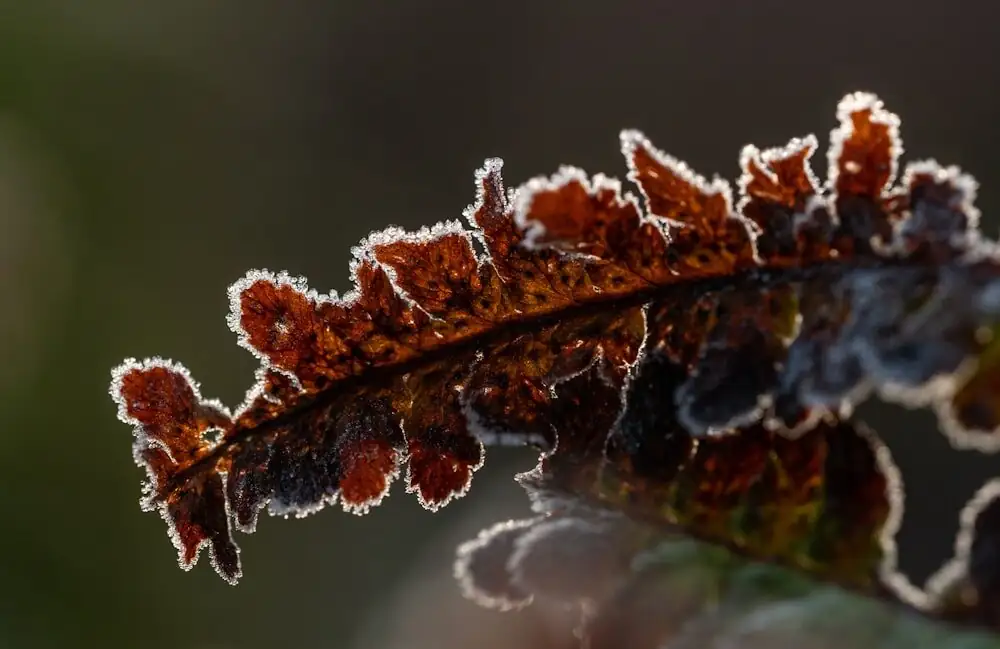
Chinese brake fern is frost-tender. In zones 9–11, brief cold snaps can still bite.
- Before a cold night:
- Water the soil (moist soil holds a bit more radiant heat).
- Cover in-ground plants with frost cloth supported on hoops (keep fabric off fronds).
- Move containers under cover or against a sheltered wall; bring baskets into a garage or porch overnight.
- After damage:
- Snip off browned fronds at the base to tidy the clump.
- Resume steady moisture and filtered light—new fronds typically return once warmth stabilizes.
- Rule of thumb: If nighttime forecasts dip near 50°F (10°C) or lower for more than a brief spell, switch to protection mode—this species dislikes prolonged chill.
Container culture: the smooth commute from patio to living room
The right pot and mix
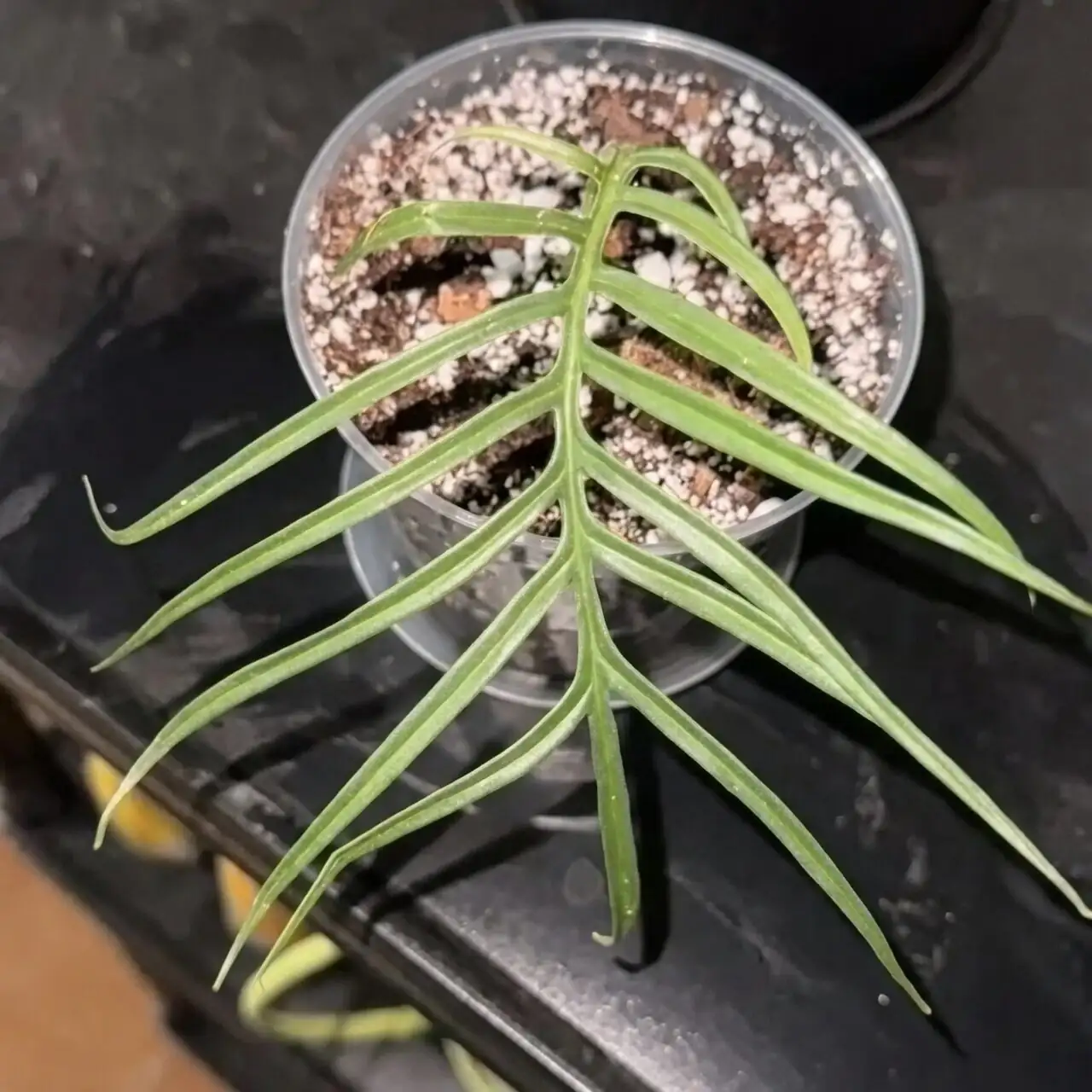
- Pot: Always use containers with drainage holes. Hanging baskets and 5–6 in (12.5–15 cm) pots are great starters; size up only one step at repotting.
- Mix (indoor/outdoor containers):
- Option A: Peat-based fern mix with leaf mold and a dash of coarse sand
- Option B: 2 parts quality all-purpose potting mix + 1 part bark-based medium + 1 part horticultural charcoal
- Refresh soil every 2 years (or sooner if roots crowd or escape the drainage holes).
Light indoors
- Bright, indirect light to partial shade: east or north windows, or a south window filtered with a sheer curtain.
- Avoid harsh direct sun indoors, which can yellow and crisp fronds.
Watering rhythm (indoors)
- Spring–autumn: Aim for evenly moist. Water thoroughly and drain; don’t let the pot sit in water. Many homes find a rhythm of about 3 times weekly in warm months, adjusting to light, heat, and pot size.
- Winter: Water less—often about weekly—when the surface begins to dry, but never to a complete dry-out.
Feed lightly
- Spring to early autumn: Monthly feeding with a balanced liquid fertilizer at half strength. Occasionally flush the pot with plain water to prevent salt buildup. Keep fertilizer off fronds to reduce spotting.
Humidity hacks
- Moderate humidity is fine, but fronds look best with 60–70% humidity.
- Try: Regular misting, grouping plants, a bright bathroom, or a humidifier. Avoid blasting AC/heat vents and dry drafts.
The seasonal migration plan
- When to move indoors: Before nights settle near or below 50°F (10°C).
- How to move:
- Acclimate both ways (in and out) over 5–7 days—gradually adjust light to prevent shock.
- Inspect for pests before bringing inside; rinse fronds and treat if needed.
- Spring return outdoors: After frost danger passes, reintroduce to bright shade first.
Grooming, repotting, and propagation
- Groom: Snip yellowed, brown, or storm-tattered fronds at the base anytime. Thin a few tall, fertile fronds if the clump is crowded—this boosts airflow and looks.
- Repot: Every 2 years in spring; go up one size or divide the clump to maintain scale.
- Propagate: Divide during spring repotting—include healthy rhizome, roots, and a few fronds per division. Keep divisions warm, humid, and shaded until established.
- Tip: Avoid making divisions too small—they establish slowly.
Troubleshooting and plant health
- Browning tips/yellowing: Usually low humidity, underwatering, or fertilizer salts. Increase humidity, maintain even moisture, and flush the pot occasionally.
- Leaf spot: Improve airflow, avoid leaving fronds wet late in the day; remove affected fronds. Use a fungicide labeled for ferns if necessary.
- Pests: Watch for scale, mealybugs, and spider mites (especially in dry air).
- Scale/mealybugs: Wipe off; follow with horticultural oil or insecticidal soap, repeating as needed.
- Spider mites: Rinse fronds and raise humidity.
Safety with people and pets
Generally regarded as non-toxic or low-toxicity. Still, discourage nibbling—ingesting fronds may cause mild stomach upset in pets or small children.
Beyond the patio: a curious superpower
Pteris vittata is famous in research circles as an arsenic hyperaccumulator—studied for phytoremediation in contaminated soils. In ordinary gardens and containers, treat it like the ornamental it is; the takeaway for home growers is simply that this fern is surprisingly resilient in mineral-rich substrates while remaining elegant and easygoing in good potting mixes.
Symbolism and fern lore (the “flower language” of a flowerless plant)
Ferns don’t bloom, yet they’ve long symbolized quiet elegance and resilience—grace that persists without showy flowers. In Victorian fern mania, their intricate fronds stood for refined taste and enduring beauty. For Chinese brake fern, this “language” resonates: even after weather knocks it back, fresh, finely cut fronds unfurl from the clump with calm determination. It’s a living reminder that softness and strength can share the same leaf.
Quick seasonal calendar
Zones 9–11 (outdoors or containers)
- Early spring:
- Repot or divide; refresh mix and mulch.
- Resume steady feeding (monthly at half strength).
- Spring–autumn:
- Maintain even moisture; mist in dry spells; groom regularly.
- Keep in bright, filtered light or partial shade.
- Late autumn to winter:
- Watch night temps; protect from cold snaps with covers or by relocating containers.
- Water less but never allow a full dry-out.
Colder zones (container commuters)
- Late spring:
- Move outside after frost danger; acclimate to bright shade over a week.
- Summer:
- Water consistently (often more frequent outdoors); feed monthly; maintain humidity with grouping or misting.
- Early autumn:
- Inspect for pests; begin acclimating to indoor light.
- Before nights near 50°F (10°C):
- Bring indoors to bright, indirect light; reduce watering frequency; keep away from drafts and heaters.
With the right site, a moisture-smart soil, and a simple frost plan, Pteris vittata settles in like a pro. Give this fern filtered light and steady care, and it will repay you with a fountain of fresh, feathery fronds—on the porch all summer, by your window all winter, and beautiful in both.