


If you garden on the edge of sago territory, you know the thrill: Cycas revoluta looks like a palm, feels like a sculpture, and shrugs off neglect—until weather swings or soggy soil prove otherwise. In marginal climates, success isn’t luck; it’s tactics. Think bright protection instead of blistering sun, high-and-dry roots on berms, quick-draw frost cloth for surprise cold snaps, heatwave hydration that avoids crown rot, and smart decisions about when to go in-ground versus container. Here’s your playbook.
Meet the plant you’re gaming the margins for
- What it is: An ancient cycad (not a palm) with a sturdy trunk and a tidy rosette of stiff, glossy, arching fronds. A living fossil with a modern, architectural vibe.
- Origin: Southern Japan (Ryukyu Islands); now widely cultivated.
- Hardiness: USDA Zones 9–11. Generally not frost hardy; protect when temperatures flirt with 30–32°F (-1 to 0°C).
- Light: Bright light with protection from harsh midday sun. Outdoors, morning sun or dappled light is ideal; indoors, a bright window with filtered light.
- Habit: Very slow-growing. Container plants often sit around 24 × 24 inches; in warm climates and with age, they can become much larger.
- Safety note: Highly toxic to humans and pets—especially the seeds. Place and handle with care.
Siting for bright protection: microclimates win games
Give Cycas revoluta all the light it can use—minus the harshest rays and wind that desiccate fronds.
- Best exposures:
- East-facing morning sun plus afternoon shade.
- South-facing walls for warmth, but use the wall’s shadow or a high, open canopy to soften midday rays.
- Courtyards and entry alcoves with bright reflected light but wind protection.
- Avoid: Low frost pockets, wind tunnels, and spots that pool cold air.
- Understory allies: Position it under the high canopy of light-limbed trees where light is bright but sifted.
- Safety placement: Keep away from footpaths where the sharp, needle-tipped leaflets snag clothing (and kids or pets).
Drainage first: build berms, keep the crown high and dry
If you remember only one sago rule, let it be this: keep the roots quick-draining and the crown dry.
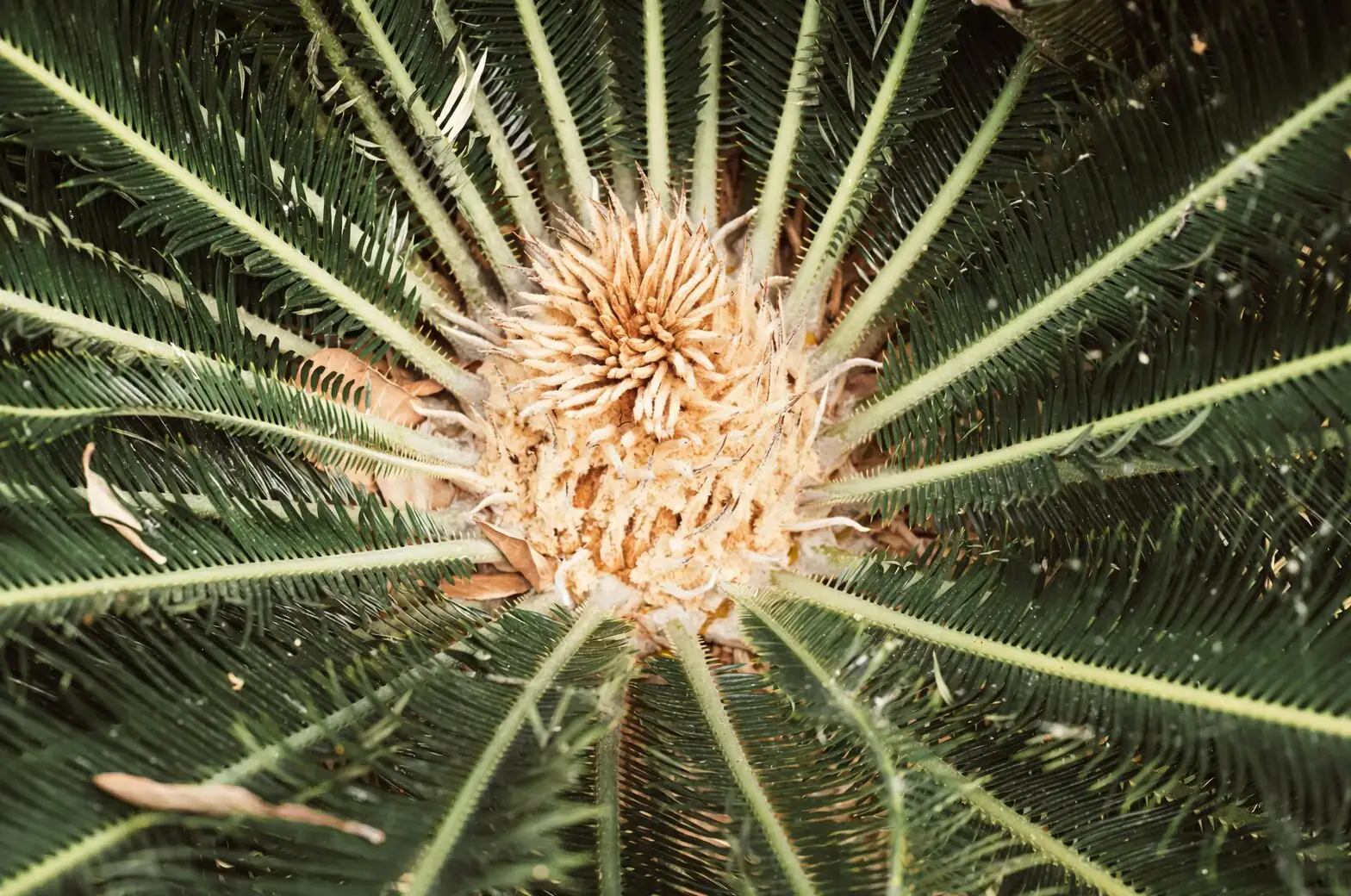
How to engineer a sago-friendly mound
- Raise the site 6–12 inches with a broad, gently sloping berm. This lifts roots above heavy soil and speeds runoff.
- Backfill recipe for in-ground plants:
- A very free-draining blend: roughly 1:1 soil-based mix and general-purpose potting mix, then add extra grit/perlite as needed to keep it fast-draining.
- Planting depth:
- Keep the caudex (trunk) above grade; never bury it.
- Backfill and water to settle—without pouring water into the plant’s central crown.
- Aftercare:
- Add a thin mulch ring for temperature buffering, but keep mulch several inches away from the caudex to prevent moisture against the trunk.
Container vs. in-ground: choosing your strategy
Containers: mobility and precision
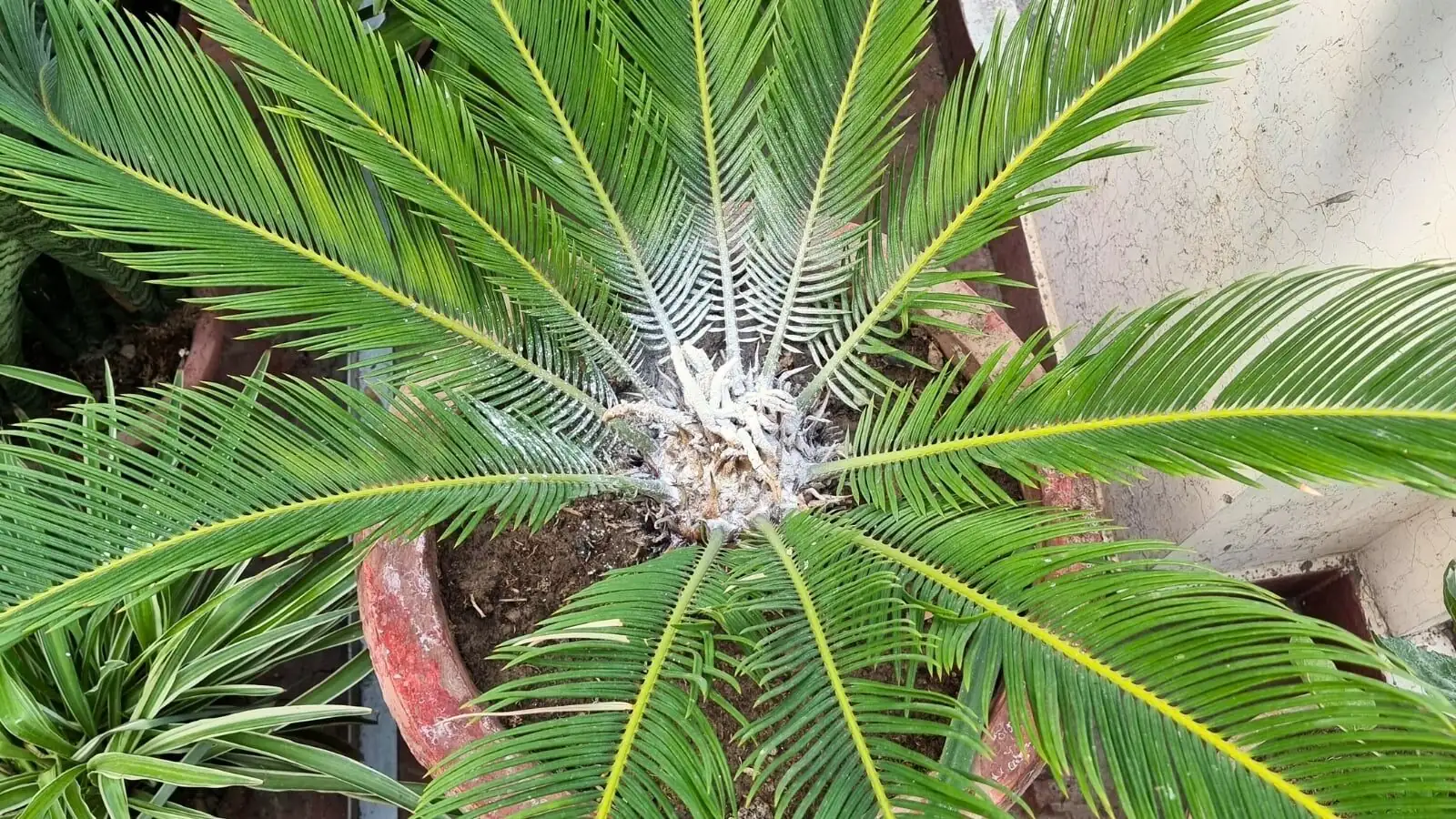
- Pot size and build:
- For typical plants around 24 inches across, a 20–30 cm (8–12 in) diameter pot works well.
- Use a gritty, free-draining mix (see blend above); ensure large drainage holes and set the pot on feet for airflow.
- Light and placement:
- Bright, filtered light outdoors; indoors, a bright window (sheer curtain for midday).
- Watering:
- Spring–autumn: water when the top of the mix has dried slightly.
- Winter: keep almost dry.
- Never pour water into the crown.
- Feeding:
- Monthly, spring through autumn, with a balanced liquid fertilizer at half strength. Easy does it—cycads dislike heavy feeding.
- Repotting:
- Roughly every 3 years or when root-bound. Upsize modestly and disturb roots as little as possible.
- Why choose a container?
- Quick retreat from a forecasted freeze. Dialed-in drainage. Root temps are easier to manage (use light-colored pots, or double-pot to buffer heat).
In-ground: presence and permanence
- Site:
- Bright with midday protection, well-drained soil, and a raised berm. Avoid sprinkler heads aimed at the crown.
- Irrigation:
- Water after the surface soil has dried slightly during the growing season. In cool seasons, water sparingly.
- Feeding:
- Light, infrequent feeding in active growth—no heavy doses.
- Why go in-ground?
- Bigger statement, slower swings in moisture, and less frequent watering in summer—if drainage is dialed.
Cold snaps and frost cloth: a smooth, fast response
When forecasts dip near freezing, move fast.
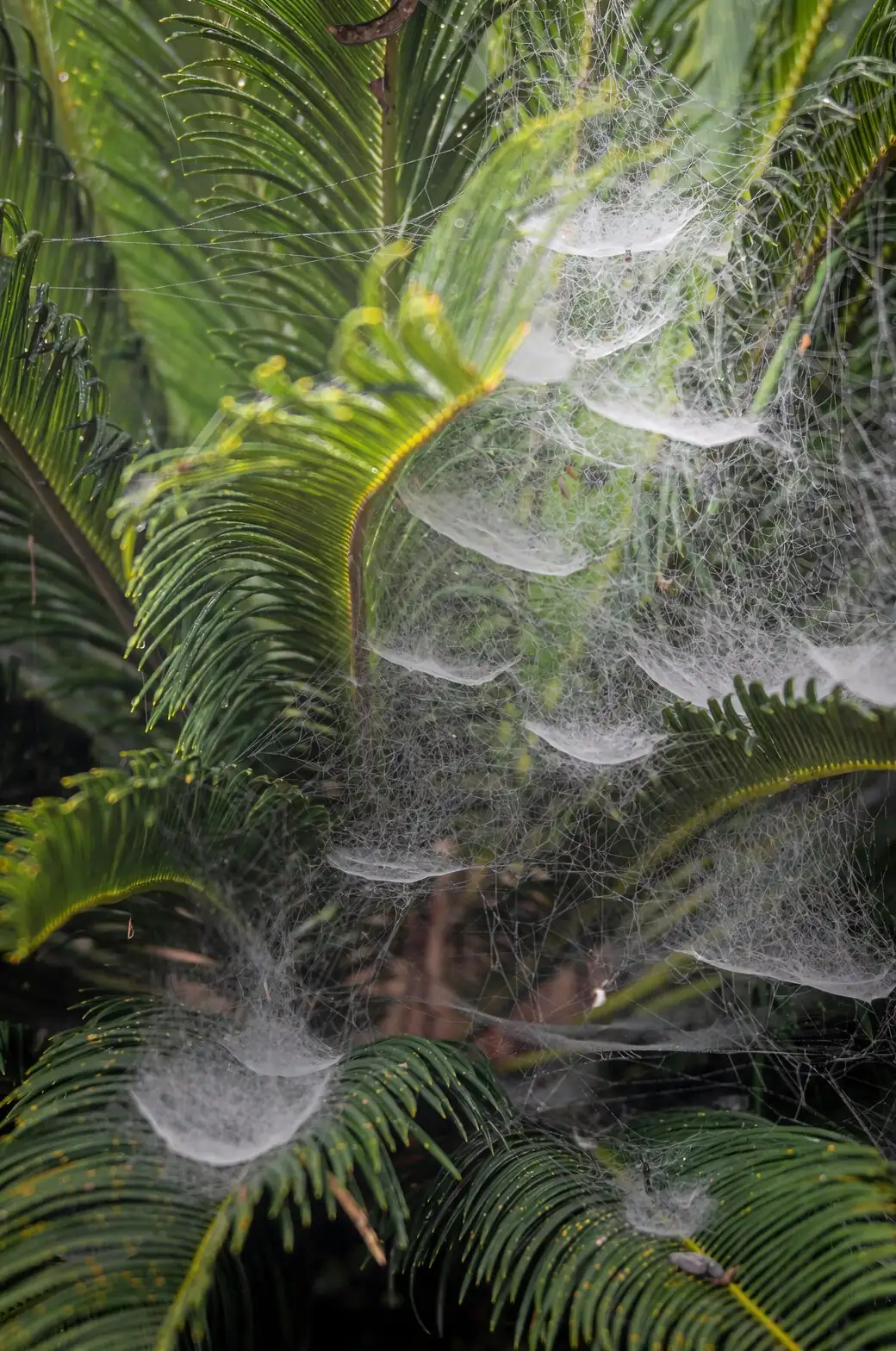
Your cold-snap checklist
- Container plants: Move to a bright, protected porch or indoors near a bright window with filtered light before temperatures hit freezing.
- In-ground plants:
- Drape with frost cloth or breathable fabric. Build a simple frame/stake cage so fabric doesn’t press on fronds.
- Anchor edges to the ground. Avoid plastic directly on foliage.
- Remove covers in the morning once temps rise to prevent trapped moisture and heat buildup.
- Soil moisture:
- Keep the root zone lightly moist but never saturated before a cold event. Moist (not wet) soil buffers temperature; standing water invites rot.
- Crown vigilance:
- Do not allow water to pool in the crown at any time—especially in cold, slow-drying conditions.
Heatwave hydration without crown rot
Sagos handle heat, but in containers and reflective sites they can cook.
- Water rhythm:
- Water early morning. Let the top of the mix dry slightly between waterings.
- In extreme heat, shade the pot and roots; avoid daily dribbles that keep media perpetually wet.
- Shade smart:
- Use 30–40% shade cloth during peak afternoons or shift containers to morning sun/afternoon bright shade.
- Keep it fresh:
- In hot, very dry spells, a light misting can help foliage look fresher—but don’t soak the crown.
- Cool the roots:
- Light-colored or double-potted containers, pot feet, and airflow prevent root “bake.”
Recovery after chill damage: patience over pruning
Cold-stressed cycads can look tragic and still rebound.
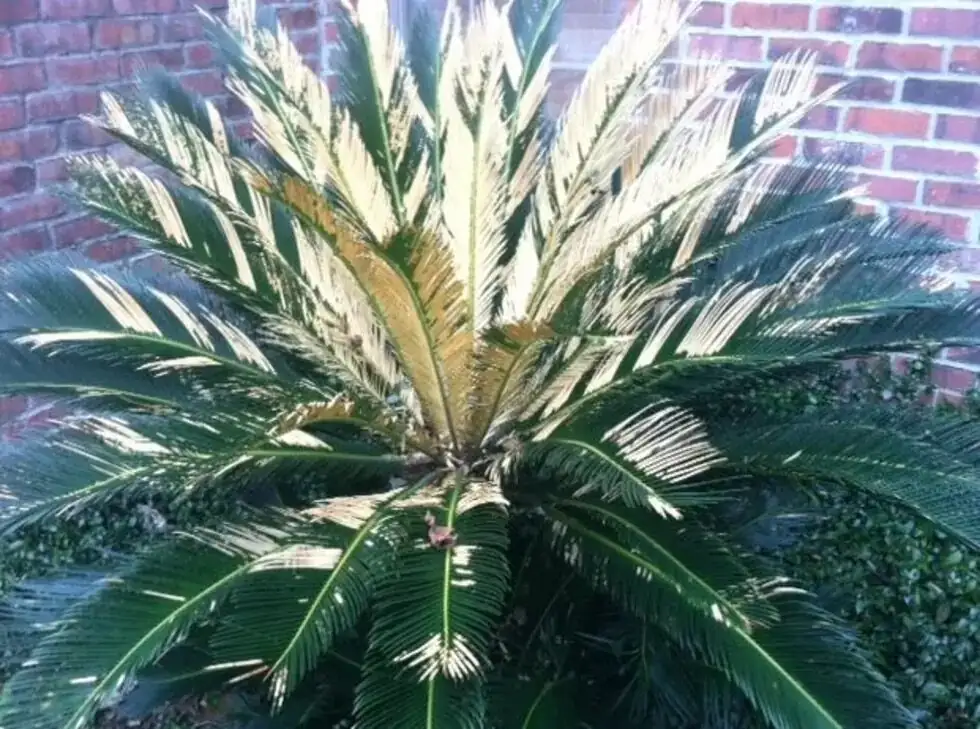
- Assess the caudex:
- Firm and clean-smelling: good sign.
- Soft, collapsing, or sour-smelling: rot risk—immediately improve drainage and airflow, keep nearly dry, and do not water into the crown.
- Pruning protocol:
- Wait. Only remove fronds that are fully brown and crispy, cutting close to the trunk with clean tools.
- Keep any green (even ugly) fronds; they feed the caudex while the plant regroups.
- Reset conditions:
- Provide bright, protected light and keep media on the dry side until growth resumes.
- Hold fertilizer until you see a fresh flush of fronds.
- Expectation setting:
- New leaves often emerge in a single “flush.” Once that’s underway, resume the normal spring–autumn routine.
Common pests in marginal-climate routines
Indoor stints and sheltering can invite pests.
- Usual suspects: Scale, mealybugs, and spider mites—often along leaf midribs and undersides.
- Tactics:
- Inspect regularly, especially during winter indoors.
- Remove small colonies by hand or with cotton swabs. Improve airflow. Treat early to prevent setbacks.
- Big-picture health:
- Overwatering is the enemy—root or crown rot can follow. Keep the mix gritty and let it dry appropriately between waterings.
A quick seasonal playbook for edge zones
- Spring:
- Increase watering as growth restarts. Feed monthly at half strength. Transition outdoors slowly to avoid sun scorch.
- Summer:
- Bright light with midday protection. Water when the top mix dries slightly; occasional misting in hot, dry spells. Watch for heat stress in containers.
- Autumn:
- Taper feeding. Start scouting night temps; prep frost cloth and a moving plan for containers.
- Winter:
- Keep almost dry. Shelter from frost and cold drafts. Bright, filtered light indoors if overwintered.
Buying and safety notes
- Choose plants with a firm trunk, deep green fronds, and clean crowns. Avoid sour-smelling soil or yellowing with wet media.
- Toxicity: All parts are poisonous—seeds especially. Keep away from children and pets, and place thoughtfully in landscapes.
A note on meaning: a “living fossil” that symbolizes staying power
In the language of plants, Cycas revoluta is often linked to longevity and resilience—fitting for a lineage that has survived since deep prehistory. That symbolism isn’t born from blooms or fragrance (cycads don’t produce typical flowers), but from form and persistence: a slow, steady caudex storing energy, fronds unfurling in deliberate flushes, and a life measured in decades. In marginal climates, honoring that pace—protecting the crown, preventing rot, and letting recovery unfold—turns symbolism into practice.
Ready to push the edge? Give your sago bright protection, high-and-dry footing, and quick cover in a cold snap, and it will repay you with decades of sculptural calm.