


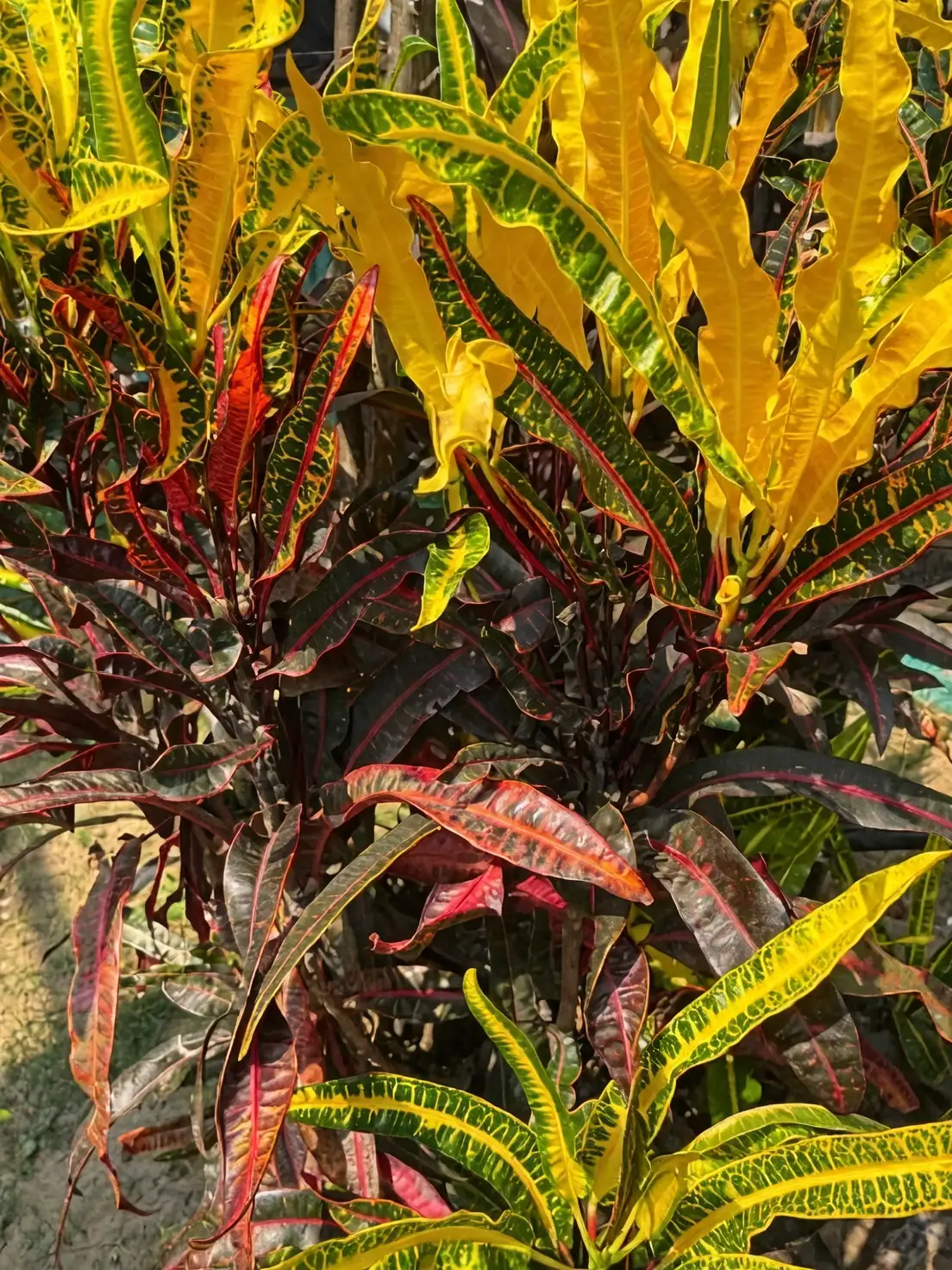
Imagine a living paintbox that never needs blooms to be spectacular. In frost-free gardens, Croton (Codiaeum variegatum) is your year-round confetti—leaves splashed with gold, pink, orange, red, and deep green in every shape from ribbons to ovals to wild corkscrews. Give it the right site and steady moisture, and this tropical show-off becomes an unforgettable hedge, foundation accent, or mass planting that looks good every single day.
H2: Meet the plant: color-forward, evergreen, and unapologetically tropical
- Botanical: Codiaeum variegatum (spurge family, Euphorbiaceae); native to tropical Asia and the western Pacific
- Habit and size: upright, evergreen, branching shrub; outdoors in true tropics it can reach about 3 m (10 ft), but is commonly kept far smaller with pruning
- What you grow it for: thick, glossy, leathery leaves with dramatic variegation; flowers are small and not the main event
- Safety note: milky sap can irritate skin; all parts are toxic if ingested—keep away from kids and pets and wear gloves when pruning
- Hardiness: frost-tender; best outdoors year-round mainly in USDA Zones 11–12
H2: The perfect site in frost-free zones
Dial in the light, shelter, and airflow and you’ll lock in the richest colors with minimal fuss.
H3: Light that locks in color
- Aim for bright, filtered light or bright shade. Morning sun with afternoon shade is excellent.
- Protect from harsh midday sun. Too much direct midday exposure can scorch or dull those signature colors; too little light pushes foliage toward greener tones.
- Ideal placements:
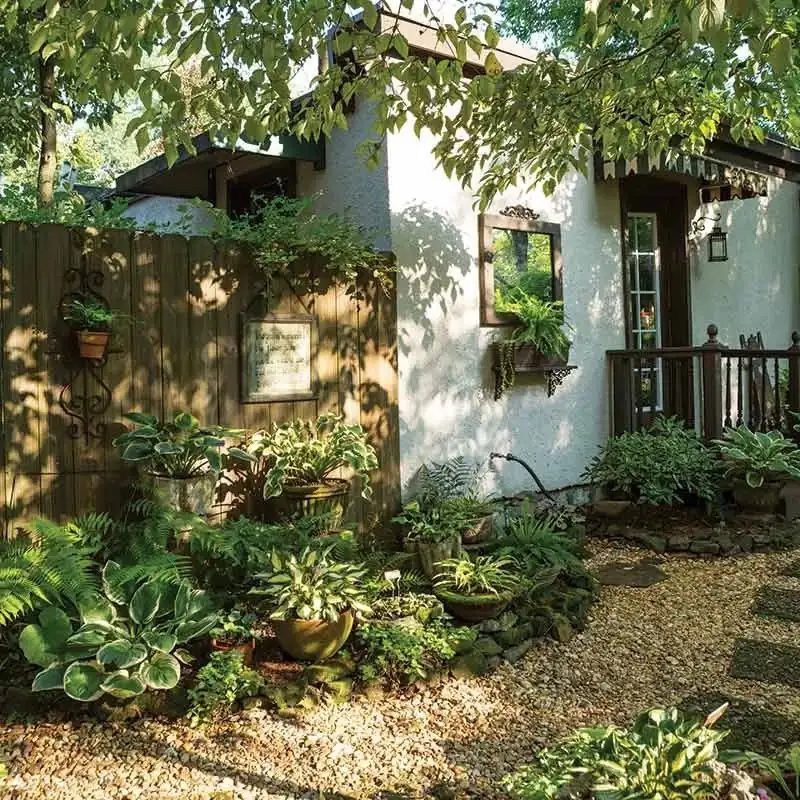
- Under high, lacy canopies (filtered “dapple” all day)
- East-facing walls for gentle morning sun
- Breezy courtyards with bright shade and reflected light
H3: Wind matters
- Shelter from dry or persistent winds. Wind stress desiccates leaves, encourages spider mites, and can trigger leaf drop.
- Use walls, fences, taller hedges, or mixed shrub borders as windbreaks. Tuck crotons on the leeward side where air still moves but gusts are softened.
H3: Heat and temperature
- Warm and steady is best: roughly 15–29°C (59–85°F).
- Cold snaps and sudden swings cause leaf drop. In truly frost-free gardens this is rarely an issue, but avoid breezy, chill-prone passages.
H2: Soil and planting prep
- Soil: fertile, well-draining, slightly acidic to neutral. Crotons love moisture but not soggy feet.
- Prep: mix organic matter into the planting area for even moisture (not a perched swamp at the hole). Mulch 5–7.5 cm (2–3 in) deep, keeping mulch off the stems.
- Drainage test: in heavy soils, raise beds or plant on gentle mounds so roots breathe.
H2: Watering routines that keep leaves lush
Think “evenly moist, never soggy.” Consistency is color’s best friend.
- Establishment (first 8–12 weeks):
- Water deeply 2–3 times weekly in hot weather, less if rains are reliable.
- Keep the root zone evenly moist; don’t let the entire profile go dry.
- Once established:
- Water when the top 2–3 cm (about an inch) of soil dries. In warm seasons this may be every 3–7 days depending on site, soil, and weather.
- New foliage that looks a bit droopy is your early thirst cue—water before true wilt sets in.
- Seasonal tweaks:
- Peak summer: maintain steady moisture and mulch; add shade cloth if reflective heat is intense.
- Cooler, dry seasons: reduce frequency but don’t allow long, complete dry-downs.
- Irrigation tips:
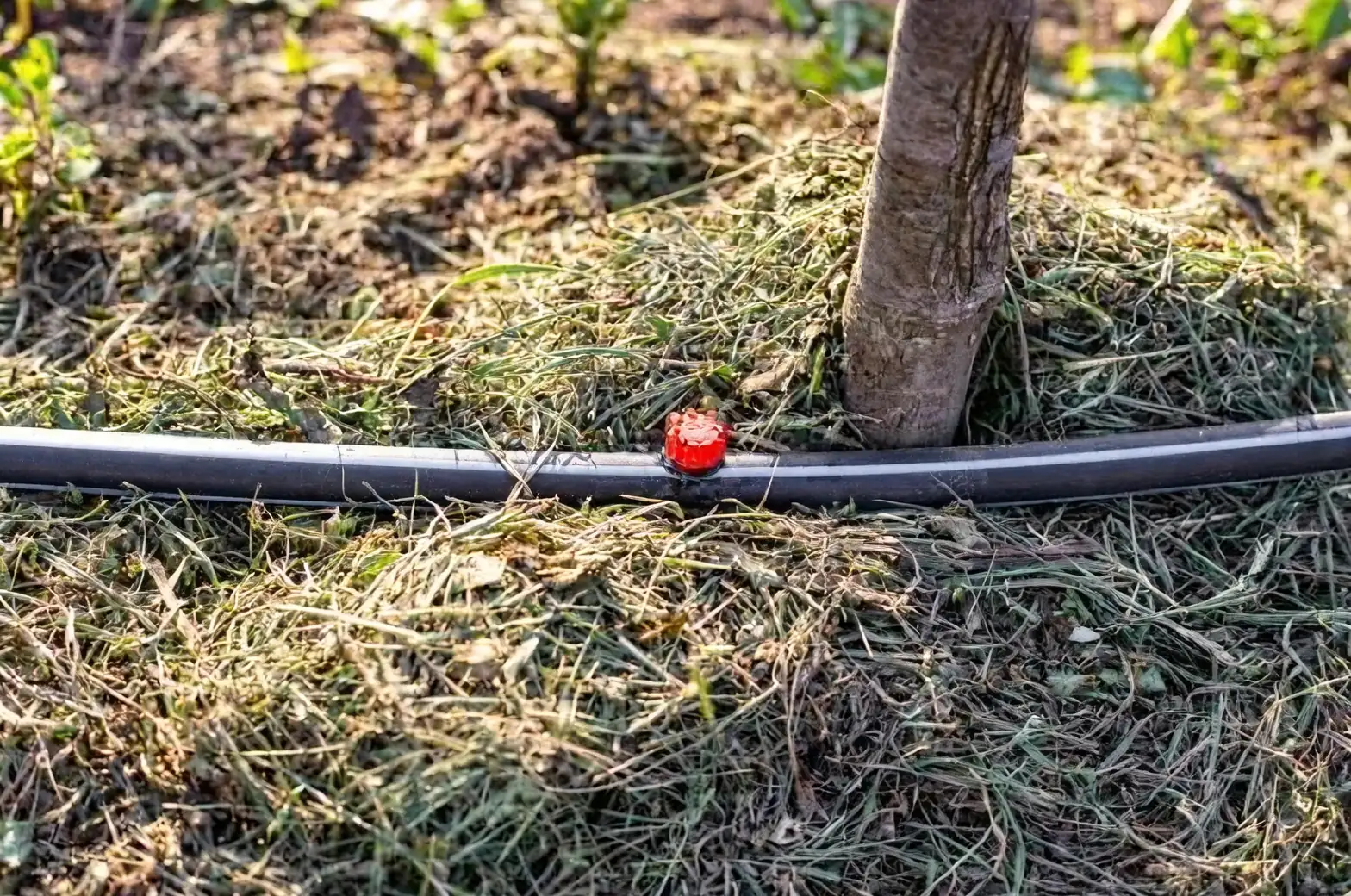
- Drip or micro-spray under the mulch line is ideal for consistent, leaf-spot-free moisture.
- Avoid chronic overwatering; waterlogged soil invites root troubles and leaf drop.
H2: Spacing for hedges and bold mass plantings
- For a tidy hedge (most medium cultivars): space 60–90 cm (2–3 ft) apart on center.
- For larger cultivars or a looser, layered look: 90–120 cm (3–4 ft).
- Ultra-dense screens: plant a staggered double row, 60–75 cm (2–2.5 ft) between plants and rows.
- Garden etiquette: give 45–60 cm (18–24 in) setback from paths; brushed leaves can stain fabrics with sap.
H2: Cultivars that hold their color outdoors
All crotons color best with bright light—but for landscapes that emphasize bright shade and midday protection, these time-tested picks shine. Actual height will vary with climate and pruning.
- Gold Dust (aka ‘Aucubaefolia’ types): green leaves heavily speckled yellow; excellent color even in bright shade; great for hedges and massing.
- Petra: bold veins of yellow, orange, and red on broad leaves; happiest in bright shade to morning sun; classic foundation accent.
- Mammy: twisted, corkscrew leaves with red, yellow, and green; compact for low hedges and borders in protected bright shade.
- Mrs. Iceton: pinks, creams, golds, and lime tones that read beautifully in filtered light; ideal as a color punctuation in mixed plantings.
- Magnificent: large leaves splashed and speckled in multicolors; holds pattern well in bright, filtered exposures.
- Eleanor Roosevelt: narrow, strap-like leaves dotted yellow over green to burgundy—great texture in lightly shaded masses.
- Red Bravo/Bravo: rich reds and oranges with strong contrast; give bright shade with a touch of morning sun to keep reds fired up.
- Corkscrew/Red Corkscrew: narrow, twisted foliage with dramatic color; thrives in wind-sheltered, bright shade spots.
Pro tip: When shopping, look at the lower, older leaves—those better predict the plant’s mature look in your garden light.
H2: Ongoing care for landscape crotons
H3: Feeding
- Spring through fall: use a balanced liquid fertilizer, either every 2 weeks at label rate (or half-strength for sensitive sites) or every 4–6 weeks at half-strength. Reduce or stop in winter.
- Slightly acid-leaning foliage formulas suit them well.
H3: Pruning and shaping
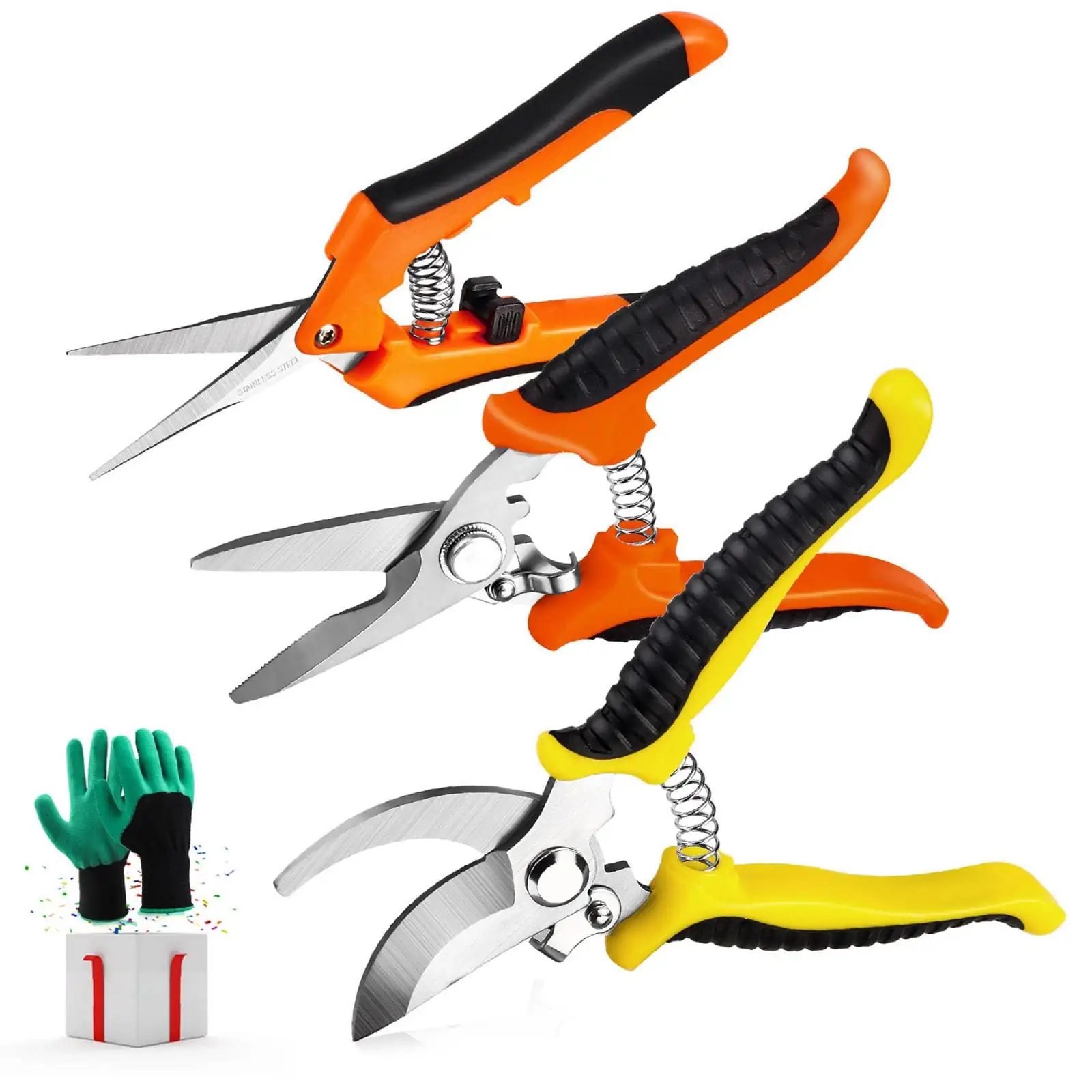
- Time it for early spring. Tip back just above leaf nodes to encourage bushiness; avoid removing more than about one-third at a time.
- Wear gloves—the sap can irritate skin and stain clothing.
- For hedges, light monthly touch-ups during peak growth keep lines crisp without shocking the plants.
H3: Pest and disease watch
- Common pests outdoors: spider mites (especially in dry, windy sites), scale, mealybugs, thrips. Increase humidity, rinse foliage periodically, and treat early with insecticidal soap or horticultural oil.
- Leaf spots (e.g., anthracnose) can occur in warm, wet spells. Remove affected leaves, improve airflow, and consider a copper-based fungicide if severe.
- Leaf drop signals stress: cold drafts, low humidity, big watering swings, sudden relocations—smooth out the conditions.
H2: Design riffs that make crotons sing
- Contrast canvas: pair with deep green shrubs to make the variegation pop.
- Tropical tapestry: weave with cordylines, gingers, or broadleaf evergreens for year-round drama.
- Texture play: mix narrow-leaf types (Eleanor Roosevelt) with broad-leaf types (Petra, Magnificent) in drifts for movement and depth.
H2: Troubleshooting color and vigor outdoors
- Greener-than-expected leaves: increase brightness—shift to a spot with morning sun or brighter filtered light.
- Scorched, dulled, or crisping edges: back off midday sun or reflected heat; add a shade sail or relocate to brighter shade.
- Chronic mites: improve humidity, reduce wind, rinse foliage, and treat promptly.
- Post-planting slump: keep moisture even, shade lightly for 1–2 weeks, then gradually acclimate to brighter conditions.
H2: Quick-start planting plan
1) Choose a bright-shade site with midday protection and wind shelter.
2) Amend soil for drainage and fertility; plant slightly high if in heavy soil.
3) Space 60–90 cm (2–3 ft) for most hedges; mulch 5–7.5 cm (2–3 in).
4) Water deeply and consistently for the first 8–12 weeks.
5) Feed lightly from spring through fall; tip-prune in early spring to keep growth dense.
6) Monitor for mites and scale; rinse foliage occasionally and treat early if needed.
H2: A note on symbolism
Crotons often symbolize transformation and creative energy—fitting for a plant whose leaves shift color as they mature and as light changes. In many households they’re gifted to mark new chapters: moves, graduations, fresh starts—a living reminder that vibrant change can be beautiful.
Wrap-up
For frost-free landscapes in USDA Zones 11–12, crotons are the foliage fireworks you can rely on every day of the year. Give them bright shade, a wind-sheltered perch, steady moisture, and a hedge’s worth of elbow room—and watch your garden glow, rain or shine.


