

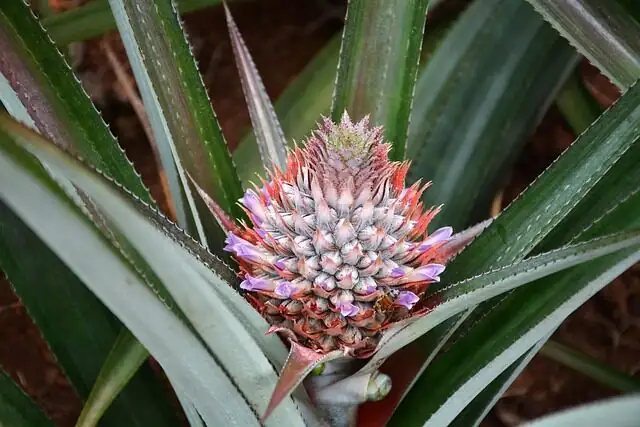
Think of pineapple as the palm-sized power plant of the edible-landscaping world: sculptural, water-savvy, and perfectly suited to small yards and balconies in frost-free places. With a rosette that rarely exceeds 3–5 feet tall and wide, and a knack for sipping water efficiently thanks to CAM photosynthesis, Ananas comosus turns tight spaces into tropical showpieces that also happen to serve dessert.
Below is your playbook for USDA Zones 10–12—how to site, space, mulch, water, and container-grow pineapple for reliable fruit in compact landscapes.
Pineapple at a glance (what makes it so space-smart)
- Botanical name: Ananas comosus (family Bromeliaceae); native to the Paraná–Paraguay River drainages between southern Brazil and Paraguay
- Habit and size: Herbaceous perennial; tight rosette of waxy, sword-like leaves; typically 3–5 ft tall and roughly as wide
- Light: Full sun for best fruiting (bright, direct light is the make-or-break factor)
- Temperature: Thrives 65–95°F (18–35°C); strongest growth around 75–80°F (24–27°C). Brief dips to about 28°F (-2°C) may occur but can damage plants—protect them. For steady growth, keep above 50–60°F (10–16°C).
- Soil: Loose, fast-draining, sandy to sandy-loam with organic matter; acidic pH 4.5–6.5
- Water: Deep, then allow the top 1–2 inches to dry; hates soggy feet
- Timeline: About 12–20 months of leafy growth, then a central flower spike; harvest typically 18–24 months from a planted crown
- Fruit: A fused “multiple fruit,” usually golden-yellow and aromatic when ripe
- After harvest: The mother declines while making offsets (slips/suckers) to continue the line
Why pineapple is a small-space star: CAM-driven water thrift
Pineapple uses CAM photosynthesis—opening tiny leaf pores mainly at night to take in CO₂—so it loses far less water than many other fruiting plants. Translation: with strong sun and warmth, it produces lush foliage and a sweet, showy fruit on surprisingly modest irrigation. Pair that natural efficiency with smart mulching and the right potting mix, and you’ll grow dessert on a water budget.
Map your microclimate (USDA 10–12)
Even in warm, coastal or urban zones, tiny microclimates decide your harvest:
- Sun traps: South- or west-facing walls, bright courtyards, and balcony railings that reflect heat and light boost sugar levels and speed growth.
- Warmth banks: Brick, stucco, and pavers radiate heat after sunset—ideal for pineapple’s tropical metabolism.
- Air movement: Pineapple likes humidity but needs airflow to avoid fungal issues. Balconies that funnel wind? Great—just buffer with a light windbreak to prevent leaf shredding.
- Cold corners: In Zone 10, be ready with frost cloth for the rare radiational frost; cluster containers near warm walls, lift pots off cold ground, and avoid low spots.
Ground-planting in tiny yards
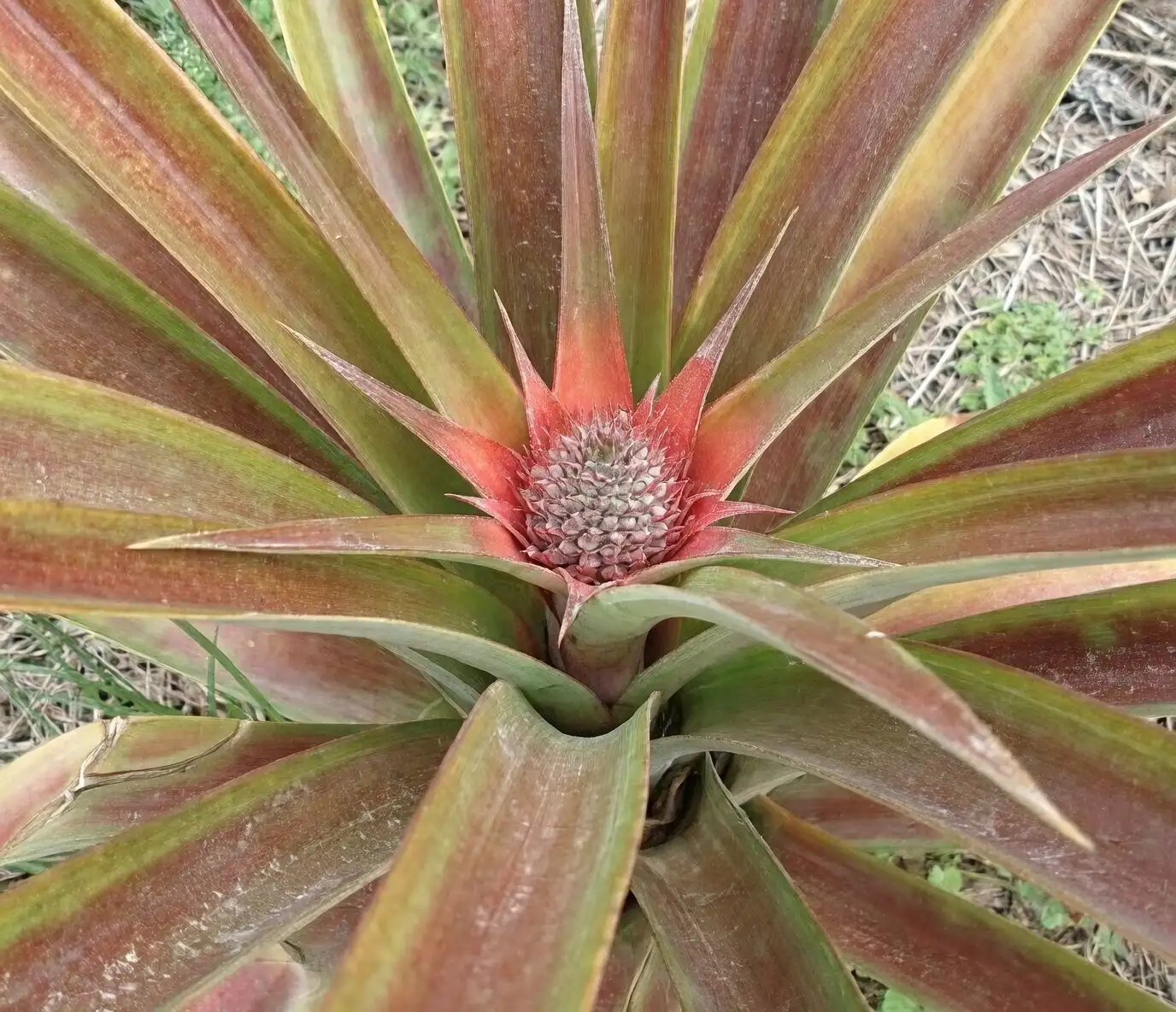
Spacing that works (and still looks great)
- Single accent: 1 plant per mound; give it a 3–4 ft circle of its own so leaves can arch without jabbing passersby.
- Tight rows or a geometric trio: 3–4 ft on center. This matches the mature rosette and keeps airflow moving.
Soil prep and pH
- Mix: Sandy or sandy-loam with chunky organic matter (pine bark fines are perfect) to keep it airy. Target pH 4.5–6.5.
- Mounds: Slightly raised mounds improve drainage—key insurance against root rot.
Mulching for moisture and cleanliness
- Use coarse, inert mulches: 1–2 inches of pine bark, coarse wood chips, or washed gravel to cool roots, minimize evaporation, and keep fruit clean.
- Keep mulch a few inches off the stem to avoid rot.
- Bonus: Pale gravel around plants reflects light back into the canopy, subtly boosting energy for fruiting.
Container strategies for balconies and patios
Pineapples shine in pots—handsome, movable, and easy to protect.
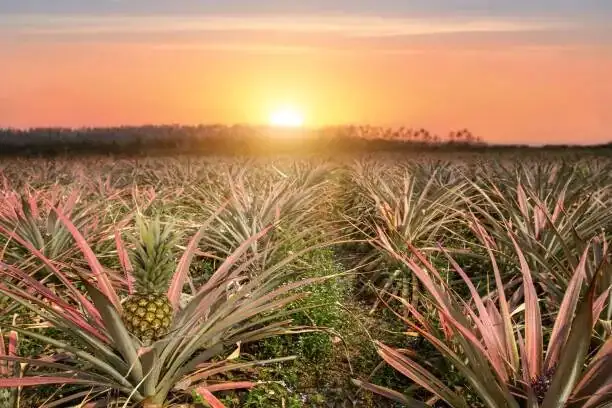
- Pot size:
- Starter crowns/young offsets: 2–3 gal (8–12 in diameter)
- Fruiting size: 7–15 gal (12–18 in diameter), wide and stable
- Mix recipe (fast-draining, acidic-leaning):
- Roughly equal parts high-quality cactus/bromeliad mix + pine bark fines, with an extra scoop of coarse perlite or pumice. Avoid heavy garden soil.
- Drainage details:
- Big drainage holes, pot feet to lift the container, and never let it sit in a water-filled saucer.
- Sun and rotation:
- Full sun. Quarter-turn the pot every couple of weeks to keep the rosette symmetrical if light is one-sided.
- Wind and weight:
- Choose broad-based, heavier pots or add a layer of gravel in the bottom to reduce tipping as the fruit develops.
Water-wise care that matches CAM

- Deep, then pause: Water thoroughly, then wait until the top 1–2 inches of mix are dry before watering again. In warm, bright weather, this might be weekly; in cooler spells, less often.
- Leaf cup management: You can moisten the central leaf “cup,” but refresh that water every 2–3 weeks and avoid leaving it stagnant in cool weather.
- Morning vs. evening: Morning watering keeps foliage drier by nightfall, which reduces disease pressure yet still supports pineapple’s overall water thrift.
Feeding for compact, steady power
- Active growth (spring–summer): Monthly feeding with a balanced, water-soluble fertilizer (e.g., around 20-10-20), or use a controlled-release product appropriate for containers.
- Light foliar/cup feeding: In warm, bright conditions, a diluted fertilizer can be lightly added to the leaf cup occasionally—just refresh the cup regularly.
- Cool season (fall–winter): Reduce water and pause or greatly reduce fertilizer. Keep plants warm for steady momentum into spring.
The timeline to fruit (and how to keep the show going)
- Months 0–12: Leaf-building phase. Your goal is strong, steady growth in full sun.
- Months 12–20: Plants with 70–80+ leaves are primed; a thick central flower spike forms. Dozens to hundreds of small, purple-to-red flowers fuse into one fruit.
- Months 18–24: Harvest. Ripe fruit turns aromatic and golden-yellow.
- After harvest: The mother plant declines. Keep a strong sucker for a second (ratoon) crop in another 12–18 months, and pot up extra suckers/slips as new plants.
Propagation that fits a balcony lifestyle
- From crowns: Twist off the fruit’s crown, trim away fruit flesh, and air-dry 1–2 days. Root in water or a moist, fast-draining mix; expect roots in 2–8 weeks.
- Slips and suckers: These offsets root quickly and often fruit sooner than crowns.
- Pro tip: Plant offsets in their own containers so each rosette gets ideal spacing and drainage.
Protection and simple problem-solving
- Cold snaps in Zone 10: Move pots under eaves, against warm walls; drape frost cloth; avoid watering at dusk when a frost is forecast.
- Overwatering flags: Limp leaves, sour smell, or a pot that feels heavy for days—back off water, improve drainage, and increase airflow.
- Pests to watch: Mealybugs, scale, thrips, and (in ground) nematodes. Use a gentle, integrated approach:
- Rinse pests from leaf axils with a firm spray.
- Spot-treat mealybugs/scale with cotton swabs dipped in 70% isopropyl alcohol.
- Apply insecticidal soap or horticultural oil in the cool of day; ensure good coverage and repeat as needed.
- Root rot prevention: Fast-draining mix, raised mounds/pot feet, and measured watering are your best defense.
Small-yard design moves that double as function
- Solo stage: A single pineapple in a gravel or bark “island” looks sculptural and keeps the spines away from traffic.
- Fruit frame: Plant a triangular trio 3–4 ft apart; underlay with pale gravel for light reflection and easy cleanup.
- Container chorus: Group three pots of staggered ages—one vegetative, one flowering, one fruiting—for a rolling harvest and a layered look.
- Kid- and pet-aware placement: Many varieties have spiny leaf edges; keep rosettes a step back from walkways.
Harvest cues and post-fruit game plan
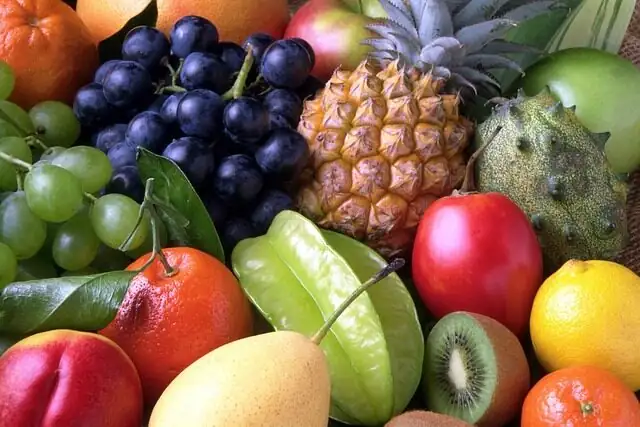
- Ripeness tells: Fruit turns mostly golden-yellow and aromatic; the eyes plump; the fruit feels heavy for size.
- Cutting: Use pruners; support the fruit with your other hand. Save the crown to replant.
- Aftercare: Decide whether to remove offsets to propagate or leave one vigorous sucker to produce a second crop.
Seasonal playbook for USDA 10–12
- Spring–summer:
- Maximum sun, warmth, and monthly feeding
- Water thoroughly with partial drying between
- Refresh the leaf cup every 2–3 weeks
- Fall–winter:
- Reduce watering; scale back fertilizer
- Maintain warmth (aim to stay above 50–60°F/10–16°C)
- In the rare cold event, protect or move containers
Safety and savor
- Edible and generally non-toxic to people and pets. Fresh pineapple contains bromelain, which can tingle or irritate mouths—cooking deactivates it.
- Leaves can be sharply toothed—gloves help during cleanup.
The meaning behind the pineapple
Pineapple has long symbolized hospitality, welcome, and abundance. This “flower language” isn’t botanical but cultural—rooted in the fruit’s rarity and expense during the Age of Exploration and colonial trade. Hosts who offered pineapple were signaling generosity and status. Today, the symbol endures as a warm invitation, a reminder that a home-grown fruit shared with friends is still the sweetest welcome.
—
With full sun, a quick-draining mix, and a water-wise rhythm that plays to pineapple’s CAM superpower, even a balcony can grow golden treasure. Start one plant each spring, keep a sucker for next year, and you’ll stack a steady, sculptural pipeline of fruit—proof that small spaces can deliver big hospitality.