

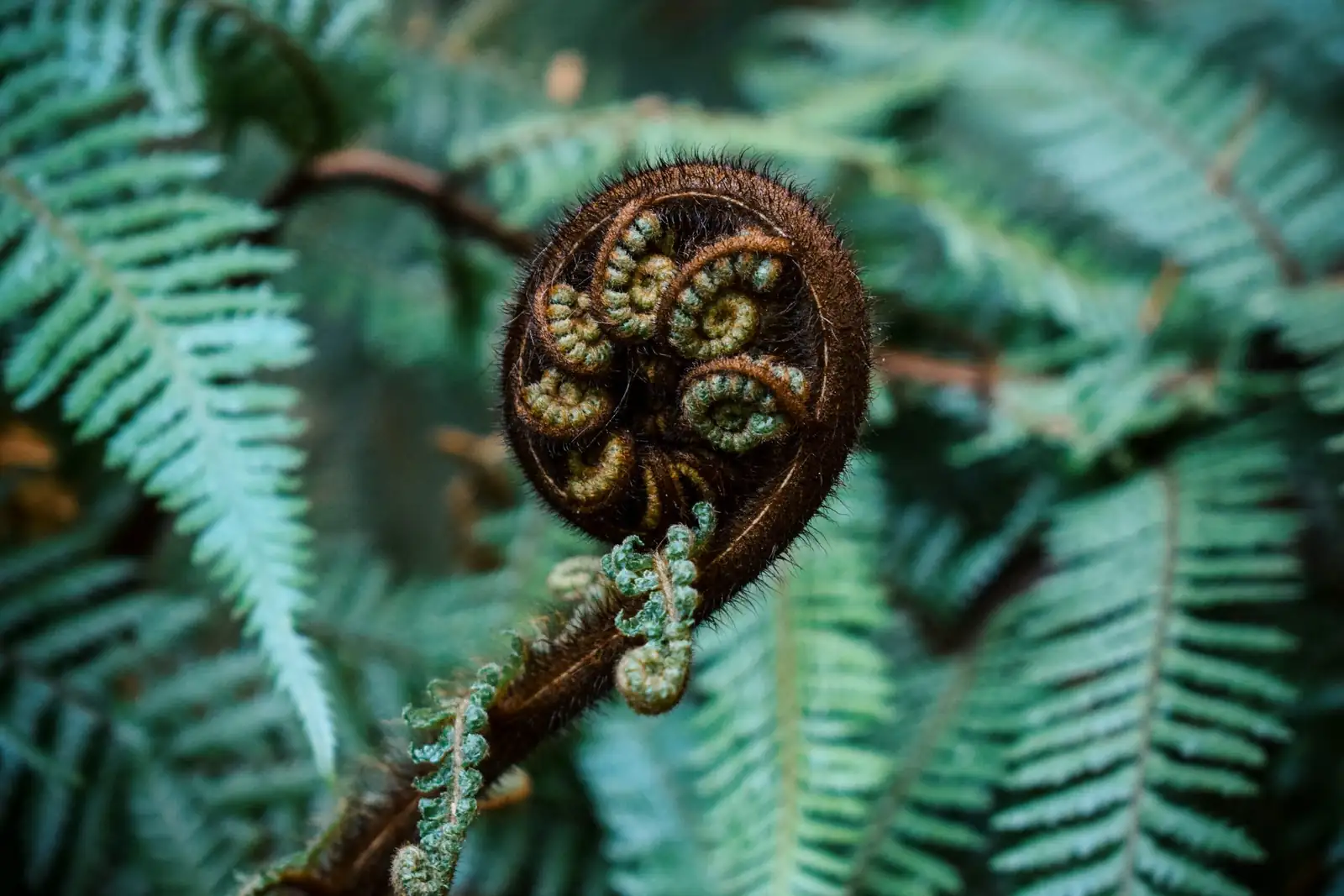
Imagine a green fountain that never flowers, yet unfurls in elegant scrolls like a violin’s neck. That’s a fern—Polypodiopsida—an ancient, humidity-loving companion that rewards you with feathery fronds if you match it to the right climate and move it gently between seasons. The secret to lush, non-crispy foliage? Pair the right fern with your USDA zone, honor its preferred indoor temperature band, and stage a smooth patio-to-living-room transition before cold nights arrive.
Meet Polypodiopsida (Ferns) at a glance
- What they are: One of Earth’s oldest plant lineages—spore-reproducing, flowerless, and fabulously textural. Roughly 381 genera live under this broad class, across multiple families like Polypodiaceae, Dryopteridaceae, and Aspleniaceae.
- Fronds, not flowers: New fronds unfurl from coiled “fiddleheads”; spores develop in tiny structures (sporangia) often clustered into sori on the undersides.
- Light: Partial shade to bright, indirect light; avoid harsh sun.
- Temperature sweet spot: 60–80°F (15–27°C). Tropical house ferns prefer to stay above 50°F (10°C) in winter; some temperate types tolerate down to about 40°F (5°C).
- Humidity: 50%+ keeps fronds plush. Bathrooms, kitchens, pebble trays, grouping, or a humidifier help.
- Soil: Loose, airy, slightly acidic, and rich in organic matter; add perlite/coarse sand for drainage and bark/fern fiber for extra lift.
Match the fern to your climate (USDA zones)
Ferns hail from both steamy jungles and shaded woodlands, so your zone determines whether they live outside year-round or become seasonal patio guests that winter indoors.
Zones 9–11: Frost-free or near-frost-free
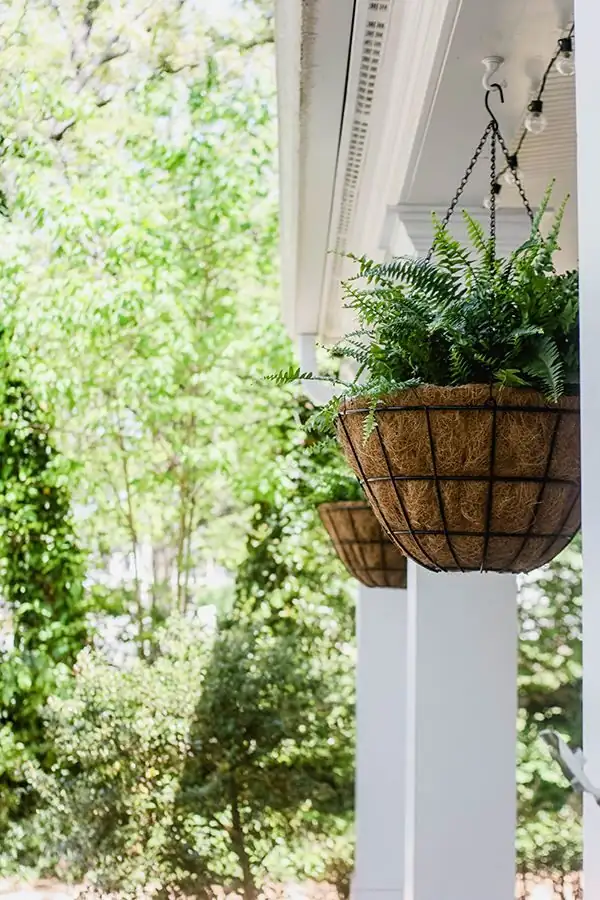
- Best fits: Many tropical house ferns (e.g., Boston fern types, bird’s nest, maidenhair, staghorn) thrive outdoors year-round in bright shade and high humidity.
- Watch-outs: Move or protect during unusual cold snaps below 50°F (10°C). Shield from direct midday sun and drying winds.
- Where they shine: Shaded porches, under trees, north/east patios, bathrooms or bright, steamy kitchens indoors.
Zones 6–8: The four-season handoff
- Warm-season outdoors: Hang or stage ferns on shaded patios spring through early fall.
- Bring them in when: Night temps consistently dip below 55°F (13°C)—beat the chill to prevent shock and browning.
- Indoors: Bright, indirect light at 60–80°F (15–27°C) with 50%+ humidity. Keep away from heat vents and cold drafts.
Zones 3–5: Short summers, indoor stars
- Treat most potted ferns as summer patio guests: Enjoy them outside in bright shade when nights are mild.
- Transition inside earlier: Start the move once nights trend below 60°F (16°C) to ease acclimation.
- Winter: Indoors with humidity support; some temperate species in containers can rest cool (around 40–50°F/5–10°C) if kept barely moist and draft-free.
Tip: For in-ground selections in your region, consult a local nursery for temperate fern species proven hardy on-site. Many house ferns remain frost-tender and are better kept in containers you can shift with the seasons.
Indoor temperature bands that keep fronds lush
- Growing comfort: 60–80°F (15–27°C)
- Tropical minimums: Keep above 50°F (10°C) in winter
- Temperate types in rest: Some tolerate about 40°F (5°C), provided they’re protected from drafts and kept just moist
- Avoid: Sudden swings, heater blasts, and cold doors/windows that cause frond tip browning
The patio-to-living-room transition plan (your 7–10 day “soft landing”)
Prevent brown fronds by acclimating slowly and dialing in humidity.
- Pre-move shade shift (days 1–3)
- Slide the plant to deeper patio shade so indoor light feels similar. Trim any dead or damaged fronds at the base.
- Pest check and clean-up (day 3–4)
- Inspect undersides for scale, aphids, spider mites. Rinse dust off fronds with a gentle shower; let dry thoroughly. Treat early with insecticidal soap or horticultural oil if needed.
- Staggered entry (days 4–7)
- Bring plants indoors at night and return outdoors by day for 2–3 days, then keep inside. Place in bright, indirect light (north/east window or filtered south).
- Humidity ramp
- Set a pebble tray under the pot, group with other plants, or run a small humidifier nearby. Aim for 50%+ RH.
- Watering shift
- Indoors, growth slows. Keep the mix evenly moist—never soggy. Water when the top 1 inch (2–3 cm) feels slightly dry. Use room-temperature water; rainwater is a plus.
- Feeding pause
- Hold fertilizer for 4–6 weeks after the move. Then feed lightly once a month in spring/summer only, diluted to half strength. Skip fall and winter.
- Placement finesse
- Keep away from heater vents and cold doors. Rotate the pot every week or two for even growth.
Overwintering strategies that work
- Bright, humid rooms (active growth)
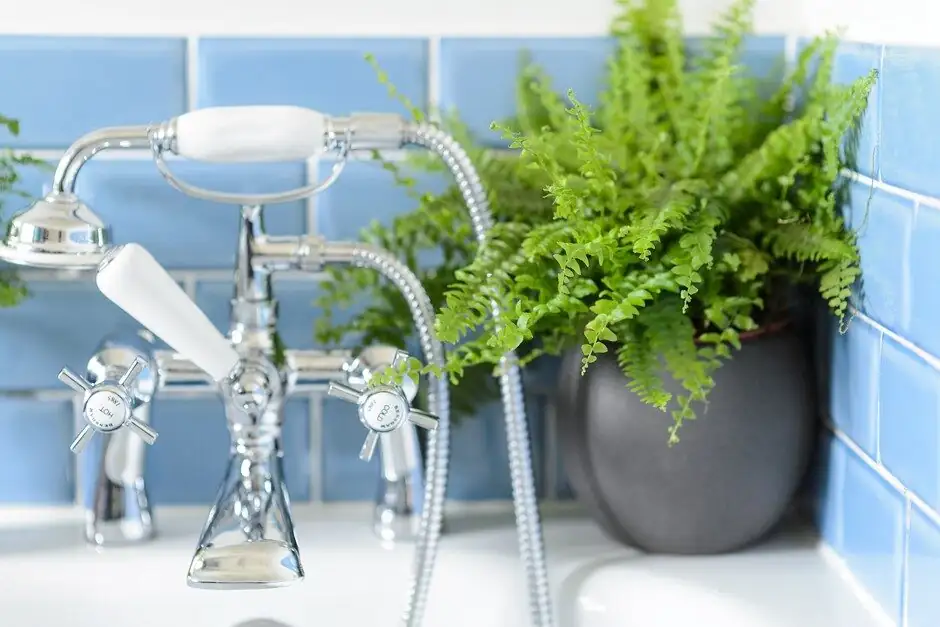
- Bathrooms or kitchens are fern heaven. Maintain bright, indirect light, steady moisture, and 50%+ humidity.
- Cool, bright rest (for temperate container types)
- 40–50°F (5–10°C), minimal watering to keep the root ball just moist. No feeding. Protect from drafts and handling.
- Porches in mild winters
- In frost-free zones, many tropicals stay outside in sheltered shade. If a cold snap looms below 50°F (10°C), move them indoors temporarily.
Preventing brown fronds: the five big levers
- Humidity: Keep 50%+; crisp tips shout “air too dry.”
- Light: Bright, indirect only. Direct sun scorches; too dim makes fronds weak and pale.
- Water: Evenly moist, not soaked. Good drainage. Never let the root ball bone-dry.
- Temperature and drafts: Maintain 60–80°F (15–27°C). Avoid blasts from heaters/AC and cold windows.
- Soil and feeding: Use an airy, organic-rich, slightly acidic mix (peat or leaf mold + perlite/coarse sand; add bark/fern fiber). Feed lightly in spring/summer only, half-strength.
Species snapshots for home and patio
- Boston fern types (Nephrolepis exaltata)
- Lush, arching fronds for hanging baskets. High humidity, bright shade. Bring indoors before nights drop below 55°F (13°C). Water generously but don’t waterlog; monthly gentle feeding in spring/summer.
- Maidenhair fern (Adiantum raddianum)
- Lacy and sensitive. Never let the soil fully dry. Thrives at 60–75°F (15–24°C) with superb humidity. Avoid drafts; filter light well.
- Bird’s nest fern (Asplenium nidus)
- Wide, wavy fronds from a central “nest.” Tolerates a touch drier than frillier ferns but still likes steady moisture. Water soil, not the crown.
- Button fern (Pellaea rotundifolia)
- Round, bead-like leaflets on wiry stems. Likes bright, filtered light and a slightly drier, very well-drained mix. Keep above 50°F (10°C).
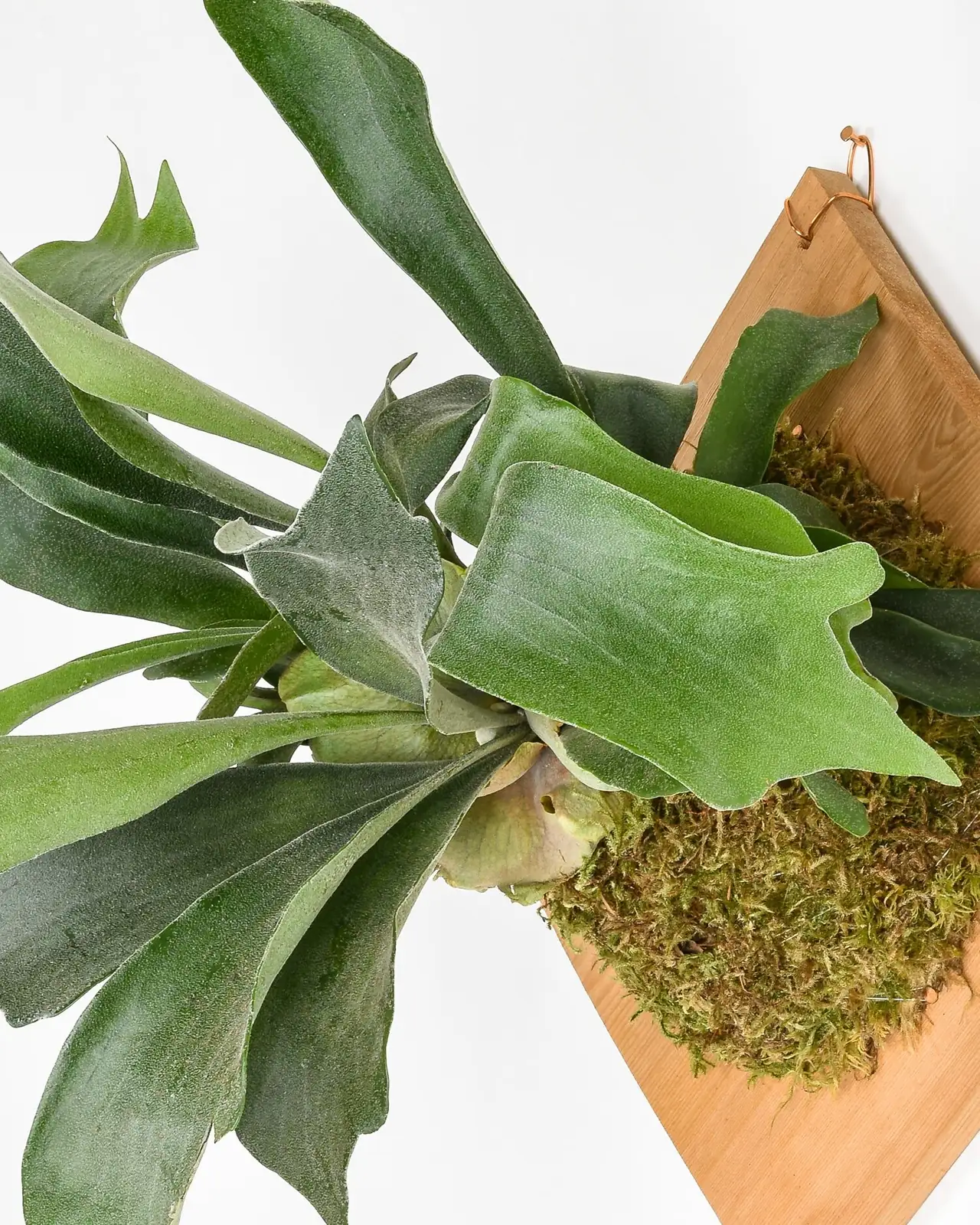
- Staghorn fern (Platycerium bifurcatum)
- Mounted showpiece. Bright, indirect light, excellent airflow. Hydrate the root pad thoroughly, then let it lightly dry; protect from temps below the mid-50s°F (13°C).
The easy-care fern routine
- Watering: In spring/summer, water when the top 1 inch is slightly dry—often 2–3 times weekly depending on heat and humidity. In fall/winter, reduce but never let the root ball fully dry out.
- Feeding: Once a month in spring/summer at half strength. None in fall/winter.
- Pruning: Snip yellowed or browned fronds at the base with clean scissors.
- Repotting: Every 1–2 years in spring. Many ferns like shallower pots; keep some original soil to reduce shock.
- Propagation: Division in spring is easiest. Spore growing is slow and advanced.
Seasonal care calendar
- Spring (Mar–May): Growth surges. Repot/divide if needed. Resume monthly feeding. Increase watering.
- Summer (Jun–Aug): Keep out of hot sun; maintain humidity; watch for heat stress.
- Fall (Sep–Nov): Begin the indoor transition before nights cool; reduce watering; stop fertilizing.
- Winter (Dec–Feb): Steady, lighter watering; keep warm and draft-free; boost humidity.
Troubleshooting quick hits
- Brown, crispy tips: Dry air or too much direct sun. Raise humidity, shift to bright indirect light, keep soil evenly moist.
- Wilting/drooping: Either underwatered or roots are rotting. Check the pot: water if dry; if soggy or smelly, improve drainage and repot.
- Slow leaf loss: Normal aging of outer fronds. Heavy drop signals stress—check humidity, watering, drafts, and pests.
Health, pests, and safety
- Common pests: Scale, aphids, spider mites (less likely with high humidity). Treat early with insecticidal soap or horticultural oil and improve airflow.
- Diseases: Leaf spots/anthracnose from persistently wet foliage; water the soil, not the fronds, and improve air movement. Root rot comes from overwatering—fix drainage and adjust schedule.
- Toxicity: Most commonly grown house ferns are considered non-toxic to people and pets. Avoid ingestion of unknown species; bracken fern (Pteridium aquilinum) can be harmful if eaten. Very sensitive individuals may experience mild respiratory irritation from spores—ventilate well.
Folklore, meaning, and the mythic “flower”
Ferns don’t bloom—ever—yet cultures have long given them a “flower language”: resilience, new life, fertility, and protection. In Victorian times, “Pteridomania” made fern motifs wildly fashionable, and in European folklore, the imaginary fern “flower” of Midsummer’s Eve promised luck or hidden treasure. The symbolism sticks because ferns feel like survivors—delicate-looking yet enduring, ancient yet fresh.
—
When you sync a fern’s species with your USDA zone, keep indoor temps in its comfort band, and choreograph that patio-to-living-room waltz, you trade crispy tips for cascading green. Think steady moisture, soft light, and a humidity halo—and those fiddleheads will keep unfurling all year.