

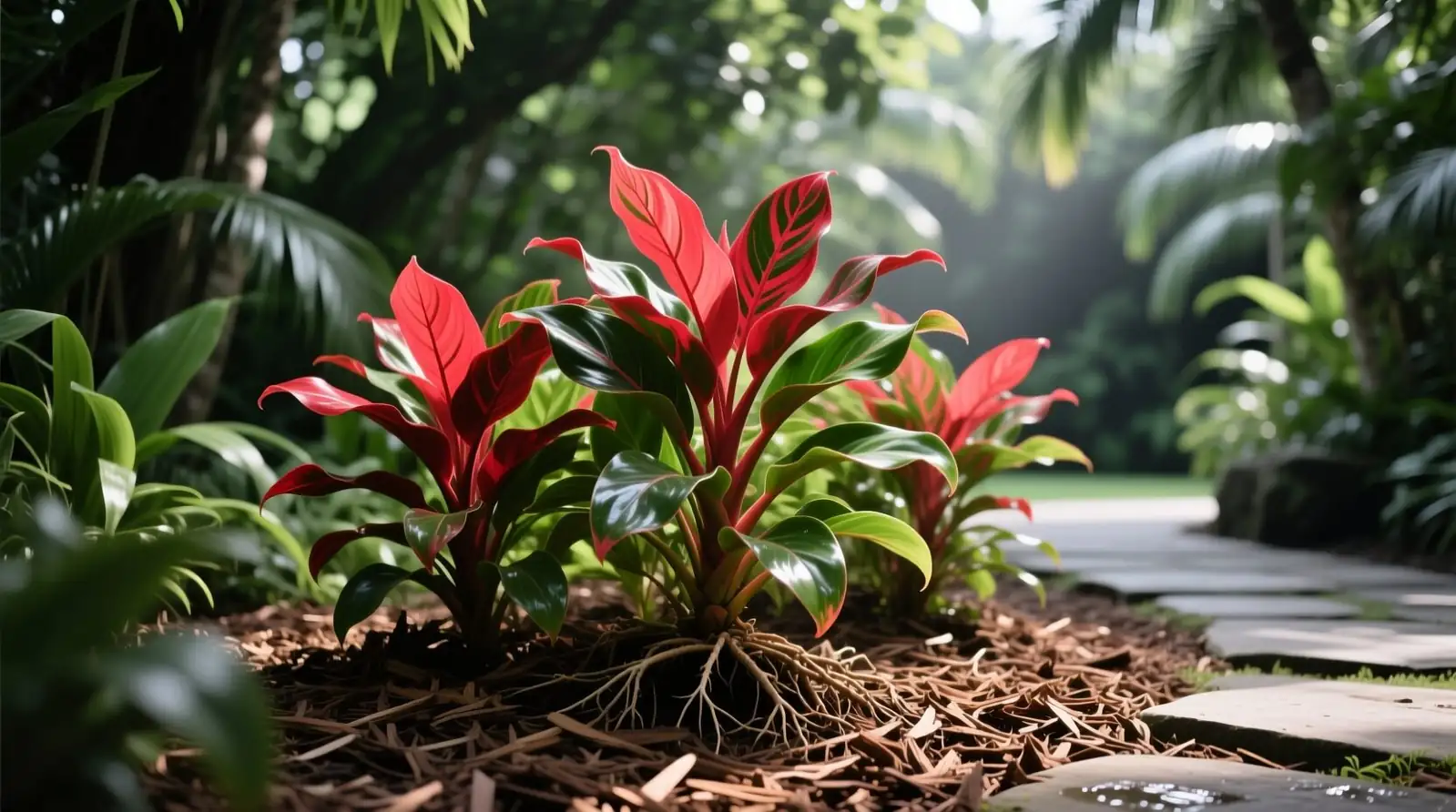
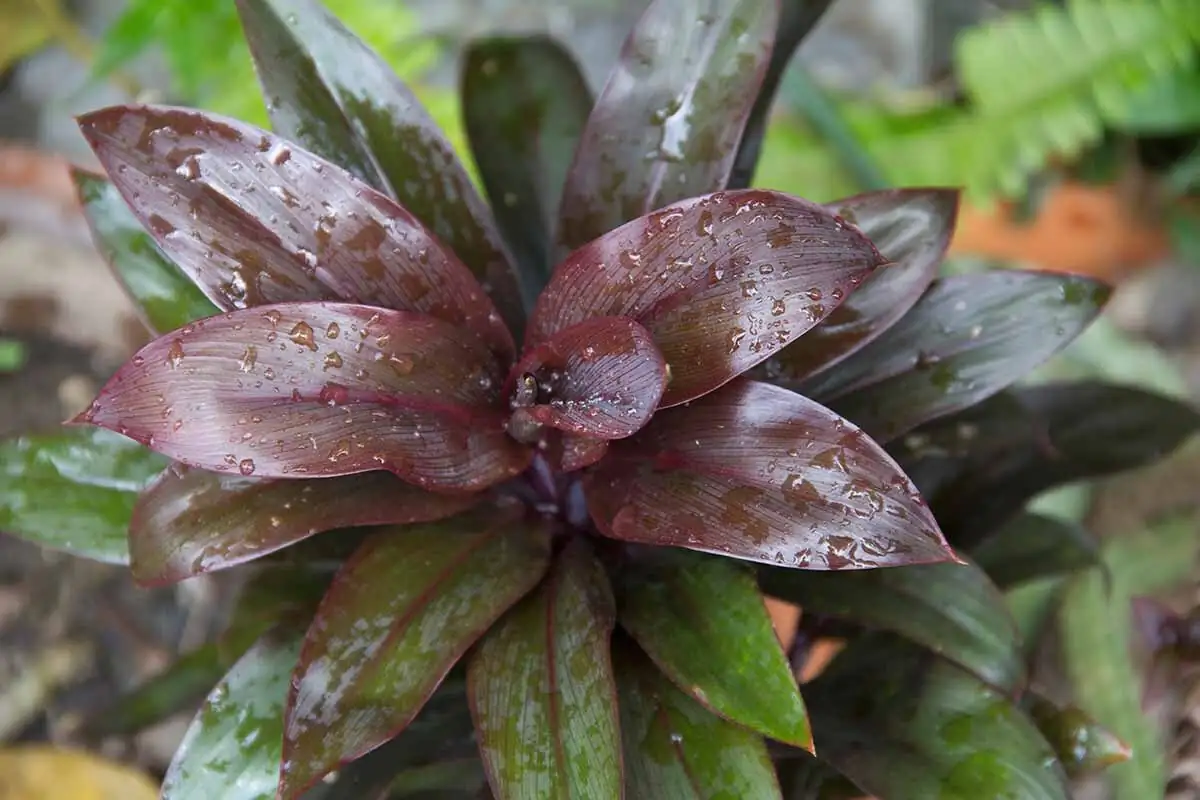
Picture a living paintbox that actually prefers a little shade. Cordyline fruticosa—better known as Ti Plant—brings island drama to warm gardens without demanding blazing sun. In USDA Zones 10–12, it’s a standout for filtered-light beds, lath-house patios, and lush understories where saturated burgundy, neon pink, and variegated lime-and-cream foliage glow rather than scorch. Here’s how to site, pair, and mass Ti for show-stopping color blocks in the tropics and subtropics.
Meet Ti: the filtered-light colorist
- Botanical profile: Cordyline fruticosa (Asparagaceae), a warm-climate, upright, woody-stemmed shrub with fountains of long, strap-like leaves in vivid greens, reds, pinks, and stripes.
- Origins and vibe: Native to Southeast Asia through the western Pacific; culturally iconic across the Pacific (especially Hawai‘i) where its leaves are widely used in decoration.
- Foliage first: Small, starry flowers may appear in summer in warm climates, but Ti is grown for its leaves.
- Best climates: Frost-free gardens (approximately USDA 10–12). Keep above 5°C (41°F) to prevent leaf damage.
Siting in Zones 10–12: filtered light and foolproof drainage
Find the light sweet spot
Think bright, filtered light—not the blowtorch of midday sun.
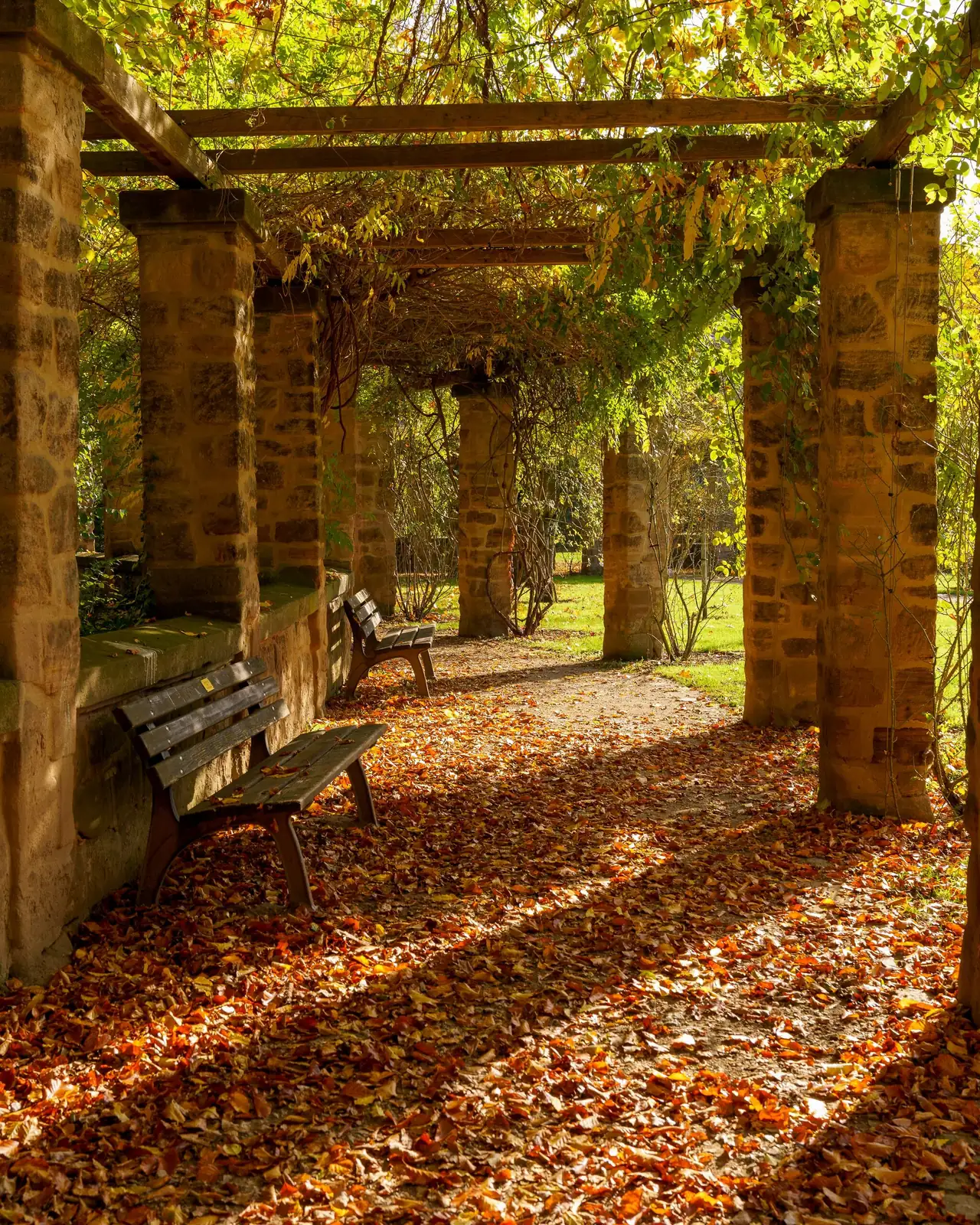
- Aim for dappled shade or bright indirect light under open canopies (palms, plumeria, frangipani) or a pergola with slats/shade cloth (30–50%).
- East or northeast exposures with gentle morning sun are prime; avoid harsh, reflected heat on west- or south-facing walls.
- Summer strategy: provide strong midday shade to prevent leaf scorch; acclimate nursery-fresh plants over 10–14 days before exposing them to brighter sites.
- Wind counts as “dry sun”: shelter Ti from hot, desiccating winds to keep leaf edges pristine.
Build drainage into the design
Ti loves even moisture but hates wet feet. Design the bed to drain before you plant.
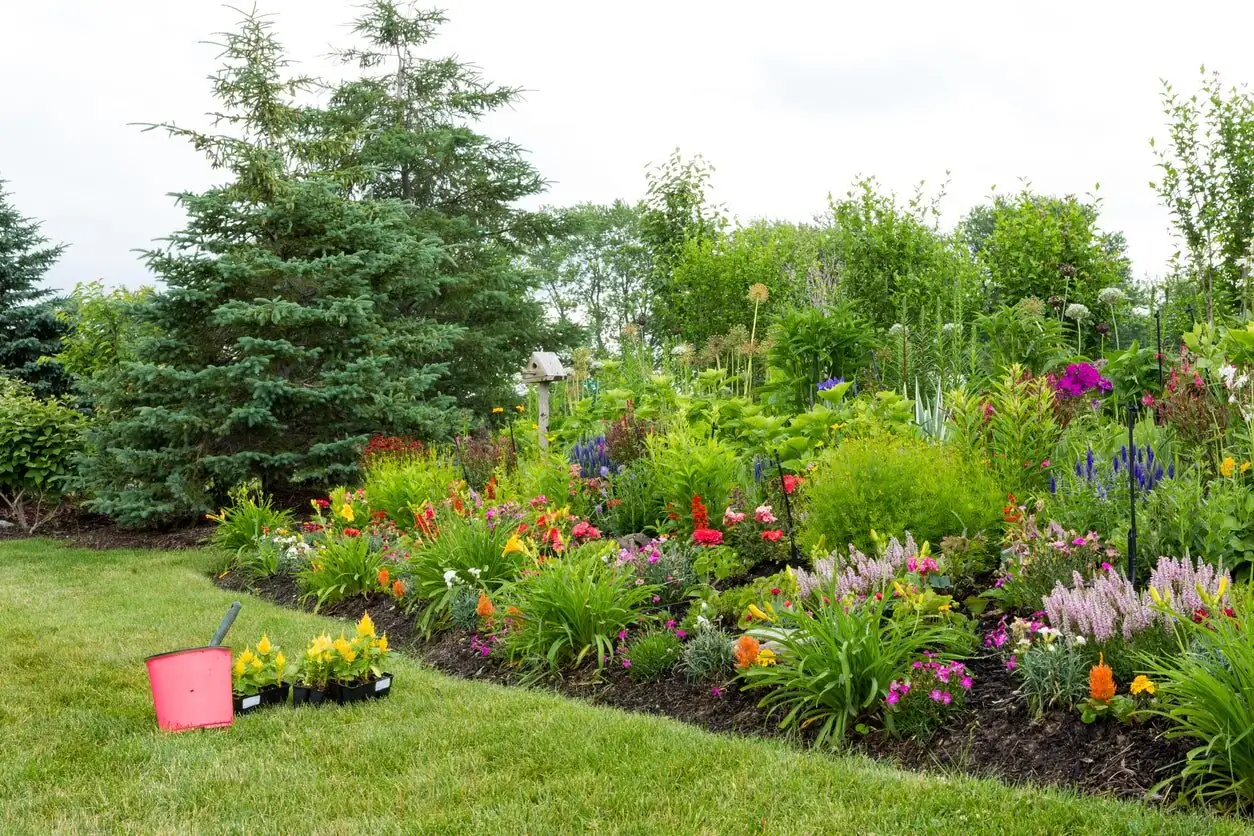
- Raise the grade: create a 6–12 in berm or mound where rainfall is intense or soils are slow-draining. Slope the surface so water can’t pool around canes.
- Mix for air: blend organic matter with a coarse, mineral fraction (quality planting soil + leaf mold/compost + coarse sand or perlite). The goal is a free-draining, airy root zone that stays lightly moist—not sodden.
- Test first: fill a 12 in–deep test hole with water; if it hasn’t drained within 2–3 hours, raise the planting or improve soil texture further.
- Plant high: set the root ball slightly above surrounding grade; keep mulch a few inches off the canes.
- Irrigate wisely: use drip or spot emitters at the soil line; avoid routinely wetting foliage to reduce leaf spot and anthracnose risk.
Color without scorch: how to mass and mix Ti
Ti rewards boldness. Use repetition and scale for painterly impact while protecting those saturated leaves.
Size your color blocks
- Mass in drifts of a single cultivar—3, 5, or 7 plants—on triangular spacing for a full, continuous color field.
- Repeat the same drift two or three times along a path or pool edge to carry the eye.
- Back the drift with deep-green, shade-tolerant foliage to make hot pinks and burgundies pop.
Place the right color in the right light
- Deep greens: the most forgiving in shade—great for darker pockets.
- Pink/burgundy/variegated forms: brightest color in bright, filtered light with protection from midday sun. In all cases, avoid harsh midday exposure to prevent crisping.
- Keep vigor without fade: feed during the growing season and avoid overdoing nitrogen (which can push greener growth); adequate potassium supports leaf quality.
Buffer heat, lift humidity—without wet leaves
- Use living windbreaks (hedges, palms) to soften hot, dry flow.
- Cluster plantings to create their own cooler, moister microclimate.
- Water early and at soil level; allow foliage to dry promptly if it gets wet.
Perfect partners: shade-tolerant tropicals that flatter Ti
Blend textures and leaf sheens so Ti’s colors sing in filtered light. Always match companions to the same drainage standard.
- Architectural foliage
- Philodendron (self-heading types) and Monstera deliciosa for bold, glossy contrast
- Dieffenbachia and Aglaonema for patterned greens and creams
- Anthurium (foliage or flowering) for lacquered leaves and red spathes
- Ferny softness
- Bird’s-nest fern (Asplenium nidus)
- Boston fern (Nephrolepis exaltata), in raised pockets with consistent moisture
- Gingers for rhythm and height (in the same bright shade)
- Shell ginger (Alpinia zerumbet)
- Curcuma ornamentals for seasonal blooms
- Bromeliads for rosettes and puddles of color
- Neoregelia, Vriesea, Aechmea tucked at Ti’s feet for jewel-toned, low care drama
- Shade palms to cast dapple and frame the scene
- Lady palm (Rhapis excelsa), bamboo palm (Chamaedorea seifrizii), or fan-like Licuala grandis
- Ground and edging
- Mondo grass (Ophiopogon) to outline drifts
- Caladium for seasonal, painterly leaves beneath Ti in summer shade
Design note: Gingers and some aroids like more consistent moisture; keep the entire bed free-draining, then direct slightly more irrigation to their root zones, not Ti’s crown.
Three ready-to-plant recipes (USDA 10–12)
- Poolside glow (bright, dappled light)
- Front: Neoregelia bromeliads in a 12–18 in ribbon
- Middle: A 5-plant drift of hot-pink Ti, 24–30 in apart
- Back: Lady palm clump to cast filtered shade
- Entry courtyard, morning sun/afternoon shade
- Front: Mondo grass edging
- Middle: Variegated Ti drift paired with Anthurium (foliage type)
- Accent: Shell ginger to one side for arching stems and motion
- Lath-house jungle walk
- Alternating burgundy and lime-striped Ti in repeating islands
- Pockets of bird’s-nest fern and Vriesea between
- A single Monstera deliciosa as a focal anchor
Planting and care rhythm for warm gardens
Planting day
- Shape a low berm; amend for airiness and fertility.
- Plant Ti with the root ball slightly high; backfill and settle with water.
- Mulch 2–3 in deep, keeping canes clear to prevent rot.
Watering and feeding
- Water when the top 1 in of soil is dry; keep evenly, lightly moist—never waterlogged.
- Ti dislikes drying out completely but handles brief dry spells once established.
- Growing season (roughly May–September): feed every 2 weeks with a balanced liquid fertilizer. Go easy on nitrogen; ensure potassium is adequate for leaf quality. Pause or reduce feeding when growth slows.
Light and heat management
- Provide strong midday shade in summer.
- In cool snaps, shield plants and keep above 5°C (41°F) to avoid edge scorch.
Pruning and shaping
- Strip naturally yellowing lower leaves for a tidy skirt.
- If canes get leggy, cut back to prompt branching and a fuller crown.
Propagating for more color blocks
- Stem cuttings (June–October): 4–6 in tips with 5–6 leaves; root in moist sand/perlite. Expect roots in about 4 weeks.
- Air-layering (May–June): roots in 5–6 weeks—great for cloning favorite cultivars for matched drifts.
Troubleshooting
- Yellowing tips or leaf spot: often linked to overwatering or persistently wet foliage. Improve drainage/airflow and water at soil level.
- Scale insects: treat early with horticultural oil or insecticidal soap; repeat as needed.
- Browning or spotting in deep shade: move to brighter filtered light and improve airflow.
Safety, symbolism, and placing with purpose
- Pet safety: Potentially toxic to cats and dogs if chewed—site away from pet play zones.
- Symbolism: Across the Pacific, Ti is linked with good luck and protection; its leaves feature in festive decoration. Planting a welcoming drift by the entry plays into that tradition—and it looks fantastic.
Quick checklist for scorch-free, saturated Ti color
- Bright, filtered light; protect from harsh midday sun and hot winds.
- Free-draining bed (raised if needed) with airy, organic-rich mix.
- Even moisture, never waterlogged; drip at soil level.
- Mass single cultivars in drifts; repeat for rhythm.
- Partner with shade-tolerant tropicals that share similar moisture needs.
- Feed lightly and regularly in the growing season; don’t overdo nitrogen.
- Prune for tidy skirts and fuller crowns; propagate to expand your palette.
- Keep above 5°C (41°F); give summer shade, winter protection.
Design Ti with the painter’s confidence it deserves—place the light, shape the drainage, and let those color blocks hum. In USDA Zones 10–12, filtered sun and thoughtful pairing turn this “good luck” plant into a guaranteed scene-stealer.