
If you’ve ever misted an air plant and watched the leaves perk up as if they were sipping through a million tiny straws—well, that’s not far from the truth. Tillandsia, the sculptural bromeliads better known as air plants, wear their plumbing on the outside. Their leaves are cloaked in trichomes—microscopic, shield‑shaped scales—that drink, filter light, and even change how we see color at bloom time. Learn their leaf logic, and care indoors becomes wonderfully simple.
Trichomes 101: The leaf scales that do it all
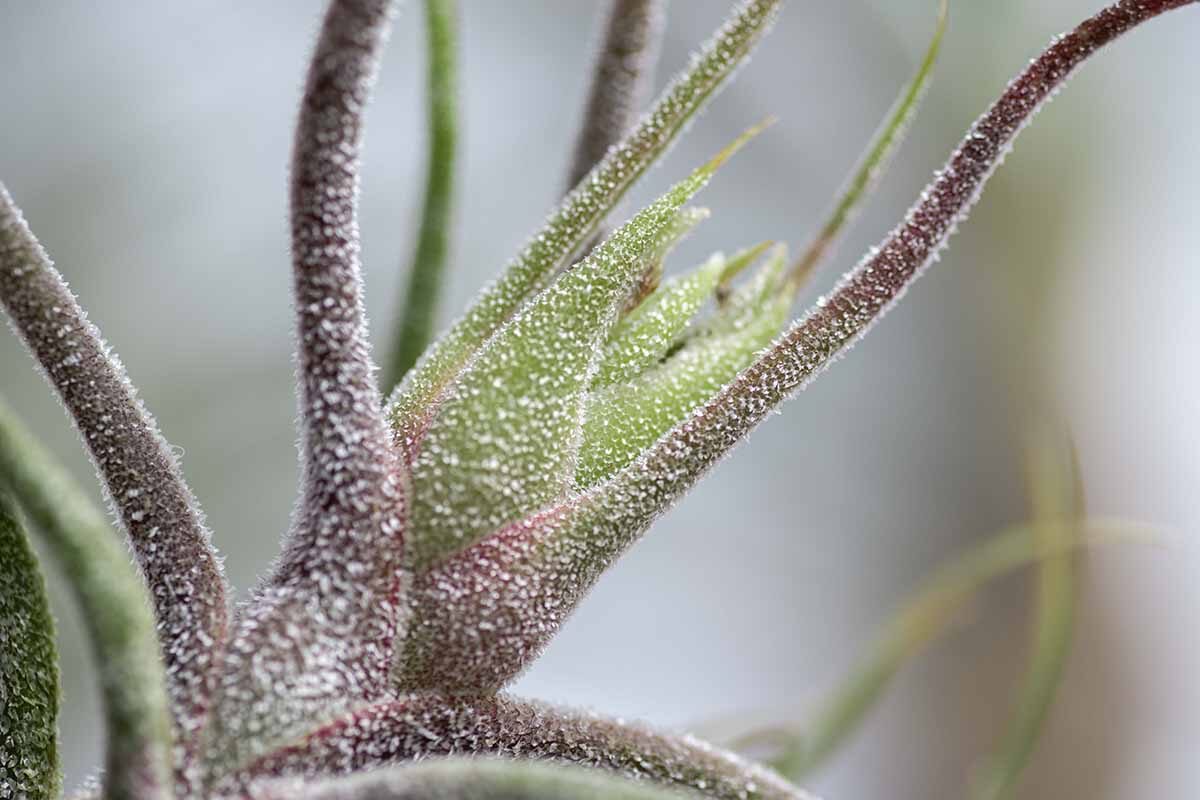
Think of trichomes as living Swiss‑army scales: sponges, wicks, mirrors, and color diffusers rolled into one. They’re why air plants can perch on trees, rocks, or shells with little more than an anchoring root and still thrive.
How they wick water and minerals
- Each trichome is like a tiny umbrella with a stalk (the “stem”) plugged into the leaf’s tissues and a broad “shield” that spreads on the surface. When rain, mist, or dew lands, water slips between shield cells and is wicked inward toward the mesophyll—fast.
- Many Tillandsia can also absorb dissolved nutrients—think faint mineral traces and dilute fertilizer—right through these scales.
- In some species, the scales even exude a slick mucilage (a light gel) that helps trap droplets and guide them into the plant, especially during brief wet periods.

Practical moves:
- Soak thoroughly about once weekly for 30–60 minutes. Use rain, distilled, or otherwise low‑mineral water; then shake well and set the plant upside down or on its side to drain. Aim for it to dry within about 4 hours.
- In hot, dry rooms, add light misting between soaks 2–3 times a week; daily in very dry spells is fine if airflow is strong.
- Keep flowers and bracts as dry as possible during soaking to avoid damage.
How they reflect harsh light
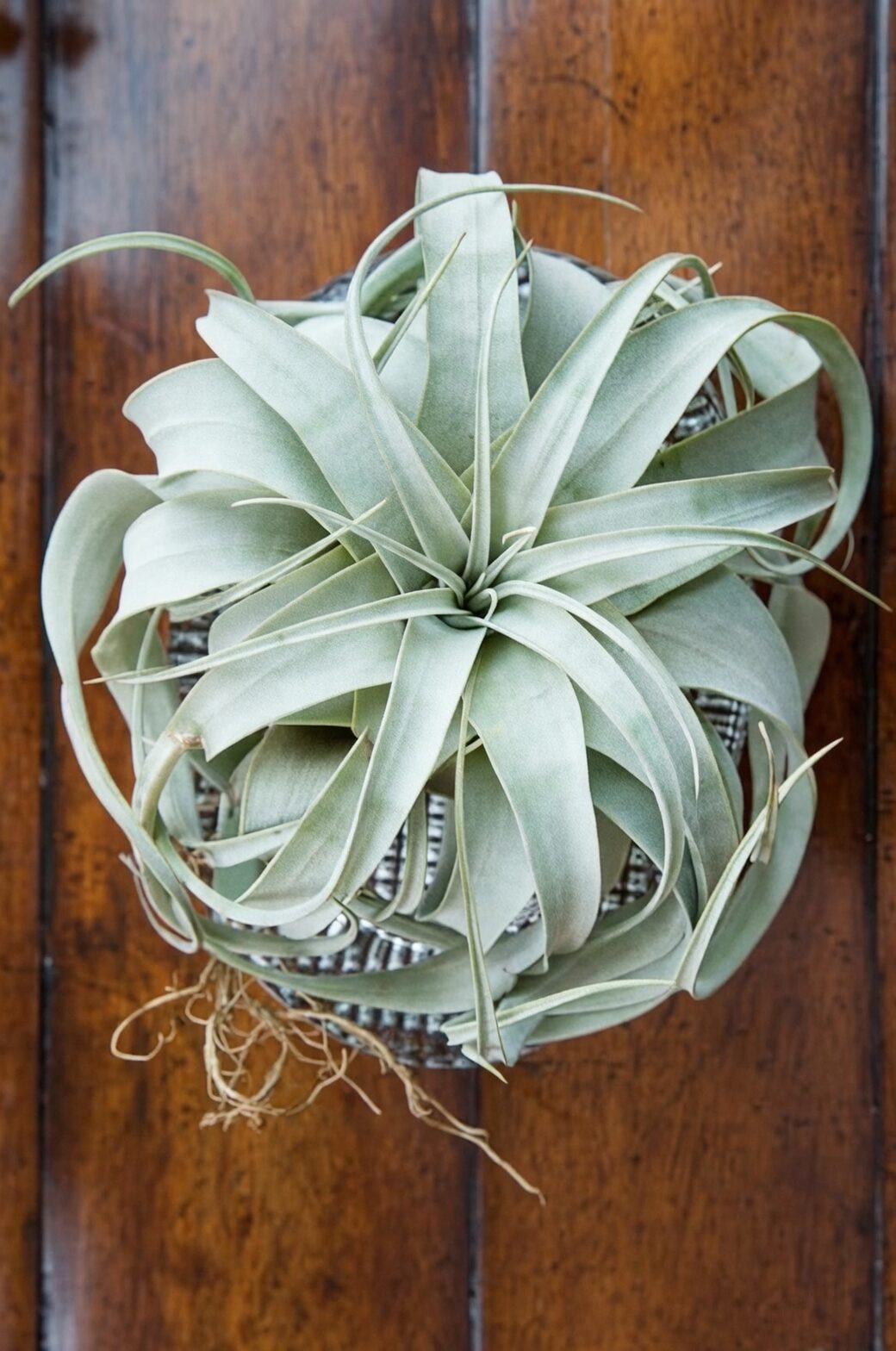
- Trichomes act like millions of tiny mirrors, scattering intense sun and giving many species a frosty, silvery cast. The denser the trichomes, the grayer the plant—and the more light and dry air it can handle.
- Greener, softer‑leafed types have fewer scales, soak up light more readily, and prefer brighter shade.
Practical moves:
- Bright, indirect light is the sweet spot. An east window or a spot set back from a south/west window with a sheer curtain is ideal.
- Silvery/gray species usually tolerate gentle morning sun; greener forms should stay in filtered light.
- Avoid harsh midday sun through glass—it can scorch.
How they influence the bloom “blush”
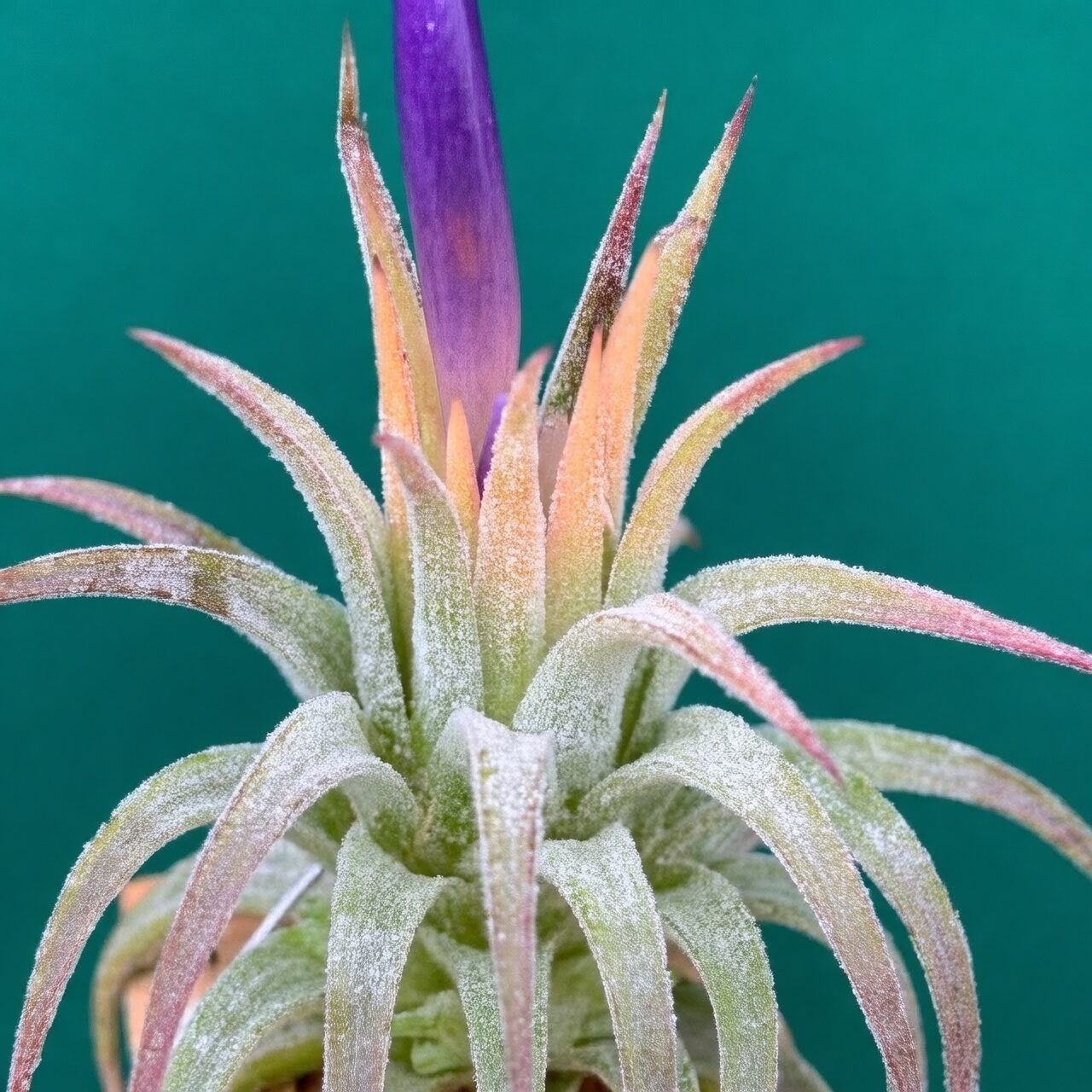
- Around flowering, many air plants blush red or purple and push up colorful bracts with tubular blooms. Pigments (like anthocyanins) surge to attract pollinators and protect bright tissues from UV.
- Trichomes don’t make pigment, but they change how you see it: those reflective scales scatter and soften light across the leaf surface. On a silvery species, the blush can look frosted; on a greener one, the same pigment can read more vivid.
Practical moves:
- To coax color, give brighter filtered light for several months leading into bloom—never scorch. Light fuels pigment production; good airflow helps the plant metabolize without staying soggy.
- Feed very lightly in the growing season (see below). And remember: most species bloom once per rosette; afterward the “mother” slowly declines while producing offsets (pups).
Timing tip: water early, dry fast
Tillandsia are masters of water thrift and many use a night‑time gas‑exchange rhythm that conserves moisture. Indoors, the winning routine is daytime watering with strong ventilation so the plant dries before the cool of evening—your best insurance against rot.
Set them up for success indoors
Light
- Bright, indirect to lightly filtered sun.
- Gray/silver types: tolerate a bit more sun (especially morning).
- Green types: prefer brighter shade.
- Signs to watch:
- Too little light—slow growth, dull color, elongated leaves.
- Too much—bleached patches, crispy tips.
Water and humidity
- Routine: soak weekly for 30–60 minutes; then shake and drain upside down. Add light misting 2–3 times weekly in dry rooms.
- Winter: shorten soaks and space them out; cooler, dimmer air dries slowly.
- Humidity target: 50–70% is comfortable, but airflow matters more than raw humidity. Still, wet air is a recipe for rot.
Airflow (the secret ingredient)
- Place where air moves: near an open shelf, a ceiling fan on low, or a doorway with gentle drafts. Skip closed terrariums for long‑term care; use open glass at most, and return plants only when fully dry.
Temperature
- Happy range: 15–25°C (59–77°F).
- Keep commonly grown types above about 10°C (50°F) in winter. Not frost‑hardy.
Mounting and display

- No soil needed. Mount on cork bark or driftwood, tuck into shells, wire cradles, or open vessels.
- Avoid permanent glue so you can remove plants for soaking and drying. If you use a “pot” purely for looks, choose a very airy, fast‑draining filler and keep the crown ventilated.
Feeding (foliar, gentle, occasional)
- Use a bromeliad/air‑plant or orchid fertilizer at weak strength (about 1/4). Mist or include in a soak about monthly in spring–summer; some growers go every 2 weeks at very low strength.
- Rinse with plain water occasionally to prevent mineral buildup.
- Pause or greatly reduce feeding in winter.
Bloom, pups, and the long game
- Most air plants bloom once per rosette, often in spring indoors (timing varies by species and conditions). Bracts and flowers can be vivid: pinks, reds, yellows, and especially purple tubes.
- After bloom, the mother slowly declines while producing pups. Leave pups attached for a fuller clump, or separate when each is about 1/3–1/2 the mother’s size.
- Growth habit: clump‑forming over time, with forms ranging from petite 5–8 cm rosettes to sculptural species that exceed 30 cm across.
Troubleshooting like a pro
- Rot at the base or crown
- Cause: staying wet too long in cool, dim, or still air.
- Fix: water early day, shake hard, dry within ~4 hours, and boost ventilation. Reduce frequency in winter.
- Dehydration
- Signs: curled/rolled leaves, crisp tips, dull or “shrunken” look.
- Fix: a proper soak followed by good drying is safer (and more effective) than frequent tiny spritzes in stagnant air.
- Sunscald
- Signs: bleached or browned patches on the sun‑side.
- Fix: pull back from glass, add a sheer, keep to filtered light.
- Pests
- Mealybugs/scale are the usual suspects. Dab with diluted isopropyl alcohol or use insecticidal soap, keeping the crown from staying wet. Spider mites may appear in very dry rooms—improve humidity and rinse/soak more consistently.
Care cues by leaf look
- Silvery/gray, fuzzy‑looking plants (dense trichomes)
- Light: brighter, can take gentle morning sun.
- Water: leaner schedule; they handle drier air.
- Airflow: always, but they dry quickly—which is great.
- Greener, smoother plants (fewer trichomes)
- Light: bright but filtered; avoid direct midday sun.
- Water: a touch more frequent; they dislike extended dryness.
- Airflow: still crucial to prevent rot after watering.
Placement ideas that plants and people love
- East‑facing windows are ideal perches. Set silvery forms closer; greener forms a bit back.
- Bright bathrooms with a window can be fantastic (steam + airflow).
- Keep away from heater/AC vents that blast hot/cold air and overdry leaves.
Safety and pet notes
- Generally non‑toxic to people, cats, and dogs. Pets may nibble and damage leaves, so display out of reach.
A note on origins and the “live on air” myth
- Native to the Americas—from the southern/southeastern U.S. through Mexico, Central America, the Caribbean, and across much of South America to central Argentina—Tillandsia mastered life off the ground by turning leaves into catch‑alls.
- They don’t live on air alone: they need light, water, and trace nutrients. Trichomes just make the most of every droplet and dusting.
Flower language and symbolism
- Modern symbolism ties air plants to freedom, resilience, creativity, and “living lightly.” Unlike traditional Victorian flower language, these meanings come less from old literature and more from the plant’s lifestyle—no soil, minimal fuss, maximal artistry—and the tidy “perfection” of its rosette. They’re emblems of adaptability as décor and as living organisms.
Quick seasonal rhythm
- Spring–summer: brighter filtered light, slightly more frequent watering, light monthly feeding, and strong airflow in heat.
- Autumn: start spacing waterings and reduce feed.
- Winter: keep warm (>10°C/50°F), water less often, skip or greatly dilute fertilizer, and prize fast drying.
Fun, true tidbits
- Spanish moss (Tillandsia usneoides) is an air plant.
- Some species happily colonize fences, rooftops, or telephone wires in suitable climates—their roots are anchors, not straws.
- Airflow can make or break success indoors; a plant can rot in still air even if you’re not overwatering.
Learn to read the scales, and air plants read like open books: silvery when sun is high, thirsty curls when they want a soak, and a joyful blush when they’re ready to bloom. Give them bright, gentle light, water they can sip, and air they can breathe—and they’ll reward you with years of sculptural calm and surprise.