
Gardening can sometimes feel like a game of chance, but mastering the art of microclimates can put the odds in your favor! By understanding and optimizing the small-scale climate variations within your garden, you can create perfect pockets of paradise for different plants. Let’s dive into the world of microclimates and discover practical tips to make your garden flourish.
What Are Microclimates and Why Do They Matter?
Imagine a cozy corner in your garden that’s slightly warmer or cooler than the rest, ideal for certain plants to thrive. That’s a microclimate! These localized climate variations can be influenced by factors like sunlight, wind, soil type, and proximity to structures like walls or water bodies. Recognizing and utilizing these variations can help extend your growing season and improve plant health.
Discovering Microclimates in Your Garden
Observe and Measure
Start by spending time in your garden at different times of the day and across seasons. Notice which areas are sunnier, shadier, wetter, or drier. For a more precise approach, use a thermometer to track temperature differences around your garden.

Light Matters
Monitor how sunlight travels across your garden. Are there spots that bask in full sun all day or areas tucked in shade? Mapping these light patterns will guide you in placing sun-loving plants like tomatoes near sunny walls while reserving cooler, shaded areas for leafy greens.

Creating Ideal Microclimates
Group Similar Plants
Cluster plants with similar light and moisture needs. This not only optimizes the environment for each group but also simplifies your gardening routine. For instance, grouping tall plants together can provide natural shade to smaller, shade-loving species below.
Utilize Structures for Thermal Mass
Make use of existing structures like south-facing walls to create warmer microclimates. These walls absorb heat during the day and release it at night. In more temperate regions, this can help ripen heat-loving veggies like peppers and eggplants faster.

Build Raised Beds
Raised beds can improve soil drainage and warmth, offering a unique environment tailored to each plant’s needs. Adjust soil composition and moisture levels for different plants to enhance their growth. This method also reduces the risk of waterlogging, especially in areas with heavy rainfall.
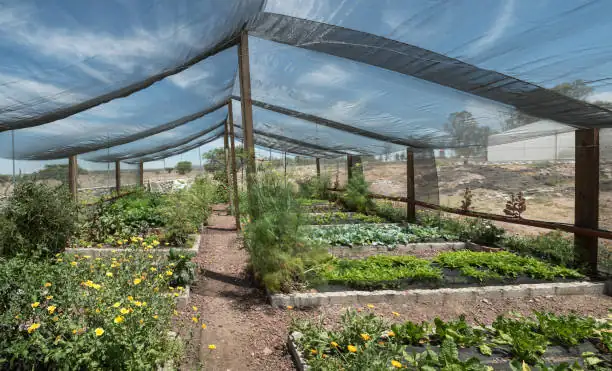
Add Shade Where Needed
In hot climates, relentless sun can stress cool-season crops. Use shade cloths or companion planting to provide much-needed relief. For example, planting taller crops like corn or sunflowers can naturally shade sensitive plants like lettuce, preventing wilting.
Mastering the Elements
Water Wisely
Water not only hydrates your plants but also influences the microclimate by affecting humidity levels. In regions prone to dry conditions, maintaining adequate moisture is crucial. Conversely, ensure proper drainage to avoid waterlogged soil in wetter areas.
Ensure Good Airflow
Promote even warmth and moisture distribution by ensuring good airflow. Use fans or strategically placed vents in a greenhouse setting to keep the air circulating. This helps prevent fungal issues and encourages healthy plant growth.
Common Mistakes to Avoid
- Ignoring Light Patterns: Overlooking how sunlight shifts throughout the day can lead to poor plant placement.
- Overwatering: Excessive watering can lead to root rot, especially in less porous soil.
- Neglecting Seasonal Changes: Forgetting to adjust your gardening approach as seasons change can stress plants.
By understanding and leveraging microclimates, you can transform your garden into a thriving ecosystem tailored to the diverse needs of your plants. Remember, a little observation and creativity go a long way in creating a garden that not only survives but truly thrives!