


If your “lucky bamboo” suddenly looks more like a wobbly wand than a confident column, you’re not alone. Dracaena sanderiana is famously forgiving—and the right cut in the right place can turn slouchy canes into strong, well-balanced stems that keep their poise. Consider this your confidence‑boosting pruning playbook: exactly where to cut, how nodes re‑shoot, when to stake instead of snip, and how to keep canes upright for the long haul.
First, know your plant (so every cut counts)
- Not a true bamboo: Lucky bamboo is a dracaena from West Africa. It grows as upright canes with leaves clustered near the top.
- What actually gets taller: Height increases via leafy side shoots and tips, not by the woody cane elongating. When you top a cane, that cane stops getting taller. New shoots below the cut take over the show.
- Nodes are your allies: Those ring‑like bands on the cane are nodes. After pruning, they wake up and push fresh shoots—often 1–3 new sprouts just below your cut in warm, bright conditions.
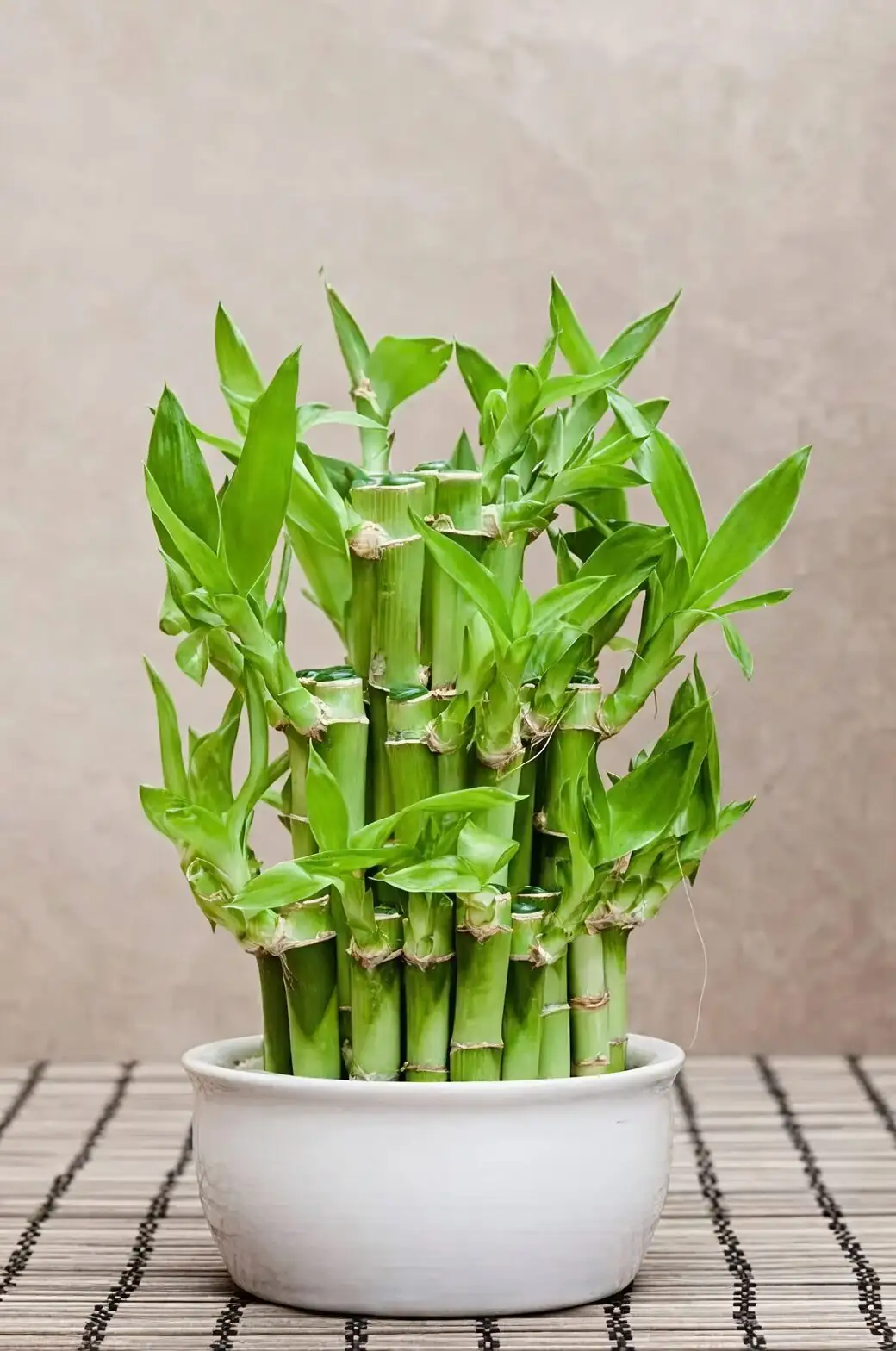
The pruning playbook: where to cut and why it works
Tools and timing
- Use sharp, sterile shears or a clean knife. Wipe blades with isopropyl alcohol before and between cuts.
- Prune whenever the plant is too tall or top‑heavy. It tolerates hard pruning well. Expect fastest re‑sprouting in warmth (ideally 25–30°C / 77–86°F).
The two main types of cuts
1) Topping a cane (reduces height and straightens leaners)
- Cut the cane cleanly at your chosen height. A common, no‑fail target is about 15 cm (6 in) above the base.
- Leave at least 2 healthy nodes on the remaining stump. New shoots will emerge from nodes just below the cut.
- The removed top can be rooted to make a new plant.
2) Trimming leafy side shoots (for shape and density)
- To thicken the crown, shorten spindly, leggy shoots to 2.5–5 cm (1–2 in). This usually triggers branching from the cut area and creates a fuller top.
- If you don’t want a particular shoot to regrow from that exact spot (for a cleaner silhouette), cut it flush where it meets the cane.
Tip: Cut just above a node on the cane when topping; cut just above a leaf joint on shoots. Always make smooth, flat cuts—no tearing.
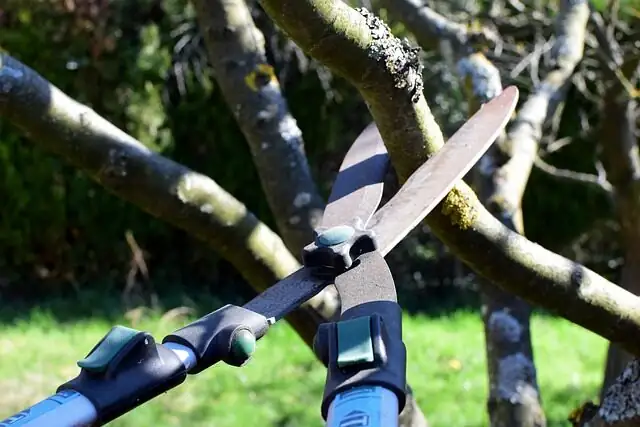
Four common scenarios—and exactly what to do
1) A single tall cane that’s starting to bend
- Make a decisive top cut where you want long‑term height (6–12 in above the base is easy to manage).
- Stake for 6–8 weeks if the cane is already leaning (see staking section below).
- Root the top as a new plant; the stump will push new shoots from its upper nodes.
2) Bushy head, but the shoots are long and floppy
- Shorten each lanky shoot to 1–2 in. You’ll get denser, more self‑supporting growth.
- Remove 1–2 of the most crowded shoots at their base to relieve weight and improve airflow.
3) A water‑grown arrangement that leans in one direction
- Rotate the container weekly to even out light response.
- If you prefer not to cut, add a discreet stake and tie loosely (details below), and reduce head weight by trimming a few longest shoots.
- Refresh water hygiene (clean vase, dechlorinated water) to keep roots vigorous enough to anchor the cane.
4) A multi‑cane cluster that looks unbalanced
- Stagger heights intentionally: choose one tall “lead,” one mid, and one short by topping at different levels for a pleasing, stable composition.
- Thin a few shoots on the heaviest head to stop the whole cluster from tipping.
Stakes vs. shears: how to choose
- Use shears (prune) when:
- The cane is top‑heavy or taller than you want.
- You want bushier growth or a size reset.
- The plant repeatedly leans despite good light.
- Use stakes when:
- You love the current height/shape and only need temporary support.
- The lean is new and likely light‑related (you can correct with rotation and brighter, indirect light).
- You’re growing spiral/braided forms and want to preserve the sculpted look.
How to stake lucky bamboo without spoiling the look
- Best stakes: slim bamboo skewers, fiberglass rods, or stainless stakes.
- In water: anchor the stake in decorative pebbles; in pots: insert it near the inner rim, not right beside the cane base.
- Tie with soft plant ties, jute, or silicone ties at 1–2 points. Make a loose figure‑8 to avoid constricting the cane.
- Remove or reposition ties after new shoots harden and balance returns (usually 6–10 weeks).
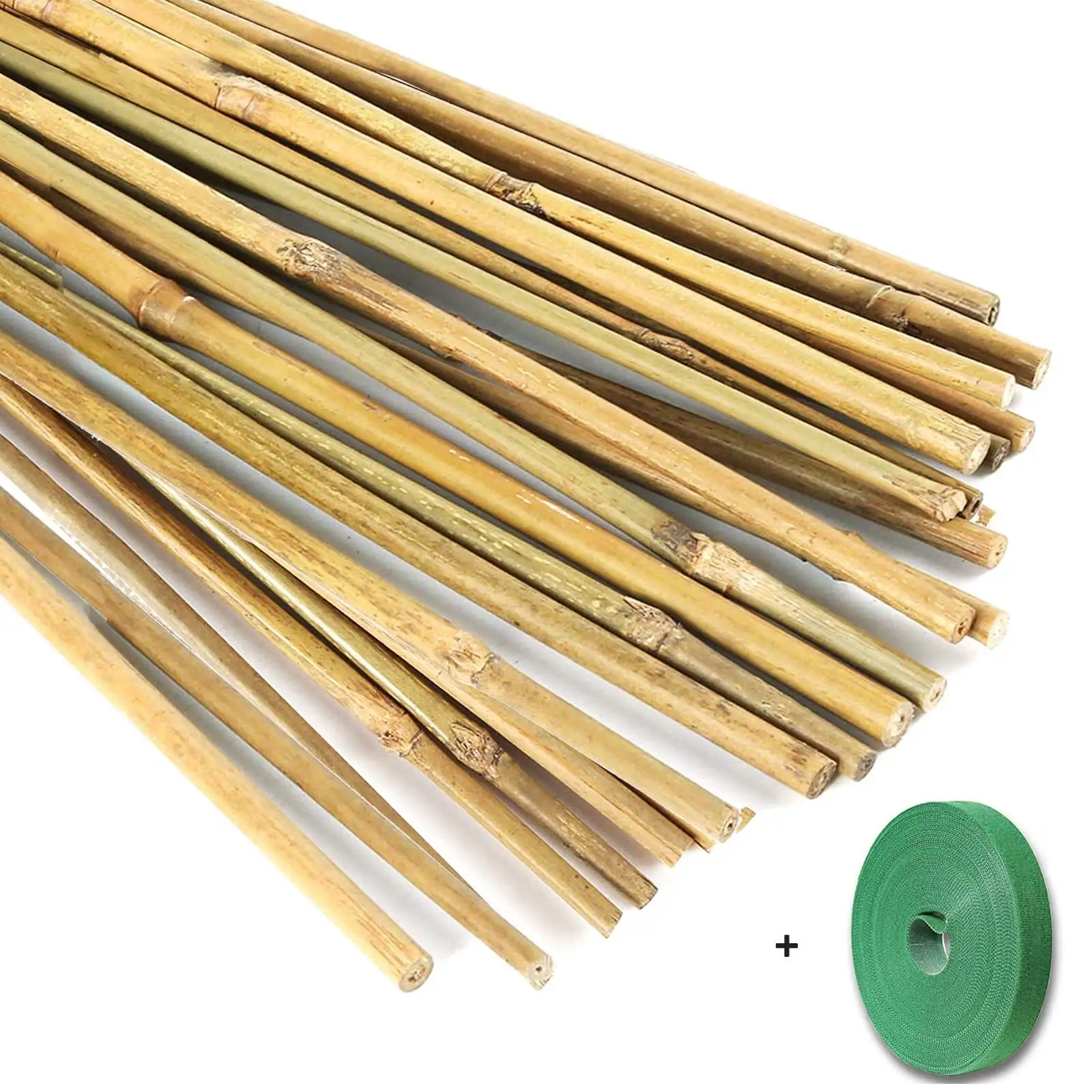
Aftercare that makes new shoots pop
- Light: Bright, indirect light is ideal (think east window or a south window with a sheer curtain). Too little light = weak, floppy shoots; harsh direct sun can scorch leaves and fuel algae in water displays.
- Temperature: Warmth speeds recovery and sprouting—18–30°C (64–86°F), with especially strong growth at 25–30°C (77–86°F). Keep above 10°C (50°F).
- Humidity: Prefers 50%+. In hot, dry weather, mist 2–3 times per day to prevent crispy tips, especially while new cuttings root.
- Water culture hygiene:
- Use clean, preferably dechlorinated/aged water.
- For fresh cuttings: change water every 3–4 days. Once rooted: change about weekly.
- Keep roots submerged and containers clean; trim away old or damaged roots during water changes.
- Soil culture:
- Use a well‑drained, fertile houseplant mix with a bit of perlite/sand.
- Keep evenly moist in spring–summer; ease up in autumn; slightly drier in winter (while staying warm).
- Feeding: Light and infrequent. Try a very dilute balanced fertilizer every 2 weeks in active growth—or a normal dilute feed once every 2 months. Overfeeding, especially in water, causes soft, floppy growth and funk in the vase.
- Optional tip from traditional growers: dust cut ends with a pinch of charcoal/ash to discourage rot.
What to expect next: In warm, bright conditions, new nodes typically re‑shoot within a few weeks; rooting of cut tops usually takes about 3–4 weeks.
Preventing top‑heavy bends long‑term
- Keep the light bright and even; rotate weekly.
- Don’t let arrangements get too tall for the container—schedule mini haircuts every few months.
- Thin the heaviest heads (remove a couple of longest shoots) to reduce lever‑arm weight.
- Maintain healthy, not lush, growth by avoiding heavy feeding.
- In water culture, rinse decorative pebbles regularly and keep the waterline just above the roots—clean roots grip better.
Propagate as you prune: multiply your luck
- Best season: early to midsummer (June–July) for fastest results.
- For soil: Cut mature canes into 10–15 cm (4–6 in) sections. Root in moist sand or a very light mix at 25–30°C (77–86°F) with higher humidity. Rooting takes ~20–25 days.
- For water: Take an 8–10 in tip cutting, remove lower leaves, place in clean, dechlorinated water. Change water every 3–4 days; roots form in ~3 weeks.
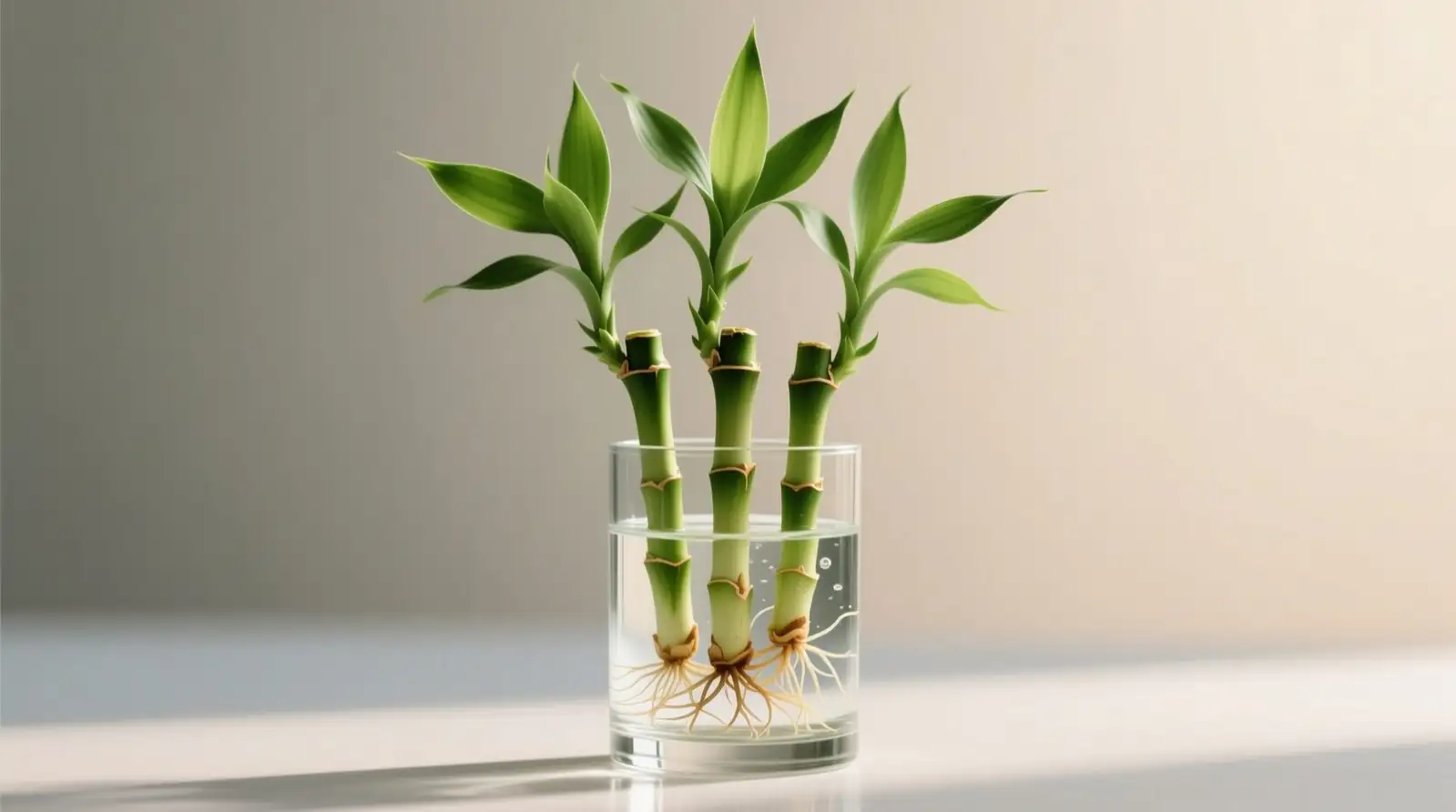
- Hygiene is everything: sterile tools, clean containers. Discard any portion that turns brown or mushy.
Quick troubleshooting
- No new shoots after pruning:
- Improve light (still bright but filtered), raise warmth, and be patient 2–6 weeks. Ensure you left at least two healthy nodes below the cut.
- Cane leaning again:
- Trim 1–2 longest shoots, rotate plant, and add a temporary stake. Check that roots are healthy and not rotting.
- Yellow tips or dull leaves:
- Switch to dechlorinated/aged water, increase humidity, and avoid harsh sun through glass.
- Algae in vases:
- Keep out of direct sun, clean containers weekly, and rinse any pebbles well.
- Pests:
- Scale, thrips, and aphids can appear. Treat early with insecticidal soap or horticultural oil and isolate if needed.
- Pet safety:
- Toxic to cats and dogs if chewed. Place out of reach.
A quick word on “luck” and meaning
Linked for centuries with prosperity, harmony, and longevity, lucky bamboo became a global gift plant through feng shui‑inspired décor. While the symbolism is cultural rather than botanical, it’s part of the charm: a simple green cane standing upright, balanced, and resilient. Your pruning is more than a haircut—it’s a gentle nudge toward that balanced form the symbolism celebrates.
Keep it warm and bright, keep the water clean, and don’t be shy with the shears. Dracaena sanderiana is a champion rebounder: cut with confidence, and it will repay you with fresh shoots and upright poise.