

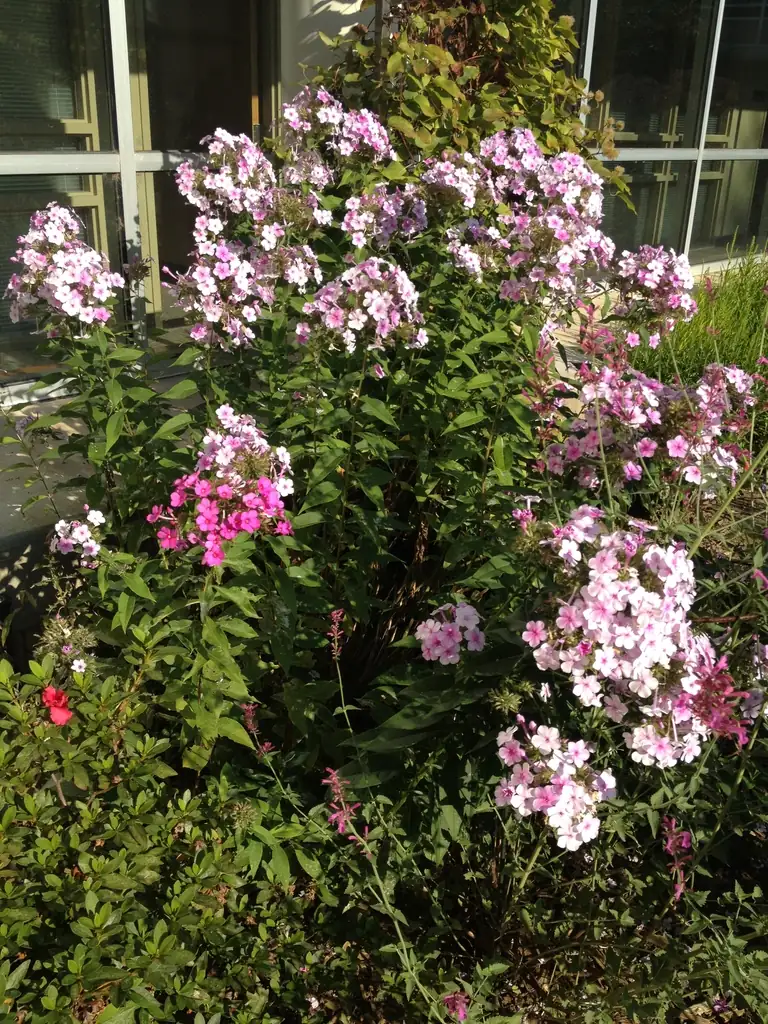
If you love the way Annual Phlox (Phlox drummondii) throws “clouds of color” across beds and pots, but dread what high summer does to those velvety leaves and starry clusters, take heart. This Texas native is happy in warmth—but it does its best work with morning sun, smart shade, steady moisture, breezy spacing, and a fertilizer plan that feeds flowers, not just foliage. Here’s your beat-the-heat playbook, distilled for long, vibrant bloom.
Morning sun, afternoon shade: the sweet spot
Annual phlox flowers heaviest with plenty of light, yet in sizzling summers the noon-to-late-afternoon blast can stall bloom and invite stress.
Why it works
- Morning sun (cooler, gentler rays) powers photosynthesis and dense bud set.
- Light afternoon shade prevents leaf scorch, reduces wilting, and helps blooms hold their color.
- Less heat stress means fewer pest and mildew flare-ups and more energy for flowers.
How much light, exactly?
- Aim for full sun overall—about 6–8 hours of direct light—for the best flowering.
- In hot-summer regions, give those hours before 2 p.m. and provide dappled or bright open shade later.
- Too much shade = stretch and fewer blooms. If plants elongate, increase morning light and prune (see Pinch & Prevent, below).
When to deploy shade cloth
- During heat waves (around or above 32°C/90°F), rig 30–40% shade cloth for the hottest window (roughly noon to 4 p.m.).
- Keep cloth clear of foliage and allow airflow on all sides; remove it when temperatures normalize to prevent legginess.
- In containers, a simple move to the east side of a wall or under high, open-canopy trees gives the same effect.
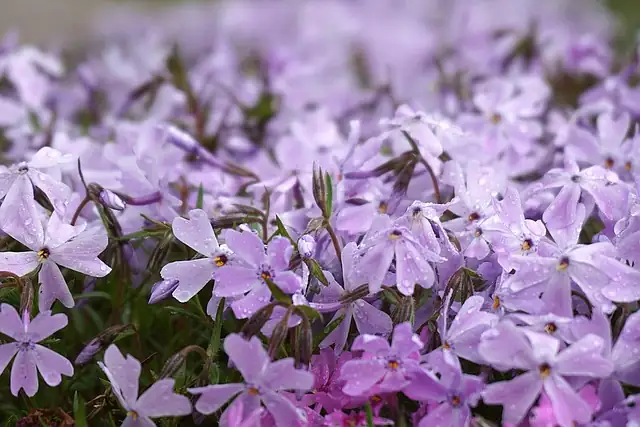
Water like a pro: deep soaks and cool roots
Annual phlox loves even moisture—but not soggy feet. The trick is thorough, infrequent watering paired with mulch.
The deep-soak schedule
- Target about 2.5 cm (1 inch) of water per week from rain/irrigation in normal weather.
- In sustained heat, increase to 1.5 inches weekly, split into 2 deep sessions.
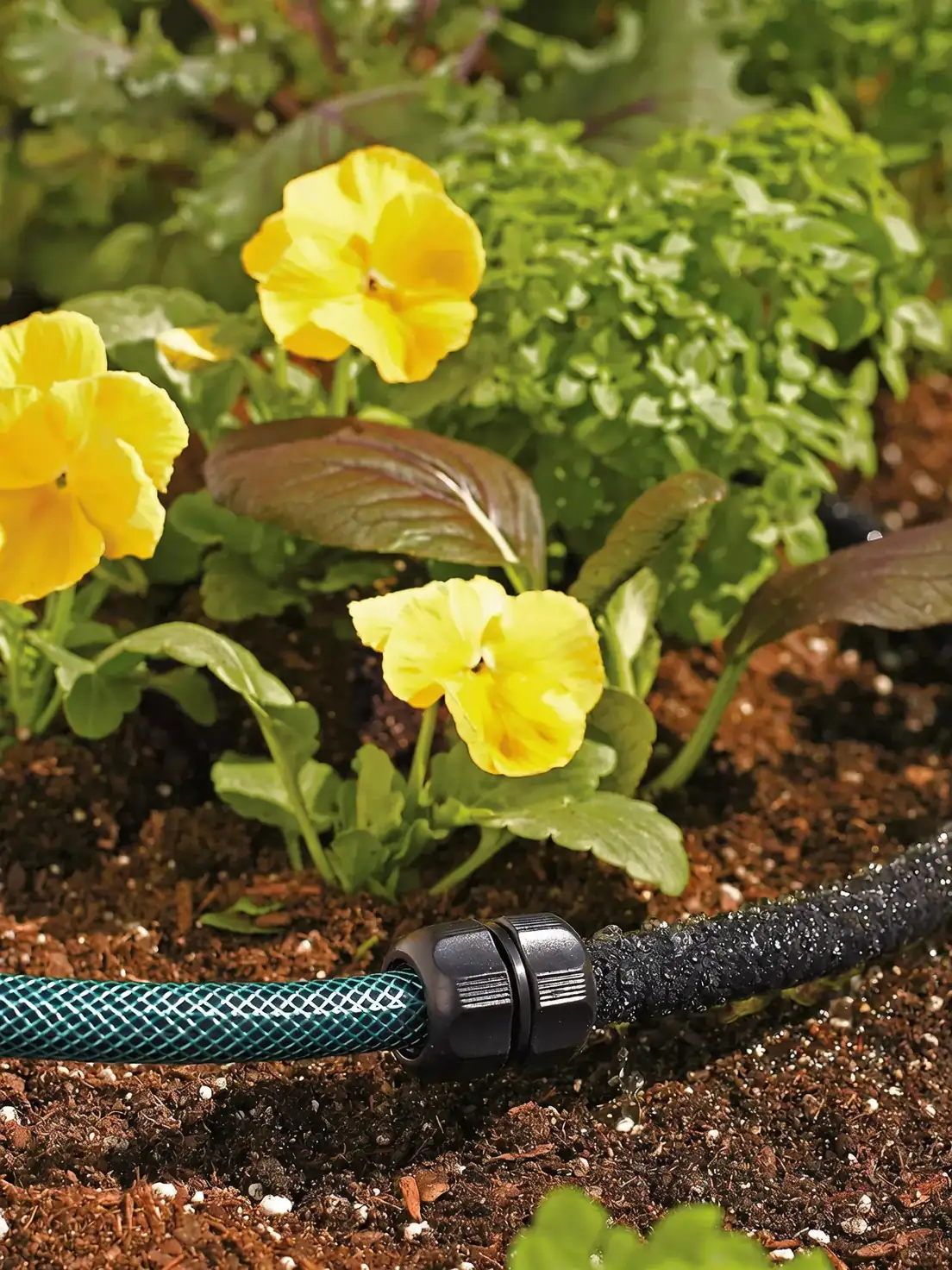
- Use a soaker hose or drip line so water reaches the root zone and leaves stay dry (key for mildew).
- Calibrate with a “tuna can test”: run irrigation until a can set in the bed holds 2.5 cm (1 inch).
Pro tip: Water early morning so plants start the day fully hydrated and leaves dry quickly if splashed.
Mulch matters
- After soil warms, lay 5–7.5 cm (2–3 inches) of organic mulch (shredded leaves, fine bark, or compost) around plants.
- Keep mulch a couple of centimeters (about an inch) off the stems.
- Mulch evens soil temperature, slows evaporation, and reduces splash that spreads fungal spores.
Container care
- Phlox in pots dry out faster. Deep-soak until water exits the drainage holes; let the top 2–3 cm (about an inch) dry before watering again.
- Use a high-quality, well-draining potting mix and never crowd containers—airflow counts (see below).
Airflow hacks that fight mildew (and keep plants perky)
Powdery mildew is the common spoiler for phlox in warm, humid spells. Prevention beats cure.
- Space generously: 45–60 cm (18–24 inches) between plants to reduce leaf-to-leaf contact.
- Line up beds with prevailing breezes and avoid wind-blocking corners.
- Water at the soil line; avoid overhead irrigation, especially late in the day.
- Thin crowded interiors lightly and remove any heavily infected leaves to open the canopy.
- In enclosed patios or protected courtyards, a gentle, oscillating breeze during heat waves helps leaves dry quickly.
- If needed, use a labeled fungicide (sulfur-based products are commonly used) on a 7–10 day schedule; always follow the product directions.
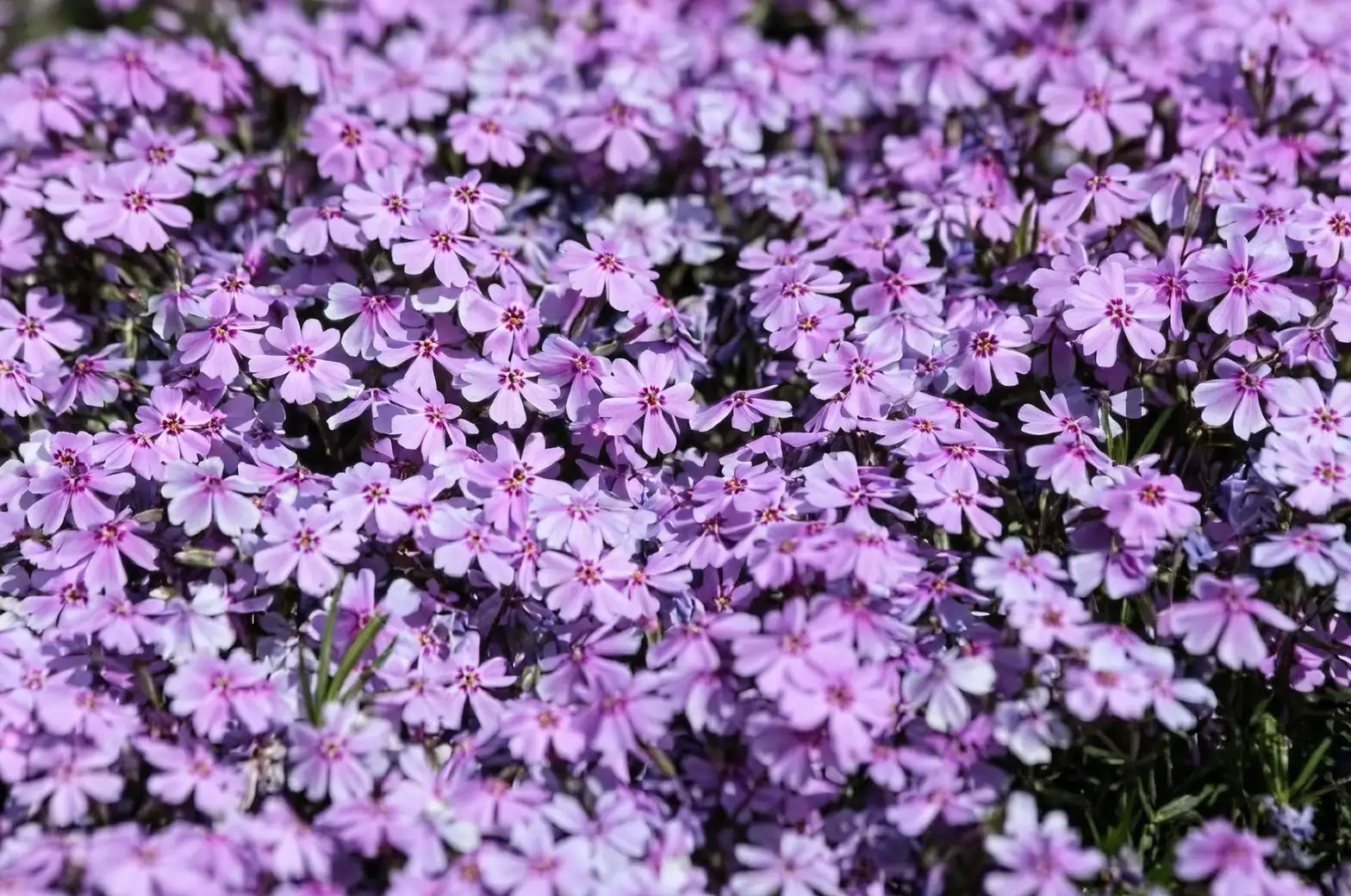
Feeding tweaks that build blooms, not just leaves
Phlox is hungry enough to appreciate regular nutrition, but the ratio and timing matter.
At planting
- Mix in compost or well-rotted organic matter to enrich fertility and drainage.
- This base feed supports sturdy roots and steady early growth.
Early growth (green-up phase)
- Use a balanced fertilizer lightly (for example, something near 10-10-10 at reduced label rates).
- Slightly higher nitrogen early is fine to fill out the clump—but keep it modest.
Buds to bloom (the switch)
- Once flower buds form, pivot to a bloom-leaning formula higher in phosphorus and potassium and lower in nitrogen (for example, 5-10-10).
- Feed lightly and consistently; avoid heavy nitrogen late in the season, which encourages leggy stems and fewer flowers.
Pinch & prevent legginess
- Pinch or cut back stems by about one-third to one-half in early summer if plants stretch. This encourages branching and more flower clusters.
- Ensure at least 6 hours of direct morning sun; too much shade prompts tall, weak growth.
- Keep moisture even—yo-yo drought followed by deluge can also trigger stretch.
Heat-wave playbook (quick checklist)
- Light: Maintain morning sun; add temporary 30–40% shade cloth for the worst afternoon hours.
- Water: Deep-soak twice weekly; mulch to lock in moisture.
- Air: Confirm spacing; prune lightly for airflow; keep irrigation at soil level.
- Feed: Hold off on high-nitrogen products; stay with bloom-supporting formulas.
- Groom: Deadhead often so energy returns to new buds rather than seeds.
- Scout: Check undersides of leaves for spider mites and aphids; treat early with insecticidal soap.
- Mildew watch: Remove any infected foliage and, if needed, start a labeled fungicide rotation.
Seasonal rhythm for success
- Spring
- Start from seed indoors 6–8 weeks before the last frost; sow shallowly (seeds prefer light).
- Transplant after frost danger has passed; set plants 45–60 cm (18–24 inches) apart.
- Aim for full sun exposure as days are still mild.
- Summer
- Shift to morning sun with afternoon shade as heat builds.
- Keep water even; deadhead to extend bloom from mid-spring into mid-summer.
- Pinch back if leggy and manage airflow to deter mildew.
- Fall
- Remove and discard any diseased foliage to reduce carryover of pathogens.
- Winter
- Treat as an annual in most climates; Phlox drummondii is not frost-hardy.
Fast fixes: common midsummer issues
- Yellowing leaves
- Most often too-wet soil or too little light. Improve drainage, let the top layer dry slightly between deep waterings, and ensure 6–8 hours of sun (weighted to morning).
- Few flowers, lots of leaves
- Too much nitrogen or too much shade. Switch to bloom-leaning feed and increase light.
- Buds crisp or drop
- Heat or drought stress. Add temporary shade, deepen watering, and keep mulch intact.
- Powdery mildew
- Improve airflow, water at the base, remove infected leaves, and—if needed—apply a labeled fungicide on a 7–10 day interval.
A tiny bit of lore (and flower language)
“Phlox” comes from the Ancient Greek for “flame,” a nod to the intense colors that light up borders. In Victorian flower language, phlox spoke of harmony—“we think alike” or “our souls are united.” While meanings like these aren’t scientific, they reflect how gardeners have long read warmth, welcome, and togetherness in phlox’s generous clusters and sweet fragrance.
Quick profile: Annual Phlox, primed for summer
- Botanical name: Phlox drummondii (Annual Phlox; Drummond’s Phlox)
- Native roots: Texas, United States
- Habit: Upright, branching clumps about 15–60 cm (6–24 inches) tall, with bright green, slightly soft-textured leaves
- Flowers: Five-petaled stars in dense clusters from mid-spring to mid-summer—white, pink, purple, red, orange, and eye-catching bicolors
- Best setting: Full sun for heavy bloom; partial shade in very hot summers
- Soil: Fertile, well-drained; slightly alkaline to neutral (about pH 6.0–8.0)
- Health notes: Space for airflow; water at the base to reduce powdery mildew; manage aphids, spider mites, and leaf miners with insecticidal soap if needed
- Safety: Not known as toxic, but not for eating
With morning light, afternoon kindness, cool roots, and a bloom-smart diet, Annual Phlox will float those “clouds of color” right through the heat—and look refreshingly unbothered while doing it.


