

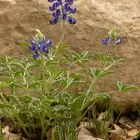
Poppy anemones are spring’s exclamation points—satiny petals, inky centers, and a knack for thriving when the air is crisp. If your climate is sweltering, soggy, or swinging wildly, you can still grow knockout blooms with a few smart climate hacks: filter the heat, drain like a mountain slope, chase the morning sun, keep plants mobile in containers, and time the whole act for the coolest window of your year.
Meet Poppy Anemone (Anemone coronaria)
- Origin: Mediterranean coastal regions—cool, bright winters and spring, drier summers.
- Nature: A tuberous, cool-season perennial that wakes up as temperatures mellow and slips into dormancy when real heat (or deep cold) arrives.
- Look: Fresh, finely divided foliage and poppy-like flowers in red, pink, purple, blue, or white. Compact—often around 20–30 cm tall in containers. A cut-flower favorite.
Tip: During active growth and bloom, keep soil evenly moist but never waterlogged. In dormancy, go much drier.
The Climate-Hardening Playbook
1) Filter the furnace: provide 50–60% shade in heat
- In hot weather, dappled cover or 50–60% shade cloth prevents stress and bud scorch.
- Aim for morning sun with filtered light from late morning on; too little light makes plants leggy and stingy with blooms.
- Practical shade sources: an east-facing fence, open tree canopy, or a temporary frame with shade cloth over containers.
2) Grow in gritty, fast-draining mixes
Poppy anemones adore rich yet sharply drained soil. Think “Mediterranean woodland meets alpine scree.”
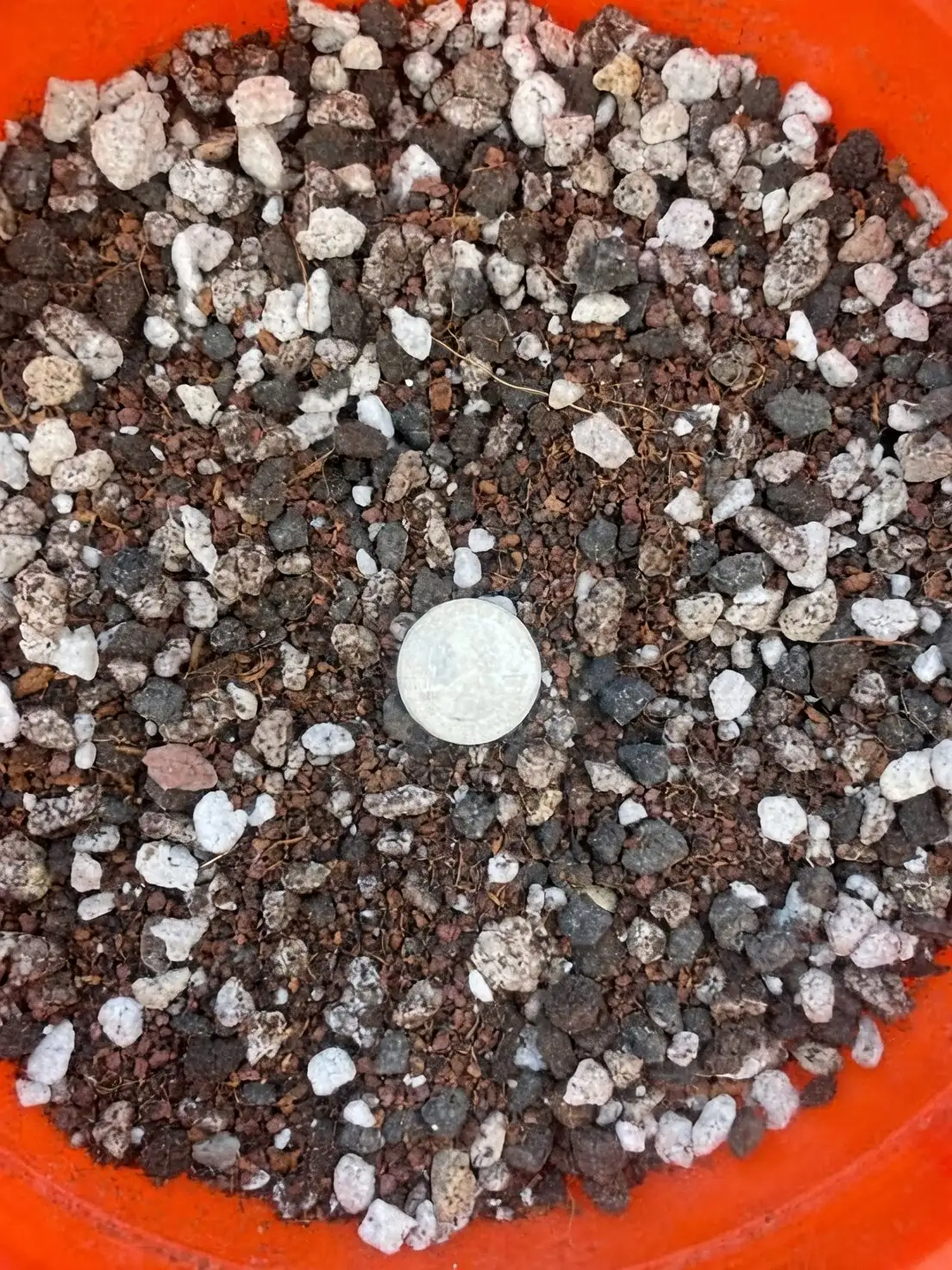
- Container/bed mix recipe:
- 40–50% fertile loam or high-quality potting compost
- 20–30% leaf mold or garden compost
- 30–40% coarse mineral (horticultural sand, grit, or pumice/perlite)
- Extras that help:
- Raised beds or mounded rows to shed water
- A 1–2 cm topdressing of grit to keep crowns dry, reflect heat, and deter rot
- Absolutely avoid heavy, waterlogged ground—standing water can rot tubers quickly
3) Aim plants at the morning sun
- East exposures are gold: bright, gentle rays dry dew and fuel photosynthesis without baking plants.
- Tuck pots where they catch sunrise and enjoy filtered light by afternoon.
- In cool-summer zones, give them brighter conditions; in hot zones, prioritize that afternoon protection.
4) Containers = climate control on wheels
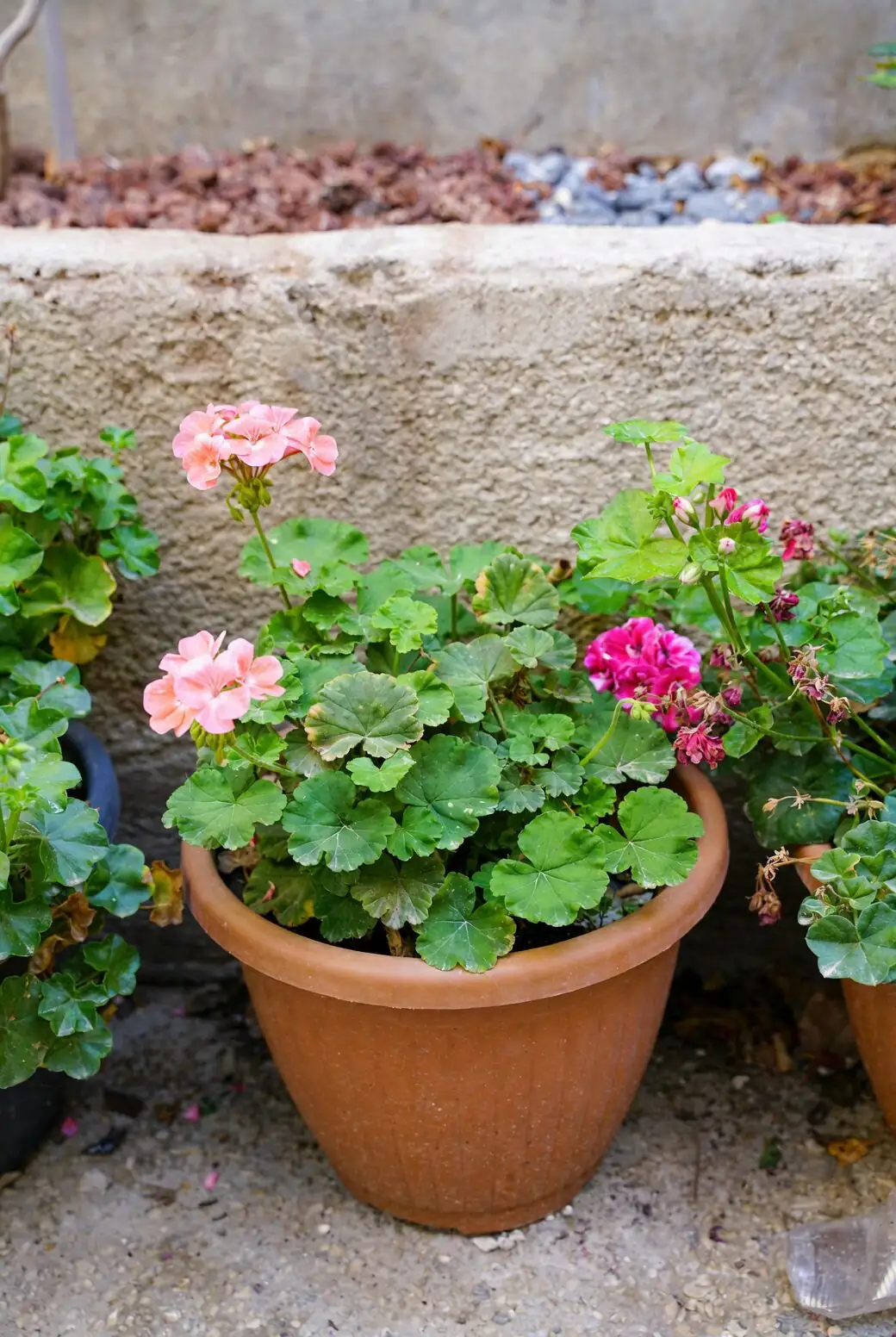
- Pot size: 12–15 cm (4.7–5.9 in) diameter works beautifully—plant 3 tubers per pot.
- Depth: 1.5 cm (0.6 in) deep in pots; in the garden, 5–7 cm (2–2.8 in).
- Materials: Unglazed terracotta breathes (excellent in humid regions); plastic conserves moisture in arid climates.
- Mobility perks:
- Slide pots under cover before big rains to prevent waterlogging.
- Nudge them into brighter or shadier spots as the season flips.
- Elevate pots (pot feet) so drains can run free; never let saucers hold water.
5) Schedule growth for your coolest window
This plant performs best at 15–20°C (59–68°F). Work backward from that sweet spot.
- Hot-summer or humid regions:
- Plant in autumn for growth through winter and peak bloom in late winter–spring.
- Provide 50–60% shade as temperatures rise; expect dormancy once real heat sets in.
- Mild, Mediterranean-like coasts:
- Autumn planting is ideal for spring displays; heat triggers summer rest.
- Cold-winter regions with severe freezes:
- Not reliably hardy outdoors in harsh winters—use containers in bright, frost-free spots (cold frames, unheated sunrooms), then move outside as conditions moderate.
- In-ground planting can wait until soil is workable and cool; keep drainage impeccable.
Planting: wake the tubers right
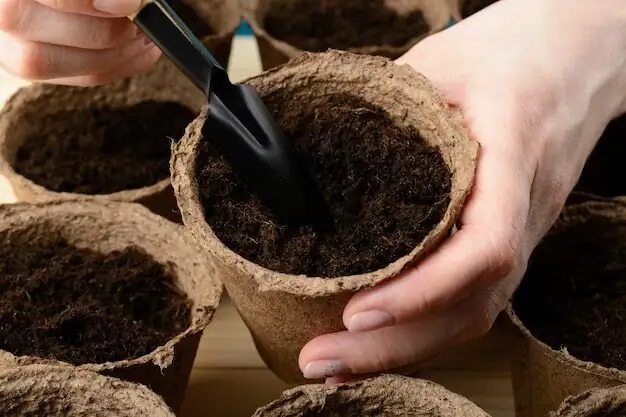
- Pre-soak tubers in water or damp sand to rehydrate before planting—this evens out sprouting.
- Orientation matters: plant with the pointed side down (don’t invert).
- Depth:
- Pots: 1.5 cm (0.6 in)
- Garden beds: 5–7 cm (2–2.8 in)
- After planting: water lightly to moisten the mix. Don’t soak the pot immediately—overly wet starts can rot dormant tubers.
- Timing: aim to finish planting by late November for the best season. Under good conditions, new leaves may appear in about 20 days in the ground.
Watering and feeding rhythms
- During active growth and bloom:
- Water when the surface of the mix dries—keep it evenly moist, never sodden.
- After heavy rain or snow outdoors, confirm excess water has drained away.
- Dormancy (summer heat and sometimes very cold winters):
- Keep much drier to prevent rot; resume watering as new shoots return.
- Feeding:
- Once per month during growth with a dilute balanced fertilizer or gentle organic liquid feed.
- At visible bud set, give one bloom-boosting feed higher in P and K (around 15-15-30) to support flowers and tuber recharge.
Cut-flower perfection
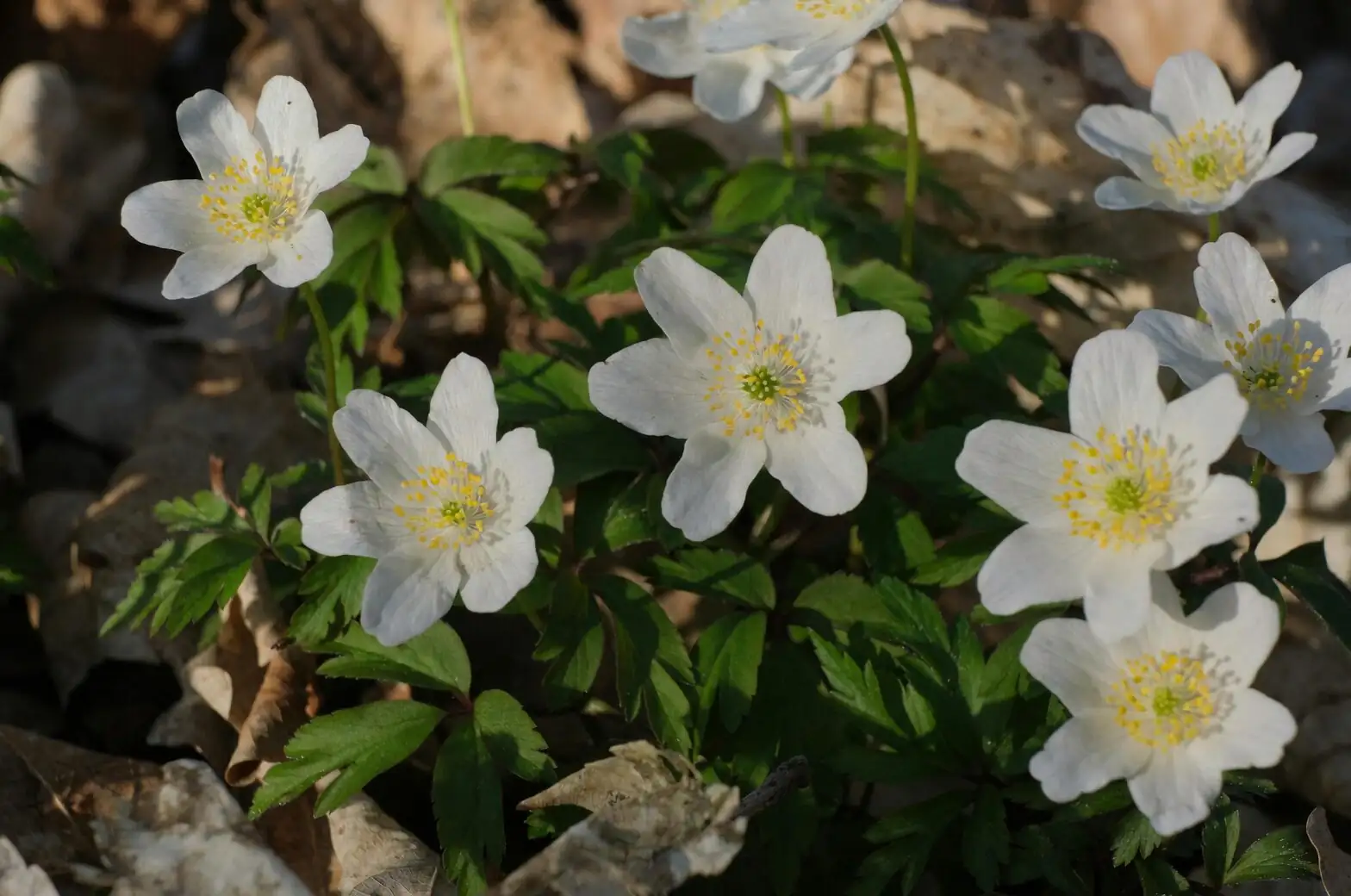
- Harvest stage: when petals just begin to lift from the center—this gives the best vase life.
- Keep cut stems and blooming plants away from ripening fruit—ethylene shortens vase life.
- Florist’s note: don’t mix in the same vase with daffodils; their sap can soften anemone stems.
Troubleshooting in hostile weather
- Yellowing leaves:
- Common culprits: overwatering, poor light, or heat stress. Improve drainage, move to brighter (but not scorching) light, add 50–60% shade in hot spells.
- Weak, stretchy growth:
- Not enough light—shift to brighter mornings and reduce dense shade.
- Buds aborting or flowers brief:
- Excess heat or humidity. Increase airflow, provide shade during hot hours, water at soil level early in the day.
- Tubers not sprouting:
- Often from overwatering right after planting. Start with light moisture and increase only as growth begins.
- Disease watch:
- Rust, gray mold (Botrytis), and Sclerotinia strike in damp, stagnant air. Space plants, ventilate, avoid overhead watering, and keep mixes sharp-draining.
- Pests:
- Aphids cluster on stems and buds—wash off early or manage promptly following local guidance.
Safety
Like many buttercup relatives, sap can irritate skin and the plant may be harmful if eaten. Keep away from children and pets; wear gloves if you have sensitive skin.
Quick-reference: container recipe and routine
- Mix: fertile loam/compost + leaf mold + coarse grit/sand (roughly 60–70% organic to 30–40% mineral grit).
- Potting: 12–15 cm pot; 3 tubers; 1.5 cm deep; pointed end down.
- Light: bright with morning sun; add 50–60% shade in heat.
- Water: evenly moist during growth; much drier dormant.
- Feed: monthly; bloom-boost once at bud set.
- After bloom: deadhead; let foliage recharge tubers; reduce water as plants slip into dormancy.
- Storage/propagation: after foliage dies back (often around June), lift and store tubers dry (e.g., in dry sand) in a cool, shaded place; rehydrate before replanting.
Flower language and meaning
Often called “windflower,” Anemone coronaria carries a sense of anticipation and hopeful expectation—blooms seem to open at a breeze’s whisper and vanish as seasons turn. The Greek root anemos (wind) hints at movement and fleeting beauty. In practice, that “ephemeral” poetry mirrors the plant’s cool-season nature: a luminous spring performance, then a graceful retreat into summer rest while the tubers gather strength for next year.
Wrap-up: build a micro-Mediterranean, anywhere
- Filter harsh sun with 50–60% shade when heat hits.
- Plant in a gritty, quick-draining mix and keep crowns dry.
- Chase the morning sun, dodge the afternoon sizzle.
- Use containers to move with the weather—and the forecast.
- Time growth for your coolest window, and let summer dormancy be part of the plan.
Dial in those five levers and your poppy anemones will reward you with cool, saturated color and papery petals that look effortless—even when your climate is anything but.